Last February, I made a trip using "public transport" from France to southern Senegal via Spain, Morocco, Western Sahara, and Mauritania.
It’s a journey of about 5,000 km, where I took trains (as far as Marrakech), ferries (to cross Gibraltar and then to reach Casamance from Dakar), and mostly buses on the long desert straightaways. I hadn’t planned any stops in advance or booked any hotels, except for the very first train to Spain, which left plenty of room for the unexpected.
Why travel by land and sea? In recent years, flight-free travel has been gaining popularity. On social media, posts explaining how to cross Europe by train as quickly as possible go viral. Traveling without flying—and making sure people know about it—has become a great way to earn a badge of eco-responsibility: an essential totem for anyone wanting to prove both their dedication to the ecological cause and the wisdom of slow travel.
I haven’t flown in years, and this journey to West Africa could easily be filed under "responsible travel." But it wouldn’t be honest to say that: in reality, it wasn’t really my aversion to flying that motivated this long trek. I see overland travel primarily as a way to experience the world’s geography at a grounded, earthly pace—the pace of the locals. Besides, I’ll be flying back, which disqualifies any claim to being a model of sustainability.
So no eco-badge, and no adventurer’s badge either: you won’t find any heroic tales of camel rides in lost lands or mineral train wagons in this account (popular with influencers, the Mauritania iron ore train now attracts tourists from all over the world, turning "the experience" into something you "have to do at least once in your life"). This five-part story, written on the road, has no other ambition than to recount a journey through places and people, and to share the thoughts they inspire in me. As simply and, I hope, as humbly as possible.
I’m posting the episodes here, which you can also find on my blog (with more photos) at the following links:
Episode 1: Spain, from Avignon to Algeciras
Episode 2: Morocco, from Tangier to Tarfaya
Episode 3: Western Sahara, from Tarfaya to Guerguerat
Episode 4: Mauritania, from Guerguerat to Nouakchott
Episode 5: Senegal, from Rosso to Saloulou
To help those who might want to make the same trip, I’ve also put together a summary of the route with recommendations—you can read it at the end of the story and on the blog:
From France to Senegal Without Flying: Route and Itinerary Recommendations
From the south of France to the north of Morocco, my first stops take me through a flooded Spain and the storm-tossed Strait of Gibraltar, disrupted by Storm Leonardo.
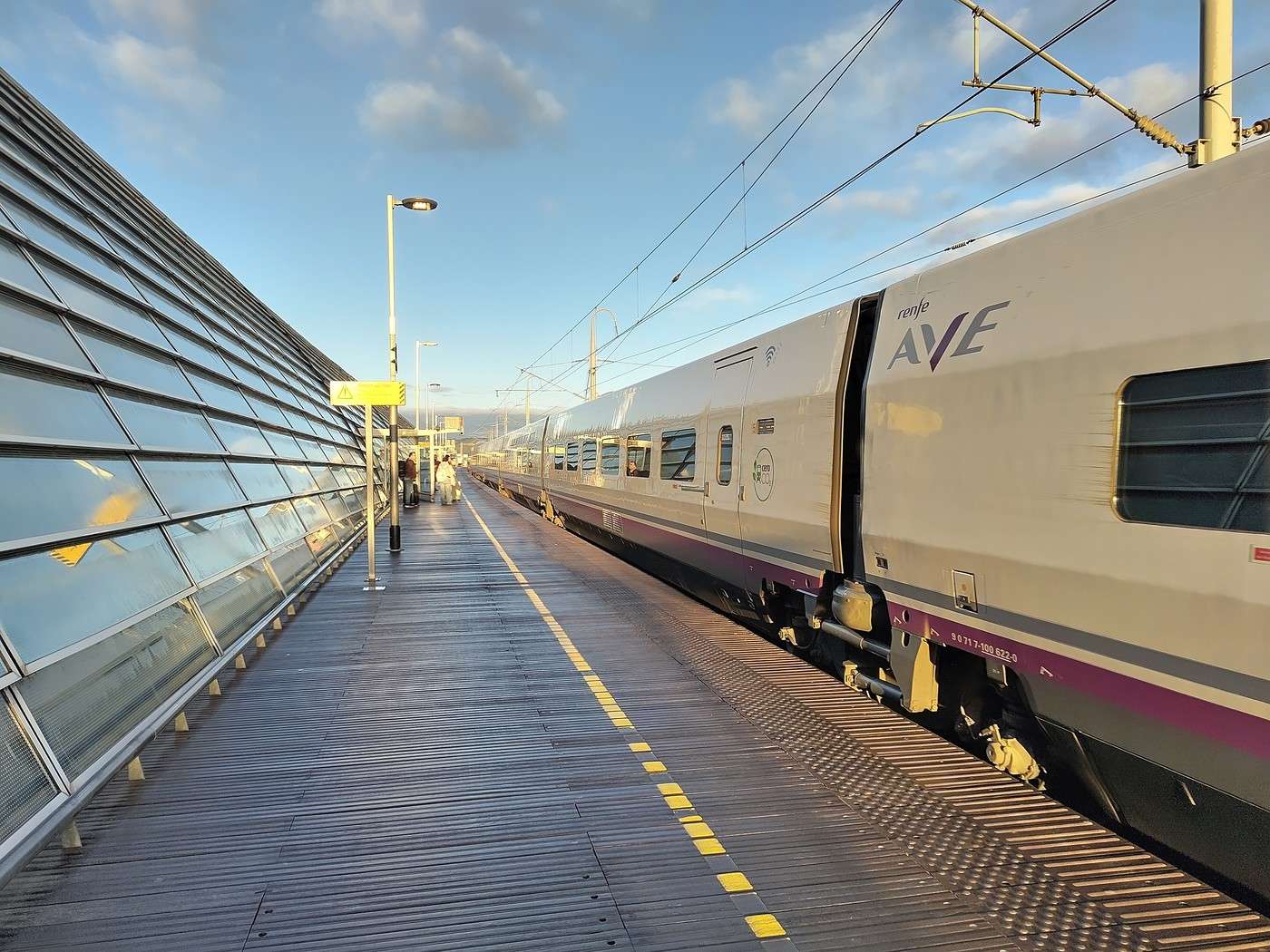
Every morning, a Spanish "AVE" (Alta Velocidad Española) high-speed train connects the cities of the Mediterranean arc between Marseille and Perpignan to Madrid in just a few hours, making it possible to reach Andalusia the same day. With its massive airport-like stations and extensive network (the largest in Europe), Spain’s high-speed rail is highly developed. The EU’s push for competition has whetted the appetite of neighboring companies—SNCF and Trenitalia didn’t hesitate to grab a slice of the Spanish pie. So, in the EU’s fourth-largest economy, you can zip around with RENFE, Ouigo, or Iryo. But the horrific mid-January derailment in Andamuz (46 dead, over 150 injured) has left the country in shock. How could such a disaster happen? The ongoing investigation will have to provide answers. In the meantime, the network is adapting—trains are slowing down where doubts linger. On the severed section in northern Andalusia, a bus shuttle has been set up.
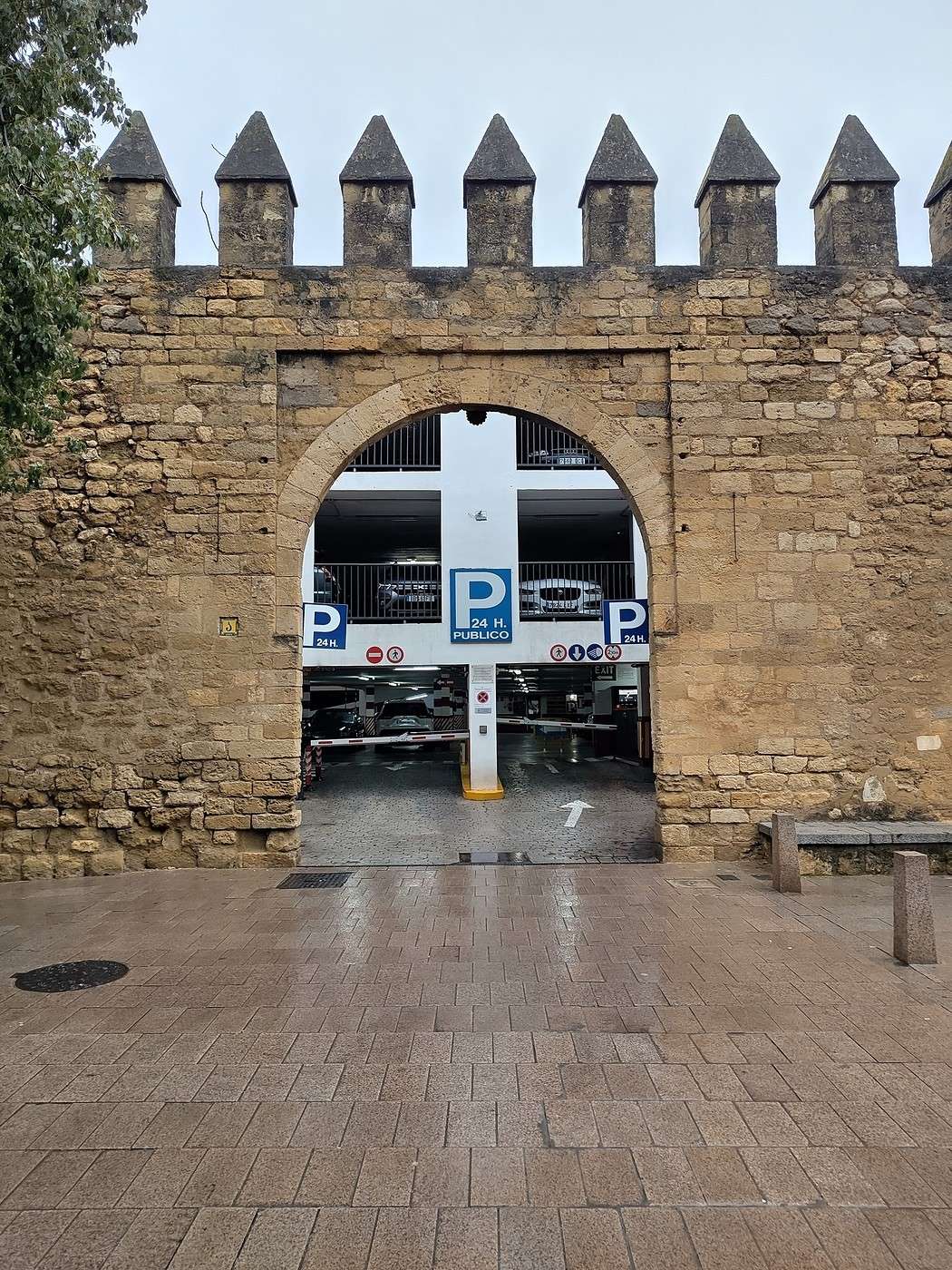
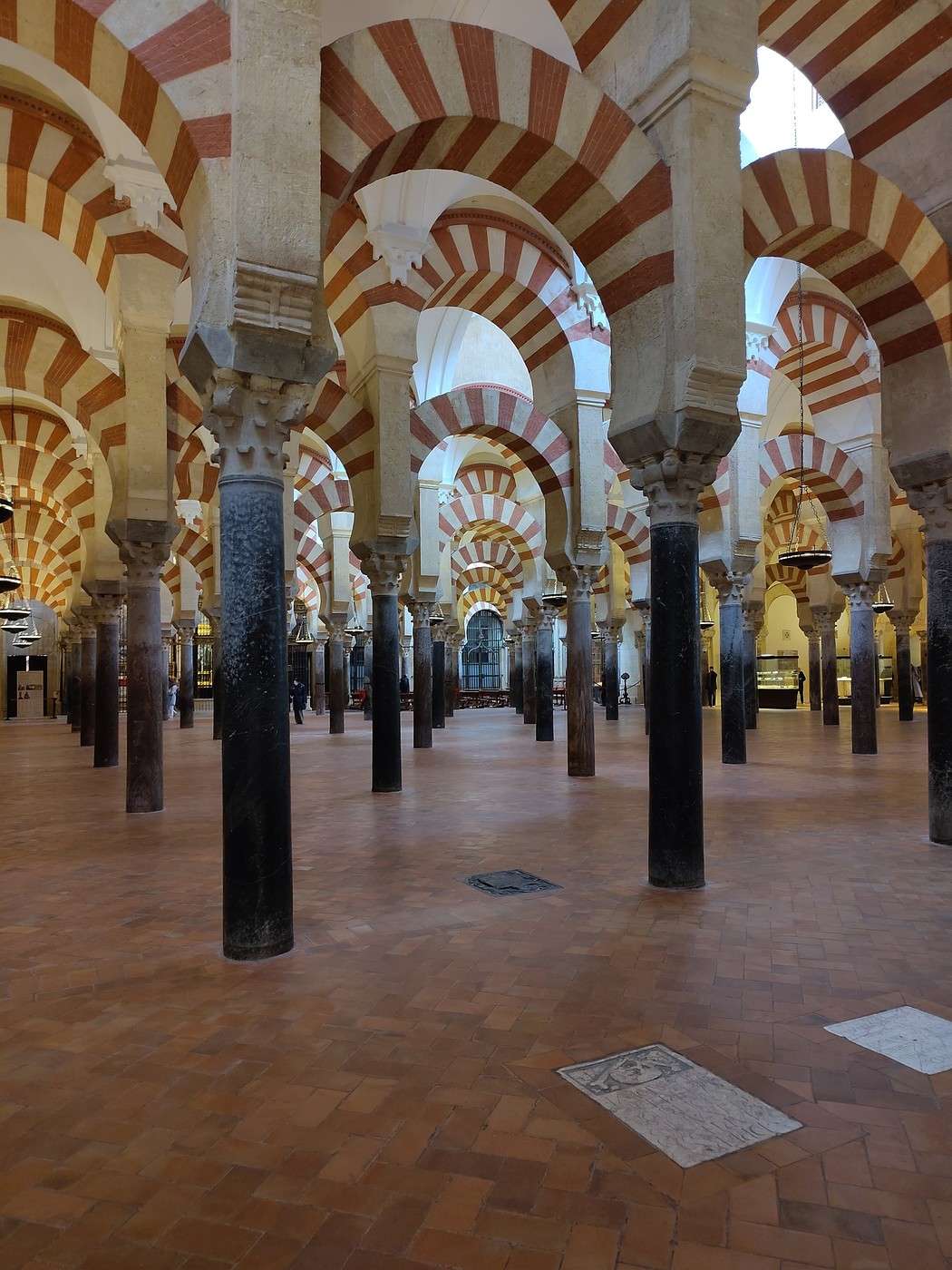
After two AVE rides, I arrive in Córdoba by road late on Tuesday, February 3rd, under torrential rain. Southern Spain is enduring a very wet winter. The next morning, Córdoba is all about the water. The rain won’t stop, and everywhere, the threat looms—the Guadalquivir River is overflowing, streets turning into rivers. The country is still traumatized by the floods in Valencia less than two years ago. Andalusia is taking precautions: schools and public buildings closed, all trains canceled, ferries suspended. My plan to reach Morocco that day is postponed. I wander through the rain in the birthplace of Seneca, skirting the walls that the city has struggled to build over time. I visit the monumental Mosque-Cathedral, which has seen faiths come and go throughout Arab-Andalusian history. Officially Catholic since 1236, it’s been at the center of controversy in recent years, with the Arab League and the Islamic Commission of Spain demanding that Muslims be allowed to pray there. The bishop of Córdoba has repeatedly said no. With 23,000 m² and a thousand marble columns, space certainly isn’t lacking...
Next, I head to Málaga. The land is no longer thirsty and makes sure everyone knows it: on either side of the highway, fields have turned into vast lakes. Only the occasional olive groves remind you this is southern Spain. Yet the winter storms don’t stop anyone from flocking to the Costa del Sol’s capital—even midweek, Málaga’s bars are packed. In one of them, I meet Yoram, 41. A Frenchman who’s lived here for two years, he spent four years in Barcelona but left, he says, after "seeing it all." A developer for Lufthansa’s website, Yoram works fully remote. He just bought an apartment in Málaga and would’ve loved to rent it out on Airbnb while he’s away—the local demand is huge—but no luck: the city isn’t issuing new licenses (facing resident frustration, Spanish municipalities have taken steps to curb "overtourism"). Why Málaga? The climate, the vibe, the proximity to nature, and real estate that’s more affordable than Barcelona. Plus, the airport is super accessible from downtown and offers a great range of destinations. Yoram travels far several times a year—tomorrow, he’s off for a two-week trip to Brazil. He’s one of many Northern Europeans who’ve migrated to this attractive south, in Andalusia or Portugal, while keeping well-paid jobs and plenty of travel freedom. The best of both worlds.
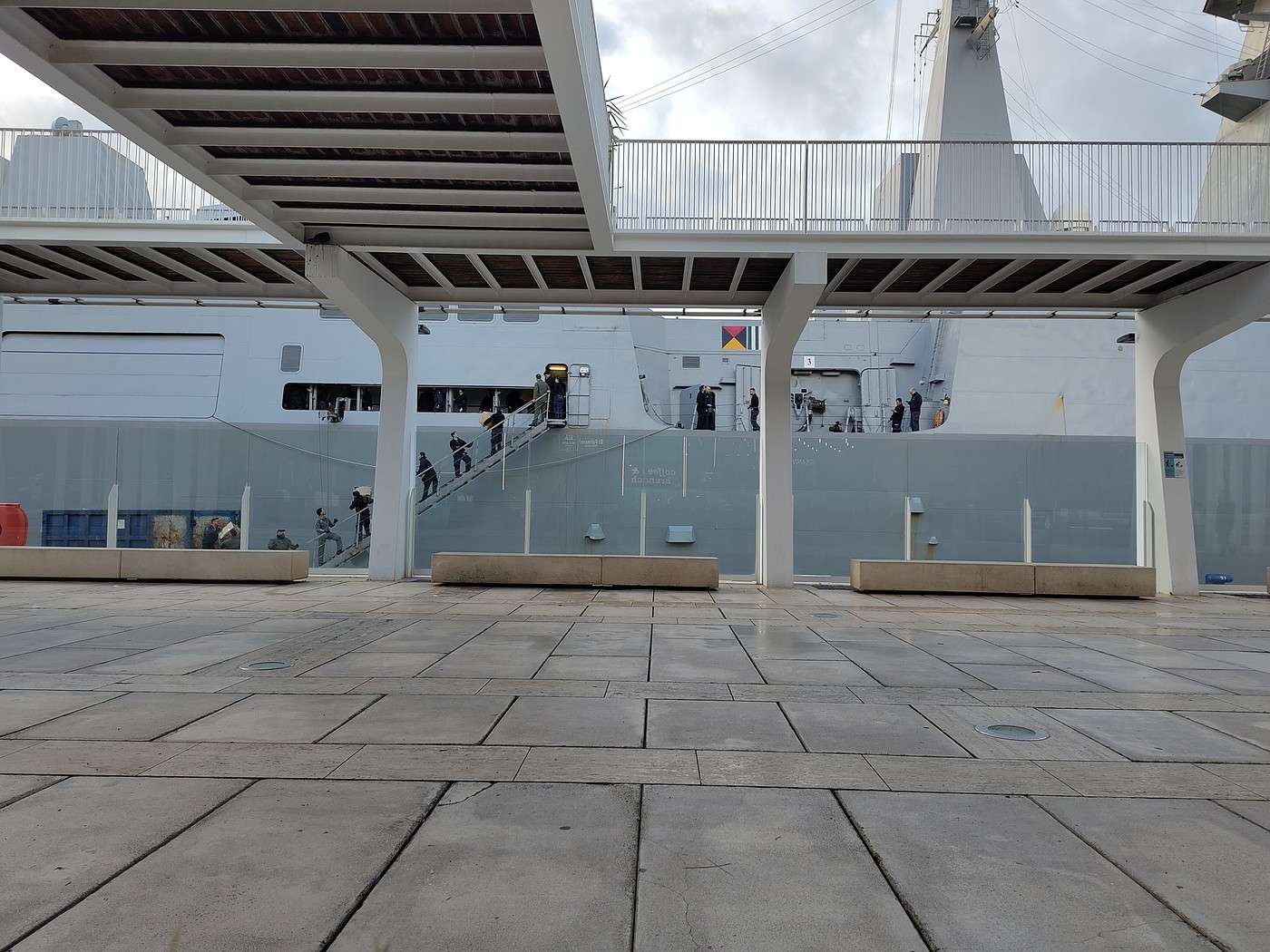
Thursday, February 5th, the sky keeps pouring over Andalusia. At sea, the swell makes any boat trip extremely risky. Morocco, so close, remains out of reach. I stroll along Málaga’s port, where the Italian military frigate *Andrea Doria* has just docked. It’s stopping here before heading to Northern Europe for "Orion 26," a military exercise on a scale unseen since the Cold War, coordinated by France (3 months, 12,500 troops, 25 ships). On deck, sailors efficiently dispose of waste, clearly in good spirits. The newspaper Malaga Hoy reports they’ll open the ship to visitors this afternoon.
While waiting for war, I visit Plaza de la Merced and Picasso’s birthplace. The painter, son of a painter, was born here in October 1881. His mother predicted a bright future: "If you become a soldier, you’ll be a general; if you become a monk, you’ll be pope." Playfully, he later added, "Instead, I wanted to be a painter, and I became Picasso." *Guernica*, one of his greatest works, makes me want to kill time during the remaining travel hours with a podcast from "2000 Years of History" on the Spanish Civil War. "In a civil war, even victory is a defeat," Patrice Gélinet opens his episode with this chilling line from the Latin poet Lucan. He reveals much about this period—the surprising coalition behind Franco, the interventions (or lack thereof) from neighboring countries... This murderous madness (500,000 dead, maybe more) ushered in Francisco Franco’s 39-year rule.
Algeciras, the final Spanish stop, is finally near. In this strategic strait, where 100,000 ships pass yearly (20% of global maritime traffic, 75% of Europe’s imports), history has left a few scraps of sovereignty. The British hold a piece of Spain with the Rock of Gibraltar, while across the way, the Spanish cling to their two enclaves, Ceuta and Melilla, long claimed by Morocco. To ease travel, helicopter links have even been set up. From Ceuta, residents can reach Algeciras in just 10 minutes for less than 30 € (three times that for non-residents). Spain isn’t letting go of its scraps.
From the bus station, I rush to the ferry terminal: after 48 hours of disruption, the first ferries are finally departing. Trucks and cars pile into the port, and at the ticket counter, passengers scramble for spots. I manage to get a ticket to Tangier, though I’m not sure when the boat will leave. The wait promises to be long, so I chat with the other passengers—almost all Moroccans returning home. Everyone is loaded down: a bike, a ladder, decorations... It’s not just a trip; it’s a move. Those going back have to think of family—you don’t return empty-handed in Morocco. You spoil the others.
Among the passengers, I meet Anas. He works in northern Spain maintaining forests. Anas grew up in France for a few years without becoming French, then returned to Morocco to build a life—married, had a child at twenty-one. A normal life in the small town of Youssoufia, where he was born. Then COVID hit, bringing hardship and the desire to give his son Mohammed a better life. So Anas crossed the Mediterranean again, heading to Spain like thousands of others, on an illegal boat. Near Málaga, he found work in the fields right away. At just 26, his body is honed by boxing, which he practiced diligently in Youssoufia. A boss noticed him, offered to train him to move from vegetables to trees. Anas took the chance, left the Andalusian greenhouses where many other Moroccans work, and headed north—into a colder, wetter Spain. He found himself the only foreigner among foresters. The work is tough but pays well. Anas prunes trees in Spain to secure a future for his son Mohammed back in Morocco. He misses his son, yet he’s barely a thousand kilometers away as the crow flies. But the years pass without seeing him—without Spanish papers, returning to Morocco would be a one-way trip, or rather, a no-return trip. Then, in late 2025, liberation: Anas finally gets a residence permit. When he left Youssoufia, Mohammed was 4. He’ll turn 10 in a few weeks. Anas shows me photos. Deprived of his son for six years, he’s trembling with impatience, unable to sit still. His journey started three days ago. He crossed Spain by bus, waited two days at the port for a miraculous ferry departure—he’s exhausted, but his joy is intact, unshakable. Listening to his story, I grasp the immense relief that Spain’s recent announcement of regularizing 500,000 undocumented workers will bring.
That evening on board, there are many more Anases. Even among those with residence permits for longer, tired bodies and overflowing luggage tell the story of lives forced to cross the Mediterranean just to earn a living. Redouane, for example, picks fruit in the Po Valley. He returns to Beni Mellal once a year to see his wife and kids. He’s traveling with an absurd amount of luggage, so I help him through the ferry’s various stages (baggage checks, passport control, boarding, and the reverse on the other side). After Youssoufia, I now have a second host family in Beni Mellal. If I hadn’t planned to head to Senegal—and thus needed to move south quickly—I could’ve easily organized a Moroccan trip based solely on these encounters in the strait.
From Tangier to Tarfaya, I crossed the country by train and bus, stopping in the economic capital, Casablanca, in Tiznit—a peaceful town about a hundred kilometers south of Agadir—and in Tarfaya, the last small town before the Sahara. I’ll tell you about the transformations in the economic capital, the irresistible sense of freedom in the air, and the history of the Aéropostale.
In the middle of the Strait of Gibraltar, the boat rocked for much of the night. On board, everyone tried to snatch a few hours of sleep, a necessary rest for those—many of them—whose journey would continue far beyond Tangier. The crossing was so rough that it took nearly five hours instead of the usual two. Finally, the massive port of Tangier Med welcomed us. To reach the city center, about thirty kilometers away, I shared a taxi with Nora, a young Frenchwoman traveling from Paris to Casablanca, also avoiding air travel. She was joining her father, who had been working there for a year on a seawater desalination plant project—a forward-looking subject in the Kingdom.
The sun hadn’t yet risen when we arrived in the city center. Nora went off to explore the city, while I boarded the first train of the day to Casablanca. The Moroccan TGV closely resembles the French one, except for its name, *Al Boraq*, referencing the winged creature that carried the Prophet Muhammad from Mecca to Jerusalem, giving it a local touch. Since 2018, Al Boraq has cut the travel time between Tangier and Casablanca to two hours. In the double-decker cars, a few Tangier professionals commuted to the capital, a daily migration that reminded me of the morning rush between Lyon and Paris. On board, announcements were made in Arabic and English. Welcome to modern Morocco.
Casablanca
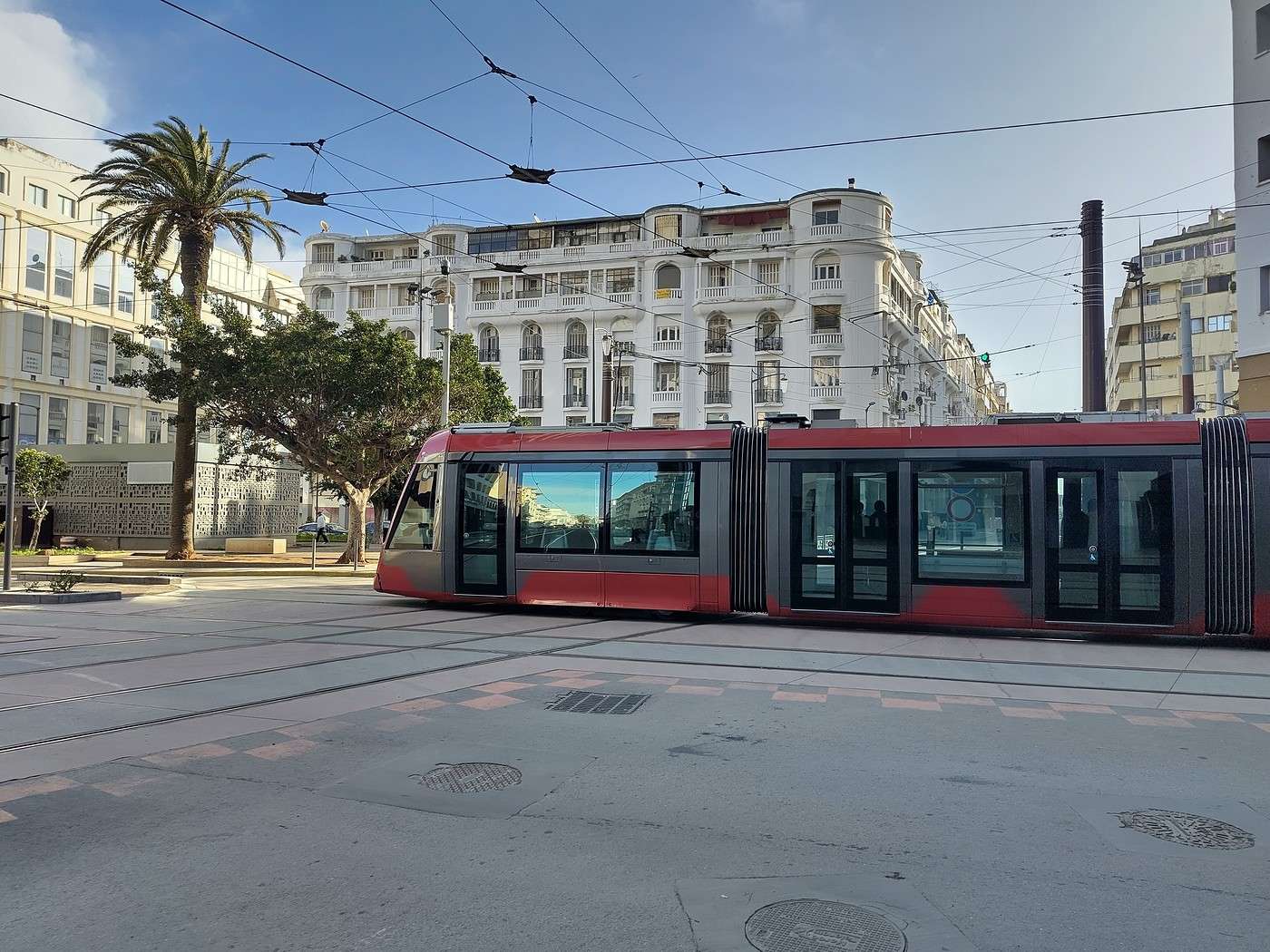
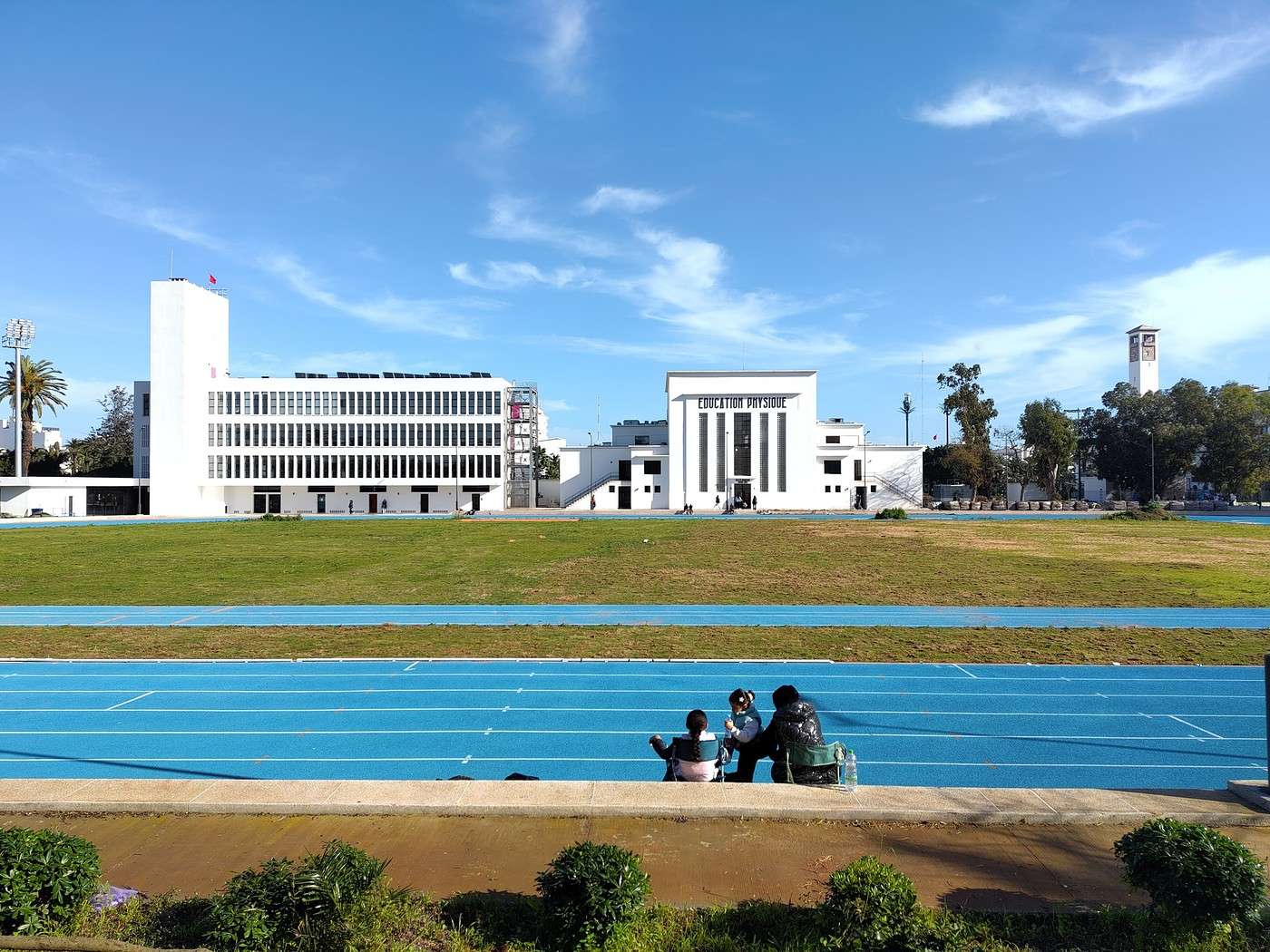
In Casablanca, the Art Deco buildings in the neighborhood stood out against the clear morning sky, accompanied by the sound of car horns and tram bells. I explored the city on foot. The country’s economic capital (the metropolitan area has 4.5 million inhabitants) was also a major colonial city. In 1955, a year before the end of the French protectorate, Morocco had 350,000 French residents. That’s certainly fewer than neighboring Algeria, which was then a French department (1.1 million *pieds-noirs* at the country’s independence), but it’s still significant for a country that had barely 10 million inhabitants at the time (37 million today). The colonial presence left a major urban footprint in some neighborhoods, as well as other markers that might make passersby smile: on Boulevard Mohamed V, the restaurant *Le Petit Poucet* has been there since 1920, still offering its French brasserie specialties, promising *bourgeois cuisine* and *Burgundy snails*; on Rue Pierre Parent (a short-lived deputy for the French of Morocco between 1945 and 1946), you’ll find *Quincaillerie Guillot*, bought by a Moroccan investor in the 1970s but keeping its original name. In the same neighborhood, you can stroll down Boulevard de Paris or Boulevard de Strasbourg, and Victor Hugo or Émile Zola still have streets named after them. While the statue of Marshal Lyautey, the military figure behind the establishment of the French protectorate in Morocco and a key colonial negotiator, no longer stands in the city’s main square (now United Nations Square), it remains a point of contention: placed in the French consulate’s garden but visible to all, a recent petition demands its removal from Morocco. Will Lyautey on his horse, brandishing his marshal’s baton, join the other bronze Lyautey, enthroned, chest puffed out, head held high, proclaiming Lorraine patriotism in the middle of Paris’s 7th arrondissement? The twists of history will tell. For many, these historical quirks are just relics of a distant past that doesn’t matter much anymore. The average age in Morocco is 30, compared to 43 in France: the generation shaping today’s Morocco and aspiring to build tomorrow’s has left its parents’ history far behind.
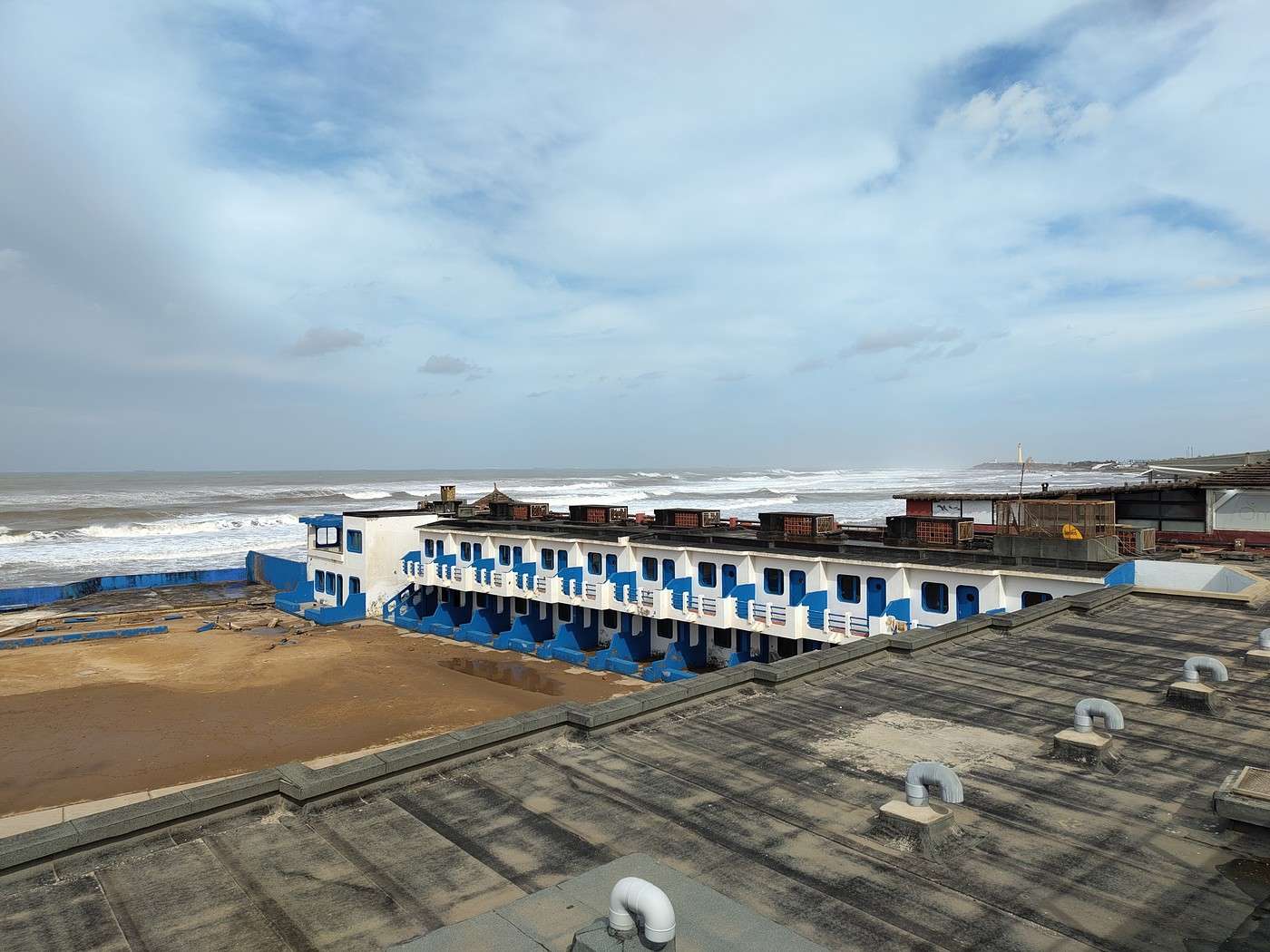
The Anfa district confirms that the city is writing its future far from colonial vestiges. Where the historic airfield once stood—where Aéropostale pilots landed their old Breguet 14s—a new city is rising. It’s set to house 100,000 residents and create 100,000 jobs. The tramway runs through this new neighborhood, largely completed and inhabited. The recipes of the modern world are applied here as elsewhere: glass, cement, wide sidewalks, green spaces, bike paths. This standardized, functional, and monitored environment contrasts sharply with the bustling medina. I quickly escape to the ocean, just a few tram stops away.
That evening, in a bar next to the Rialto—a historic cinema now closed—I meet Zouhair. We chat in English: in Morocco, French has lost favor among the younger generation, who prefer the now-universal language. Never mind that, almost everywhere, from forms to road signs, everything is still in French. At 22, this young Moroccan had just quit his job at a jewelry store that same day. Too many issues with the boss, never satisfied but always demanding—too poorly paid, too, at barely 100 dirhams a day (9.22 €)—in Morocco, the average monthly salary is 300 €. When I ask what he’ll do next, he smiles, raises his beer. We clink glasses. Though he shares their demands, Zouhair wasn’t part of the massive Gen Z protests a few months ago. He tells me the youth unemployment rate is stratospheric (48% for those aged 15–24, compared to a 17% average). To supplement his jewelry store job, he designs clothes—kimonos—imagining their shapes and patterns, then his mother sews them. Through a contact, he sells them in a boutique in Spain.
Zouhair is gay: his mother suspects it, giving him unmistakable *be careful, my son* warnings, while his father is outright homophobic—best he never finds out. Here, he met a Spaniard who fell head over heels for him. His suitor is 45, lives in Valencia, and often returns to Casablanca. And he wants to move fast—*very* fast. He’s about to propose, offering a choice between Mexico and Thailand for the honeymoon. Zouhair smiles—marriage is clearly not in his plans, yet at the same time, he’d gladly leave this country where it’s so hard to be yourself (Morocco’s penal code punishes *unnatural acts* with 6 months to 3 years in prison). His story reminds me of Abdellah Taïa’s novels, a Moroccan writer whose largely autobiographical work had struck me during my last trip to Morocco (*The Bastion of Tears*, *Salvation Army*). Nearly 20 years ago, when I discovered my homosexuality and started traveling, it seemed obvious that tolerance would only grow. That freedom was the natural horizon for sexual minorities worldwide. I was wrong—spectacularly wrong. In many parts of the world, there are still people who decide how you should live your sexual life. The power of norms, the strength and resilience of traditions and values. And the misery of lives forced to hide, to lie, to deceive themselves. In the countries I’m about to cross, the situation isn’t improving—it seems to be getting worse. Like other struggles for emancipation, the road is long—too long.
Tiznit
On Saturday, February 7, I board a train for the very last leg of my rail journey: after Marrakech, the trip will continue on wheels and roads. In the cramped, packed eight-person compartment, my neighbor Aicha returns all smiles from a trip to Dubai, where her daughter works. We talk about the Atlas Mountains, which she crosses regularly to visit her two sons in Ouarzazate, about the snowy winter that’s made the Tizi n’Tichka pass impassable—the road linking the city to the middle of nowhere, nicknamed the *Hollywood of Africa* for its film studios. I help her with her enormous suitcases as we get off the train, then almost immediately board a bus heading south. Six hours later, it drops me off in Tiznit, a town of 85,000 about a hundred kilometers south of Agadir.
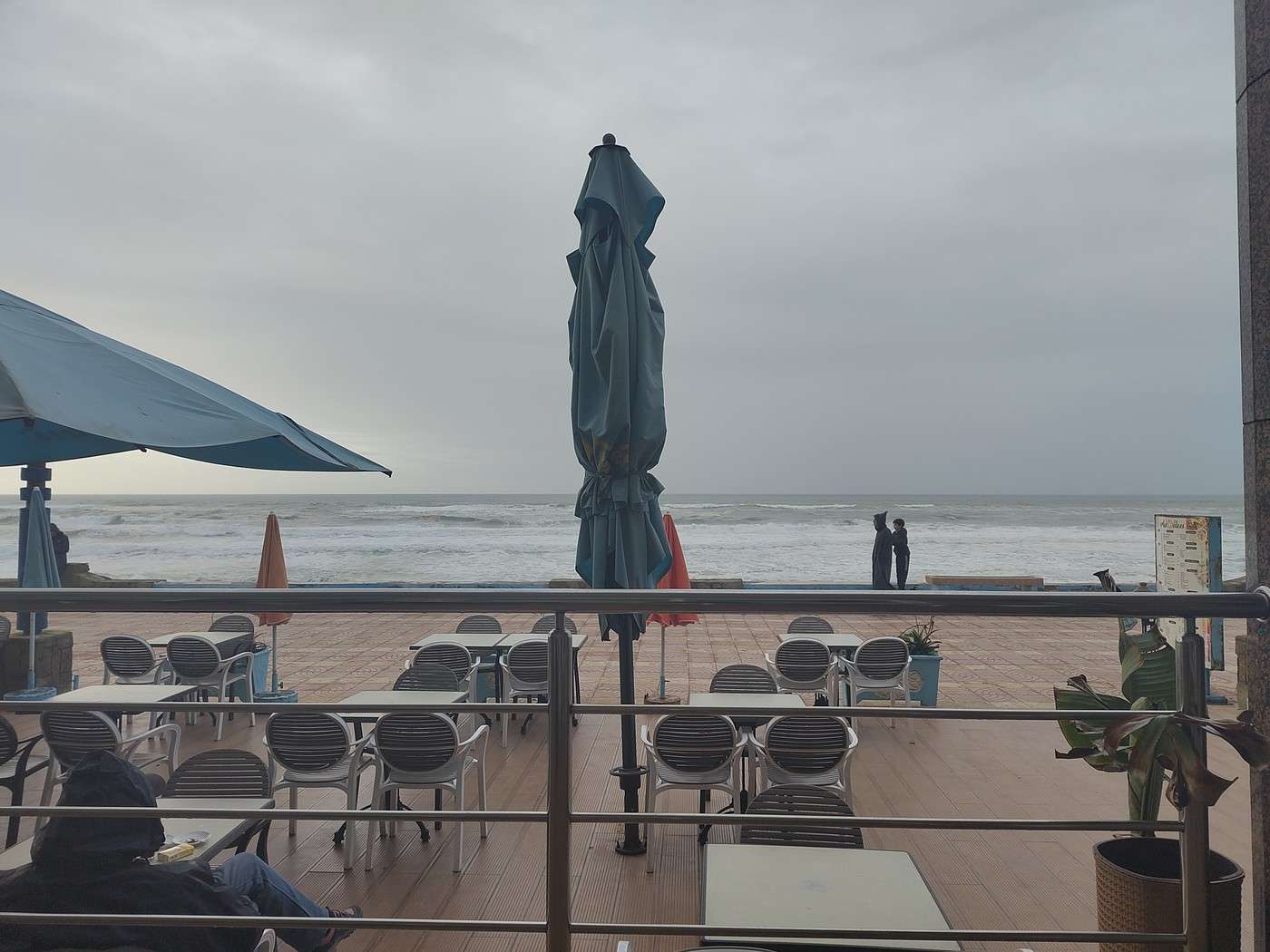
The town doesn’t have much to offer passing tourists, aside from a nicely renovated section of the kasbah and a spring. The tourists I share my breakfast table with—a retired German woman and a Hungarian man on vacation—exchange their best tips on what to do and see in the region and advise against the beach in Aglou, 20 kilometers away, which they say is uninteresting. Always curious to see what hasn’t caught my fellow travelers’ attention, I head west, running past construction sites and ghost villages. On the small hill overlooking Aglou, a thick fog surrounds me. Silence reigns, broken only by the occasional cry of a goat or the ocean crashing onto the vast beach below. Aglou is a classic seaside resort with its pier, beach, cafés, and restaurants, where locals stroll with their families, much like the people of Montpellier enjoy doing on Sundays in Palavas-les-Flots. Nothing exceptional, but the quiet simplicity of the place. From the cheap café, you could spend hours watching the waves crash onto the shore.
The region is also a paradise for campervanners from all over Europe. You can’t miss them: the little white houses on wheels, mostly registered in France and Germany, travel the roads and towns before settling into the local campsites (during my visit, the one in Tiznit was fully booked). Usually, it’s a retired couple spending the winter in the sun. The husband drives while the wife photographs the exotic landscapes. Some even bring bikes, a motorbike, or even a small car on a trailer. A long-announced maritime link with the Canary Islands might one day allow them to reach the Spanish islands. For now, the campervanners live among themselves, spending their days as they would in any European campsite.
On Monday, February 9, at four-thirty in the morning, I wait desperately for a bus that never arrives. Sitting on a piece of the sidewalk, I wait for two full hours, just in case the bus from Fez is late. The neighboring shopkeeper, very kind, tries to help. I’m in the right place, but the bus, covering 1,400 km, barrels through the night without regard for the lone passenger stranded in Tiznit. Later that morning, the agency confirms the driver simply forgot me. I’ll board the next one, in the middle of the day. A day of waiting and travel, but also an opportunity to dive into Jean Mermoz’s life through the biography written by Joseph Kessel. I discover the man who gave his name to a Lyon neighborhood—his arrival in the young air force in Istres, his formative stay in Palmyra, in the middle of the Syrian desert, his odd jobs, and finally his revelation as a great pilot at the dawn of the Aéropostale, the company that aimed to carry mail from France to South America. I realize my itinerary almost mirrors that of the planes of the time: after the first route Toulouse–Barcelona–Malaga–Casablanca, the pilots connected Casablanca to Dakar via Agadir, Cap Juby (Tarfaya), Villa Cisneros (Dakhla), Port-Étienne (Nouadhibou), and Saint-Louis in Senegal (before, in 1925, Rio and Buenos Aires).
Tarfaya
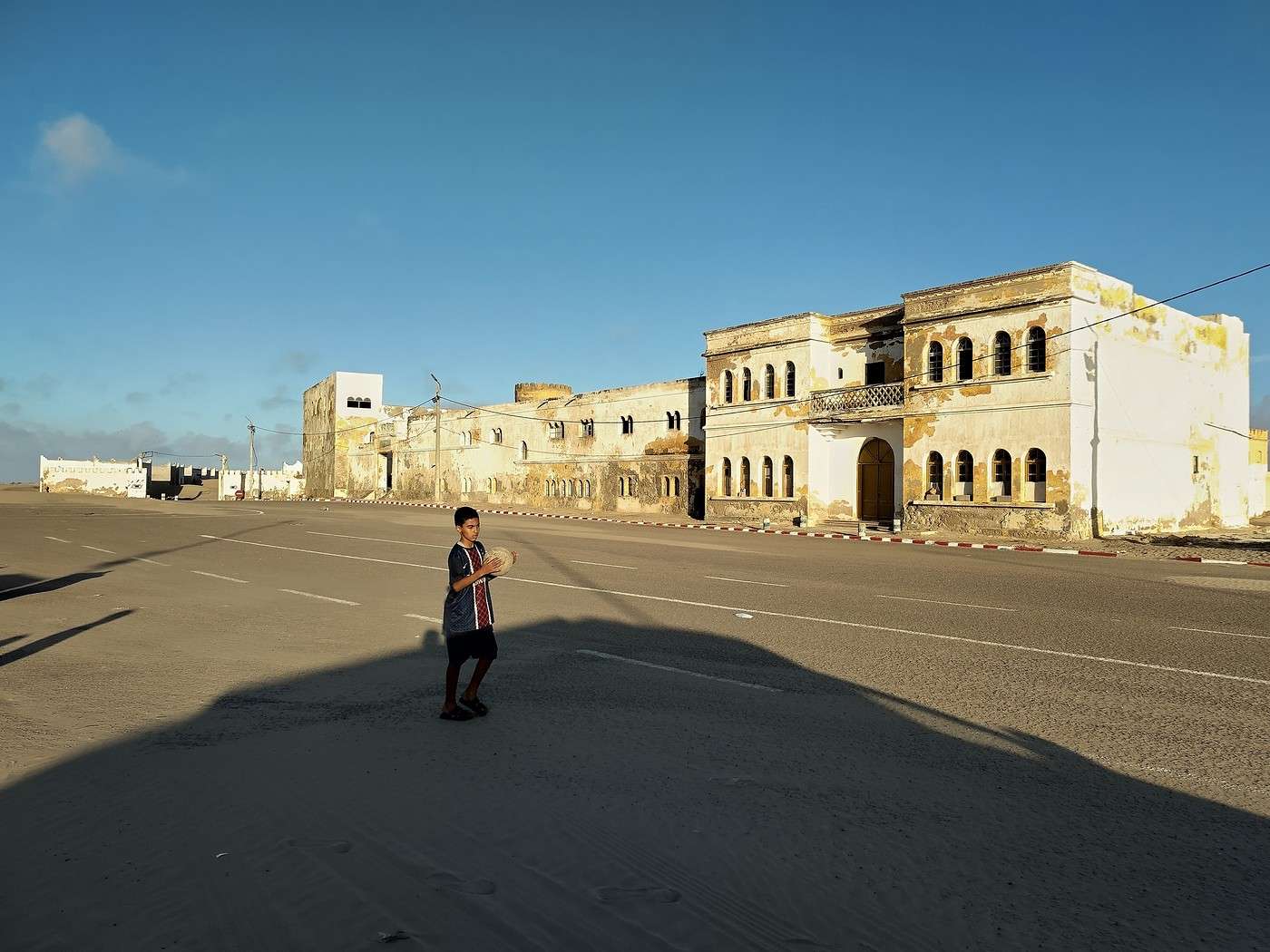
In Tarfaya, I arrive in a small wind-swept town where children’s ball games echo. The southernmost town in Morocco (excluding the Western Sahara provinces), the wind, sky, sand, and sea confirm I’ve entered another world. The light, very bright, dazzles me. By chance, my reading that day coincided with Mermoz’s arrival on the Casablanca–Dakar route as I reached Tarfaya. So, lulled by this history, I explore the town, spotting a few historic buildings, including the former British colonial trading post that later became a Spanish prison. Cap Juby was a stop on the Aéropostale route: Saint-Exupéry spent 18 months here and wrote *Southern Mail*. I search for the airfield’s runway, venture onto a patch of sand-covered tarmac, then get chased away by stray dogs guarding their territory. Tea in hand, I continue reading in the magical evening light that gives the whole landscape a different intensity. But it’s in the lives of Jean Mermoz and his fellow pilots, in their 1920s adventures, in the madness of crossing the desert in precarious aircraft without radios, that I’m immersed for now. This Kessel book? Dated, colonialist, misogynistic, a French friend tells me. Nothing to take from it. I smile. I read it as a nearly century-old work (published in 1937), a magnificently written historical account.
The next day, I visit the small Saint-Exupéry museum. The guard opens the room on request. Panels and photos tell the story of the Aéropostale, Cap Juby, and the pilots who passed through. Everything is in French, yet when I browse the guestbook, I’m surprised by the incredible diversity of languages. The reason lies behind the success of *The Little Prince*, the world’s most translated book. Saint-Exupéry is a global star.
That evening, I stay with Sanae in a house under construction on the edge of town. When I arrive, she’s helping children with their homework in a tiny classroom next to her house. Online, she didn’t give her real name or exact address: a woman alone doesn’t just welcome passing travelers, especially not single men. Sanae laughs at the situation. She’s one of those who’ve decided to distance themselves from the norms that keep women under wraps, and she seems determined to claim her freedom.
Episode 3 – Western Sahara, from Tarfaya to Guerguerat
To enter Western Sahara, no visa is needed. No passport check either. And for good reason: there’s no border. The territorial boundary between Morocco and Western Sahara is well-known: on maps, it’s that dotted line drawn straight across the desert from east to west. That line that’s piqued the curiosity of generations of schoolchildren. Does it signify a disagreement over the exact position of the border? After all, one side might demand a less precise line—just because you’re in the middle of the desert doesn’t mean you have to carve up the territory with a pencil or an axe. A more nuanced approach might make sense. You’d imagine the two countries engaged in intense negotiations, endlessly debating the position of the border markers.
But we’d be wrong, because here the debate is settled: Western Sahara is a province of Morocco. The country doesn’t hide this from its schoolchildren. On the maps used throughout the Kingdom, there have never been—and never will be—any dotted lines. The southern border lies far to the south, near Nouadhibou in Mauritania. And anyone foolish enough to draw dotted lines would face vigorous reactions.
It’s aboard a royally comfortable bus, seated alone at the front in the best seats, that I cross the dotted line. In the tiny commune of Tha, there’s indeed a roundabout, even a monument, which the bus drives through without really slowing down. The crossing of the Sahara can begin.
In the afternoon, the bus stops for lunch. The fast-food joints and Autogrills that populate the dreary rest areas of French highways pale in comparison to these little roadside eateries where tagine and mint tea are always ready, sitting on the counter for hungry passengers disembarking from buses. Over a camel tagine, I meet Zoubir. Nearly 24 hours after his departure, this computer science student from Rabat is nearing the end of his journey. With undisguised joy and passion, he tells me about his city, Laâyoune, where his family settled decades ago. A modern city, constantly evolving, he says. After his studies in Rabat, Zoubir wants to travel abroad and then return to Laâyoune, his home. But the north of the country? No thanks.
After finishing the camel kefta (do we often find the humped animal on the menu here? All the time! Zoubir answers with a laugh), we inevitably discuss the sensitive issue of sovereignty over this 272,000 km² stretch of desert (half the size of France) where nearly 700,000 people live. But Zoubir doesn’t see what’s so sensitive about it: identifying as both Moroccan and Sahrawi, he’s part of the population claiming this dual identity. Yes, his parents came to Laâyoune from their village, yes, they’re Sahrawi. And Moroccan. And a bit Spanish too, since his father has been working for a while in the Canary Islands (the archipelago is barely 100 km from the Moroccan coast). What’s the problem? I smile, because there’s been an open conflict here for a long time, one that’s hard to ignore. After Spanish occupation (which, despite repeated international pressure, only ended with Franco’s death in 1975), Morocco immediately claimed sovereignty, even organizing a “Green March” with 350,000 civilian volunteers heading to the Sahara. In response, the Polisario Front, a Sahrawi movement backed by Algeria, proclaimed the Sahrawi Arab Democratic Republic (SADR). A war tore the region apart, killing nearly 10,000 people over a decade, until the 1991 ceasefire and the creation of the United Nations Mission for the Referendum in Western Sahara (MINURSO). And since then? Contrary to what its name suggests, no referendum has been held. Instead, 200,000 Sahrawi refugees have been stuck in camps in southern Algeria, and Moroccan colonization has intensified. With a formidable diplomatic strategy: in 2020, the United States traded its recognition of Moroccan sovereignty over Western Sahara for Morocco’s recognition of Israel in 2024. Sniffing out obvious commercial opportunities, France eventually removed the dotted lines too. They’re now talking about an imminent resolution to the conflict in Morocco’s favor. End of story.
Laâyoune
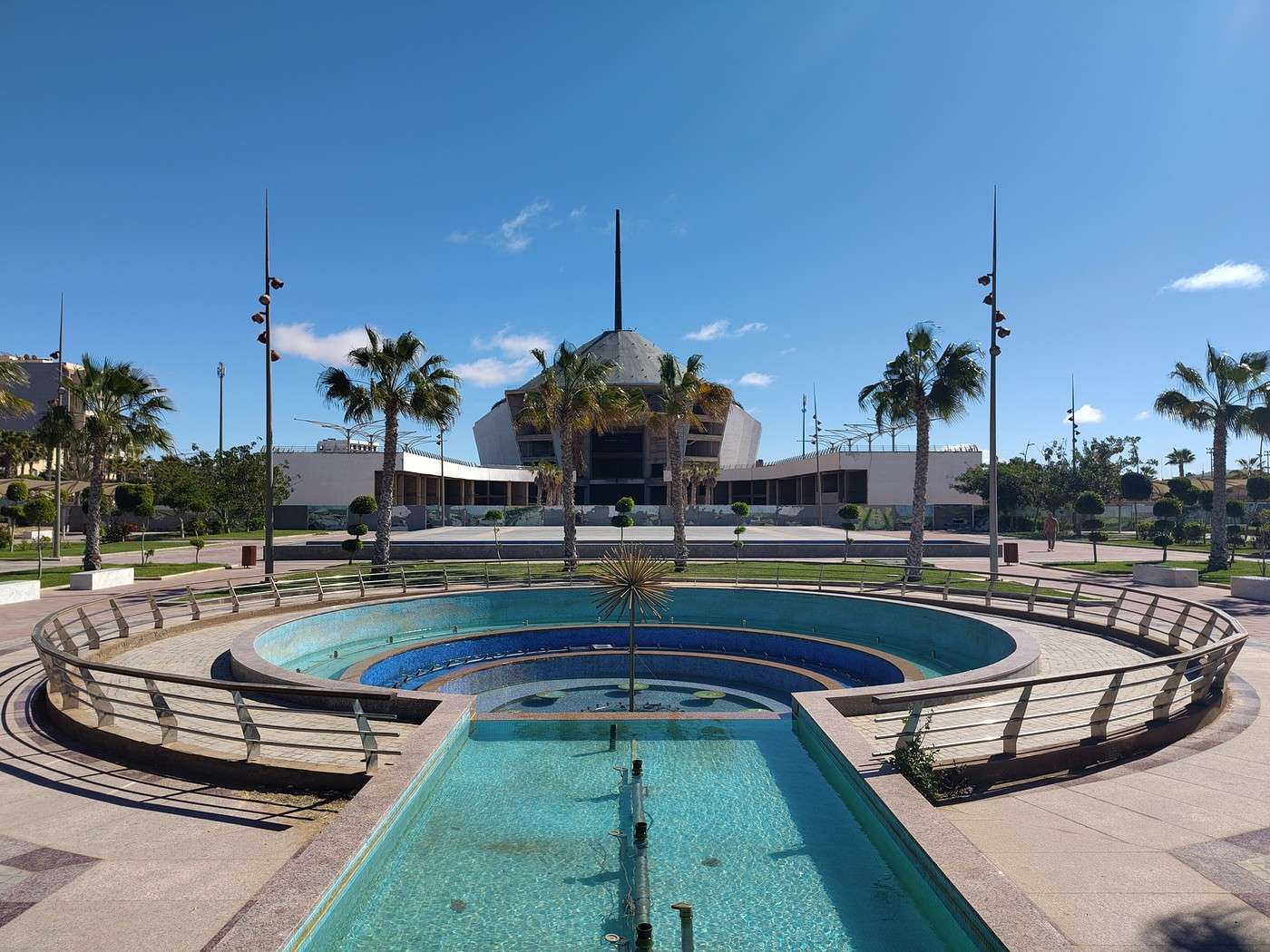
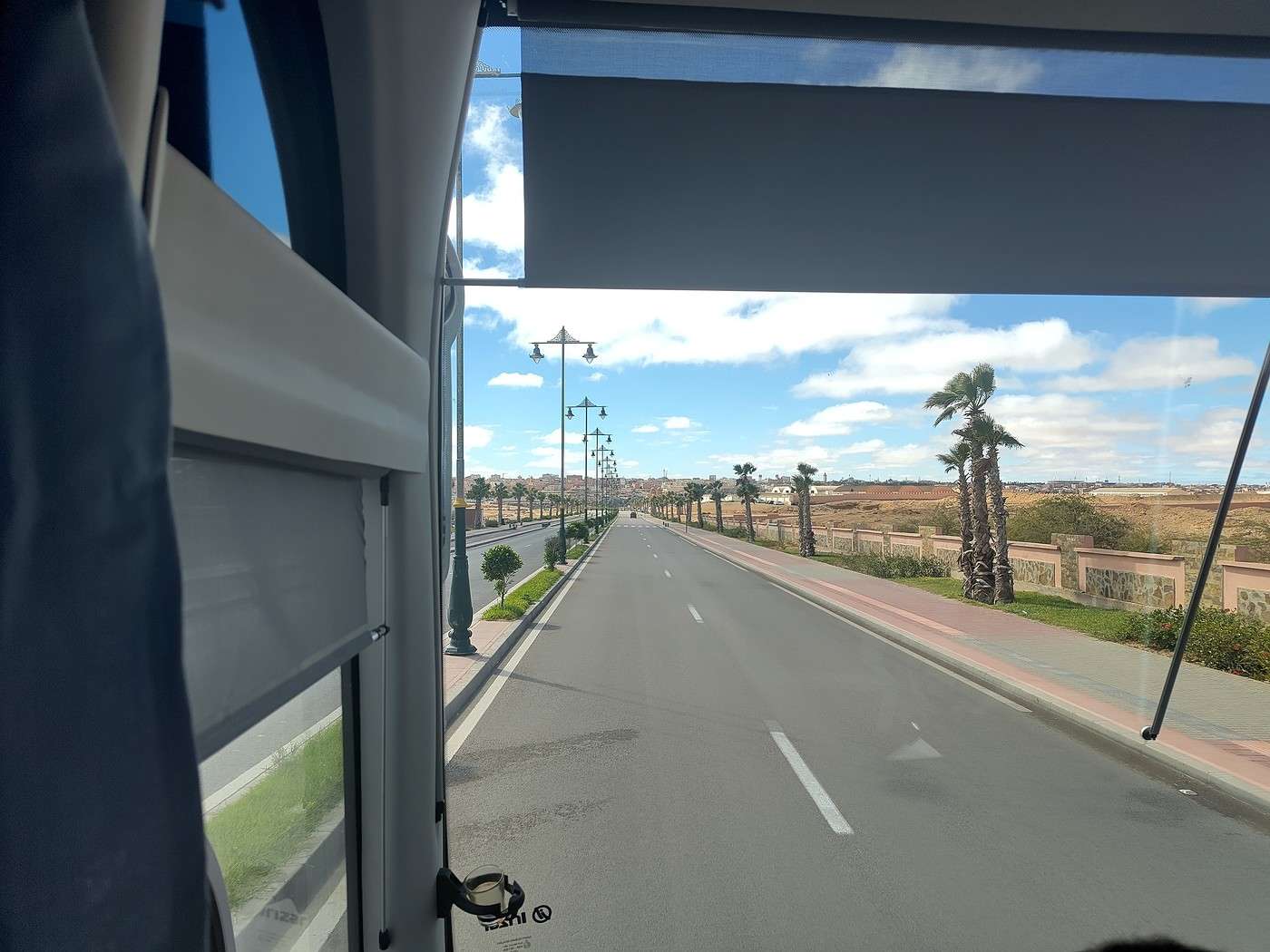
Arriving in Laâyoune is surprising: a huge palm-lined avenue, several kilometers long, with wide sidewalks and a bidirectional bike lane separated from the road, marks the city’s entrance. But for several kilometers, the avenue faces the desert. Emptiness. Laâyoune may be modern, but the colonial will to mark its grand work is downright grotesque. In the city center, the vast, meticulously maintained public spaces contrast with some of the city’s sand-covered neighborhoods. On Oum Saad Square, massive decorative fountains stand next to the brand-new municipal theater. The Kingdom’s investments don’t stop there: after opening a convention center, a university, and an Olympic-sized swimming pool, a university hospital is under construction to the east, while the country’s longest bridge is being built to the west. Public facilities and government buildings are prominently displayed. And to encourage Moroccans to settle here, the government hasn’t skimped on dirhams: civil servants receive bonuses that can double their salaries, businesses and households benefit from numerous tax breaks, and fuel is tax-free...
During my walk, I stumble upon the Sahrawi Arts Museum. Given the context, I’m curious to see what it exhibits. Disappointment right at the entrance: since 2018, the place is no longer a museum—it’s now a library. They let me visit anyway. Upstairs, in a large, bright room, a studious silence reigns among the students present. I browse the shelves. Most of the books are in Arabic, but a few sections are reserved for French books. In the History section, I find mainly works by French authors about Morocco, going back to Pierre Loti’s travelogue (*Au Maroc*), published in 1889... I leave the room under the gaze of King Mohammed VI, who waves in a djellaba and sunglasses, his enormous portrait towering above the shelves.
To reach El Marsa, Laâyoune’s port, you have to take one of the few packed buses or shared taxis. As you leave the city, there’s nothing but sand as far as the eye can see, on the sides and even on the road, because when the wind picks up, the roads get sanded over and require regular intervention from “sand removers” that aren’t much different from our snowplows.
Dakhla
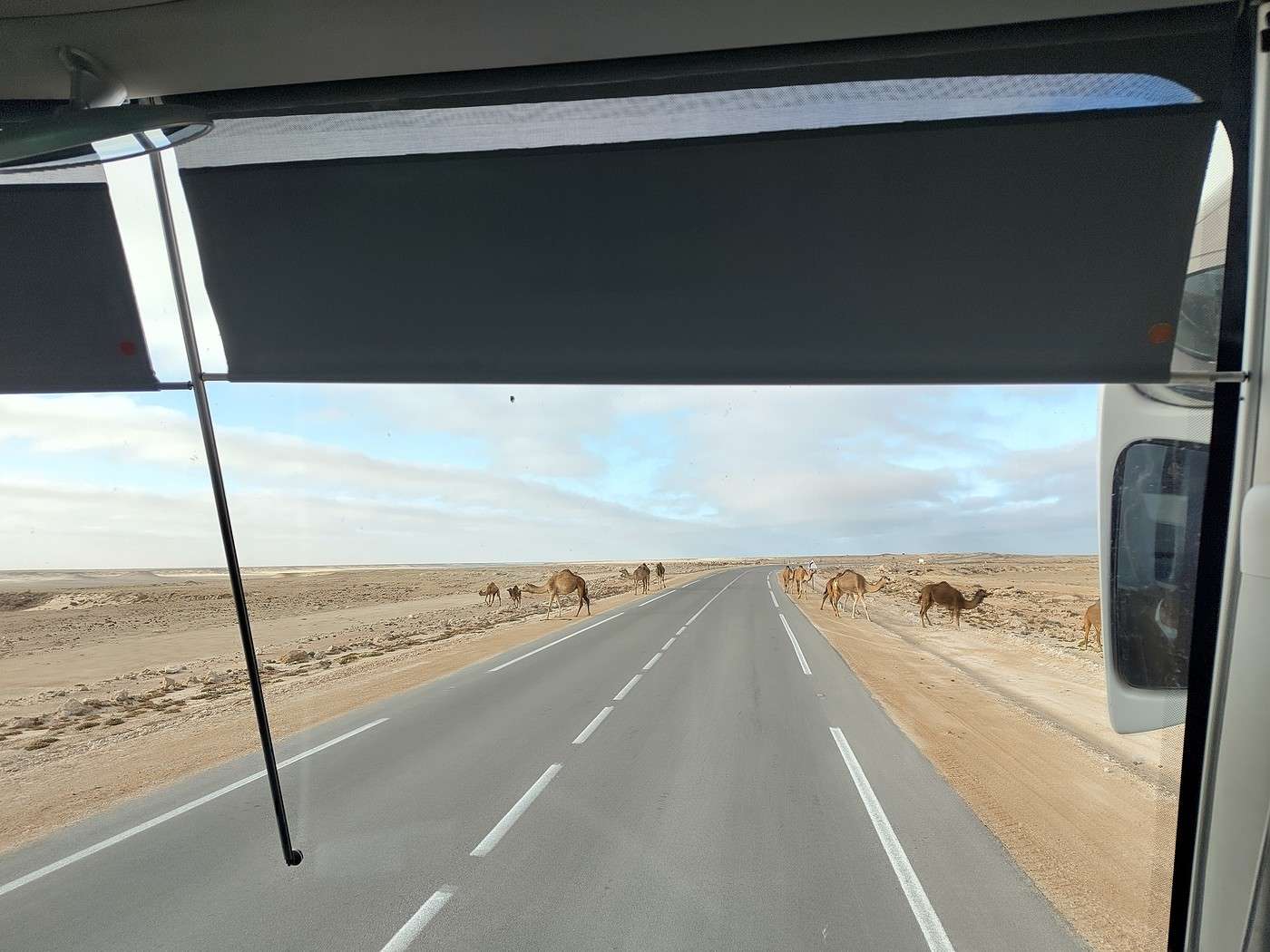
I spend a night in El Marsa before heading to Dakhla, a 7-hour bus ride away. The road is narrower (until Laâyoune, there’s a dual carriageway), and the desert is even more desolate—though a few precarious huts occasionally appear on the coast, often occupied by fishermen. Sometimes, a camel crosses the road without a care, forcing the bus to stop to let the animal pass. Of course, the landscape is monotonous. Straight lines stretch into the horizon, sand swirls, the white light dazzles me: it’s everything you’d imagine the desert to be. And yet, I genuinely enjoy crossing these landscapes. The journey could last hours more, and I wouldn’t find it the least bit boring. I read, I write, I chat with the passengers, and sometimes—or often—I do nothing, letting my mind wander.
I arrive in Dakhla. After a few greenhouses growing cherry tomatoes for export, the hotels catering to surfers line up. On the vast beach closing off the bay, dozens of kitesurfers dance in the wind. Dakhla has indeed become an international surfing hotspot in just a few years.
Built around the airport, the entire city gives the impression it’s ready to be developed. Everything seems prepared—it’s agreed, the city will expand, but for now, it hasn’t really started. Some plots stand out, and a few houses or small buildings are sprouting up, but they’re alone, very alone, like lost in a field of electrical meters.
Behind these empty spaces that may one day fill up, the small airport now welcomes direct low-cost flights from Paris, Marseille, Madrid, and Bordeaux, which I imagine are packed with surfers eager for waves. On Thursday, February 12, my friend Hadrien arrives on a flight from Casablanca. Until Dakar, we’ll travel together, following the same improvised logic that’s guided my journey so far.
Together, we explore the southernmost part of the city, the tip of the peninsula dedicated to fishing. The queen here is the sardine. They catch it, sort it, can it, and export it worldwide. If you eat canned sardines, there’s a good chance they come from here. But other species enrich the local big businesses, like octopus, highly sought after in Europe.
On the other side of the city, the Hacienda, a yellow-and-red restaurant, sits by the beach and serves Spanish specialties. The owner, in a suit and hat, tells us we should come do business here. The big port planned for soon will change everything. In front of two other very serious, well-dressed gentlemen, he declares loudly: opportunities are there for the taking in every sector. The whole city is under construction, and, as they say, this is just the beginning—the investors haven’t finished pouring in, the wave is still ahead. So, what are we waiting for?
Guerguerat
Friday the 13th, we leave Dakhla early in the morning aboard the only daily bus connecting to the Mauritanian border, with a minibus connection to Nouadhibou. On board, there are Moroccans visiting relatives in Mauritania, Mauritanians working in Morocco, like Imam, a general practitioner in Smara, in northern Western Sahara but originally from Nouakchott. Imam would’ve preferred to stay in Mauritania, but Moroccan salaries are more attractive. To staff its public services, the Kingdom also recruits from the south.
After 5 hours on the road, we arrive at the Guerguerat border. It’s Friday, prayer day, so the border won’t reopen until mid-afternoon. It’s also couscous day, and it’s not hard to find an excellent one, served almost instantly when we get off the bus for a few euros.
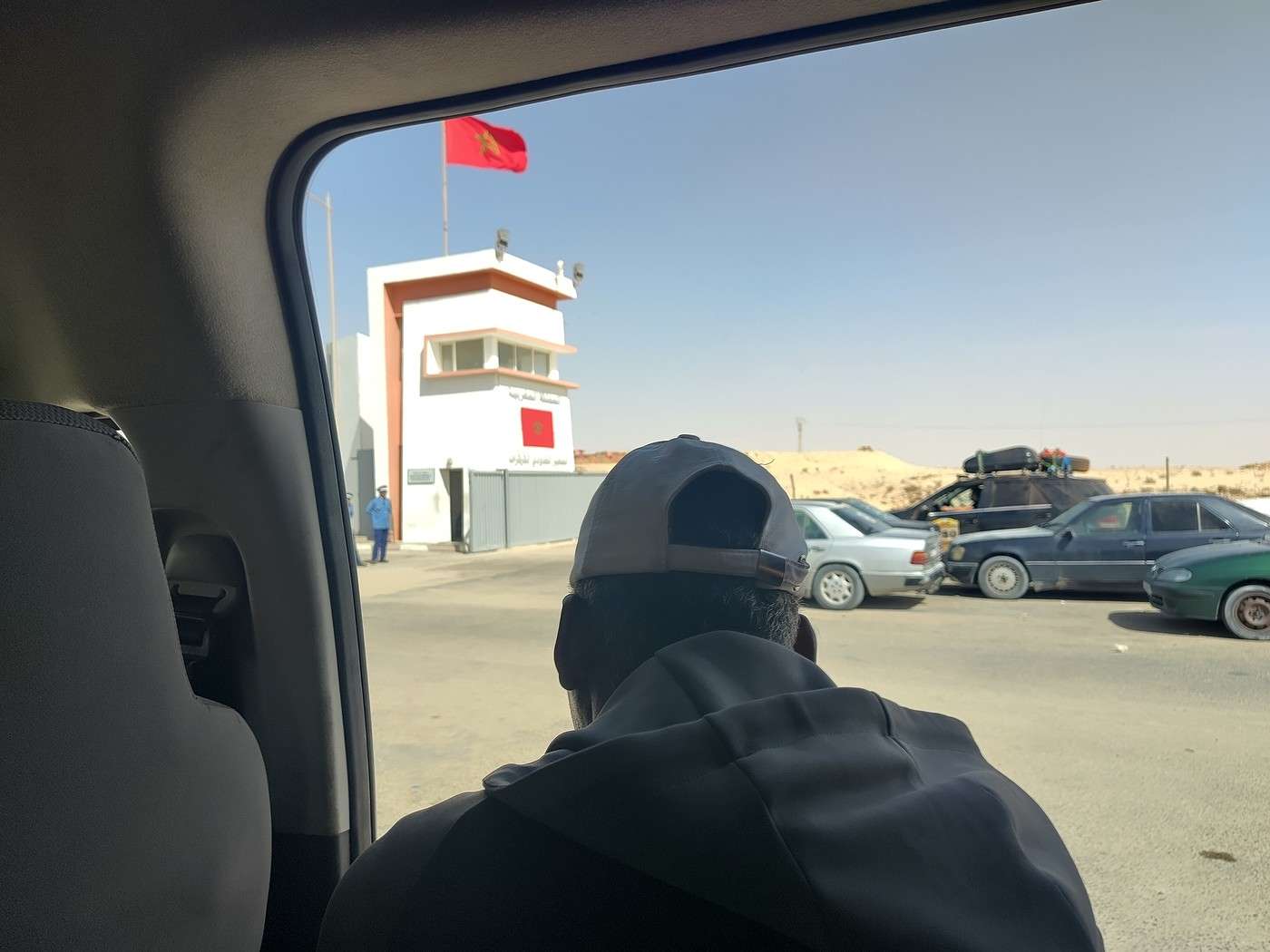
Crossing the border is pretty chaotic: while leaving Morocco is quick, you then have to cross a no-man’s-land of a few kilometers on a rough track. On the Mauritanian side, the procedures drag on. Foreigners are shuffled from one office to another, not really understanding each soldier’s role. This long pause gives us time to chat with other wanderers waiting for the magic stamp. We meet a group of Czech girls in their twenties, their faces and arms still marked by their train journey (the ore carrier—read the next episode!). They talk about Mauritania, this “intense” country they loved. They’re traveling via Couchsurfing and only hitchhike, which has led to a few run-ins with drivers unfamiliar with the practice (in Africa, hitchhiking doesn’t really exist—if a vehicle is shared, everyone pays their share). I’m always surprised—or uncomfortable—by these Western travelers who come here to travel poorer than poor. What are they trying to prove (to themselves)?
Last office. We exchange 55 euros in cash (the regulated visa price) for a stamp. Welcome to the Islamic Republic of Mauritania.
Episode 4 – Mauritania, from Guerguerat to Nouakchott
After crossing the Guerguerat border, the city of Nouadhibou is just a few dozen kilometers away. Several minibuses connect with the coach we took from Dakhla. Just before entering the first Mauritanian city, we drop off three young French travelers near the train station: they came here specifically to board the iron ore train, that giant convoy transporting iron from Zouerate to Nouadhibou. Since influencers spilled the beans, this experience is seen as both original and daring—you can, without much trouble, hop into any wagon, sit on the ore (or on the floor when the train is empty), and cross the desert for free at 30 km/h on the world’s heaviest and longest train. Guaranteed Instagram success. Since passenger cars fill up quickly, Mauritanians have long practiced this perfectly tolerated trick. But with the massive influx of young adventurers, the national industrial and mining company (SNIM), which manages the train and mines, has started kicking out the bold ones. This doesn’t dampen their motivation—in fact, it adds to the thrill: the defiance of the guards doubles the appeal. The experience is identical in every way to what Jack London describes in *The Art of Traveling Without a Ticket*, a true guide to the best tricks for hopping onto a moving train, hiding somewhere, and crossing the U.S. for free. An improbable bridge between the American hobo of 1894 and the Instagrammer gallivanting in the Sahara 130 years later.
With their big backpacks and water packs, the French trio waves goodbye. The train doesn’t really have a schedule but should leave by the end of the day. They’ll spend a night in an empty wagon, then, in a few days, make the return trip on a wagon full of iron. Hadrien and I had also considered taking this train after our stop in Nouadhibou, as it’s the easiest way to reach the country’s interior. With a stop in Choum, the train would have brought us closer to the intriguing Chinguetti, the 7th holy city of Islam, which holds thousands of manuscripts preserved in historic libraries amid the sands. But we only have a few days to reach Senegal, and what we’re starting to understand about this “must-do adventure” actually makes us want to skip it. So we pass on the “once-in-a-lifetime experience” to our three modern-day Jack Londons—who, for their part, are sweating with excitement.
Nouadhibou
Nouadhibou welcomes us with a mix of sand, noise, and old scrap metal carcasses that make you wonder how they’re still running. Most are 1980s Mercedes, sturdy German cars that have likely clocked over half a million—or even a million—kilometers. We walk 3 kilometers to reach a hotel. Walking through the city is truly exhausting—nothing forces us to do it, as plenty of rolling wrecks offer taxi services, but my travel companion and I share a fondness for urban walks in cities we’ve just arrived in. Even if it means weaving through traffic, motorbikes, and street vendors set up right on the road, kids, women, and elderly beggars. You only truly know a city on foot.
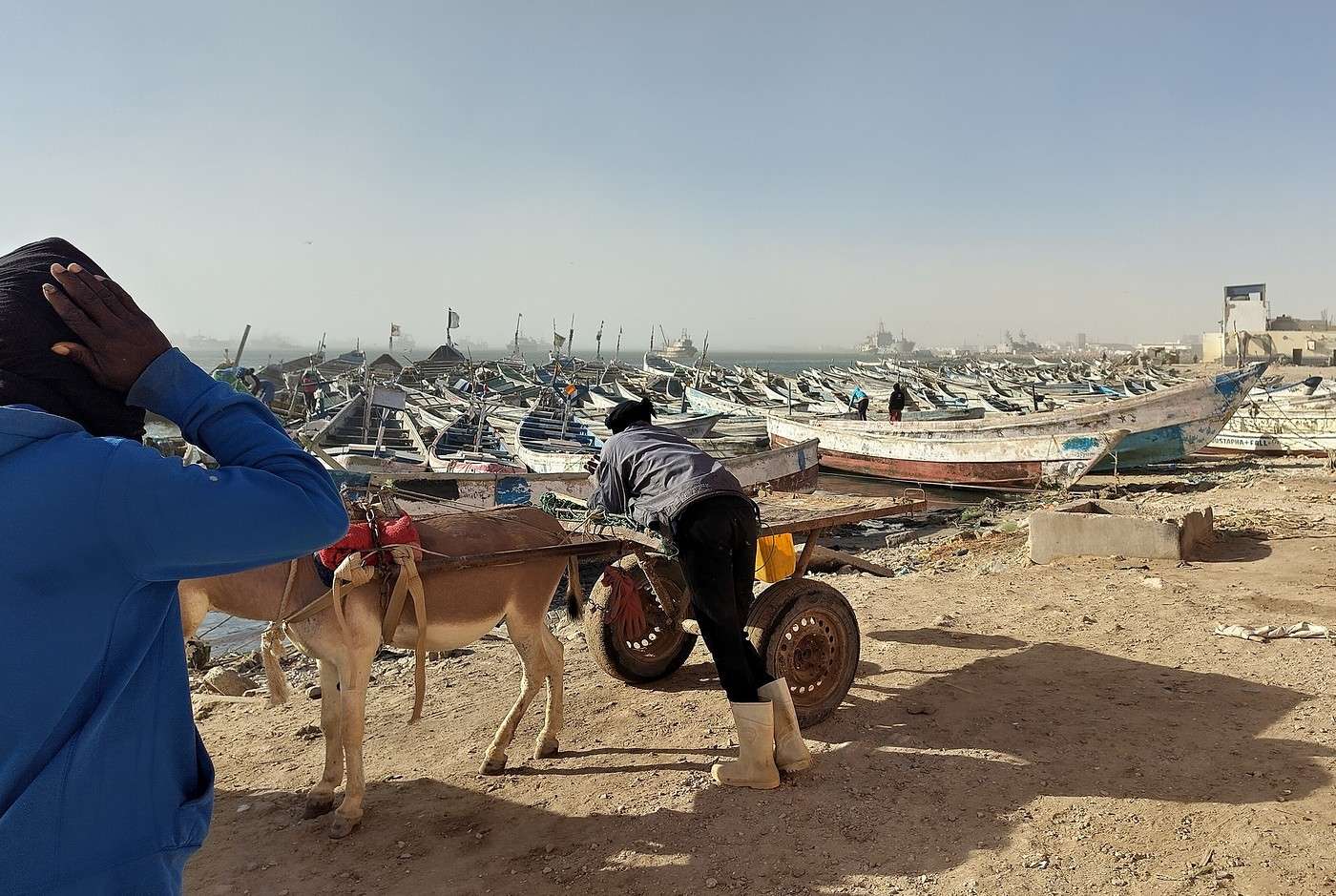
The next day, we visit the port. Hundreds of pirogues bustle in the artisanal harbor, while in the distance, large Chinese trawlers dock in front of Hang Dong’s factories. In 2010, Mauritania signed a 25-year agreement with this Chinese company to exploit its waters. Each year, it processes 550,000 tons of fish into oils and meal, primarily to feed fish farms worldwide. Fish turned into meal will become fish again—the loop seems absurd; it would make far more sense to use the fish as-is. But this overlooks the winding paths of our global economy. Small pelagic fish (easy-to-catch white fish that swim in schools near the surface, like sardines and mackerel) quickly bore consumers, who prefer shrimp, salmon, trout, and other farmed species. To feed these fish, sweeping up African seafood and turning it into powder seems quite profitable. The market is blind but always on the lookout for good deals. The Chinese have figured this out.
This deal with China sparks much debate in the country. Some accuse them of emptying the seas and making artisanal fishing increasingly difficult, while others see it as a good financial deal for the country. Even talking to the fishermen at the artisanal port, who show us their bountiful catch of the day, it’s hard to see the full picture. Coast guard Ali explains that fishing here is still a business—the small pelagics aren’t running out. The intense activity at the port proves it. I also read in the press that the deal with Hang Dong doesn’t cover octopus, Mauritania’s seafood gem: the country is one of the world’s largest producers, and the tentacled creature alone accounts for 50% of the value of seafood exports. Behind the debate over Chinese factories and big words (plundering, corruption, economic imperialism), there’s likely also frustration over the country’s inability to fully exploit this resource itself.
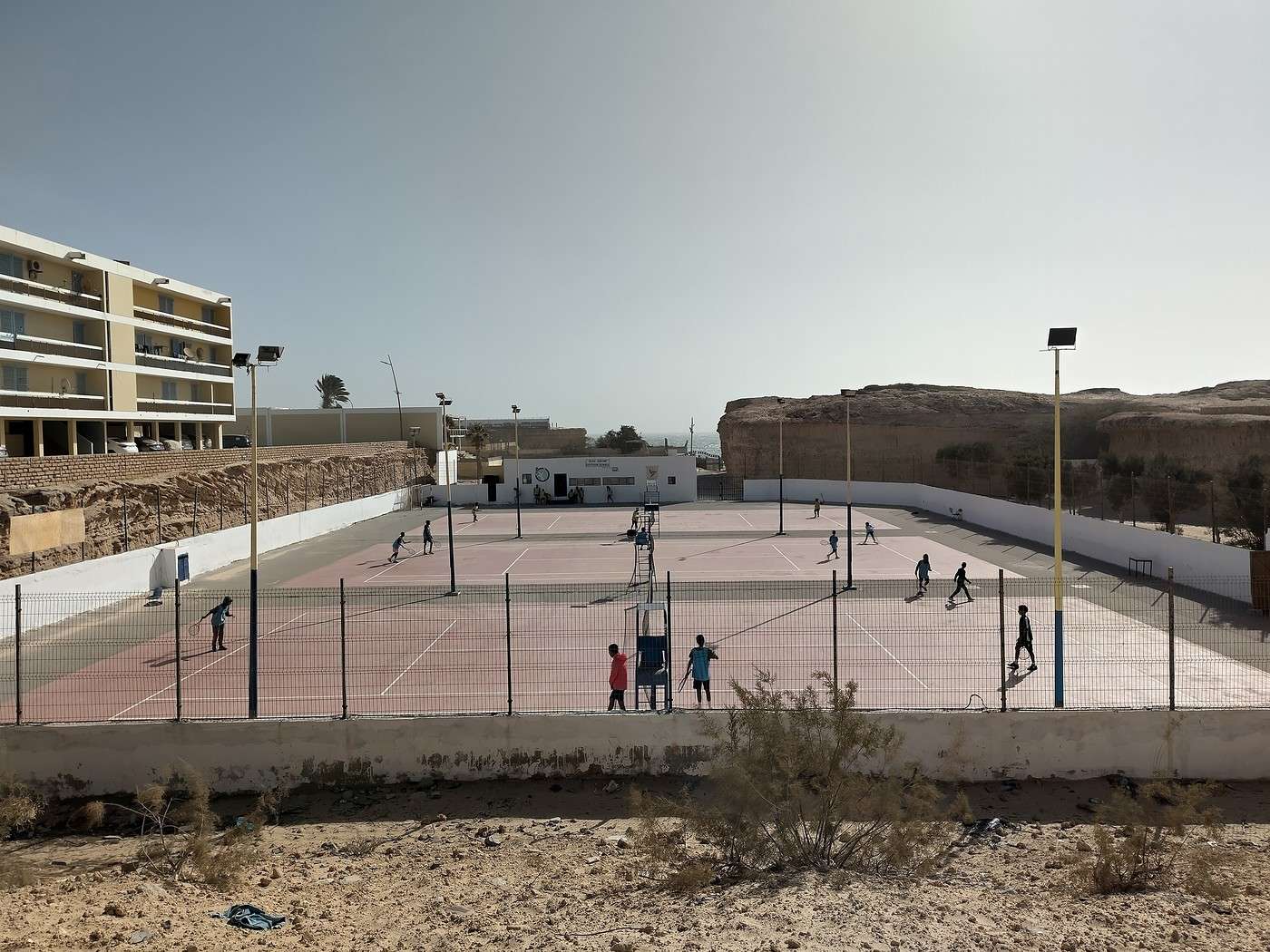
A few kilometers further west, we visit the workers’ town of Cansado. This is where the iron ore train ends its journey and the iron is loaded onto ships. It’s also where SNIM’s workers—the company that exploits the iron, a vital mineral for the country as it accounts for 10 to 15% of GDP annually—are housed. In the workers’ town, the change in atmosphere is striking. The village is calm, tidy, almost clean. At the foot of a large hotel overlooking the ocean, children are quietly practicing tennis on two well-maintained courts.
Iron and fish: Mauritania’s two main resources are concentrated here in Nouadhibou, and I better understand why the city is sometimes called the “economic capital,” even though it’s ten times less populated (170,000 inhabitants) than Nouakchott, the capital.
Though thoroughly fascinated by the city’s issues, we decide in the afternoon to continue south. The Banc d’Arguin, a nature reserve praised in guidebooks, seems like the perfect stop before the capital, but accessing the coastal villages is too complicated (the tracks require a 4x4, and we’d arrive too late to find lodging for the night). That’s the downside of total improvisation: when you’re not traveling with your own vehicle, reaching certain places takes a bit of planning. Oh well, we head straight for Nouakchott.
Nouakchott
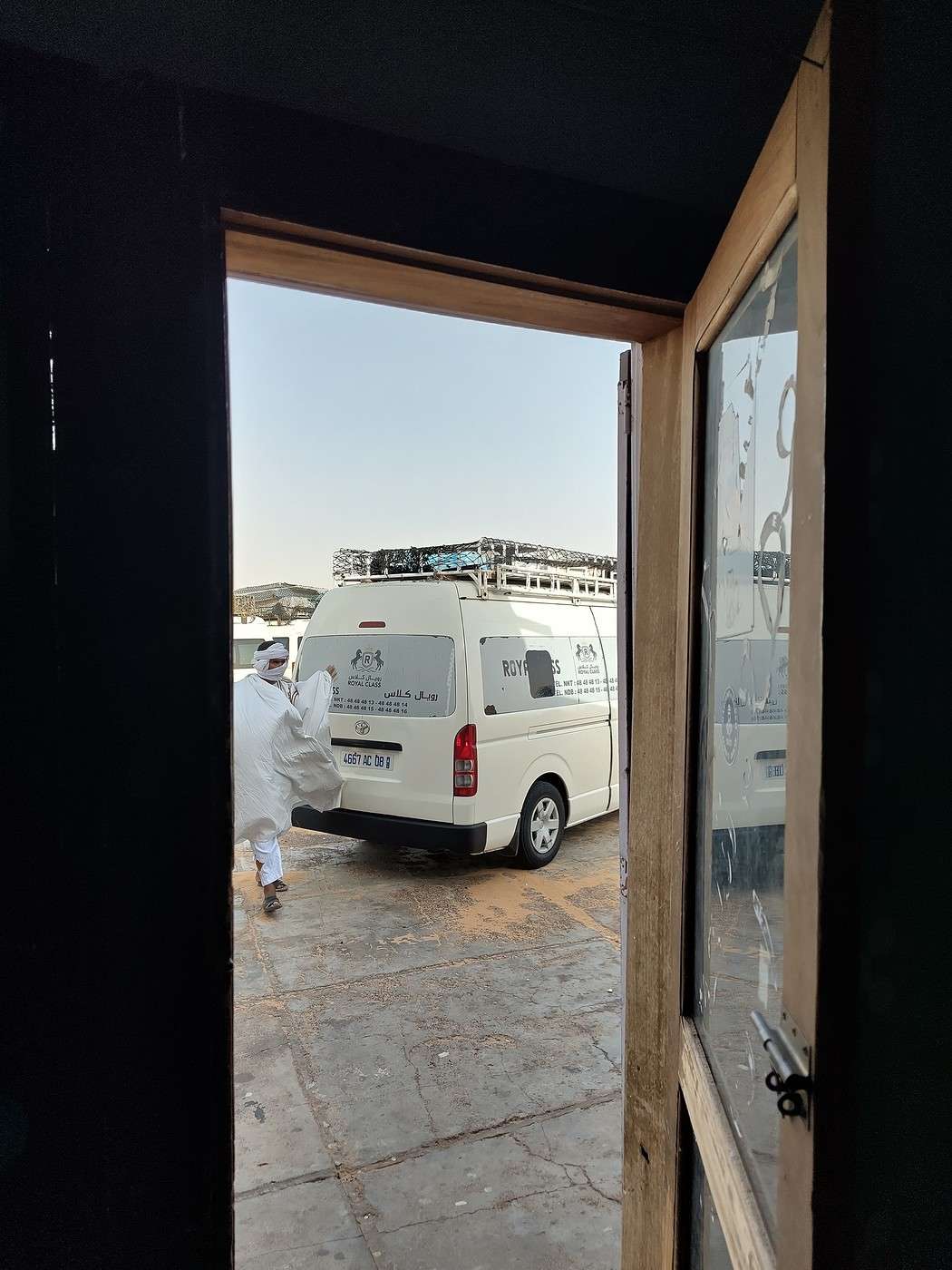
In Mauritania, most intercity passenger transport is done in Toyota minibuses seating about fifteen. Several companies compete to connect the country’s main cities, all offering roughly the same prices and services. Since the “First Class” minibuses were full, we got to ride “Royal Class.” Seven hours on the road, two prayer breaks, and plenty of vibrations from the sandy, poorly maintained road later, we arrive in Nouakchott at nightfall. We walk about an hour to the hostel, in a much quieter urban atmosphere than in Nouadhibou.
It’s in the Mauritanian capital that the end of the Sahara makes itself felt: it rains more here (100 mm per year—little, but still four times more than in Dakhla), and a few trees reach for the sky. On Sunday morning, we explore the sleepy administrative district—the presidential palace, a full set of ministries, the National Assembly. The capital looks much better than Nouadhibou, but its history is that of a boomtown: in the 1950s, Nouakchott was just a village of a few hundred people. The city grew suddenly after being chosen as the capital at independence in 1960, but it faced colossal challenges, the first being water supply. The Senegal River, 170 km to the south, provides the city’s freshwater. This creates constant tension over the resource but doesn’t stop the city from growing—it recently surpassed 1.5 million inhabitants.
Facing the intense heat of Sunday afternoon, we head to the beach. On the minibus the day before, we had met Saina and Leila, who were returning from a wedding. Under the wary and somewhat stern gazes of the other men in the minibus, we chatted for much of the trip. The two sisters had promised to take us to the beach the next day—promise kept, as they sent their two brothers to pick us up in a big 4x4. We were obviously thrilled about this Sunday beach outing with a local family. We head north of the city, then west along a sandy track. We arrive at the “Aqua Palace,” a private beach with pretty thatched huts. In the parking lot, an old Mercedes with shag-carpeted seats scrapes our bumper. The two brothers nearly come to blows with the Mercedes driver; once the matter is settled, we finally settle on the sand, at a reasonable distance from a group of women whose laughter splashes across the beach. There are about ten of them, in beautiful colorful clothes, rolling in the sand and laughing heartily. Next to them, our little group is quiet, if not sad. The sadness deepens when we learn that the sisters won’t be coming to the beach—a car problem. Disappointed, Hadrien and I go for a swim, but the brothers don’t want to go in the water and stay in their inflatable chairs. On the beach, huge 4x4s full of wealthy families come to revel in the sand, the men eager to show off their vehicles’ unexpected capabilities. They sometimes get stuck and call for help from the able-bodied men to push their tanks out of the sand.
In the evening, we’re invited to dinner at Yamina’s, a friend of Gauthier, my partner back in France. After living and working in Paris as a journalist for many years, Yamina followed her husband, and for the past four years, they’ve been here in a large house with their two children. We’re truly welcomed like royalty: the dinner prepared by their cook is exquisite. We feast on *Leksour*, a Mauritanian dish consisting of a lamb stew served on crepes. Cheikh Melainine, her husband, tells us his story—or rather, that of his ancestors: the heroic grandfather, a figure in the country’s independence; the father, a minister and presidential candidate, then imprisoned for three years for opposing the regime; the country’s exile, political refuge in Europe, before returning. Cheikh Melainine talks about the projects he’s now involved in, from developing green hydrogen in the country—which he’s certain has a bright future—to the Great Green Wall, which aims to plant millions of trees along an east-west axis south of the Sahara to limit desertification (a sort of green belt spanning thousands of kilometers). Engaged and cultured, he teaches us a lot about the country, especially its ethnic composition and languages: the Moors, who speak Hassaniya Arabic, make up 70% of the population, while the Fulani, Soninke, and Wolof make up about 30%. The four languages are now considered official in the country, while French, which was dropped in 1991, is still widely used. We joke all evening, starting our sentences with “you, Mr. President,” and it’s clear he wouldn’t mind the role—being president isn’t such a bad situation, is it? Yamina, however, would be reluctant to embark on that adventure. A ball of will and ambition, she’s created a webTV channel, an environmental awareness NGO, and a communications agency whose big red letters stand out at night on a building a few streets from their house, which we pass on our way to the Mauritanian tent anchored on the roof of the Triskell hostel where we’re staying.
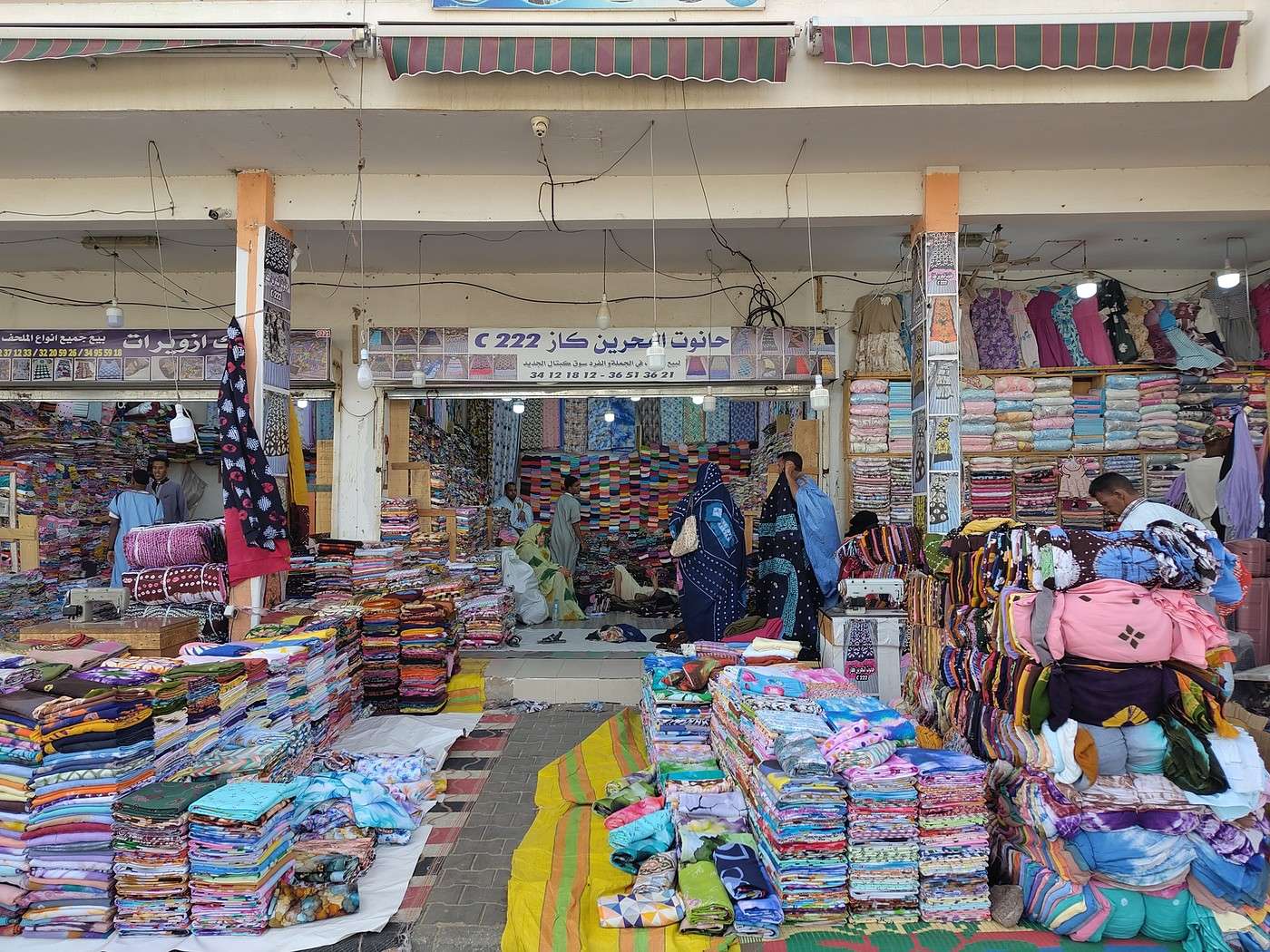
At the hostel, where our stay is extended and encounters are easy, I chat with Ludovic, a cheerful Frenchman in his fifties who’s spent thirty of them driving trucks across Africa. His plan is simple: he spots Mercedes trucks in France, buys them, drives them down in six or seven days, then sells them here in Mauritania or further south in Senegal. Along the way, he delivers a few odds and ends to Morocco—this time, engines. Several times a year, sometimes every month, Ludo crosses the Sahara by truck. He knows the roads, the borders, the restaurants, and the hostels. The sellers and the buyers. And the customs officers, of course, whom he’s seen grow up or grow old. To make these geographical pilgrimages profitable, Ludo brings back pagnes, boubous, and African fabrics in his luggage, which he sells in the summer at markets in Brittany with his Senegalese wife—a huge success, he assures me. A quirky character, overjoyed to have lived his “professional” life by instinct, at the crossroads of adventure and business, in a legality that’s not always very clear (how could he resist smuggling a few illegal items? Alcohol, for example, strictly prohibited here?). Ludo is proud never to have been stuck in the boredom of a salaried job in some factory in the west, where he’s certain he wouldn’t have lasted long. And the master of resourcefulness is now building a villa with his wife in Saly, a trendy spot on the Senegalese coast. The good life.
We spend our last evening at the Café Tunisie. According to our sources, this is where journalists, politicians, and intellectuals gather. We salivate with anticipation, diving into Mauritanian newspapers while waiting for the verbal jousting to begin. Alas, the evening is mostly spent in front of the TV—some tables play cards while most are absorbed by Barcelona’s attacks against Girona. A long power outage cuts the match short before the end—we won’t see Girona score the winning goal against the legendary Barça, whose club is totally mythical here in Africa. On the terrace, an elegant man in his fifties, very thin in his very black suit and very white shirt, sits alone. There’s our intellectual! Without delay, we join him at his table.
In refined French, with carefully chosen words, Hussein immediately clarifies, when asked about his activities, that he belongs to “civil society.” He talks about the CCC (Community Consultation Committee), of which he’s the president, as well as a bunch of other organizations he’s a member of—but we quickly forget the acronyms. For a few years, he’s also been a consultant but hasn’t managed to sell a single mission yet. In the meantime, he helps some friends draft the statutes of associations or NGOs. He doesn’t really have an office because, as he says, what matters is the field. With tonight’s power outage, he came to the café for some air while waiting for the lights to come back on—the outage would last nearly two hours.
We quickly realize that Hussein is eyeing positions he never obtains. Yet it’s not for lack of connections: he can’t start a sentence without mentioning that he knows this or that big shot or minister. So it’s bad luck, or so-and-so’s lack of solidarity, or maybe his outspokenness, his frankness. Hussein keeps up appearances with his suit and his long dissertation on the state of the country, but the man is clearly struggling. He’s trapped in a terrifying mental bureaucracy, surrounded by rules and disputes that intertwine to lead nowhere. With its language, France bequeathed to its former colonies the worst of itself: technical jargon, hollow words, ready-made expressions, and acronyms together form the architecture of a dreadful mental prison. Only those who’ve walked all its corridors and courted without restraint can hope to gain titles, recognition, and respect. They naturally end up monopolizing speech and power, with such ego that they never see the sad reality: they are the problem. Hussein has no power, which clearly frustrates him. With his long anecdotes, it’s clear he’s always on the lookout for the slightest privilege. Which never comes. Tough political life, whether you come from civil society or not.
A bit stunned by this encounter, we walk back, skirting the imposing French embassy and then the U.S. embassy. The next day, we head for Senegal.
The final leg of a month-long journey by train, bus, and boat. After Spain, Morocco, Western Sahara, and Mauritania, here I am in Senegal. A return 13 years later for me, a first-time discovery for my friend and travel companion Hadrien, who’s been with me from Dakhla to Dakar.
To leave Nouakchott heading south, you just need to reach the "Carrefour Nancy," where most minibus companies gather. We quickly find one that’s almost full, so it’s about to leave. In Mauritania, as everywhere further south, shared taxis and minibuses only depart when they’re full.
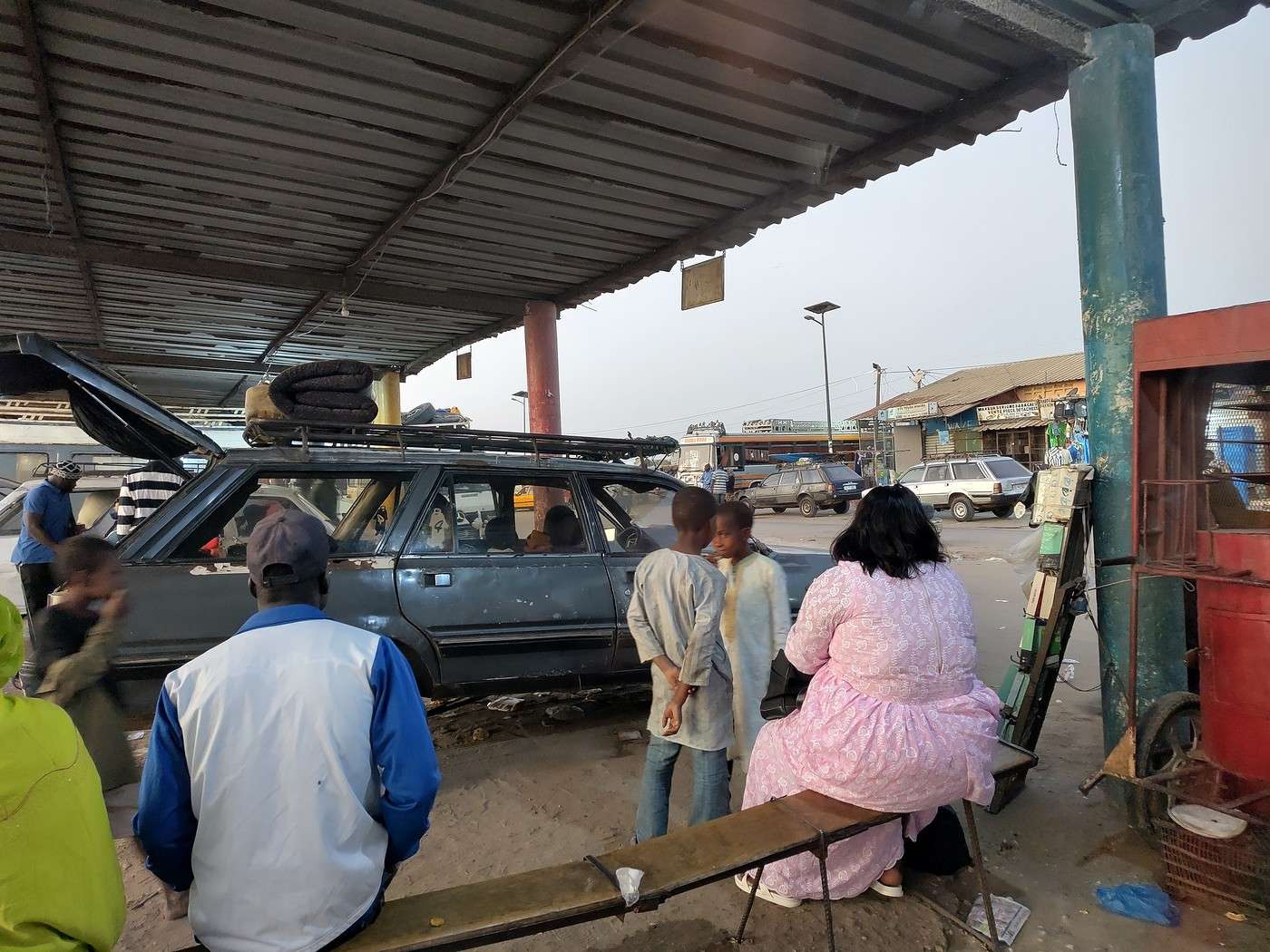
From France to Senegal, my route is an opportunity to observe gradual changes in the organization of each country’s internal transport systems. Trains in Europe and northern Morocco become buses in the Sahara, minibuses in Mauritania, and "7-seater" taxis (also called "bush taxis") in Senegal. Schedules become less and less fixed as you move south through Mauritania and Senegal—departures generally only happen once the vehicle is full. Prices, however, follow a different logic: the idea of influencing travelers to spread out across less busy times with a "price signal" (the "yield management" concept applied in Europe) doesn’t seem to be on the agenda yet. Fares are fixed in all the African countries I’ve crossed—except for minor adjustments on the recent high-speed rail line in northern Morocco. These differences highlight the technological and cultural dimensions of our mobility systems, but they also reflect the capacity of public actors to manage and fund their networks, as these aren’t universally part of public policy. In many places, they’re the result of more or less regulated private initiatives.
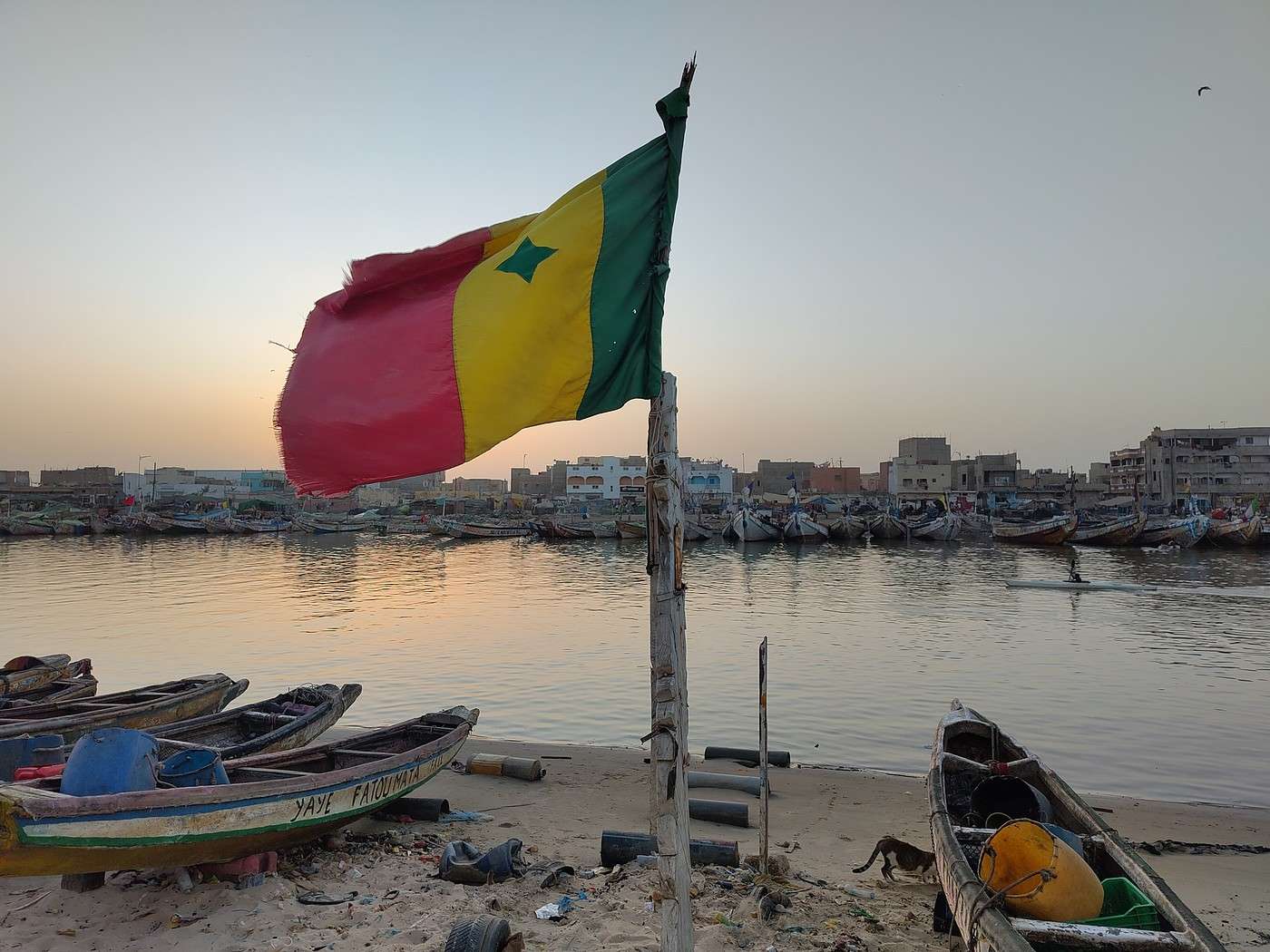
To reach Rosso, it’ll cost 300 ouguiyas (6.5 €), 200 kilometers, and three hours on the road. The small border town welcomes us with the expected chaos, where hustlers pounce on travelers to exchange money, sell SIM cards, or simply point them toward the border post. Crossing into the neighboring country requires crossing the Senegal River. Nearby, a massive bridge is under construction. A Chinese company (Poly Changda) is working hard to connect the two countries by road. For now, a ferry links the two banks every hour, and pirogues offer their services for those who want to avoid waiting for the overloaded ferry’s unpredictable departure.
Saint-Louis, Senegal
We reach Saint-Louis a few hours later, aboard an ancient 505 that struggles to exceed 60 kilometers per hour (though the driver still manages to get pulled over for speeding during a police check). I know the city well, having spent a year here as an exchange student in 2012-2013. It seems to have sprawled considerably, so much so that between Gaston Berger University and the city center, I don’t recognize the road I used to take daily by motorcycle. At the city’s entrance, an auxiliary branch of the BCEAO (Central Bank of West African States) has moved into a large new building near the old house I lived in. A new Auchan supermarket has opened (previously, there was only the market and small grocery stores in this city of nearly 250,000 people). The center of Saint-Louis, located on an island in the Senegal River, hasn’t changed much, preserving its quaint colonial charm and pretty colors. In recent years, a "museum archipelago" has sprung up all over the island. Under the impetus of Amadou Diaw, a Senegalese businessman who founded the country’s first private business school in the 1990s, the "Mupho" has settled into 8 large colonial houses in the city. You can explore the country’s history and admire works by contemporary photographers. The owner, just back from Paris where he lives and works, is happy to welcome us and chat that day in one of these grand houses.
The last stop on this museum marathon is in a huge building overlooking the fishing village just a few dozen meters away, on the other side of the river branch. I’m there alone in this vast house displaying hundreds of traditional art objects—statuettes, sculptures, ornaments—and on the other side, fishing families are crammed into precarious conditions. On the Langue de Barbarie, Guet Ndar is known as Africa’s most densely populated neighborhood, and even one of the most densely populated in the world. 25,000 people live on a tiny 90-hectare strip of sand. In the gathering evening, surrounded by the memory of Africa’s peoples on one side and the powerful hubbub of a packed neighborhood on the other, hemmed in by my many memories of life here 13 years ago, I’m dizzy and stay there, stunned, by the window. Long minutes pass before the guard comes to signal the site’s closing.
Dakar
I reach Dakar the next day, betting on the only daily bus leaving at 7 AM to avoid the endless bush taxi ride. No luck: I learn on the spot that I should’ve booked and that today’s trip is already full. The bus leaves before my eyes, and I wait nearly two hours for a "7-seater" to fill up.
At the bus station, street children, so common in Senegal, are even more numerous than elsewhere. These "talibés" (from "students") are mostly children entrusted by poor families to marabouts who handle their religious education—and send them begging for much of the day. Undernourished and poorly dressed, these children are the subject of heated debate in Senegal. Their fate regularly makes headlines when abuses are revealed or a fire kills several kids. Yet, year after year, this system continues. Refusing to give money, I share some provisions with two starving children. But that’s enough to attract a dozen other talibés and spark a fierce fight among them for the biscuits and fruit. Deeply annoyed and upset, I lock myself in the 505 with my biscuits as it slowly fills up. But what can you do?
During this trip, I learn that a highway is under construction between Saint-Louis and Dakar and should be operational next year, which will significantly shorten the journey. For now, we have to make do with the RN2, which crosses Louga, Kébémer, and Thiès and seems to have gotten much busier since 2013. On the outskirts of the Senegalese capital, the driver avoids the already operational highway section and plunges into endless traffic jams. Exhausted after 4 hours on the road, I take advantage of passing the Bargny TER station to escape the taxi and continue by train. Since 2021, Dakar has had a very efficient suburban train line, and the opening of its second phase (extending to the airport) is announced for this year. For 1000 FCFA (1.5 €), I reach the city center station in a few dozen minutes on a new train where zealous conductors ensure no luggage blocks the aisles. The TER takes its standards seriously.
These new infrastructures (highway, TER) have accompanied Dakar’s development and its expansion eastward (the international airport, previously on the narrow peninsula, moved in 2017, and the coastal demographic boom continues). Dakar’s transformation doesn’t stop there: impressive BRT lines (rapid buses on dedicated lanes, comparable to express trams) have appeared, and much of the urban transport network, once organized quite informally around "rapid cars" (old Renault Goélette minibuses), has been largely replaced by brand-new large buses. These changes clearly show the close link between transport infrastructure and the development of southern megacities. Mobility is the key to urbanization in the Global South.
On this first evening of Ramadan, Hadrien and I wander the city, drifting from bars to chance encounters. At the Viking Pub on Georges Pompidou Avenue (!), Saïd tells us about his import-export business with Morocco. An expert in fruits and vegetables, he knows growers, transporters, and the best regions by heart. He ships tomatoes and oranges across the Sahara one way, and watermelons and mangoes fill the trucks the other way. Saïd assures me: Casamance is a real breadbasket. Its potential is huge, but the supply chains struggle to get organized. Southern Senegal, with its more humid climate and fertile lands, works agronomic wonders, but the lack of infrastructure still largely leaves it on the sidelines of globalization.
On the other side of Independence Square, a French-run wine cellar intrigues us. Once inside, everything reminds us of a Parisian wine cellar—even the bottle prices. Talking with the owners and regulars, we don’t have to wait ten minutes before Jacques Foccart’s name comes up (the Élysée’s secretary-general for African affairs from 1960 to 1974, who played a major role in maintaining French dominance after independence), tied to their own personal history. It doesn’t take long before we hear that "Françafrique will never end." Faced with such nonsense, we take comfort in our compatriots’ advanced age. We leave to taste the nightlife at a nearby club: young French people, probably students, dance lazily while prostitutes wait for clients around the bar. Quite an evening.
The next day, I explore the city on foot and observe the country’s changes since my nearly year-long stay between 2012 and 2013. First, I’m struck by the prominence of a payment app I’d never heard of before: Wave. Only 23% of Senegalese have a bank account (compared to 99% in France and 58% in Morocco, with the banking rate being another development indicator), and the sector is known for its bureaucracy. So digital has outpaced banks, and nearly everyone here uses this app, which offers online accounts, money transfers, bill payments, and—most importantly—the ability to pay for any purchase by scanning the merchant’s QR code. Simple as can be, banking in Africa. The same goes for taxis: everyone here uses Yango, Senegal’s Uber. No need to negotiate your fare. In a decade, digital has changed many habits. Conversely, the stark inequalities structuring society don’t seem to have evolved much. Dakar is like other major cities in emerging countries: a paradise for a few (private beach clubs and upscale neighborhoods attest to this) and a hell for many (pollution, poverty). In between, a small middle class struggles to emerge.
This middle class includes Moïse. This former student I met at UGB (Gaston Berger University in Saint-Louis) in 2012 is now an English professor at the University of Dakar. His wife is a teacher, and they’re raising their two children in Ouakam, an intermediate neighborhood in the city—neither very rich nor very poor. We meet at a café in Plateau, Dakar’s historic city center where national institutions are concentrated. Moïse, whom I haven’t seen since 2013, tells me about his life today and gives me news of his family in Gambia. We talk about the political situation in our countries, what’s become of our old classmates from UGB, and then about Casamance, where he’s from and where I’ll spend the last days of my trip. That’s when I learn his story, putting words and realities to a past that had always intrigued me but that a certain restraint had kept me from asking about at the time. Moïse’s Casamance family was scarred by a conflict that marked southern Senegal from the 1980s to the mid-2000s: the fight for Casamance’s independence. A soldier in the Senegalese forces, Moïse’s father was kidnapped by rebels in 1999. His family, refugees in Gambia, never saw him again. Moïse was 15. The modesty of his words, the simplicity of his tone, the overwhelming reality of a past that never passed—everything he tells me moves me deeply.
Ziguinchor
On the evening of February 20, Hadrien flies back to Paris while I leave Dakar’s port aboard the *Aline Sitoé Diatta*. This is the last leg of the journey. The boat will take me to Ziguinchor, the capital of Casamance, a region I’ve never visited. I share my cabin with a couple, Marina and Alpha, two fun-loving birds who party all night on the boat’s deck, and Marie-Célestine, a very elegant Casamance woman who’s much more reserved. A sales rep in the livestock feed sector, Marie-Célestine is going home to see her family for barely two days: vacations are a rare commodity in her job, a luxury she can’t really afford. The boat offers her the tranquility of a restful night, and it’s true that you sleep particularly well here—the gentle rocking lulls me into nearly ten hours of uninterrupted sleep.
Between Dakar and Casamance, history is marked by the independence conflict, which I’ll hear about again in Ziguinchor, but also by another tragedy that occurred on the night of September 26, 2002. That night, around 11 PM, the *Joola*, which connects the country’s south to the capital, was caught in a "tropical squall" off the coast of Gambia. Wind and rain suddenly lashed the boat. In less than ten minutes, the ferry, designed for 580 people, capsized with nearly 2,000 passengers on board. Rescue only arrived the next afternoon. It was a massacre: only 64 survivors. Ziguinchor alone lost 971 inhabitants. 444 students on their way to the start of the university year perished. There are no words to describe what remains the worst civilian maritime disaster in history. It traumatized an entire country, and restoring the connections years later came at the cost of strict passenger controls.
In his novel *A Tomb for Kinne Gaajo*, Boubacar Boris Diop tells this story, which haunts my journey. Through the character of Njéeme Pay, a political journalist who sees her childhood friend die in the *Joola* shipwreck, the story skillfully blurs reality and fiction, particularly showing the cynicism of power in the face of disasters it’s responsible for. This reading also reminds me of Mohammed Mbougar Sarr’s novels, especially *Pure Men* (2018), where the author dared to tackle Senegalese society’s taboos, focusing on the treatment of homosexuals in the country. Nearly a decade later, the subject is very current: parliament is preparing to vote on tougher repression against these "unnatural acts" (ten years in prison for simply being different). With overwhelming public support.
After stopping in Karabane at breakfast time, the ferry sails up the Casamance River. It’s escorted by dozens of dolphins that brush against the boat, provoking cries of joy from the many children on board who run from port to starboard to watch them better.
In Ziguinchor, I’m overwhelmed by the heat. I explore the city in the late afternoon, from the river to what seems to be the nerve center: the "Marché Saint-Maur-des-Fossés." As night falls, I take refuge in a maquis I found by chance and receive such a warm welcome that I decide to spend the whole evening there. Léon, Théophile, Jean, Moussa, and others open the bar’s door to me—and a part of their lives. Moussa, in his thirties, proudly tells me about installing electrical networks in villages and insists on sending me photos of himself high up on power poles. Still in the energy sector, Léon talks about the solar panels he sells and installs in the region. After 12 years as a cashier at Total, earning 109,000 FCFA per month (185 €), he left the French multinational to equip villages with solar panels (at least those Moussa hasn’t yet connected to the grid!). With no upfront investment, in exchange for a subscription, his company offers villagers decarbonized, low-cost electricity. He travels the region’s countryside on his little Jakarta (low-cost motorbikes that arrive in parts from Southeast Asia), identical to the one I owned 13 years ago—110 cc, max speed 100 km/h, 2 liters of gas per 100 kilometers. Happy with his new job, this 42-year-old father of three still dreams of returning to his hometown, Joal Fadiouth, a gem nicknamed the "shell island" in the Sine-Saloum, north of Gambia. There, he tells me, he already owns land. With 5 million FCFA (7,500 €), he could start a market garden and settle there with his family. Investors welcome!
As we dine on a simple warthog dish, Ramadan and Lent join the conversation. This year, they conveniently started at the same time. Théophile, who just turned 70, explains what Lent should be: a posture of humility and sharing. You eat only one meal a day and feed those who are hungry. I point out that Muslims are guided by roughly the same principles, but he corrects me: their fast-breaking is lavish and leads to eating excessive amounts. As for the supposed sharing, it’s nothing like that, since it’s the leftovers that are distributed. The others at the table all agree with what everyone calls "Grand," and I prefer not to push the debate too far. Behind the good relations between communities (Casamance is home to 30% Christians, 60% Muslims, and 10% animists), there are obvious differences that oscillate between misunderstanding and negative judgment.
After a few beers, Léon tells me about the Casamance independence conflict. In the countryside, he discovers chilling realities, twenty or thirty years later. Because tongues are loosening. Villagers are talking. And stories of rapes and tortures of unimaginable violence emerge. Things that "defy understanding," Léon tells me, enunciating each syllable. Children discover that their father isn’t the man who raised them, marking their lives with horror and destroying honor. I listen, there in front of this little bar on a sandy street in Ziguinchor, to these stories, and I see Léon’s eyes fill with tears. It’s no longer his mouth speaking—it’s his eyes, Léon’s eyes telling the horror. Théophile is also moved but says nothing. He lived through this period in his flesh. He was an adult; he could speak, describe. But his misty eyes, lost in the void, and the silence he keeps, so far from his cheerful, talkative tone at the start of the evening, perhaps say even more.
Could the conflict ever flare up again? "When you’ve known war, peace has no price," the two men conclude. I leave a little dazed, slightly tipsy, walking through the sand and the night.
Saloulou
This is the very last stop on my journey. From Ziguinchor, on Sunday, February 25, a bush taxi takes me to Kafountine, a small town in northern Casamance. While a highway is being built in the north of the country, here in the south, the main road is in critical condition. "The road is ruined," my neighbor for the day, Alpha Diallo, who’s coming from Conakry, tells me. Between brief conversations, exhausted after 24 hours of travel, he dozes off, his body swaying with the movements of this potholed road. One day, one night, and another half-day—that’s the price to cover the 800 kilometers between Guinea’s capital and Kafountine, where he’s from. In addition to the potholes, police checkpoints dot our route, and every pretext is good for extorting our poor driver: 3,000 FCFA for a cracked windshield, 2,000 for excess luggage...
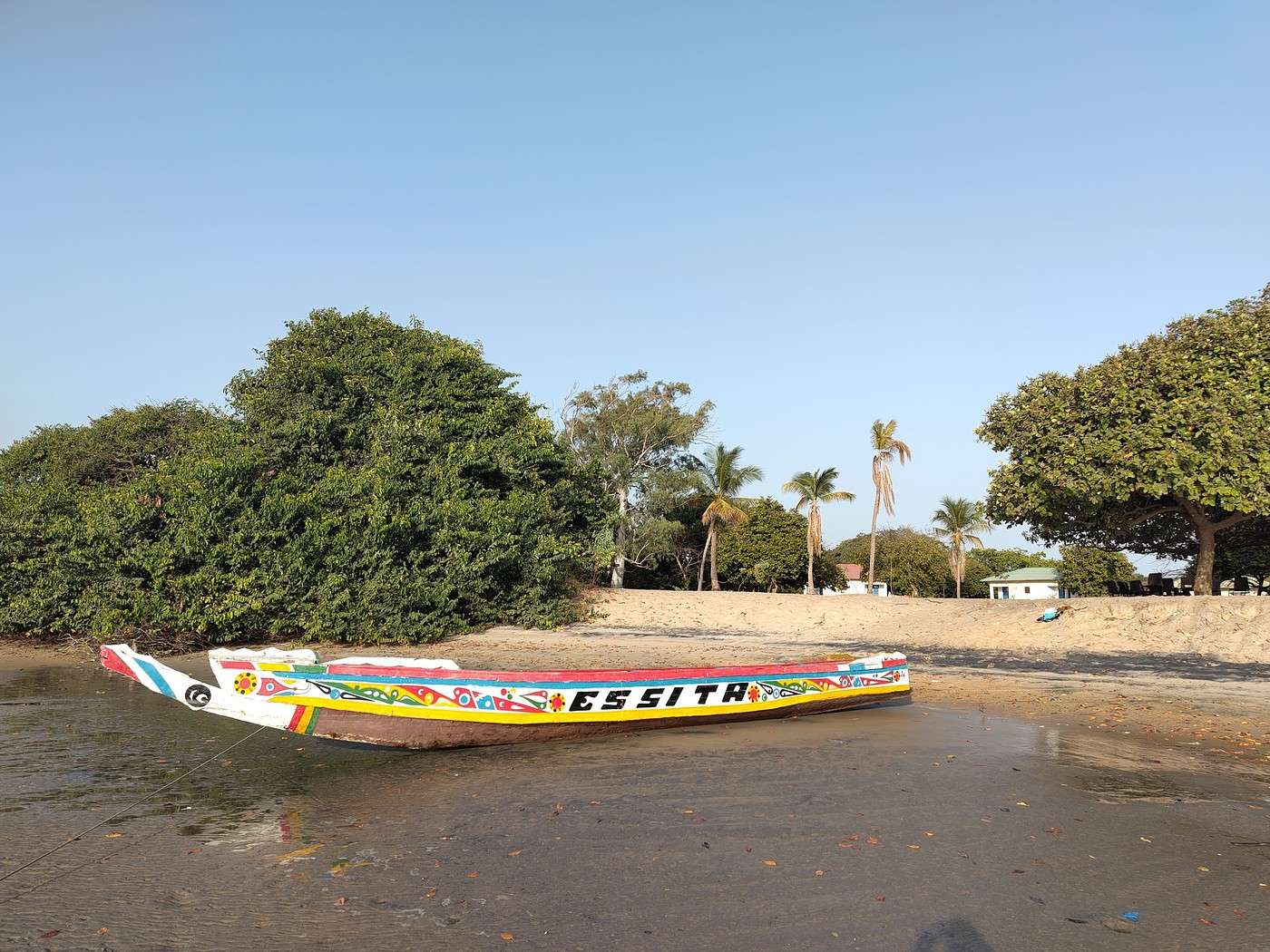
In Kafountine, I board the only daily public pirogue (called the "mail pirogue") that serves the isolated islands of the Casamance River estuary. For two hours, the pirogue navigates the bolongs, these rivers mingling with the ocean that wind through the mangrove. I arrive at the end of the day in Saloulou, where a small village camp has been built to welcome passing tourists. The last ones left several days ago, and I’ll be the only one for three days. Three sturdy cabins facing the beach and a central building serving as a restaurant are surrounded by tall palm and cashew trees (which produce cashew nuts) and, by the water, the inevitable mangroves. During the day, the many birds dominate the soundscape; at nightfall, crickets take over. In the afternoon, the crushing heat and burning sand discourage any outing. There’s nothing to do, no mobile network, and that suits me perfectly.
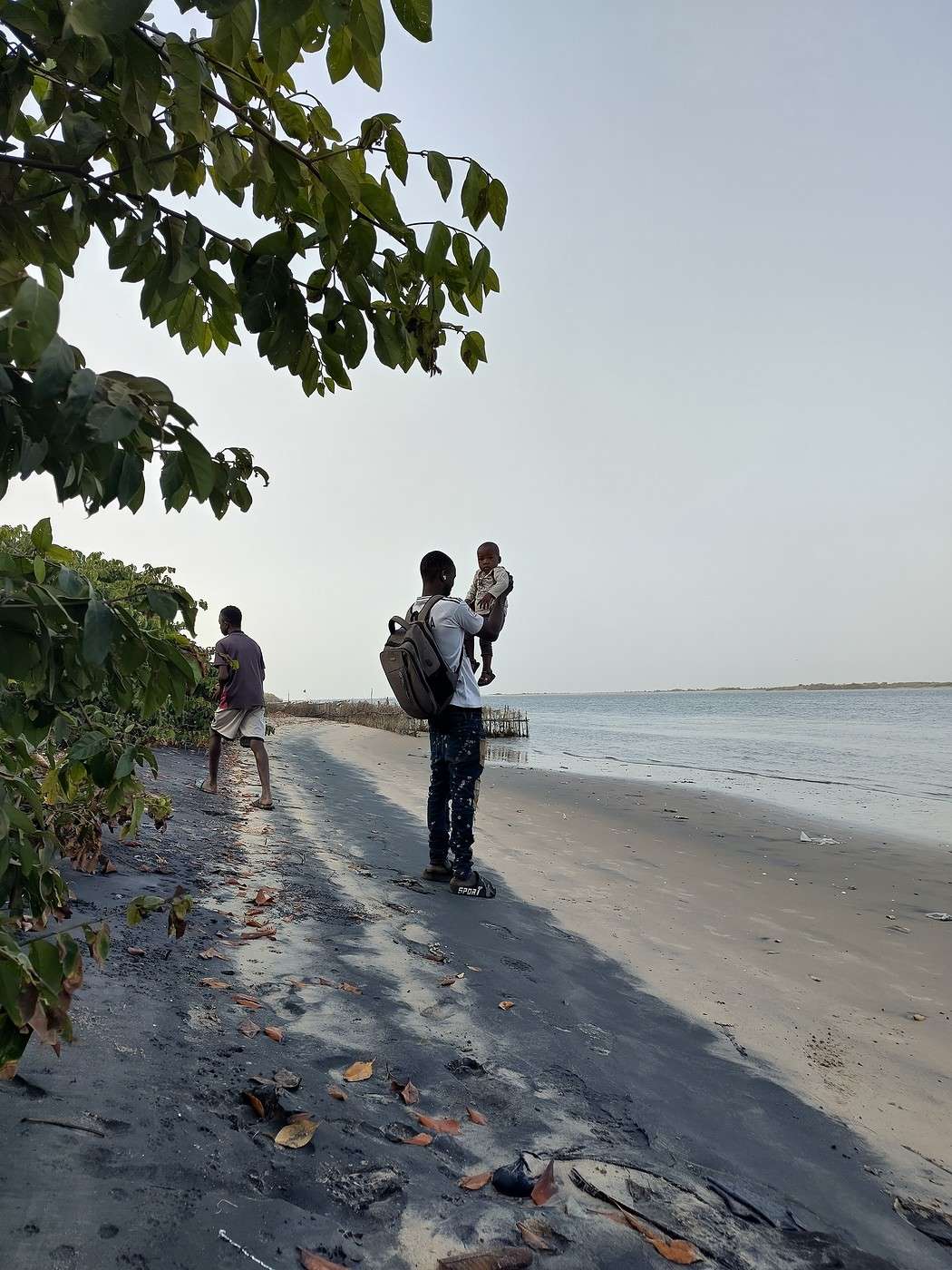
On the beach, in the sublime evening light, I chat with the fishermen. Alassane comes from Sierra Leone. He explains that working conditions are better here and so is the fish. Others come from Guinea-Conakry, Guinea-Bissau, Liberia. Saloulou actually hosts a battalion of fishermen on its beach, reminding me that migration to the north is a giant domino effect that starts here and ends in Europe (Senegalese go to work in Mauritania, Mauritanians in Morocco, Moroccans in Spain...).
In the restaurant, a mix of locals and fishermen watch France 24 on a TV powered by solar panels. I hear my host preparing the evening meal we’ll share: fresh fish, rice, vegetables. Paradise in three elements. Etienne was born the same year as me, and he’s the one the village chose to manage the camp. With Florence, his wife, and their young son Philippe, they returned to the village not long ago after an unsuccessful experience in the big city. A trained cook, Etienne did find work in Dakar and Saly, but his salary, which never exceeded 150,000 FCFA (230 €) at best, didn’t allow him to house his family properly. In Saloulou, he has an unpredictable income depending on passing tourists, but most importantly, he has no rent. Market gardening, fishing, and small-scale livestock farming cover most food needs, and life can unfold without risk. Etienne and Florence’s story, Léon’s in Ziguinchor, and others I’ve heard along the way all express the same refusal of forced urbanization. Everywhere on the planet, cities bring both progress and misery, freedom and constraint. But everywhere, for those who reject that life, escaping the grip of metropolises is far from easy. By stripping individuals of control over their own existence and their means of subsistence, urbanization is also a form of colonization.
In Saloulou, in addition to fishing, cashew nuts and mangoes form a natural wealth that the village exports. I also discover that the mangrove is full of oysters: at low tide, you can see them clinging to the mangrove trunks. The temperature and lack of a proper refrigeration system force people to dry and smoke the oysters when they’re harvested. Due to these constraints, but also the lack of an organized supply chain, this almost limitless resource is far from being exploited as it could be.
One morning, I help Etienne water his little field. The water table is only a few meters down, allowing irrigation with watering cans for the many surprising crops. In the afternoon, I explore the village with my guide for the day, which you can reach in a few minutes by quad (the island has only two motorized vehicles). Etienne shows me his house, still under construction. That day, the entire village of 400 inhabitants is in mourning. They lost one of their own three days ago, and since then, meals have been shared communally in the middle of the village. The women, dressed in magnificent boubous, gather on large mats and cook in big pots.
Perched on a generous water table, Saloulou, like everywhere else in the country, is under a blazing sun most of the year. It’s the sun that powers the village, thanks to a small solar panel field. Since there’s no electricity meter, everyone pays the same: 6,000 FCFA per month (9 €), 15,000 FCFA (23 €) for heavy users (artisans, merchants...). There are few energy-intensive appliances anyway, and usage conflicts remain very limited.
At the camp, the days pass identically. Only the fish that ends up on the plate changes from one day to the next, depending on the night’s catch. For the last meal, it’s a big captain fish, similar to sea bass, which I grill on a makeshift barbecue.
The next day, I’ll take the public pirogue again, then a motorcycle taxi, a first bush taxi, then a second one through Gambia before reaching Dakar. And, a day later, France by air.
From France to Senegal by Public Transport - Route and Summary
Is it possible to get to Senegal without flying, using only public transport? But where do you go? And how much does it cost? These are the main practical questions I was asked after this trip I undertook last February. Here’s the route and some tips for making this journey. Feel free to ask questions or share your own experiences in the comments if you’ve taken this route!
STEP 1 - From France to Morocco
To reach Tangier, two options are possible:
By sea, from Sète (with the GNV company, 1 to 2 departures per week) or Marseille (with La Méridionale). Count 2 days of travel (45 hours) for a one-way price of 130 to 300 € depending on the onboard accommodation and meal choices (traveling with others lets you share the cost of the cabin). It’s long, but the boats are comfortable, and since there’s a paid network onboard, it’s the perfect opportunity to disconnect and start those long-postponed reads. On the boat, time flies at a different pace (at 30 kilometers per hour, to be exact). At Tanger Med, it’s easy to share a taxi to reach the city center, located 45 minutes to 1 hour away (60 MAD/5 € per person).
By rail, taking the TGV across Spain, then crossing the Strait of Gibraltar by ferry. This is the fastest option and, depending on the season and how far in advance you book, the cheapest. It’s also doable by bus—there are many offers, and prices can be much lower—but it’s also much longer.
To Madrid: From Marseille, Avignon, Montpellier, or Narbonne, there’s a direct daily RENFE train to Madrid. It takes 8 hours from Marseille and 5 hours 30 minutes from Narbonne. Departure at 8 AM from Marseille, 10:30 AM from Narbonne, arriving at 4 PM in Madrid. From Paris or Lyon, the easiest option is to take the first train to one of the TGVs for Barcelona, then catch another train to Madrid or directly to Seville or Malaga (Spain also has some "intercity" trains). Prices vary widely: the Avignon-Madrid trip cost me 89 €, but it can go much higher. It can be very worthwhile to break the trip in Barcelona and take advantage of competitors to RENFE on the Barcelona-Madrid route.
Madrid to Andalusia: From Madrid or Barcelona, several departures are possible for Seville or Malaga (2 hours 30 minutes to 3 hours from Madrid) on the same day, even if you arrive from Paris or Lyon, provided you spend the whole day and part of the evening on the train (leaving Paris at 7:42 AM, you arrive in Seville at 9:12 PM, but connection times don’t allow for any delays). There are many offers on these lines, and you can find tickets starting at 20 € (mine, booked last minute, cost 33 €).
Andalusia to Tangier: From Malaga, you can reach Algeciras by train, but there are very few frequencies (1 direct train in the afternoon, 2 hours 15 minutes). However, there are many buses (2 to 3 hours, 20 €). Then, several ferry companies operate the crossing to Tanger Med in 2 hours (32 €). The fast boat connecting Tarifa to Tangier city center in one hour is a good alternative to arrive right in the heart of Tangier and avoid the Tanger Med port with its shuttle buses, long lines, and winding road to the center. To reach Tarifa, there are direct buses from Malaga (departures at 7:30 AM and 1:15 PM with Avanza, 3 to 4 hours, 20 €), Seville (departures at 9:30 AM, 1:30 PM, 5:30 PM with Comes, 3 hours, 25 €). From Seville, you can also reach Cadiz by train (about fifteen trains per day, 1 hour 45 minutes, 17 €) and then Tarifa by bus (1 hour 30 minutes to 2 hours with COMES, 7 buses per day, 15 €), which allows for a visit to this charming Spanish city.
Duration of Step 1: 2 to 3 days. Depending on the option chosen and without rushing, it’s reasonable to expect to reach Tangier on the second day of the trip, after a night in Madrid, Seville, or Malaga. If arriving directly by boat from France, plan on arriving on the third day. My account of crossing Spain is here.
Cost of Step 1: 200 to 400 €, depending on the departure city, dates, and comfort level for the stages (meals, hotels...). My account of crossing Spain is here.
STEP 2 - From Morocco to Mauritania
Crossing Morocco by train and bus is easy, comfortable, and inexpensive. A particularly useful tool is the ONCF Voyages app (as the name suggests, Morocco’s equivalent of the SNCF), which is well-designed and reliable. The company includes all buses from the country’s main operator, Supratours.
From Tangier to Marrakech:
To Casablanca, the trip takes 2 hours 17 minutes with the Al Boraq train, Morocco’s TGV. Departures every hour on the hour from 6:00 AM to 9:00 PM, 25 € in second class.
From Casablanca to Marrakech: this is the last rail segment of the journey. While waiting for the TGV (under construction), an intercity train covers the route in 3 hours for 160 MAD (15 €).
It’s also possible to take the overnight train from Tangier to Marrakech, which leaves every evening at 11:45 PM and arrives the next day at 9:22 AM (between 216 and 300 MAD depending on comfort).
From Marrakech to Dakhla:
It’s highly recommended to break up these 1,400 km into several stages. Depending on preferences, possible stops include Agadir, Tiznit, Tan Tan, Tarfaya, and Laayoune. Except for Tan Tan, I’ve visited all these cities, and I’d recommend Tarfaya for its seaside town atmosphere. Maybe also because "Cap Juby" was an important stop for Aéropostale (read the episode on Morocco here).[/li>
episode on Western Sahara here) is essential for at least one night to catch the only daily bus to Mauritania. You can sleep well and affordably at Fyndy Hotel (25 € for a double) run by very friendly people. In the city, it can sometimes be hard to find a taxi, but the hotel knows drivers.[/li>
Thanks for your interest! I don’t know if it’s all that brave... I got transported for 5,000 km—I didn’t make any physical effort at all ;)
That said, it does take a bit of resourcefulness, but nothing overwhelming (check out the route recap at the end of the story).
I loved your story—it’s so well written. It’s more like a well-researched report than just a touristy travel journal. I especially enjoyed the encounters you had and how you described the people in small, subtle details with such finesse—Zouhair, Anas, Moïse, and others...
I also really like your photos. They’re not your typical "postcard" shots but instead capture the daily life of the countries you’ve traveled through.
You have a real talent for storytelling and description. Have you ever thought about submitting your articles to magazines like *Bouts du monde*?
On another note, I had no idea there was a train in Mauritania that’s so popular with Instagrammers...
" Celui qui voyage sans rencontrer l'autre ne voyage pas , il se déplace "
( Alexandra David-Néel )
" Ahora todos quieren ser latinos , no , ey , pero les falta sazon , bateria y reggaeton " ( Bad Bunny )
Thanks so much for reading! Really glad you enjoyed the story.
Great idea about *Bout du Monde*—if I rework my articles, they might be interested. I’ll reach out to them! Thanks :)
Sharp observations, insightful and well-documented comments—thanks for this account. [:)]
May I ask two questions to the transport (or should I say, *mobility*) expert alum? Shouldn’t we draw inspiration from the economic and social model of *taxis-brousse*? And isn’t there a glaring north-south injustice in the fact that poor passengers pay market price for transport while wealthy users get theirs subsidized?
Undernourished and poorly dressed, these children are the subject of heated debates in Senegal.
In Senegal, as elsewhere, debates mostly feed those whose bellies are already full, don’t they?
Your comment-question about transportation really hits on a topic that’s often crossed my mind during my travels. You’re right to point out the north-south inequality, but it’s primarily the result of states’ ability—or inability—to organize and, above all, fund their domestic transport systems. In the poorest countries, other public policies take priority, and these choices actually tell us a lot about the priorities our societies set.
Massively funding transportation, as we do in Europe and particularly in France, isn’t a given. In fact, you could even see it as a push to keep moving: we know mobility is a key driver of economic growth. That’s why in France, the biggest funders of public transport are businesses through the *versement mobilité* (mobility payment), which even employers’ organizations largely support.
Since movement is valued, there’s strong public acceptance of this; ultimately, this push is seen as a form of freedom. And when entire regions become transport deserts, the solution is simple: you’ve got to move, by any means necessary.
(This is a sensitive point, because, like you, I see travel and movement as essential to freedom—but I also recognize the potential for alienation. I think the fuel crisis gave us a grim example of this dependency.)
This reflection (which I’m currently developing in an upcoming essay) helps me answer your two questions more precisely:
- On whether the economic and social model of *taxis-brousse* (shared bush taxis) could inspire wealthier countries: I don’t really think so. Our problem isn’t scarcity but abundance, and if we don’t share our vehicles enough, it’s mainly because we can economically afford to waste empty seats. Only a very sharp rise in costs (even sharper than the current crisis) or, even less likely, a steep drop in income, could lead to better optimization and sharing of existing resources. Over the past 70 years, economic growth has led to a noticeable "de-carpooling." And wealthier countries in the "Global South" will follow the same path: as soon as I can afford to waste, I’ll drive alone. Sorry for the economist’s pragmatism, but this is the conclusion I’ve reached after a decade of turning the issue inside out...
- On the injustice between those who benefit from subsidized transport in the north and those who pay the full cost in the south: it’s true, but subsidies don’t come out of thin air—they’re simply the result of redistribution (paid for by taxes). It’s also a sign that transport is prioritized over other public policies (sometimes ones that might be more essential... and it’s a shame this debate about the hierarchy of needs isn’t more democratic).
As for debates that supposedly only concern those with full stomachs, I don’t entirely agree. I think the situation of *talibés* in Senegal affects the whole country, and these debates cross social classes. Besides, your point could imply that those who are hungry don’t need debates or democracy, which seems questionable if we look at world history and revolutions...
Adventures, new horizons, characters, and anecdotes—it’s all there.
I really enjoyed your original and colorful travel journal, and I hope you’ll have more escapades to share with us later.
« Tout le monde s'interroge sur comment laisser une meilleure planète à nos enfants, mais on devrait plutôt penser à laisser de meilleurs enfants pour notre planète. » Clint Eastwood