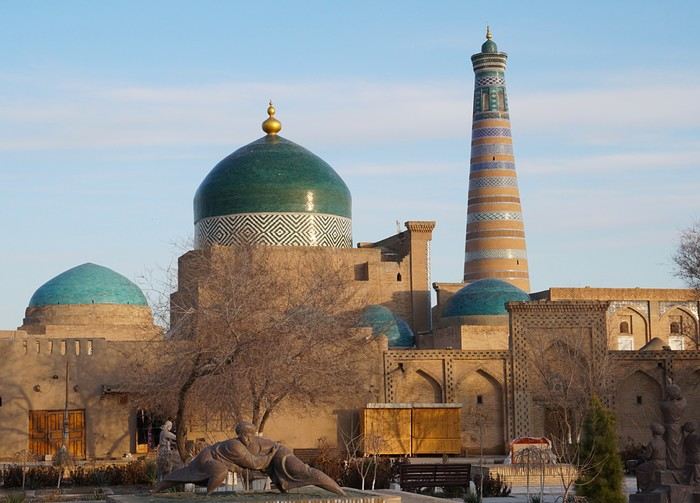
To answer your question, the photo of the Islam Khodja complex is, in my opinion, a photo of a site with a tower, even if this tower is located on a third-line of the image.
The "rule of thirds" doesn’t mean that the eye will primarily see what’s in that area of the photo. The rule of thirds is a composition suggestion to avoid centering the subject—it’s a Western aesthetic criterion.
I’d already heard of this rule, which has probably been circulating for over a century among both amateur and professional photographers.
Obviously, the big trap is using it systematically, mechanically, and without thought.
I take my modest photos by instinct, my first reflex being to frame correctly, then on my screen, I look at my subject and then my subject with its surroundings. Based on that, I use this rule fully, a little, very little, or not at all.
I think it’s logical to say that a centered photo follows a basic principle of balance. Decentering the photo introduces an imbalance somewhere, and you have to do it in a relevant way to avoid ruining the effect.
I asked a professional 😎 who told me that every pro learns this principle, but then there’s real life, actual practice, and you often end up shaking things up.
I immediately thought of tennis, where you’re taught to play a forehand by making a figure-eight with your arm movement. When you watch champions play, you realize it’s nothing like that—it’s a sharper, more brutal, more compact motion. The same goes for painting: you learn the basics, and then you twist, distort, and transform them.
It was also mentioned that this rule applies mainly to landscapes and not so much to other subjects.
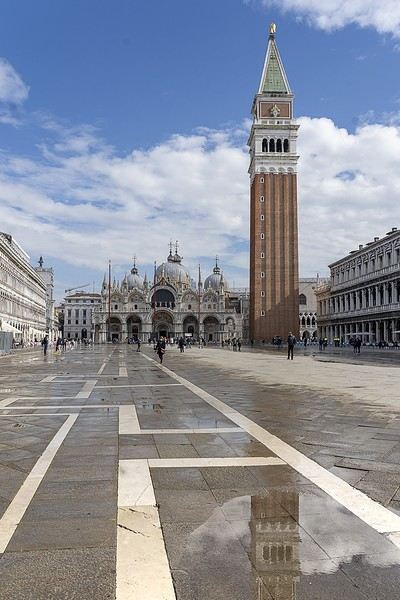
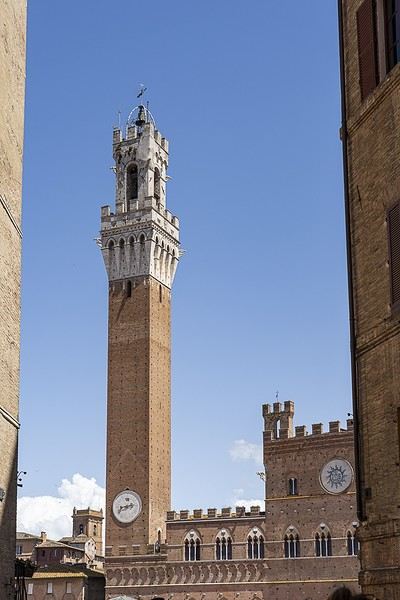
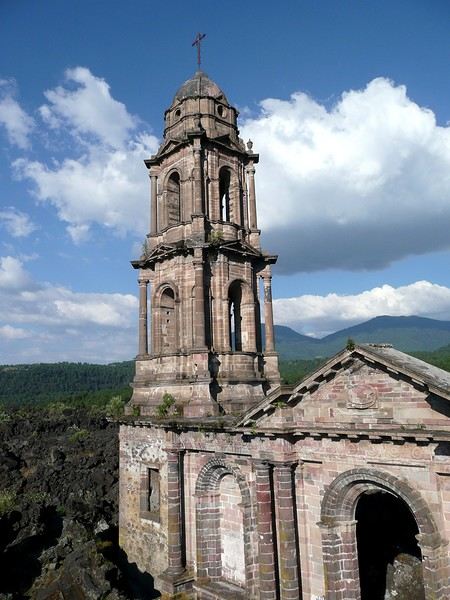
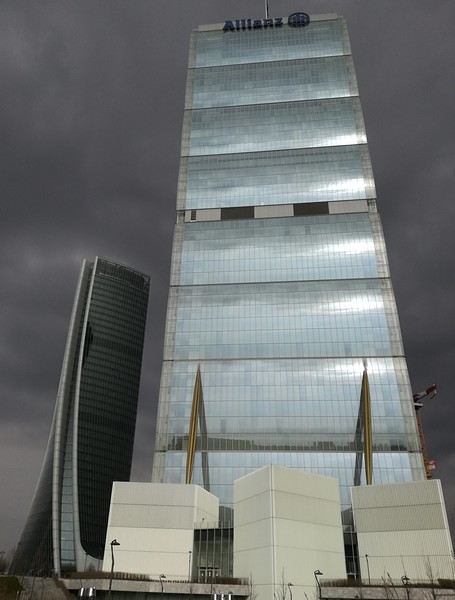
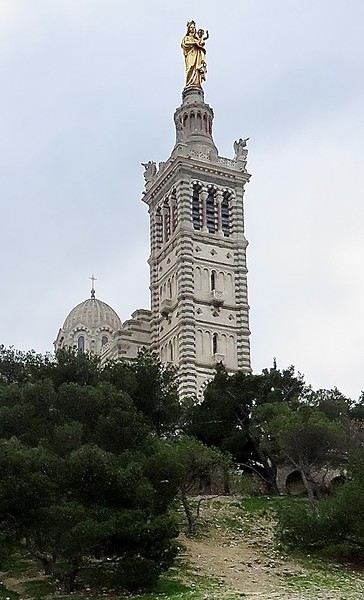
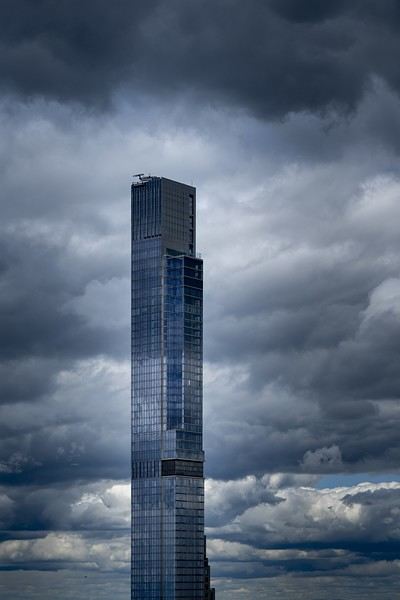
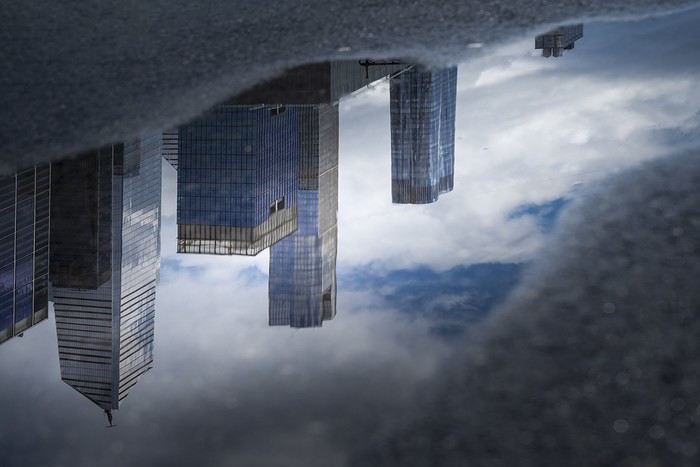
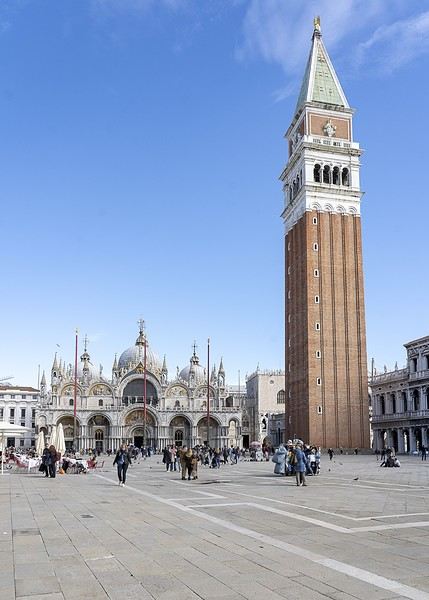
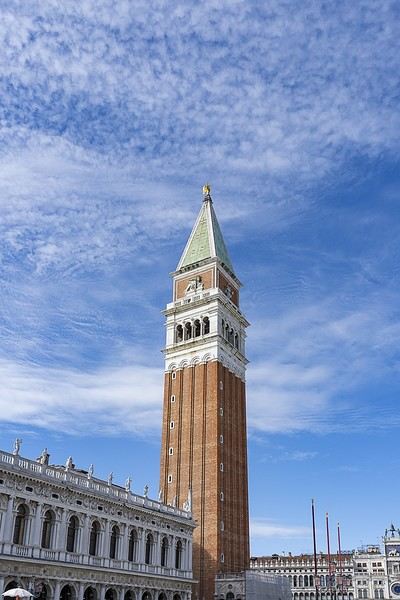
For example, with your second photo, my eye is immediately satisfied. The perspective counterbalances the tower, this perspective leads to a kind of highlighting of the buildings in the background, and the eye finds several equally interesting points in this image.
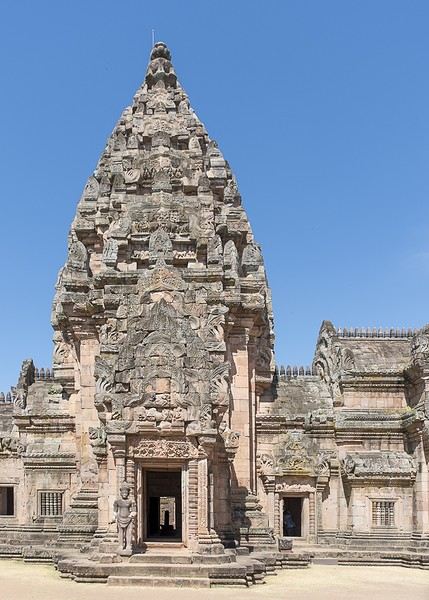
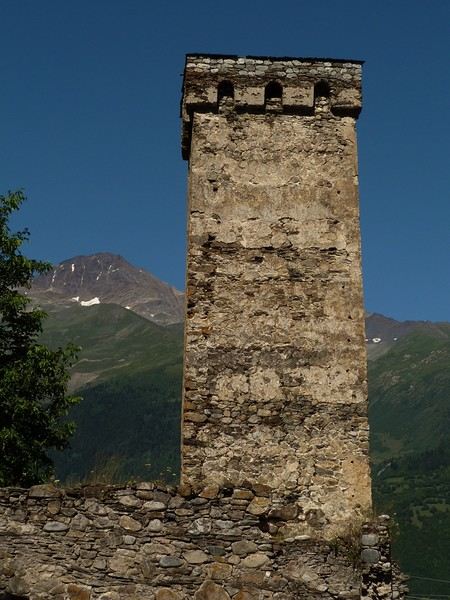
On the other hand, my eye is immediately irritated by the Angkor photo, though I can’t easily say why. The tower seems to have been awkwardly relegated to the left side. The far-left part of the building is cut off at a bad spot. To me, this is a classic case of applying a principle when it would’ve been better to skip it.
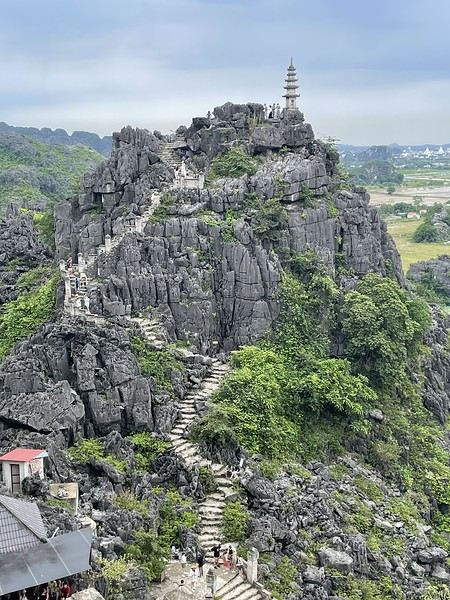
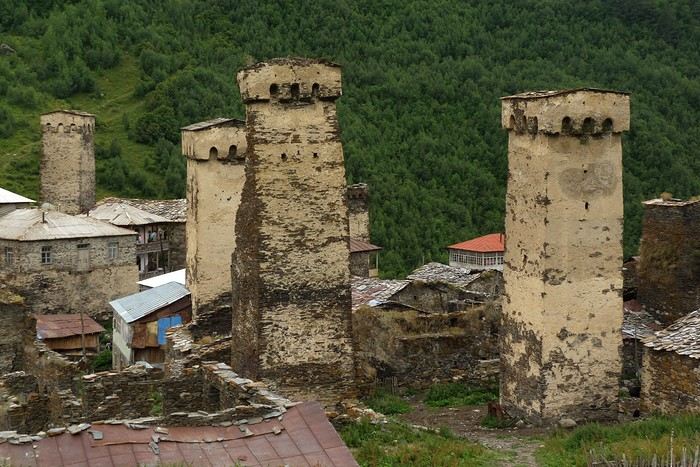
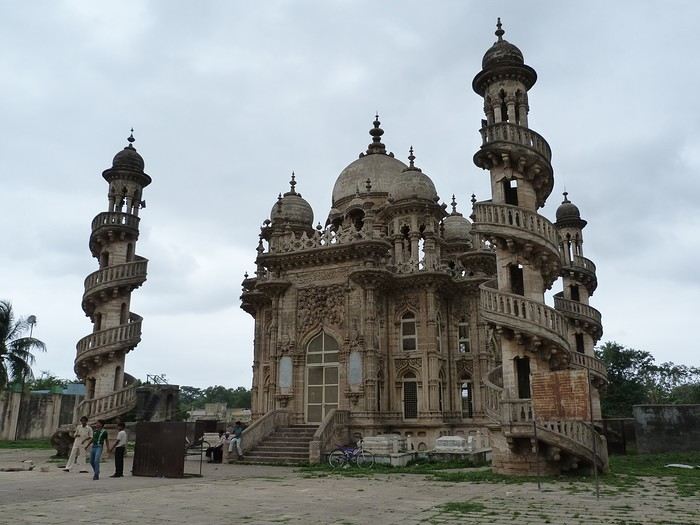
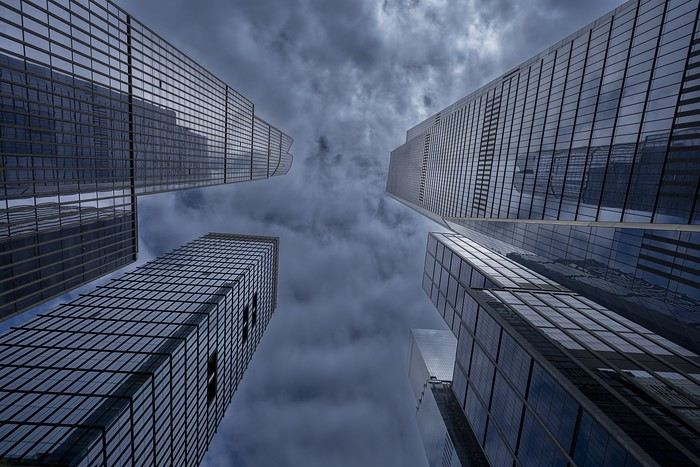
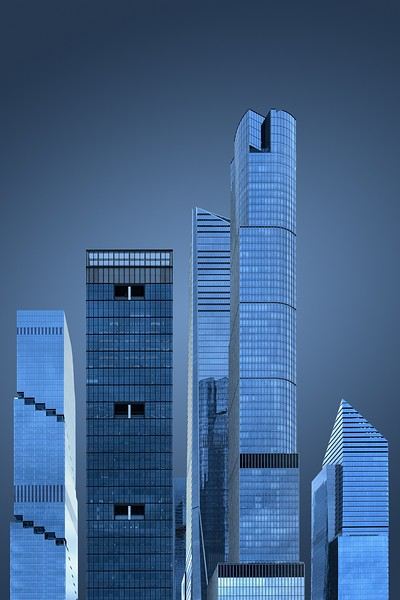
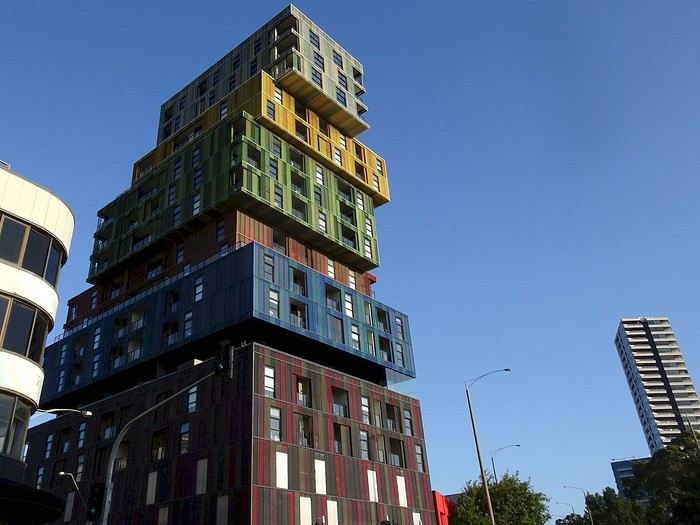
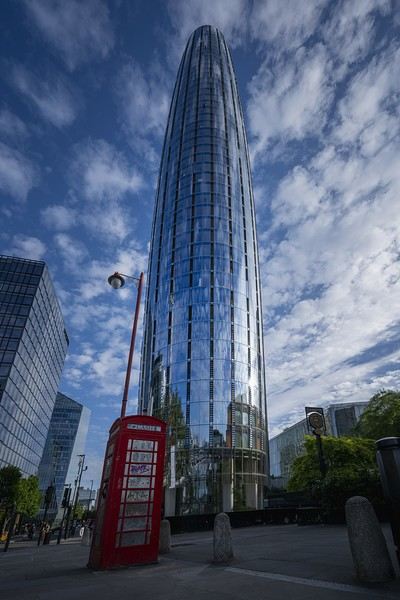
For the last photo, the application of the principle is very convincing, but honestly, the towers or walls appearing on either side are a bit of a downer.
I found an interesting read that confirms what I instinctively suspected. Here’s the link first:
https://www.adobe.com/fr/creativecloud/photography/discover/rule-of-thirds.htmlAnd some excerpts from the text:
"It’s not really a rule. It’s more of a guideline or best practice," says photographer and designer Shawn Ingersoll about the rule of thirds in photography.
Does every photo follow the rule of thirds, then? Certainly not. But every skill or art relies on certain fundamentals, and it’s important to understand and master them to improve your abilities. Repetition is key to success when it comes to perfecting basic skills. Practice builds muscle memory, as well as your eye, and ultimately, it’s instinct that tells you what works and what doesn’t in photography.
"If you look closely at all the images we see around us, you can notice the use of the rule of thirds, even without understanding it or being able to apply it perfectly," says photographer, author, and teacher Khara Plicanic. "But it’s incredibly useful for beginners who need a practical starting point to help with their composition."
The rule of thirds is a composition principle that places your main subject in the left or right third of an image, leaving the other two-thirds more open. While there are other forms of composition, the rule of thirds generally leads to compelling and well-composed photos.
The rule of thirds may not be an absolute decree, but straying from such an artistic safety net can be intimidating for a beginner.
« Tout le monde s'interroge sur comment laisser une meilleure planète à nos enfants, mais on devrait plutôt penser à laisser de meilleurs enfants pour notre planète. » Clint Eastwood
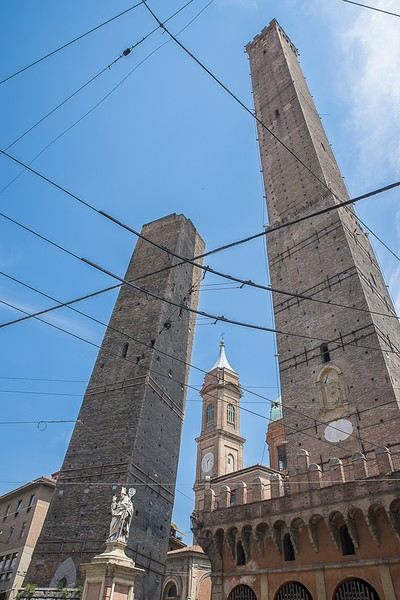
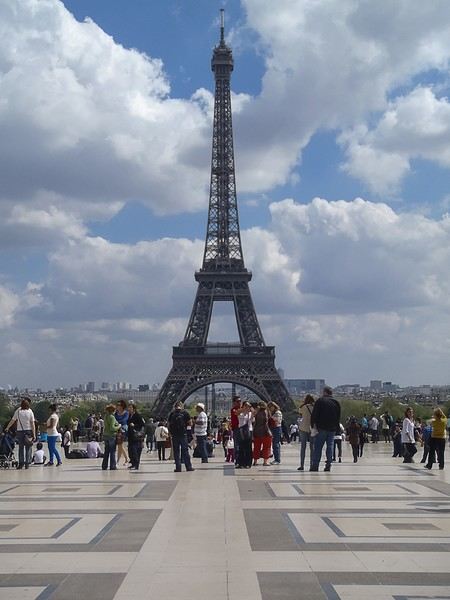
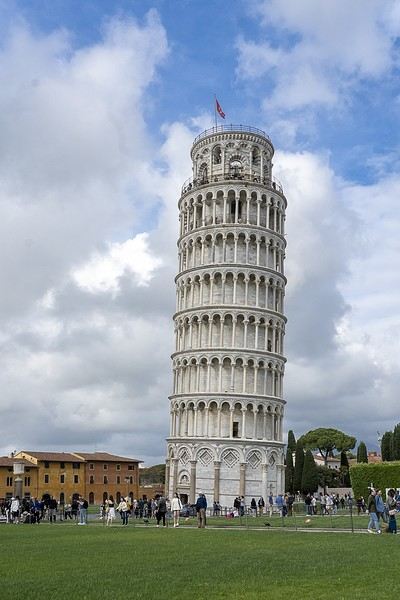
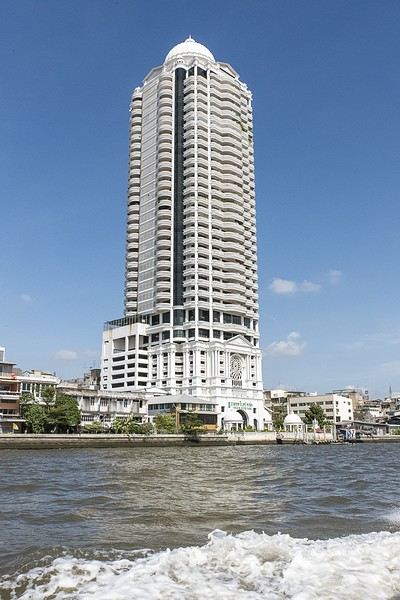
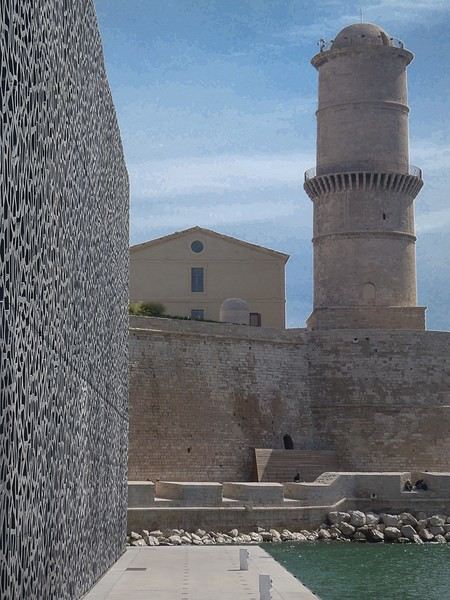
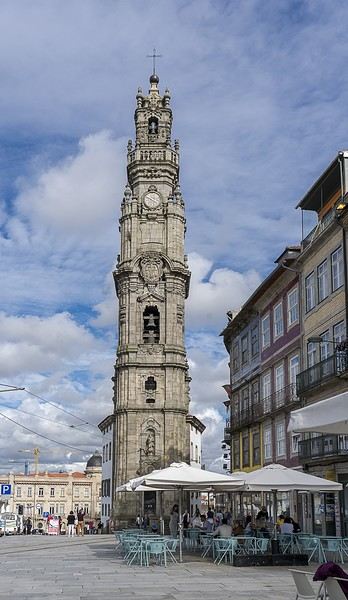
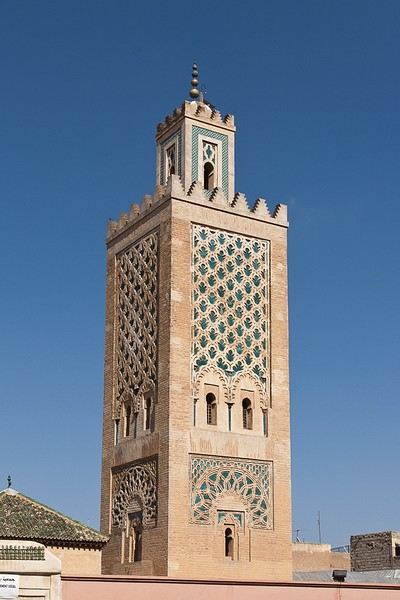
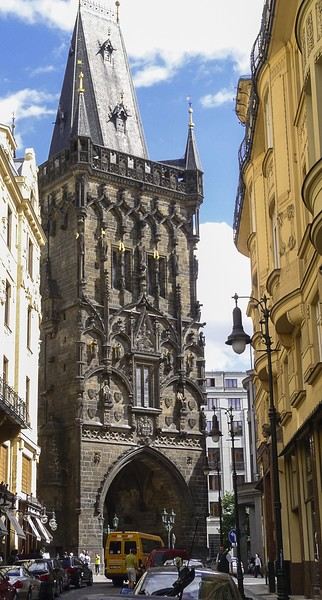
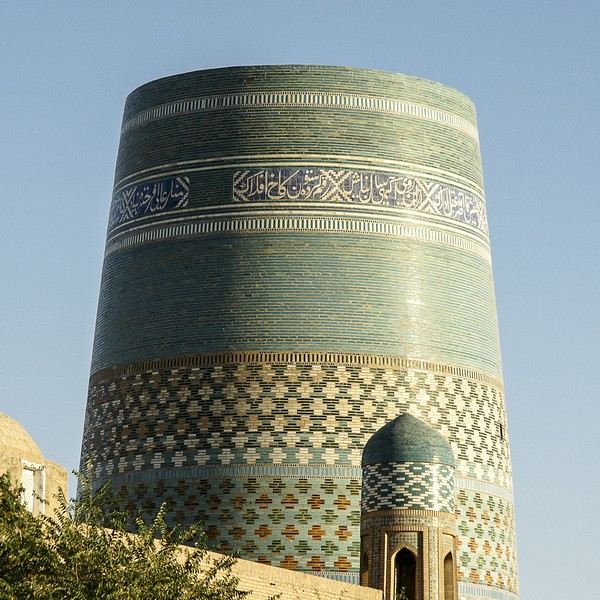

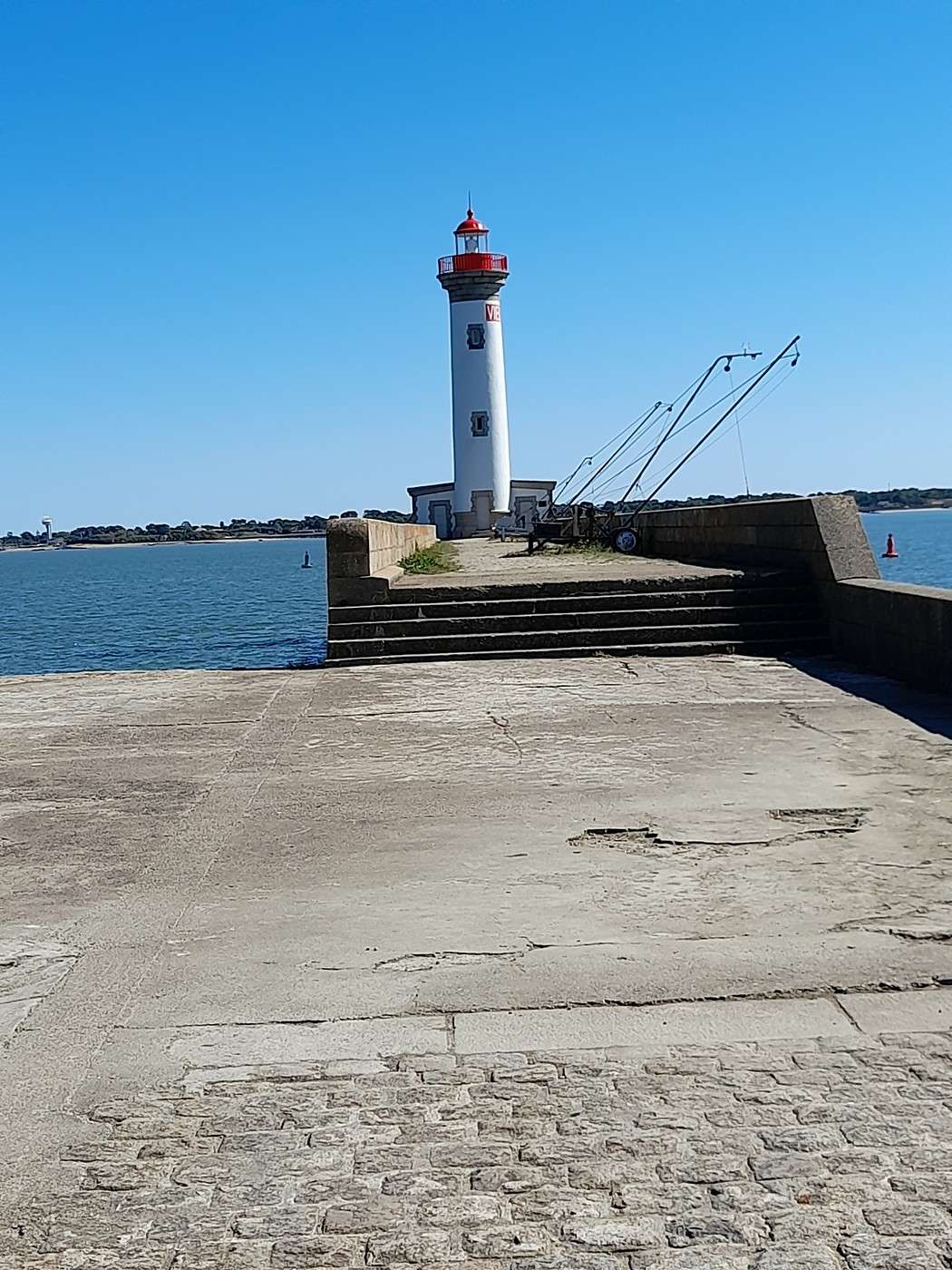
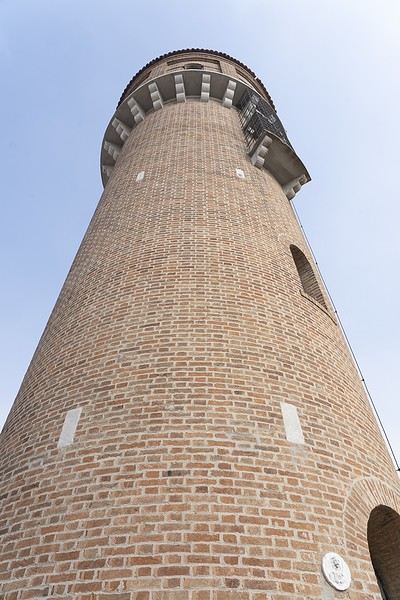 I’ll take this opportunity to mention that old lighthouses are often beautiful towers too. I only have small ones on my hard drive—the big ones are on film. I need to go back to Ouessant!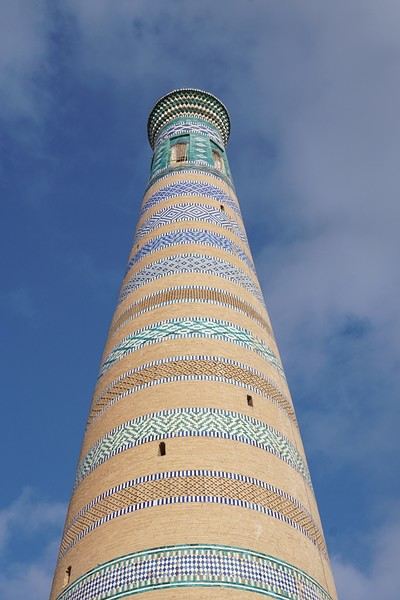

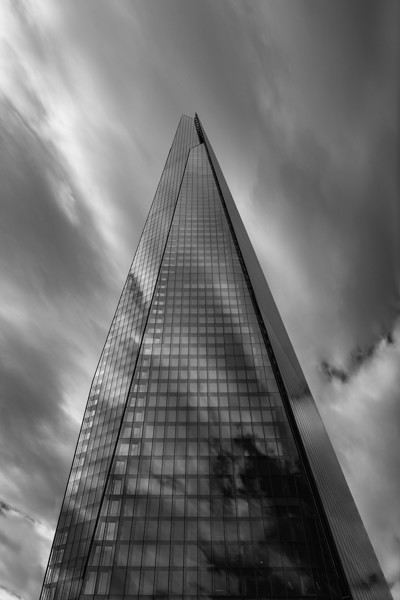
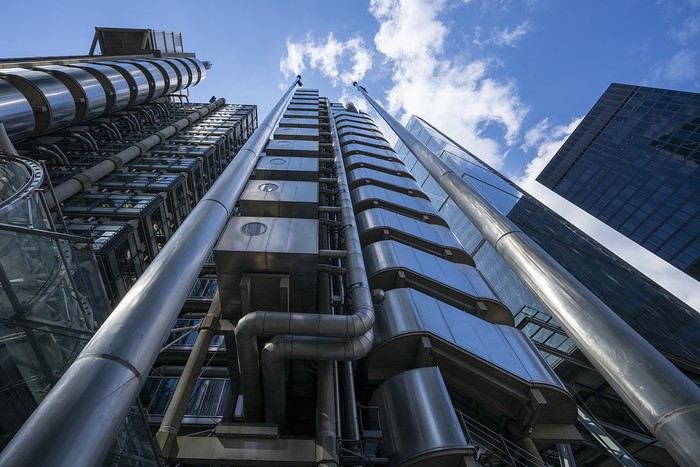
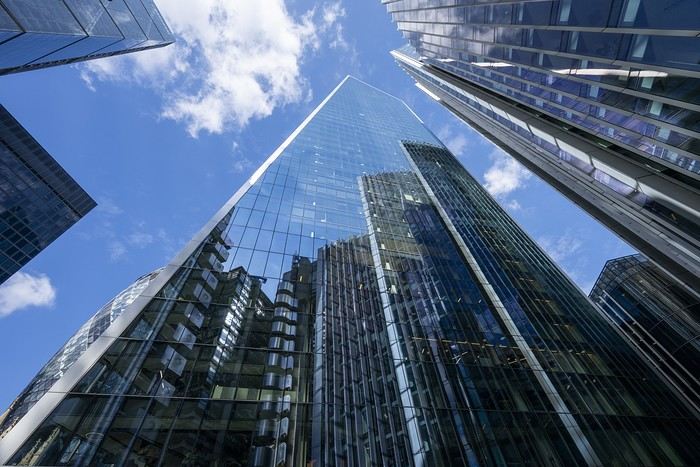
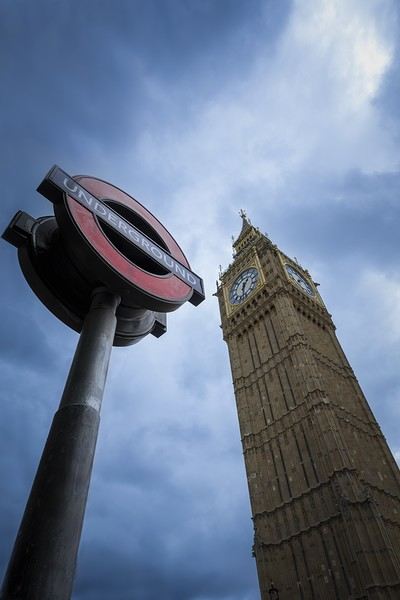
 Densha Otaku - Lesser-Known Regions
 Two weeks under the Puglia sun
 Return to Swedish Lapland: Trek on the Kungsleden and Crossing the Sarek
 Off on a winter adventure in the American West!
 3 weeks in Laos, stress-free
 Draw Me Your Japan...
 South Africa in safari mode: February/March 2026
 Back in Tunisia (live account)


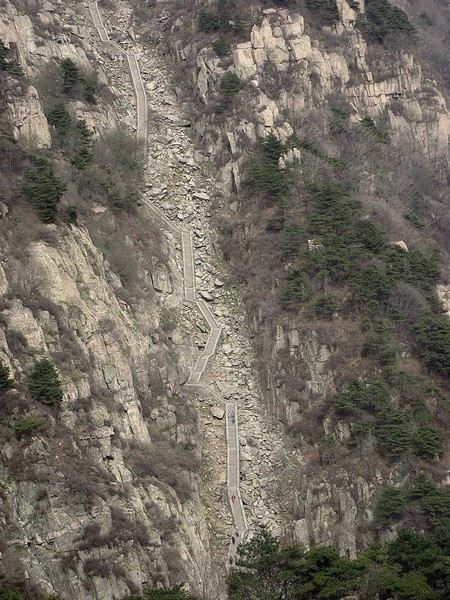
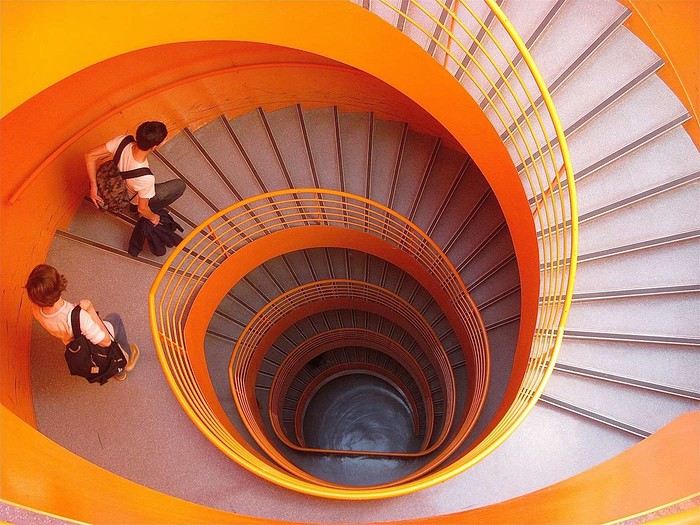
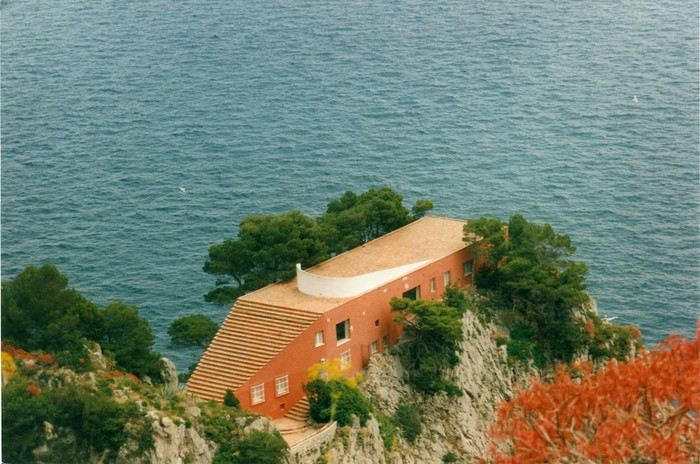
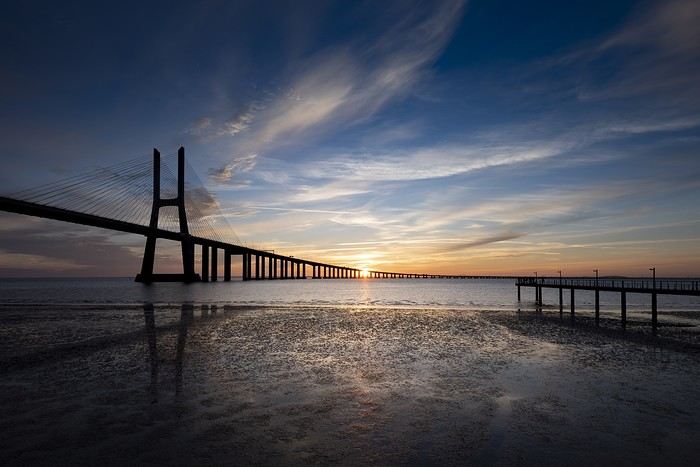 Vasco da Gama Bridge in Lisbon
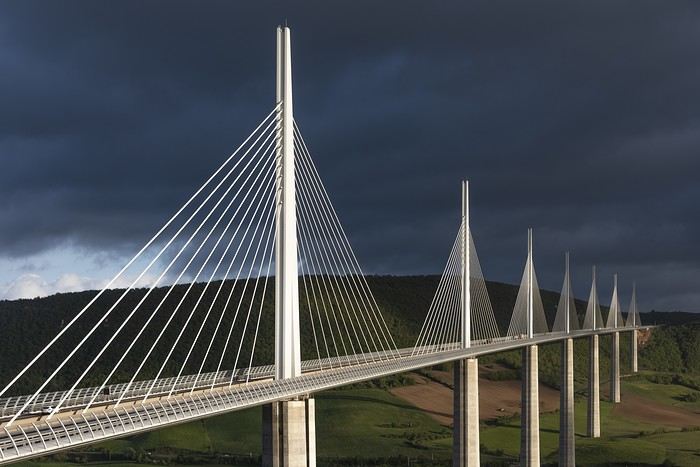 Millau Viaduct
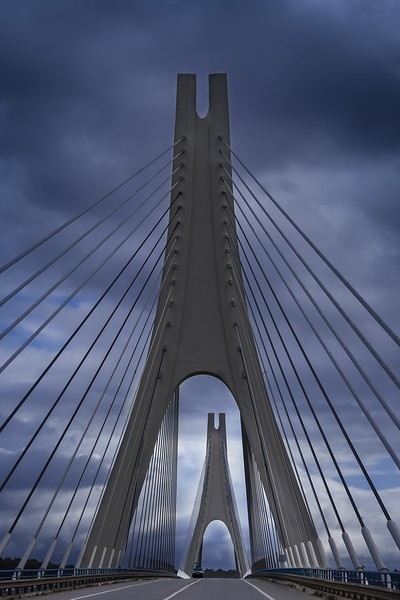 Bridge in the Algarve
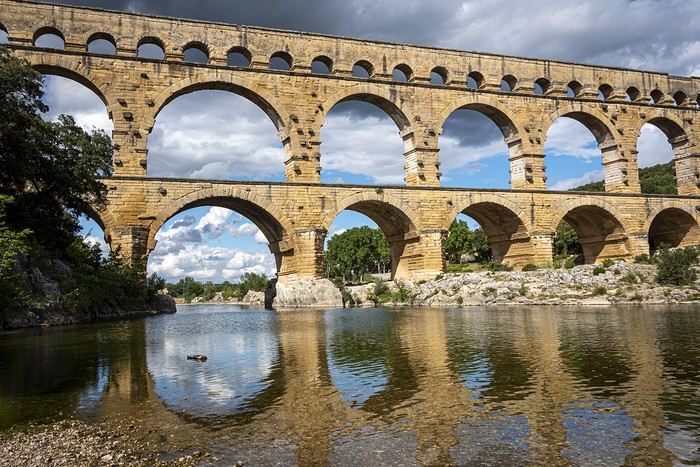
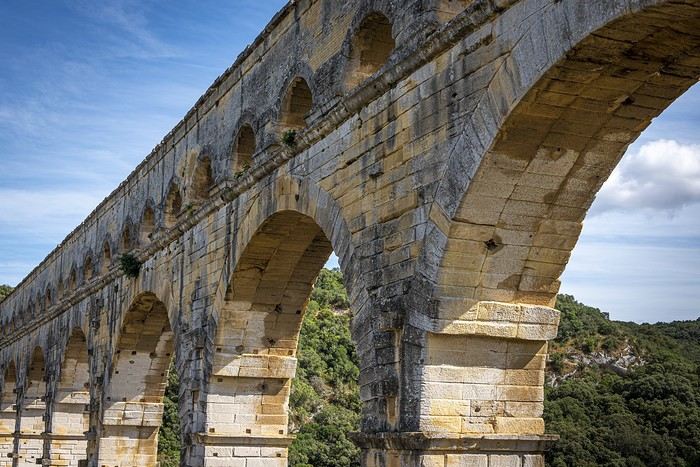 Pont du Gard from below
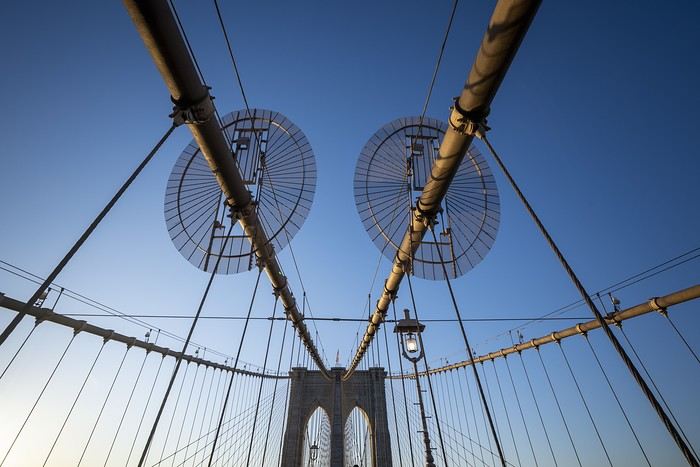 Brooklyn Bridge

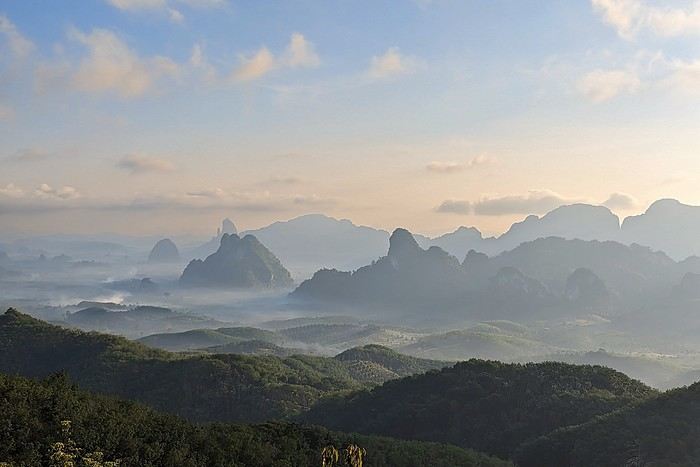



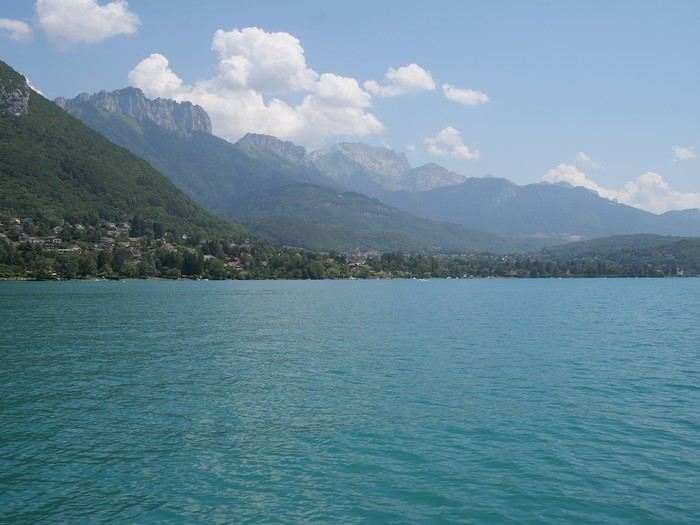 Lakes (Annecy)
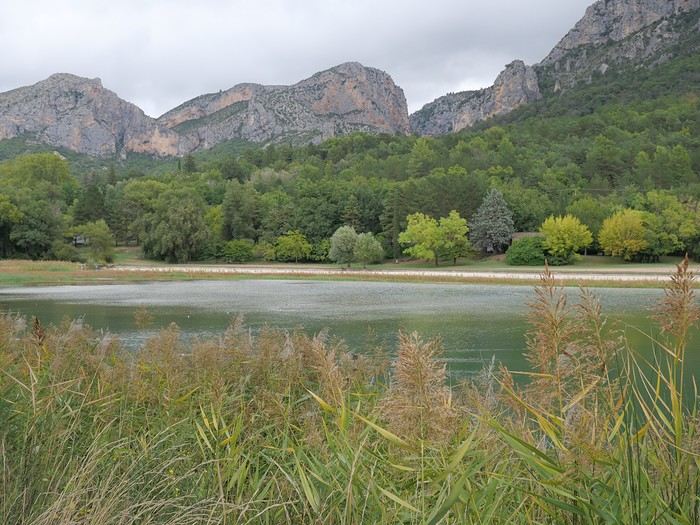 Ponds (near Moustiers Saint Marie)
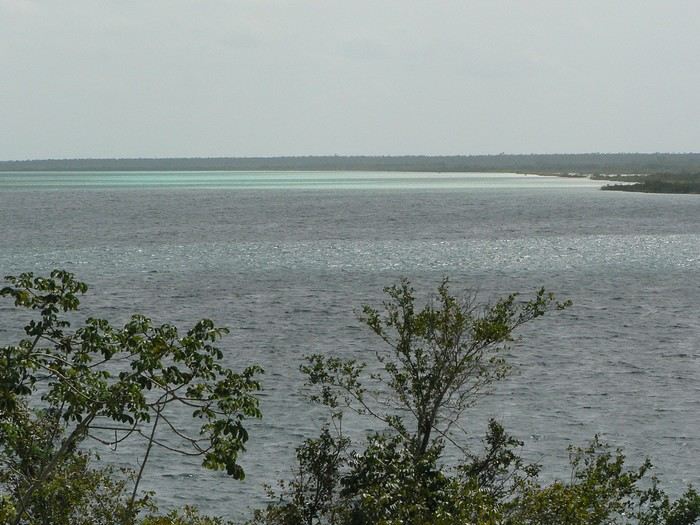 Lagoons (Bacalar)
 Have fun and surprise us! Photos of computer towers are excluded 😏
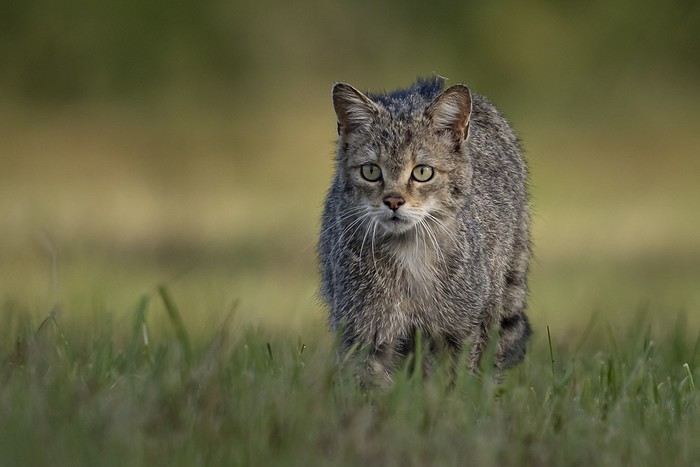 Forest cat