Bonjour,
Nous devons partir en Mauritanie fin décembre en famille avec deux enfants de 11 et 6 ans.
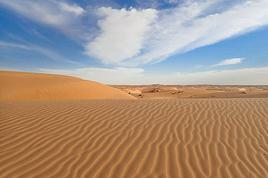
Nous prévoyons de passer la majorité du temps dans un village à 400 Km d'Atar et dans le désert.
Quelles sont les précautions à prendre, particulièrement pour notre fille de 6 ans ??? Nous prévoyons les vaccins contre paludisme et fièvre jaune... quoi d'autre exactement ?? les pastilles pour l'eau...
Merci de vos réponses
Bonjour,
Un vaccin contre le palu? Cela n'existe pas! Ils n'existent que des traitements chimioprophilactiques plus ou moins efficaces et des précautions de base contre les piqures de moustiques.
Mais rien de cela n'est necesaire en Mauritanie qui n'est pas une zone impaludée.
Le desert est une zone saine, vous ne devriez pas rencontrer de problèmes particuliers. A mon avis, une bonne trousse à pharmacie fait l'affaire.
et les pastilles pour l'eau si vous vous trouvez obligé de consommer de l'eau du robinet/puit, ect...
Quant à la fièvre jaune, je ne sais pas si le vaccin est obligatoire, je m'en vais de ce pas le vérifier!
Sandrine
Effectivement, la vaccination contre la fiévre jaune est obligatoire.
Le palu ne sévit qu'au sud, à la frontière du Sénégal et le long du fleuve eponyme.
En principe, là où vous allez, il n'y a pas de risque, non?
Je vais donc vérifier auprès d'un médecin pour le palu... dans le doute on fera le traitement.
Je saurai demain notre position géographique exacte.
Un grand merci à vous pour vos renseignements et réponses.
Nathalie
pourquoi vouloir faire un traitement inutile pour l'Adrar, et contraignant, contre le palu, puisque seulement la région du fleuve est sporadiquement infestée. c'est aussi utile qu'un gilet de sauvetage, et plus dangereux.
Il faut meme se méfier des médecins le prescrivant, c'est une preuve de leur déconnexion de la réalité.
La vaccin fievre jaune est la seule précaution et obligation.
Il est bon d'avoir sur soi un traitement intestinal, les pharmacies ne courrent pas les rues, mais la aussi pas de panique, la tourista n'est pas une spécialité du pays.
Merci Raoulx de ta réponse... en fait, je pensais que le palu faisait partie des choses à craindre... vu les réponses que je reçois, me voilà rassurée, surtout pour mes petits.
Côté serpents et scorpions, je pense qu'en décembre ils ne doivent pas trop sévir...
Si il y a un truc à ne pas faire ou à ne pas oubier, merci à nouveau de me le communiquer.
N.
J'ai passé en 2000 une semaine dans le desert mauritanien en dormant à la belle étoile. Je n'y ai croisé que des scarabés. Je ne suis pas certaine qu'il y ai des scorpions mais cela reste à vérifier.
En revanche, j'ai le souvenir d'une (petite)tempête de sable...et cela n'est pas agréable pour les yeux. Ainsi, si j'y retourne j'équiperai ma petite famille de lunettes complétement couvrantes (du style de celles que l'on utilise au ski) et bien entendu de protections pour la tête, contre le soleil mais aussi contre le sable. Le chech local, étant à mon avis le plus approprié...a testé sur de jeunes enfants...
Merci beaucoup sandrine de ton message... oui je penserai aux lunettes et aux chechs... je suis équipée car mon dernier voyage dans le désert tunisien date de quelques mois... mais c'est la première fois que j'emmène les enfants... et que je vais en Mauritanie. Je connais seulement l'Egypte et la Tunisie
Effectivement, en mars en tunisie, il n'y avait que des scarabés... mais la Mauritanie est un peu plus bas (pas tant que ça tout compte fait !).
Tu es une fana du désert toi aussi ??
Nath
En réalité, c'est davantage l'Afrique que le desert qui m'attire. J'aime énormément l'ambiance des villes africaines du nord comme du sud et là, on est loin du calme du desert!!
Depuis que j'ai des enfants, je voyage avec eux. Ils sont encore trés jeunes (3 et 5 ans) mais ont déjà pas mal de kilométres à leurs actifs: Antilles, Gréce, Italie, Europe du nord, Tunisie, Maroc, ect
Doucement nous descendons plus au Sud, c'est pourquoi la Mauritanie s'est présentée ou peut être le Sénégal.
Mon souci principal étant mon plus petit garçon qui se fait énormément piquer dés que des moustiques se présentent à l'horizon et en dépit des précautions d'usage. Il a suivi un traitement homéo cet été car il réagissait aux piqures par des espèces d'oedèmes. J'évite donc encore les zones impaludées, il n'a que 3 ans...mais c'est vrai que le désir de revoyager en Afrique noire est trés vif!
Ils ont de la chance ces bambins !! Les nôtres connaissent juste l'Espagne (ça va on est à côté !!) et la tunisie (djerba + un jour de désert...).
Donc, ce sera le "grand" voyage pour eux... faut dire que je suis une inquiète et ma fille de 6 ans bientôt est une toute petite puce... C'est la raison pour laquelle j'avais hésité un peu avant de décider de partir en Mauritanie... mais je suis contente d'avoir opté pour le OUI...
Je vais bien me renseigner pour le palu et voir si on peut effectivement faire du préventif pour les piqûres de moustiques car mon fils est sujet aux fortes réactions... mais bon, il a 11 ans.
Faire du preventif oui mais à condition que cela s'impose. Si vous voyagez dans une zone sans risque, il est inutile de prendre des médicaments. Les anti-paludéens sont toxiques et souvent difficiles à supporter pour le corps, alors si on peut s'en dispenser!
De mon coté, c'est précisément en raison du faible risque de contracter le palu que j'envisage d'y faire voyager mes enfants.
Renseigne-toi bien avant le départ,
Sandrine
Je confirme qu'il n'y a pas de palu dans la plus grande partie de la Mauritanie; seule la région du Fleuve est touchée. De toute façon, aucun traitement prophylaxique n'est efficace à 100 %, et mieux vaut opter pour une bonne prévention, notamment pour des enfants en bas âge, les traitements étant déjà très costauds pour des adultes. Si jamais tu préférais te munir d'un traitement, achète-le ici, il vaut 3/4 fois moins cher qu'en Europe.
Où est ce village à 400 kms d'Atar ?
cordialement, olivia
Je te remercie de ta réponse et je vois que tu es à Nouakchott !! génial, parle moi un peu de ton pays !
Je te dirai où nous allons, je sais que c'est un petit village... en fait nous partons a plusieurs et c'est l'un de nous qui organise ce voyage. Ce sera pou rlui la 3e ou 4e fois qu'il part là-bas... comme je me suis décidée récemment, je ne connais pas encore le programme exact... nous irons également passer 3 ou 4 jours dans le désert.
Mon rêve également serait d'aller à Chinguetti ... pour voir cette plus vieille bibliothèque du monde (entre autre)...mais je ne sais si nous en aurons le temps...
Merci encore toi.
Nathalie
Merci Sandrine... oui, je vais bien me renseigner, effectivement, inutile de donner un traitement toxique à mes enfants si le risque de palu est inexistant...
Quand j'en saurai plus sur notre voyage je te le communiquerai.
Merci encore.
Nathalie
🙂 Bonjour,
j'arrive tardivement mais bon je peux vous informer que le vaccin contre la fiévre jaune n'est pas important pour un séjour inférieur à 21 jours, Mais pour les enfants il faut impérativement avoir un serrum ou cholure pour les yeux et dès les premiers jours ils vont commencer à jouer avec le sable.
Les pastilles désinféctantes genre mucropur et autres seront utiles pour un premier voyage.
Pour les enfants une crème solaire est indispensable même en hiver en mauritanie
bon séjour
lemaur
l'hirondelle ne fait pas le printemps, mais le chameau fait le désert
pour l'actualité:
le terroriste ne fait pas le printemps et le voyageur fait le désert
Super... un correspondant de Atar... et un grand merci pour tes renseignements.
C'est la première fois que je vais sur un forum et je suis très agréablement surprise de tous ces retours très sympathiques.
Nat
Bonjour, je voyage depuis 1996 chaque année en Mauritanie durant 2 ou 3 mois. J'y ai emmené mes enfants dès l'âge de 9 ans, à pied, en chameau et en taxi-brousse. Nous n'avons jamais eu de problèmes de santé. Paludisme et fièvre jaune sont totalement absents de l'Adrar. Il y a une obligation de vaccin fièvre jaune seulement si le sejour dépasse 15 jours mais en pratique personne ne me l'a jamais demandé et nous n'avons jamais fait les vaccins. De toute façon en Mauritanie tout s'arrange toujours si on a le sourire et au pire (très rarement) avec un petit billet auprès du fonctionnaire réticent (et sous-payé...). Les mauritaniens qui vivent dans le désert sont des gens exceptionnels, mais attention aux endroits plus touristiques !... Pour les scorpions, ils aiment les endroits humides, donc éviter de s'installer pour la nuit à proximité de touffes herbeuses et n'ouvrir son sac de couchage qu'au dernier moment. Pas de panique, en 20 mois de désert, je n'ai vu des scorpions que 3 fois, sans jamais être piqué. Il ne pique que si on marche dessus, la piqûre, très douloureuse n'est pas dangereuse. Le plus efficace est d'appliquer la pierre noire (en fait un os calciné qui absorbe le poison). On peut aussi frotter la piqûre avec une plante locale qui s'appelle Moujloud. Bpn voyage !
Merci beaucoup pour ce message très rassurant. Je ne me fais effectivement pas de souci pour mon fils qui a 11 ans, mais un peu plus pour ma fille de 6 ans à peine qui est une petite puce. Mais depuis que ma décision est prise j'en suis heureuse. Elle montera sur le chameau si elle est fatiguée et je vais emporter des barres de céréales à profusion. Quant à l'eau, je prendrai des pastilles type micropur.
De tout efaçon, nous ne partons qu'une semaine ce qui limite quand même les soucis.
Merci encore.
""""De toute façon en Mauritanie tout s'arrange toujours si on a le sourire et au pire (très rarement) avec un petit billet auprès du fonctionnaire réticent (et sous-payé...). """"
Dans la mesure ou la vaccination obligatoire fièvre jaune ne concerne que le retour en Europe, pourquoi corrompre des Mauritaniens, et surtout pourquoi continuer à encourager une pratique qui ne s'arrétera que quand il n'y aura pas d'offre.
bien sûr, au niveau de l'éthique, on ne doit pas corrompre les fonctionnaires mauritaniens !... Mais hélas le monde où nous vivons n'est plus tout à fait un paradis terrestre... Personnellement je n'ai jamais eu à payer pour manque du vaccin fièvre jaune mais si j'avais à choisir je n'hésiterai pas entre enrichir un labo européen qui profite d'une législation sur les vaccins obligatoires (et subir au passage une injection qui n'a rien d'anodin) ou donner 500 UM (1, 50 euro) au flic trop zélé... Il y a même pire: on peux acheter pour 1 euro au poste frontière du sud de faux certificats de vaccination...
Il est souvent permis de dire qu'avec un billet tout est permis en Afrique, ce que je trouve logique car en afrique rien n'est reglementé et tout est gratuit.
Je m'adresse à ce qui nous moralisent que faites vous lorque vous venez en afrique avec des voitures à craquer d'objets d'occasion et vous vous installer au coin de la rue pour vendre ces objets que faites vous de la morale?
Qui corrompe qui dans ce cas? Qui fait fi à la reglementation?
Dans ces pays pauvres tout fait défaut pour appliquer la reglementation, des brèches béantes du fourre tout ou des nationaux vous diront que rien n'est impossible.
Vous du Nord, pays de la force de la loi ou tous les parking sont payant pourquoi vous delaissez votre savoir vivre aux portes de l'Afrique? Pourquoi corrompre car cette culture n'est pas la votre?
la corruption existe en Afrique, elle s'appelle arrangement, sous d'autres cieux elle doit certainement avoir d'autres noms.
En mauritanie que je connais, n'echappe pas à la régle ou dans notre vocable tout n'est pas grave si ce n'est pas une histoire de chameaux., j'ai assisté depuis quelques années à cette évolution des mentalités ou au début le touriste est consideré comme un aventurier en manque de grands espace et sans le sou, les choses se gatent avec les faux guides de la frontière qui négocient les passages avec les postes.
Un autre exemple cette fois ci plus innocent c'est les bonbons et les stylos pour les enfants, les premiers toursites qui distribuaient gracieusement les bonbons dans les villages pour les enfants ont enraciné dans la mentalité que tout toursite à des bonbons ou des stylos à distribuer.
Je reviens à notre sujet également le premier toursite qui a donné un billet à un poste moyennant un passage a ouvert le bal et a participé dans l'édifice de cette mentalité propre à nous en Afrique : tout toursite à de l'argent prêt à donner pour gagner du temps.
lemaure
l'hirondelle ne fait pas le printemps, mais le chameau fait le désert
pour l'actualité:
le terroriste ne fait pas le printemps et le voyageur fait le désert
Et bien ! le débat est ouvert ! Maur, bravo pour ton intervention ! Je constate que depuis 96 la Mauritanie a bien changée... et surtout Atar depuis l'ouverture de l'aéroport international... La plus grande richesse de la Mauritanie est une richesse humaine ( accueil, générosité, sens de l'humour, leçon de vie remarquable d'adaptation à un milieu si difficile, etc...) qui reste intacte pour celui qui veux bien se donner la peine de laisser en occident sa frime, ses gadgets, sa mauvaise conscience d'ancien colonisateur et sa bonne conscience d'aide humanitaire... et pour celui qui fait l'effort de s'éloigner des centres urbains avec les moyens de transport locaux. Mais hélas, même si tu ne voyages pas avec un sac à dos rempli de stylos, bonbons et gadgets pharmaceutiques, tu peux difficilement échapper aux "donne moi cadeau, donne moi bic"... Et que penses tu des femmes et des enfants qui maintenant se baladent en plein désert à la recherche d'un client pour vendre leurs canettes de coca-cola ? Quel est le premier imbécile qui a préféré boire ça plutôt qu'un zrig délicieux ou un thé revigorant ? Qu'est-ce qu'on doit faire maintenant ? Laisser l'Afrique tranquille et ne plus y foutre les pieds ? ...
Pour un séjour hivernal dans l'Adrar, ne pas oublier de prendre des petites laines, les nuits pouvant être très fraîches. Je ne sais pas si la fièvre jaune est obligatoire pour un séjour en Mauritanie, mais si elle ne l'est plus, elle reste très fortement conseillée pour deux raisons : 1) on ne badine pas avec la FJ qu'on peut contracter sur l'ensemble des aéroports africains (moustiques), 2) la piquouze a une validité de 10 ans.
Côté intestinal, l'eau est très saine sur le plan bactériologique dans l'Adrar. Elle peut avoir un petit goût salé tout au plus dû à la présence de natron. Les pastilles d'eau de Javel et épurateurs ne sont pas nécessaires. En revanche, des pastilles de sel peuvent être utiles par forte chaleur l'été pour éviter la déshydratation.
Quant à la tourista, ses origines ne sont pas toujours infectieuses. Le fait de boire glacé, par exemple, peut être à l'origine de fortes diarrhées à l'arrivée. C'est pourquoi une boîte d'ercéfluril et une boîte d'imodium devrait systématiquement faire partie de la trousse du routard.
Prendre en compte très sérieusement les problèmes d'allergie, car l'hôpital d'Atar n'est pas forcément bien équipé en médicaments.
Et bon voyage dans l'Adrar.
Bonjour
Nous avons vecu, pendant l'hiver, 5 ans en Mauritanie avec ma fille de 7 semaines jusqu'à 6 ans. Nous avons fait des sortis en brousse dans l'Adrar et le Tagant même jusq'au fleuve Senegal. Des sorti à dos de chameaux (super experience pour les enfants!!) en 4/4 et à pieds..........
En hiver il n' ya pas de paludisme nul part en Mauritanie même pas vers le Senegal. la fièvre jaune est obligatoire seulement en venant du Senegal.
C'est le soleil le plus dangereux et la poussière qui peut causer des irritations des yeux. une bonne trousse de pharmacie (aussi bien pour distribuer au Maures)
Voici le plus important de ma trousse:
Collyre
Euphrasia monodose de Weleda serum physiologique,
contre le Diarrhée
Smecta, Argile fine : pansement gastrique
Perenterol (pour régénérer la flore intestinale)
Charbon activé : 2 c.à s. dans l’eau 3x/j.
Calendula TM : neutraliser les toxines (30 gt avec de l’eau toutes les 3 h)
Nux vom 9ch : 1 dose
Deshydratation
Alhydrate®, Lytren® Sels minéraux pour la déshydratation (sachet ORS) -Antiséptique
TM Calendula, Arnica,
Crème solaire
Coups de soleils et brûlures au 1er degré >
Biafine®, Homéoplasmine
Chlorure de magnésium : compresse sur la brûlure
Décongestionnant nasal
Sérum physiologique
Traitement de l'eau
- Pastilles ou gouttes de chlore (Hydrochlonazone, Drinkwell) ne tuent pas absolument tous les parasites mais une bonne partie, goût de javel.
- Ion argent (Micropur) pour conserver l'eau déjà potable. Cette marque propose aussi une nouvelle génération de pastilles et des gouttes ''fortes'' qui associent un traitement classique et sa conservation longue durée.
L'ultrafiltration : Le principe est de ne laisser passer (presque) que les molécules d'eau et de retenir les parasites, microbes, et virus... Certains modèles sont aussi équipés de filtres à charbon complémentaires pour enlever les goûts et odeurs résiduels. Il y a aussi parfois un traitement chimique additionnel avec une résine iodée
Antibiotique large spectre
Augmentin : morsures, infections de la peau, pneumonie, infections urinaires, infections aux oreilles, bronchite, sinusite) Ciproxine : meilleur antibiotique pour le traitement d'une diarrhée infectieuse et pour la dysenterie Zitromax : infections des voies respiratoires supérieures
L’extrait de pépin de pamplemousse (30gtte 3x par jour)
Si tu a plus de questions n'hesite pas de me conntacter.
petra, sage-femme et artiste, musicienne, mère et nomade
Chère Leila... je relirai tout ce que tu m'as écrit demain, mais d'ores et déjà un grand merci pour ta réponse qui me paraît très explicite et complète... je te recontacte demain. Promis ! Super Merci !
Nath
Qu'est-ce qu'on doit faire maintenant ? Laisser l'Afrique tranquille et ne plus y foutre les pieds ? ...
Et oui thouz c'est la question mais quand on a lu un certain nombre de messages de maur au fil de ces derniers mois, on n'aurait plus envie d'y foutre les pieds...heureusement peu de locaux raisonnent comme lui.
🤪la prudence s'impose en ce qui concerne l'eau des puits;il faut savoir que
l'amibe n'est pas détruite par les comprimés de désinfection, mais par la
filtration de l'eau; d'autre part, les hopitaux locaux sont dans un état
d'insalubrité totale, sans compter qu'ils n'ont aucun moyen matériel ni financier.
(pour information un hélicoptére militaire basé à NOUATCHOK, quand il est en
état de marche...).
Donc, pour avoir connu l'hopital d'ATAR tout récemment, utiliser si possible l'eau
en bouteille durant le séjour, et prévoir une bonne assurance rapatriement en
cas de problème.
Dr.T.
L'eau distribuée à Atar est provenant de la source d'azougi, est d'une qualité gustative et bactériologique que peut envier la majorité des réseaux de distribution francais.
Nous sommes partis 2 semaines avec 200 l de cette eau et nous l'avons consommée sans modération et surtout sans traitement.
Bonjour Leila, Je voulais à nouveau te remercier de ton message que j'ai eu le temps de lire à tête reposée... nous partons normalement à Azougui fin décembre pour une semaine, c'est bien court par rapport à ton expérience mais avec nos enfants c'est la 1ère fois...je vais donc garder tes conseils précieusement. Merci encore. Nath.
Merci pour l'information. Nous avons bien conscience que le problème majeur est la consommation d'eau durant le séjour. Nous prendrons donc toutes les précautions qui s'imposent et en particulier pour les enfants petits. Merci encore.
nath
ma remarque concerne l'eau que tout un chacun
peut consommer(etre amené à consommer), qui
provient des puits, et qui est souillée par les
excréments animaux;ma remarque peut également
etre confirmée par mon épouse qui a contracté
une amibe, et nous nous sommes retrouvés à
l'hopital d'ATAR, que je vous invite à visiter, mais pas à fréquenter...
Dr.T.
Un petit bémol, il faut rester prudent en ce qui concerne le palu. Mais cette mise en garde n'est pas à appliquer en décembre mais bien durant les mois de juillet, aout... Ma petite fille, 6 ans, (je voyage avec mes quatre enfants depuis longtemps) a eu le palu à Nouakchott l'année dernière... Très grosse peur. Moi même, je l'ai eu cet été.
Ma petite fille a pris cet été du Malarone pour se protéger (1/4 de comprimé par jour). Il faut être prudent surtout avec des petits qui se déshydratent très vite en cas de fortes fièvres.
Voilà, malgré cela, je file en Mauritanie dès que je peux. Une vingtaine de fois déjà.... Donc, c'est dire si le pays est attachant.
Bon voyage.
Merci pour votre réponse. Le palu n'est donc pas inexistant, nous serons à Atar... de toute façon nous prenons contact auparavant avec le Centre de vaccination de notre ville et nous connaitrons exactement les risques, enfin je l'espère. Ca se traduit exatement comment une crise de palu ?
Bonjour,
Atar est assez loin de Nouakchott. Il n'y a pas de problèmes de palu dans ce coin. Je croyais avoir lu que vous alliez à 400 h-km de là....
Une crise de palu: fortes fièvres, vomissements, très forts maux de tête, diarhées parfois aussi. On est vite très mal.
Mais en décembre, vous êtes tranquille. Pas de stress inutile.
Bon voyage.
Dans l'Adrar, le risque de palu, est scientifiquement nul !!!!!! ce n'est pas parcequ'une personne évoque un cas assez rare, à 500 de là, d'une personne venant peut etre de la région du fleuve, que votre enfant doit patir du sacrosaint principe éxagéré de précaution.
Alors pourquoi vouloir imposer à un enfant un traitement inutile, qui, lui, aura des effets non désirés comme tout traitement!
il est évident que si vous allez voir un médecin en insistant pour avoir ce traitement, il vous le prescrira, ils tiennent à leur clientèle.
Pour faire encore plus fort, vous pouvez aller au service des maladies tropicales du CHU le plus proche. ils vous prescriront un bouclier complet. A moins de tomber sur un vrai spécialiste avec du terrain derrière lui, qui devrait vous rassurer et vous dire de partir sans crainte.
Je vous donne mon expérience avec des enfants, puisque j'ai emmené les miens (5 et 3 ans) 6 mois en Mauritanie, notamment vers Terjit, Choum et Oualata.
Paludisme : vous pouvez oublier, sauf si vous séjournez au sud de la route de l'Espoir. Mais n'oubliez pas les moustiques.
Scorpions : Nous n'en avons pas vu un seul en 6 mois, mais bon, je dirais qu'une fois peut suffire pour que ce soit grave si vos enfants sont allergiques. Nous avions pris un kit d'urgence (Solupred+Anapen+ventoline). Apparemment c'est surtout dans les oasis, sous les troncs pourris par exemple, qu'on croise des scorpions.
Soleil : il faut être prudent, bien sur, mais ce n'est pas un problème majeur, tout simplement parce qu'on ne peut pas rester au soleil, il y fait trop chaud.
Eau : pas de souci majeur, on trouve de l'eau minérale partout. L'eau des forages est souvent bonne... à la source, ensuite ça se complique. L'eau des puits, je ne vous la conseille qu'en thé. Par contre, difficile d'éviter le srig (eau+lait) de bienvenue.
Nourriture : soyez bien certaine que ce sera votre problème n°1. Vous aurez un changement de régime (très peu de fruits, pas de produits laitiers, et abus de thé pour les adultes) doublé d'une hygiène souvent rudimentaire dans tous les endroits où vous mangerez, que ce soit dans les restaurants ou chez l'habitant. Je ne vous parle pas de chaine de froid : les produits sont souvent congelés/décongelés. Pour les adultes, ça finit par une simple tourista, quand on n'est pas habitué. Pour les enfants, il faut faire plus attention, car ils se déshydratent alors très très vite dans ce pays où, facteur aggravant, il fait souvent plus de 40°. Sinon il y a un risque non négligeable d'attraper des amibes, d'après ce qu'on a pu voir avec les autres familles rencontrées, ça vaut la peine d'emmener quelques antibiotiques adéquats. Avec nos enfants, nous sommes restés deux mois à Oualata et la seule solution fiable que nous avons trouvé a été de toujours préparer la cuisine nous-même, et de tout cuire bien sur. J'ajoute que la gastronomie de brousse est... comment dire... dépouillée, cela dit nos propres enfants n'ont jamais fait les fines bouches devant le sempiternel couple riz-chèvre (ma fille appréciait particulièrment la tête de chèvre).
Merci à vous pour toutes ces infos... petit changement de programme au dernier moment, malheureusement pour nous le voyage est annulé pour cette fois ci. Mais ce n'est que partie remise...
Je remercie toutes les personnes de ce forum qui m'ont transmis leur expérience et des infos très utiles dont je me souviendrai.
Nath
Nous aussi, nous envisageons un séjour avec nos enfants en Mauritanie. Nous pensons plutôt y aller au printemps qu'en hiver car il me semble que les nuits risquent d'être fraîches en décembre pour dormir à la belle étoile, non? Nos enfants ont 3 et 5 ans. Qu'en pensez-vous?
De toutes façons nous n'avons trouvé aucun vols pour Atar.
Quelqu'un sait-il où s'adresser pour obtenir ds vols directs et pas trop cher pour Atar?
Je suis surprise pas les prix et la durée des vols pour la Mauritanie. Je suis déjà allée à Atar, mais avec un groupe de trek, il me semble que nous avions 4 ou 5 h de vols. Mais là, je ne trouve rien sauf des vols pour la capitale longs et chers.
Par ailleurs, qui a des infos pour le banc d'Arquin et comment s'y rendre facilement. C'est un endroit où il nous plairait de séjourner avec les enfants; Qui connait? Peut-on dormir sur place?
Si nous ne trouvons pas, nous irons faire découvrir à nos enfants le désrt du sud Marocain en avril, c'est une bonne période pour y aller, non?
L'offre de vols sur Atar n'est pas monstrueuse, mais il y a au moins :
Point Afrique
et Go voyages
qui font des vols secs, à des prix alléchants.
On ne séjourne pas au banc d'arguin, seuls éxistent des campements sommaires, ou le logement est obligatoire, et, ou il faut aller avec son intendance.
J'ai organisé une visite du PNBA, à partir d'Atar, avec l'aide de Justus Buma, de l'auberge Bab Sahara, justusbuma@yahoo.com
Quand au désert du sud marocain, cela dépend de ta notion du désert!
Pour le vrai, montagnes arides et champs de cailloux, il n'existe pas d'infrastructure, ou si peu .. mais pour le faux, dans le genre tas de sables urbanisés à outrance, il y a beaucoup de choix.
pour les 2 avril est un bon choix.
Je ne peux pas vous donner d'infos pour le désert Mauritanien que je n'ai pas encore la chance de connaitre. Mars est bien pour le désert tunisien dans la journée mais les nuits sont encore froides (cf voyage en mars 2006 !). Nous devions partir poru la semaine de Noël en Mauritanie et effectivement le prix des vols était assez élevé mais j'avais mis ça sur le compte de la période.
Le banc d'Arquin doit être un endroit magnifique.
Bon voyage printanier...
Je viens de regarder les vols sur pont Afrique (merci pour le contact). Evidement, aller à Atar reste plus cher qu'aller dans le sud du Maroc, surtout à 4. Je crois comprendre qu'il n'y a pas de réduc pour les enfants.
J'aimerai quand même savoir de quels endroits suréquipés il était question.
Merci d'avance.
Tout bètement,
Merzouga et l'erg Chebbi, sont un bel erg avec des vraies dunes et du vrai sable, mais pas plus désert que la dune du pyla, vu le nombre d'auberges, de campements qui y ont été construits, le calme et la sérénité qu'on penserait liés à cet endroit ne sont qu'illusions, les 4x4 et les quads, ont décrété que c'était leur terrain de jeu.Il faut voir tous les matins l'arrivée des hordes pour ce fameux lever de soleil !
Ouled Driss et Mahmid sont sur le meme chemin, en plus médiocre, et c'est de plus une immense décharge, des kms et des kms de bouteilles plastique, de boites de conserves, de piles, et de sacs, grandiose!
Seuls des treks d'une semaine permettent de profiter à l'écart de ces lieux.
Merci pour tes infos qui nous serons précieuses si nous décidons tout de même de retourner au Maroc (nous y étions cet été, mais dans le nord, rien à voir avec le désert!)
C'est un peu une histoire de budget par rapport au temps que nous comptons passer sur place (1 semaine). 2000 euros de voyage pour si peu de temps...A étudier, donc...
Tout d'abord je vous présente mes salutations les plus sincères et respectueuses.
J'ai lu votre annonce parlant de votre venue en Mauritanie aussi lu les différents messages qui vous ont été transmis(navré pour ceux qui auront interprété le fait que je lise leur messages sans leur consentement).
Sachez que la Mauritanie est un Pays Désertique plein de Sable mais en ce moment, en ce climat ou sommes-nous la poussière ne devrait pas êtrre le cas car actuellement la Fraîcheur est en place et ne s'acheverais qu'à partir dans le mois de Février ou Fin Février ( Notre climat est pas stable).
Que le bon temps soit avec vous jusqu'à partir sans oublier soyez les bienvenus chez nous et garder le sourire celà c'est un point essentiel pour pouvoir survivre dans n'iimporte qu'elle Pays d'Afrique, d'Europe ou d'Asie
Merci bienvenue aussi
NB: Suis Hassan de Nationalkité Mauritannienne, Etudiant à l'Université de Nouakchott-Mauritanie
Voyager avec des enfants › Mauritanie · 10 replies
Nous nous rendons pour 2 semaines dans l'adrar fin décembre (AR Paris-Atar). Nous souhaitons prendre le temps car nos enfants sont jeunes (3 et 5 ans). J'ai…
Cc je vien d'ariver dans ce forum. j'aimerai savoir si quelqu'un d'entre vous a deja voyager avec un bebe en afrique car normalement je suis senser voyager…
Je ne suis jamais partie de France et une amie me propose de partir en Mauritanie, le siite du gouvernement et les diverses prises d'otages ne me rassurent…
Voyager avec des enfants › Mauritanie / Maroc · 9 replies
J'aimerai savoir si il est possible de rejoindre la Mauritanie (Nouakchott) à partir du Maroc par route sachant que je voyage avec 3 enfants exemle prendre un…
Voyager avec des enfants › Mauritanie / Maroc · 8 replies
J'ai consulté de nombreux guides et sites avant mon départ. J'attéris à Marrakech début août et souhaite emprunter les bus locaux pour descendre en Mauritanie,…
I wanted to share our experience after a 5-day trip to Armenia with my wife and our 8-month-old baby.
It’s a destination that’s still relatively unknown, but it’s really worth the trip, especially if you enjoy cultural, spiritual, historical, and human-centered travel.
We were looking for a change of scenery but not too complicated with a baby—and easy to organize (even though our travel agency helped us a lot, thanks to them! 😊). In the end, Armenia was a wonderful surprise. It’s not a "postcard-perfect" destination. It’s a raw, mountainous, ancient country with real depth.
And most importantly: Armenians *love* children.
That’s probably what surprised us the most. In restaurants, waitresses, owners, or even other customers would naturally come over to play with our baby, hold them for a few minutes, smile at them, or keep them entertained while we ate.
It wasn’t intrusive. It was very natural, very family-oriented. You can tell that children have a real place in society. For parents traveling with a baby, it’s honestly a pleasure.
Day 1 — Yerevan
We started with Yerevan, a pleasant capital that’s quite easy to explore with a child.
The city isn’t huge. You can stroll around Republic Square, visit cafés, discover markets, and walk at a relaxed pace.
With a baby, it’s pretty practical: you can easily take breaks, return to the hotel, or go back out in the evening. The vibe is laid-back, family-friendly, and we felt safe.
In the evening, Yerevan is very lively. The restaurants are welcoming, and almost everywhere, our baby drew smiles.
Day 2 — Etchmiadzin and Khor Virap
On the second day, we headed to Etchmiadzin, the spiritual heart of Armenia. It’s an important place for understanding the country and its Christian identity.
Then, we visited Khor Virap, facing Mount Ararat.
It’s probably one of the most striking places on the trip. The monastery, the plain, the distant Ararat—everything is visually and symbolically powerful.
With a baby, you just need to plan a relaxed pace, avoid rushing, and take your time.
Day 3 — Garni and Geghard
The third day was one of our favorites.
We visited the Temple of Garni, very different from the monasteries, with a stunning setting in the mountains.
Then we went to Geghard, a monastery partially carved into the rock.
The atmosphere is incredible. It’s quiet, mineral, almost timeless. Even if you’re not very religious, you feel something.
With a child, the visit goes well, but again, it’s best not to overload the day. The key is to keep a flexible pace.
Day 4 — Noravank
On the fourth day, we headed to Noravank.
The road itself is an experience: dry landscapes, mountains, red rocks, valleys. The monastery is surrounded by impressive cliffs.
It’s one of the most beautiful sites we saw in Armenia.
You really get the sense that Armenian monasteries were built in impossible places—between sky, stone, and mountain.
Along the way, you can also pass through the Areni region, known for its wine. With a baby, we mostly prioritized simple breaks, relaxed meals, and uncompressed travel times.
Day 5 — Lake Sevan and return to Yerevan
For the last day, we went to Lake Sevan.
The lake is vast, bright, and surrounded by mountains. The Sevanavank Monastery, up high, offers a beautiful view.
It’s a gentler stop, perfect for ending the trip.
Then we returned to Yerevan for a final dinner. Once again, the welcome in restaurants stood out. In Armenia, traveling with a baby isn’t seen as a hassle. On the contrary, people spontaneously come up to the child.
Our overall impression
In 5 days, you obviously don’t see all of Armenia. To reach Tatev, Dilijan, Haghpat, or Sanahin, you’d need more like 7 to 10 days.
But for a first visit, 5 days are enough to feel the essence: Yerevan, the major monasteries, Mount Ararat, the landscapes, the Christian history, and the Armenian hospitality.
What we loved most:
- the kindness of people toward our baby;
- the very family-friendly atmosphere;
- the monasteries in incredible landscapes;
- the view of Mount Ararat from Khor Virap;
- the atmosphere of Geghard;
- the cliffs of Noravank;
- the food;
- the feeling of safety;
- the fact that the country is still relatively untouched by mass tourism.
What to know when traveling with a baby:
- distances can be longer than expected;
- some roads are mountainous;
- avoid overloading the day;
- it’s better to have a driver or a car;
- plan for breaks, water, diapers, baby meals;
- a stroller isn’t always practical on ancient sites;
- a baby carrier can be very useful.
Recommended 5-day itinerary
For a first trip, I’d suggest:
Day 1: Yerevan
Day 2: Etchmiadzin + Khor Virap
Day 3: Garni + Geghard
Day 4: Noravank + Areni
Day 5: Sevan + return to Yerevan
It’s balanced, not too tiring, and gives a great first impression of the country.
Conclusion
Armenia is a wonderful destination with a baby, as long as you travel slowly and don’t try to see everything.
What touched us most, beyond the landscapes and monasteries, was the attitude toward children. There, you feel that babies are welcomed with real tenderness. In restaurants, people naturally helped us, played with our child, and gave us a few minutes to breathe.
That’s rare, and it makes a big difference in the travel experience.
Armenia isn’t a destination you consume quickly.
It’s a country that you *feel*.
For those who love cultural, spiritual, historical, family, and human-centered travel, I highly recommend it.
I’ve read the forum a lot and found a wealth of information. I’ve tried to compile all of it into our itinerary and would love your feedback to finalize the bookings (we’re planning this *very* last-minute).
Here’s what we’re thinking of doing:
22 July: arrival in Johannesburg
Night of 22–23: Johannesburg
Nights of 23–26: Marloth Park (with Kruger visits on the 24th, 25th, and a crossing visit on the 26th)
Nights of 26–28: Graskop (visiting the canyon and Panorama Road on the 27th and 28th)
Nights of 28–30: Hoedspruit (visiting the central area of Kruger on the 29th?)
Nights of 30 July–1 August: Balule Park (private reserve with safari)
Nights of 1–5 August: flight from Hoedspruit to Cape Town, then 2 days in Cape Town, 1 day on the peninsula, and 2 days for wine (just the route) or something else based on your advice (we don’t know where to stay—whether to stay all 5 nights in Cape Town and where in the city, or do 2 nights in Cape Town and 3 nights nearby—but where?)
Night of 5–6 August: Kelders for penguins and whales
Nights of 6–8 August: Tsitsikamma (what is there to do/see?)
Nights of 8–10 August: Addo Park on the 9th
10 August: flight from Port Elizabeth to Johannesburg and back home
What do you think?
Is there a lot of driving time?
We’d really appreciate your comments and suggestions.
Thanks!
Hi everyone,
We're heading to Colombia soon for two weeks as a family with our two 10-year-old boys. I'm a bit behind on planning our itinerary and could really use your advice!
We arrive in Cartagena, where we'll spend 3 nights.
Next, we're heading to the Tayrona area for 3 nights. Could you recommend a nice hotel with a pool, ideally family-friendly? Unfortunately, Senda Watapuy and Senda Koguiwa are already fully booked for our dates.
After that, we were thinking of spending a few days in Minca. Is that a good idea in late July/early August? How many nights would you recommend?
Finally, we're looking for a last stop before returning to France. We've heard about Mompox, but we're hesitant because it seems like a big detour. We love nature, animals, beautiful landscapes, beaches, and authentic places. Do you think Mompox is worth the detour with two kids, or would you recommend another destination (Palomino, Barú, La Guajira...) instead?
We don’t want to take any domestic flights.
Thanks in advance for all your tips and experiences!
This summer, we’ve decided to do a 3-week road trip starting from Nice and heading down to Ksamil in Albania.
We’re leaving from Nice, and our route is already pretty much set:
Nice - Verona (Italy) - Rijeka (Croatia) - Zadar - Split - Budva (Montenegro) - Shkodër (Albania) - Ksamil, then back through Italy via Bari.
The itinerary is packed! 🙂
Do you have any suggestions for things to see—visits, beaches, viewpoints, villages, or excursions—to make the most of our journey?
Hi there, we're planning our vacation in Indonesia. We're a family with two kids aged 11 and 14. We leave on July 26th and return on August 17th, 2026.
We initially planned to visit Bali, Komodo, and Flores, but after looking into it more, we came across Sumatra, which is less touristy... a real plus for us. However, skipping Bali might be a shame.
I was wondering if spending 12 days in Sumatra and finishing with about 7 days in Bali is a doable plan.
Hi,
I’m traveling with my 5-year-old son this summer to Northern Thailand, Northern Vietnam, Yunnan, and Indonesia. I plan to equip him with a GPS tracker, but the SIM cards come with a contract. Do you know what the options are in Asia?
Thanks,
Nora
Hi there,
We’d like to spend 2 days in Lyon in May with our 8- and 12-year-old kids, exploring the city on foot.
We’ll arrive on day 1 around 11 AM and leave on day 2 around 6 PM.
I’ve mapped out two routes and was wondering if they’re doable in our 2 days, and if you have any tips or info on visit prices.
We’re not sure where to stay yet, but we’d like to optimize by booking accommodation (hotel or Airbnb) between the two routes, maybe?
Hi there!
I’m planning a trip with my wife and our three kids (ages 9, 6, and 3) from April 16 to May 6.
I’ve started sketching out the itinerary, trying to alternate between visits, hikes, safaris, and downtime. I want to keep the pace relaxed given the kids’ ages.
Could you let me know what you think of this route? I removed Nuwara Eliya, which I had originally planned before Ella, to cut down on stops. I was also wondering if I should break up the Arugam Bay to Colombo leg with an overnight in Galle, since it’s a long drive.
Thanks in advance for your feedback!
Day 1 – 04/16: Wilpattu
Arrival at the airport (08:00) + transfer to Wilpattu (180 km, 4–5 h) + afternoon safari
Overnight: Wilpattu
Day 2 – 04/17: Wilpattu
Morning & afternoon safari
Overnight: Wilpattu
Day 3 – 04/18: Trincomalee
Transfer Wilpattu → Trincomalee (200 km, 4–5 h) + beach relaxation
Overnight: Trincomalee
Day 4 – 04/19: Trincomalee
Nilaveli Beach
Overnight: Trincomalee
Day 5 – 04/20: Trincomalee
Pigeon Island snorkeling
Overnight: Trincomalee
Day 6 – 04/21: Trincomalee
Fort Frederick & relaxation
Overnight: Trincomalee
Day 7 – 04/22: Sigiriya
Transfer Trincomalee → Sigiriya (120 km, ~3 h) + visit to Dambulla
Overnight: Sigiriya
Day 8 – 04/23: Sigiriya
Sigiriya Rock
Overnight: Sigiriya
Day 9 – 04/24: Sigiriya
Minneriya safari
Overnight: Sigiriya
Day 10 – 04/25: Sigiriya
Polonnaruwa & village tour
Overnight: Sigiriya
Day 11 – 04/26: Ella
Transfer Sigiriya → Ella (230 km, 5–6 h) + rest
Overnight: Ella
Day 12 – 04/27: Ella
Little Adam’s Peak & Nine Arches Bridge
Overnight: Ella
Day 13 – 04/28: Ella
Ella Rock
Overnight: Ella
Day 14 – 04/29: Ella
Tea Factory & relaxation
Overnight: Ella
Day 15 – 04/30: Yala
Transfer Ella → Yala (110 km, 2–3 h) + afternoon safari
Overnight: Yala
Day 16 – 05/01: Arugam Bay
Transfer Yala → Arugam Bay (80 km, 2.5–3 h) + beach time
Overnight: Arugam Bay
Day 17 – 05/02: Arugam Bay
Surfing & relaxation
Overnight: Arugam Bay
Day 18 – 05/03: Arugam Bay
Local exploration
Overnight: Arugam Bay
Day 19 – 05/04: Colombo
Transfer Arugam Bay → Colombo (320 km, 7–8 h) + rest
Overnight: Colombo
Day 20 – 05/05: Colombo
City tour & shopping
Overnight: Colombo
Day 21 – 05/06: Colombo
Morning return flight from Colombo
We’re heading to Sri Lanka for three weeks in July with two kids (ages 6 and 13).
We’ve drafted a rough itinerary but would love to hear from those who’ve already been there 😊
Of course, we want to see everything, but we have to make choices—even though three weeks on the ground lets us do quite a bit.
We originally planned a schedule that felt too packed, so we had to cut one stop. We decided to skip Tangalle, even though we were really tempted. The monsoon won’t let us swim there, and the weather in the south is too uncertain, so we preferred to keep our stops on the east coast. Plus, we don’t think it’s reasonable to cut nights from other places.
We’ve added a stop in Batticaloa, which we think will be a nice break between Arugam Bay and Sigiriya. What do you think?
We’re also debating between Batticaloa and Passikudah.
Does the itinerary seem logical to you?
Here it is:
Sri Lanka Itinerary
Day 1
Arrival around 1 PM at the airport
Night in Negombo
Day 2
Drive from Negombo to Galle
Visit Galle and surrounding areas
Night in Galle
Day 3
Visit Galle and surrounding areas
Night in Galle
Day 4
Visit Galle and surrounding areas
Drive from Galle to Udawalawe
Night in Udawalawe
Day 5
Visit Udawalawe National Park
Night in Udawalawe
Day 6
Drive from Udawalawe to Ella
Night in Ella
Day 7
Ella Rock
+ Nine Arch Bridge
Night in Ella
Day 8
Visit Haputale
Lipton’s Seat and Dambatenne Tea Factory
Train ride back from Haputale to Ella
Night in Ella
Day 9
Little Adam’s Peak
+ drive from Ella to Arugam Bay
Night in Arugam Bay
Day 10
Visit Arugam Bay and surrounding areas
Night in Arugam Bay
Day 11
Visit Arugam Bay and surrounding areas
Night in Arugam Bay
Day 12
Drive from Arugam Bay to Batticaloa
Night in Batticaloa
Day 13
Visit Batticaloa
Night in Batticaloa
Day 14
Drive from Batticaloa to Sigiriya
Night in Sigiriya
Day 15
Lion Rock and Pidurangala
Night in Sigiriya
Day 16
Visit Dambulla
Drive from Sigiriya to Trincomalee
Night in Trincomalee
Day 17
Visit Trincomalee and surrounding areas
Night in Trincomalee
Day 18
Visit Trincomalee and surrounding areas
Night in Trincomalee
Day 19
Drive from Trincomalee to Anuradhapura
Night in Anuradhapura
Day 20
Visit Anuradhapura
Night in Anuradhapura
Day 21
Visit Mihintale
Drive from Anuradhapura to Negombo
Night in Negombo
Day 22
Day in Negombo and return flight
We’d love to hear your thoughts and tips! Thanks in advance!
We’re planning a 4-month trip in spring 2027. We’re looking for a third destination that optimizes transport costs. Ideally, somewhere very different from the other two (Polynesia and Indonesia). Thanks
Hi everyone!
We’re so excited to be heading to Italy for the first time this April with our two kids for a week. We’ve booked our round-trip flight, and we’ll be arriving and departing from Pisa.
Our rough plan so far includes visiting Pisa, taking the train to Florence, and exploring the Cinque Terre. Last night, a friend also suggested adding Siena to the list.
Our kids are 12 and 9 and are used to walking, but we’re not looking to rush around too much. We’d love any advice, especially about accommodation. Should we stay in Pisa and take day trips by train, or split our nights between a couple of different places?
We’re just starting our research, so any tips would be amazing! 😉
Thanks in advance!
Hi everyone.
A few days ago, I asked my 14-year-old son to pick a destination for a trip, and he chose Germany. So, we’re heading to Berlin for four days in February. The catch is that I don’t know this city (or this country) at all—I hadn’t even considered visiting just a month ago .
Could you please share some suggestions to make this first mother-son trip abroad a success? 🙂
Thanks for your tips and great deals.
Nanyne
Next summer, we (2 adults and a 12-year-old child) have decided to visit Japan.
Admittedly, it’s still early to plan everything, but my wife will soon need to request her vacation time—either in August or July... and we’re hesitating.
I know summer isn’t the ideal time to visit Japan, but we don’t really have a choice... It’s either July or August. On one hand, I’d love to experience the O-Bon festivities from August 14th to 16th, and I’ve drafted an initial itinerary that would let us experience the Gujo Hachiman Bon Odori, possibly visit the Okunoin Cemetery in Koyasan, and be in Kyoto on the 16th for the Gozan Okuribi fires. But on the other hand, I’m worried it’ll be *packed*, especially in Kyoto, and less enjoyable than in July. So, have any of you experienced these celebrations? Are they worth it? Too crowded? Do you know of other celebrations or festivals in July?
Thanks for your input!
I’m reaching out because I’ve already read tons of info from other forums (thanks a million, by the way!) and blogs, but now I’m overwhelmed with details and have so many questions. I’m really hoping you can help us figure this out! Here’s the plan:
We’re leaving France for Senegal in our camper van (with two kids, aged 4 and 7), then shipping the van to South Africa before heading to Namibia. We’re planning to leave this summer and should arrive in South Africa in early September. The goal is to reach Réunion by early December, which gives us 3 months to explore Southern Africa. Originally, we wanted to pick up the van in Cape Town, head up to Namibia, and visit the main parks and iconic spots, then go north to Botswana (Etosha Park) and Zimbabwe (Victoria Falls) before heading back down to South Africa to enjoy the milder temperatures while exploring the country. But now we’re wondering how to get back to South Africa. We’ve come up with three options:
- Head back down through Botswana: I’ve read everywhere that Botswana isn’t recommended for kids under 6 (most parks) because it can be potentially dangerous—few enclosures for animals (even though we have a camper van with "secure" beds), and the agencies we’ve contacted don’t recommend it. Plus, southern Botswana is tough to navigate in a camper van.
- Return from central Botswana (Maun) to Windhoek and drive back to Cape Town via Namibia.
- Cross Zimbabwe and potentially Mozambique to head down to Kruger Park and Johannesburg.
Anyone familiar with this region have any recommendations?
Also, is it necessary to book accommodations in advance? Is that only required in certain countries (maybe Botswana/Zimbabwe)? We’d like a mix of camping and lodges.
Hi there,
We’re planning a two-week trip to Colombia with our two kids at the end of July – early August, with a round-trip flight to Cartagena.
What itinerary would you recommend, knowing we’d prefer to avoid domestic flights?
We were thinking of Cartagena, Tayrona Park, Mompox, and maybe an island.
Do you think it’s a shame to skip big cities like Bogotá or Medellín?
Thanks so much in advance for your help!
Good morning! We're heading to Cape Verde for 2 weeks at the end of April—São Vicente, Boa Vista, and Santiago. We’re a family of 5: 3 kids (4, 6, and 12) and 2 adults.
My questions revolve around beaches (a spot with interesting snorkeling and safe swimming for the kids), accommodation (kid-friendly, parks nearby, pool, beach, or nature—more like guesthouses or family-run pensions), hikes (accessible for kids), and whether renting a car makes sense depending on the island, even though local buses are an adventure in themselves.
**Santiago:**
- Beach & snorkeling: Tarrafal, Quebra Canela in Praia, Ribeira da Barca (okay for kids?), Águas Belas?
- Any nice places to stay?
- Hikes: Malagueta?, Baobab Boa Entrada, Pico António (accessible? elevation gain, time to climb, difficulty, interest for kids?)
**Boa Vista:**
- Beach + snorkeling: Santa Mónica, Praia de Chaves, Gatas, ... Estoril Beach in Sal Rei maybe?
- Can we swim at Turtle Bay to see the turtles even though it’s not nesting season?
- Any nice places to stay?
- Hikes: Viana Desert? Can we explore it solo by renting a 4x4 and easily find the points of interest?
- Is it worth renting a 4x4 for our stay in Boa Vista?
**São Vicente:**
- Beach + snorkeling: Laginha, Porto Grande, Praia Grande, Baía das Gatas, São Pedro...? (safe, good snorkeling?)
- Any nice places to stay?
- Hikes: cliffs?, Monte Verde?
Thanks for your feedback, great tips—especially for accommodation where we’re totally in the dark! And your thoughts on whether renting a car is a good idea and which beaches are safest for kids.
Hi,
We’d like to visit the Alpes de Haute-Provence for 2 weeks with our 2 (adult) kids.
Any ideas for things to see and do?
Where should we choose our accommodation (house only) to be centrally located for sightseeing? We’re looking for villages with restaurants and bakeries.
Thanks in advance for your tips!
Best regards
Hi there, we’re heading to Tuscany in the second half of August with two kids (8 and 6 years old).
We’ve zeroed in on the area around Siena and Florence for now.
I’m looking for recommendations on places to stay and things to see that are great for families.
Also, just to add, we’ll be traveling by train and plan to rent a car once we’re there—any tips on car rental companies?
Hello everyone,
We’ve decided to head to Quebec next year—it’s been a dream for the whole family (after watching so many travel shows and the like...). There’ll be five of us: 2 adults, 2 teens (16 and 13), and a child (8 years old). We’re all pretty good walkers, though maybe the teens a little less so—it’s just that age, you know? 😊 That said, they’ve got no problem doing 15 km hikes, just not every single day.
We’re planning to go from July 23 to August 14, arriving and departing from Montreal, so almost 3 weeks.
I’ve started looking into logistics and accommodation prices, but before I dive into bookings, I’d love some advice on the itinerary. I’ve read a few threads here and there.
Our idea is to visit between 3 and 5 different places over the 3 weeks, so that means the same number of accommodations. The goal is to optimize travel as much as possible—I’ve realized that getting around can take a long time.
I think the first two days will be in Montreal to adjust to the time difference, and the last two in Quebec City, though that’s not set in stone.
Anyway, I’m not really sure about the route. I’ve got time to plan everything, but I know the longer we wait, the more expensive and scarce accommodations will get.
Same goes for budget—we’ve set aside a mid-range budget, flights included: 3k per person (1k for the flight). So if you’ve got any great tips or advice, we’re all ears!
I was thinking of going up the St. Lawrence River, but I’m not sure how long that takes or where to stop. Maybe there are other places worth visiting farther away...
Anyway, thanks for reading this far! If you’ve got any questions, don’t hesitate.
I hope you're starting this new year with your head full of travel memories or plans!!
I’d love to spend a week in July on a Greek island with my 8-year-old son. I’m totally in love with Amorgos, but not all the beaches are accessible for him. I’ve been to Santorini and Naxos before and don’t want to go back. Would you have an island to recommend that’s not too crowded 😕, with a few accessible beaches and where we won’t have to fight to get around or park?
A few months ago, I posted a message in the Southern Africa section about a family trip in July/August. In the end, since I had too much trouble deciding on the destination and procrastinated too much with the planning 😎, I changed my mind and we’re going for a completely different trip—to Madagascar, a country we already know a bit since we’ve traveled there several times for 4 to 6 months each time, though our last visit was back in 2012!
The tickets are booked: 19 days on the ground (excluding arrival and departure days in Tana), spanning July and August.
We’re not looking to rack up landscapes (and kilometers). The kids really want to see lots of animals, while we mostly want to show them what daily life is like in Malagasy villages. So ideally, we’d like a trip split into two parts:
- For 8/10 days, a hiking portion. The idea isn’t to do a tough trek in very remote areas but rather to walk from one village to another. Let’s say 3-4 hours a day. And when we arrive in each village, we’d have time to explore a bit, chat with the locals, let our kids play with the village children, etc. Stay with locals when possible. Move to a new village every day or every 2-3 days.
- A few days visiting 1 or 2 national parks (with lemurs if possible to keep everyone happy!)
- With the inevitable travel days, we’ll quickly hit 19 days.
Does this kind of trip sound doable (and fun) to you? Do you know of any villages that would fit our hiking plans?
I don’t have a preferred region yet, except that very dry landscapes appeal to me less. My real love from past trips was the highlands and their bright green rice paddies against red earth, but I’m a bit worried about the cold at this time of year.
After my initial research (thanks to this forum), I get the impression that the Ambalavao/Ambohimahamasina area might meet our criteria. I saw there are "accueil paysan" (farm stays) in that area, which could match what we’re looking for and would let us visit Andringitra National Park and Ranomafana on the way there or back.
But I’m open to all your more original ideas!
For logistical questions (transport, guides, accommodations, etc.), I’ll tackle those later—it’ll depend on the area we choose.
We’re a family with young kids (6 years old, 3 years old, and a newborn) and we’d like to spend about ten days in Aquitaine (in Gironde or Les Landes).
We’d love to be near pretty villages to visit and, if possible, close to the sea.
We’re planning to stay at a campsite with a pool so the kids can play.
Could you recommend any places/villages/campsites for us?
We don’t know the region at all.
We’re a family of five (our kids are 6, 15, and 19) and we’d love to go somewhere warm with our feet in the water during the first two weeks of August 2026. We’d also like to do some cultural visits and a bit of hiking. We were thinking of Guadeloupe—I know it’s not the ideal time of year, but we don’t have much flexibility. Is it really a bad idea, or can we still enjoy it despite the weather?
Another option for us would be Madeira, which seems more reliable weather-wise, but it sounds like the beaches are less accessible and not as nice.
We haven’t really looked elsewhere because everything else (except the Canary Islands, Balearics, or Corsica) seems way too expensive. But if you’ve got any recommendations, don’t hesitate—we’re just starting to look into it.
Hi,
This summer, we’re spending a month in Malaysia. There are 3 adults and two kids in our group. I’ve just finished planning our itinerary and I’d love to get your thoughts on whether it feels "coherent."
Thanks in advance for your feedback!
Christelle
07/07 Depart France 10:30 AM
08/07 Arrive KL 7:50 PM
09/07 KL
10/07 KL / Batu Caves
11/07 KL
12/07 KL → Kuching (flight)
13/07 Kuching
14/07 Bako National Park
15/07 Bako → Kuching
16/07 Semenggoh Reserve
17/07 Kuching → Mulu (flight)
18/07 Mulu National Park
19/07 Mulu → Kota Kinabalu (flight)
20/07 Kota Kinabalu → Sandakan (flight)
21/07 Kinabatangan
22/07 Kinabatangan → Sandakan / Sandakan → KL (flight)
23/07 Malacca
24/07 Malacca → Chin Swee Caves Temple
25/07 Chin Swee Caves Temple → Kuala Tahan / Taman Negara Park
26/07 Taman Negara Park
27/07 Kuala Tahan → Kuala Besut
28/07 Perhentian Islands
29/07 Perhentian Islands
30/07 Perhentian Islands
31/07 Perhentian → George Town
01/08 George Town / Penang
02/08 George Town / Penang
03/08 Ipoh
04/08 Cameron Highlands
05/08 Return to KL
06/08 Return to France
Hi everyone,
I’m planning a 3-week trip to Malaysia this July with my 6-year-old son.
I’d thought we’d go this year, but we ended up returning to Samui instead.
I’ve decided to limit it to 4 stops to avoid moving around too often and to fully enjoy each place without rushing. The travel times between each spot aren’t too long, except for the one between Sandakan and Langkawi.
* 05: Arrival in KL in the afternoon.
06: Day in KL. I’ve been there a few times and know the city a bit.
* 07: Head to Kota Kinabalu
08 – 09: In KK
* 10: Flight from Sandakan to Sepilok
11: In Sepilok
* 12: Flight to Kinabatangan
13 – 14: In Kinabatangan
* 15: Head to Langkawi
15 – 21: In Langkawi
* 22: Return to KL
23 – 24: In KL
* 25: Return flight
Any thoughts on this itinerary? I have a rough idea of what we’ll do at each stop after checking online and with ChatGPT.
We’re heading out at the end of February for a road trip with our two kids, ages 3 and 7. Our itinerary includes Ait Ben Haddou, Tizi-n-Tichka, Sourate, Tinghir, Zagora, Ouarzazate, Ouzoud, and Essaouira. I’d love recommendations for accommodations, restaurants, and typical/spectacular spots to visit. We’d like to spend a night in the Zagora desert. We’re looking for authenticity and a friendly vibe—not tourist traps—for our trip. We’ll be there during Ramadan—any tips?
Thanks in advance!
Your fellow globetrotter’s perspective is invaluable.
Wednesday, March 4 – Friday, March 6 — Sine-Saloum
Drive to Toubacouta via the Trans-Gambian Highway (Gambia)
Stay with a local host / camp on the bolongs
Activities: pirogue ride in the delta, Serer villages, biking, handicraft discovery
Overnights: Sine-Saloum (3 nights)
Saturday, March 7 – Sunday, March 8 — Petite Côte
Drive to Somone / Ngaparou (~3 hours)
Stay with a local host
Activities: beach, safari at Bandia Reserve, kayaking on the lagoon, craft market
Overnights: Petite Côte (2 nights, including Sunday, March 8, to enjoy the full day before the nighttime departure)
Monday, March 9 — Departure
Transfer to Blaise Diagne International Airport (~45 minutes)
Flight leaves at 2:00 AM
I’ve got a few questions:
- Is an afternoon on Gorée Island worth it? I really want to go, but the ferry departure days are a bit limiting.
- How easy is it to get around between these different stops? Can we find a taxi that fits all five of us?
- Do you have any accommodation recommendations? I’d love to stay with locals as much as possible—we’re not looking for luxury, just a bed and a shower.
- February 28 is my birthday, and I’d love to do something “special”: any ideas for a nice place to stay, a great restaurant, or an out-of-the-ordinary activity? We’ll be around Cap Skirring.
- Does this itinerary seem coherent? I really want to visit Casamance, and we’d prefer to stay no more than 3 nights in the same place.
Don’t hesitate to share your tips! Thanks so much!
Hello,
I’d like to go to Morocco with my 10-year-old daughter for three weeks in February.
Do you think, as women traveling alone, we’ll feel comfortable? Sorry if my question seems odd, but when I mentioned my plans, I got some hesitant reactions.
I’ve never been to North Africa. I’ve traveled several times to the Sultanate of Oman, where I felt very at ease as long as we respected the basic cultural norms. For those who know Morocco, do you think it’s different? Would it be appropriate for me to cover my head?
I was thinking of arriving in Agadir and spending a few days in Taghazout and the surrounding area.
After that, if you have any tips, I’m all ears. We’re looking to discover Moroccan cultures, see artisans at work, or even try our hand at a local craft—we’d love that. Simply meeting families, seeing landscapes, animals, and soaking in the culture gently, opening ourselves to something new—that’s what motivates us. And if there are opportunities to listen to local music, even better.
We’ll be traveling by public transport.
Thanks in advance for your ideas.
Happy travels to everyone.
we’re taking our grandkids in early 2026 (14 and 10 years old) without their parents. Do we really need to have birth certificates and other forms translated by a sworn translator?
Hi there, I’m really sorry if this question has already been asked several times—I’ve been scouring blogs, forums, and various sites for a while now, but I still have some more specific questions for our trip...
First off, we’re a family of four with two kids aged 10 and 14. We’ve already been to Thailand and Laos five times with them (each trip lasting a month or six weeks), and we’re huge Thailand lovers, but this year we’d like to discover Indonesia, which we don’t know at all (for a duration of 4 or 5 weeks between late June and late July). We travel pretty "roots" style with a budget of 100 € per day and avoid touristy areas as much as possible. We get around using local transport, rent scooters, and take our time (for a one-month trip, we usually visit 4 destinations to really soak it in). So here are my upcoming questions:
For a first visit, I wanted to focus on a single island—Lombok—by taking a flight from Paris to Denpasar and then a boat to Lombok.
Do you think the following route would work?
- Kuta Lombok
- Gili Gede
- Gili Meno
- Tetebatu
I saw there’s a local boat to Lombok—has anyone here taken it before?
For those who’ve been there during this period, do you know if Gili Meno and Gili Gede get crowded, or should we focus more on the coasts?
To get between these spots, are there buses, or do we need to take private taxis?
As for accommodations, we’re used to booking triple rooms for all four of us in Thailand. For those who travel with kids, do you know if that’s doable in Indonesia, or should we book two double rooms instead?
Last (slightly silly) question: We want to go to Indonesia because our son dreams of seeing beautiful marine life while snorkeling—I think Lombok is a good choice for that. But my daughter is a huge fan of those "knick-knack" markets full of Chinese trinkets that you find all over Thailand. Do you know if Lombok has any day or night markets where we could go?