Hi everyone,
This’ll be our second trip to Japan this summer, after a trip in February 2019 to Tokyo, Kyoto, the Alps, and Kanazawa. We’d planned a hiking, onsen, villages, and volcanoes stay afterward, which was supposed to happen in April 2020, but the COVID crisis forced us to cancel everything, and we’ve been chomping at the bit ever since. In the meantime, we’ve had two kids, who’ll be 4 and 5 next summer. They walk well and eat just about anything. We’re thinking of arriving in Osaka and heading quickly to Kyushu, where we’d stay for 3 weeks. I’m looking for info but mostly finding tips for older kids. So here are a few questions—if you can help:
- I get that renting a car would be best, but we’re not planning to do that in Fukuoka. I was thinking of a car-free block in Fukuoka-Beppu (taking the bus for the transfer), then heading farther south by car.
- For the kids, if you’ve got tips on places or festivals they might enjoy—or classics to avoid with them...
- For hiking, I’d love any advice on 3-4 hour hikes, keeping in mind Aso if it’s calm. Yakushima, if we can swing it and you don’t advise against it. And do you know of an area where we could do a 2-3 day trek (something like the Kumano Kodo)?
- I know it’ll be hot, but I’m struggling to gauge if it’s worse than Southeast Asia, for example. We’re not planning to go to Tokyo in the middle of summer, but I’d like to know if it’ll be really tough with the kids—especially in Fukuoka.
Just wanted to thank all the forum contributors, including those who might not have answers for me. Your posts have been a huge help and inspiration over the years.
Pierre-Yves
Northeast Asia · Japon
Chine, Corée du Nord, Corée du Sud, Japon, Taïwan et Tibet.
Showing 61–90 of 6,394 discussions.
Hi everyone,
I’m planning another trip to Japan next July-August (three and a half to four weeks). We were lucky enough to visit the country back in 2012 and explored Tokyo, Kyoto, Osaka, Nara, Hiroshima, and Miyajima Island.
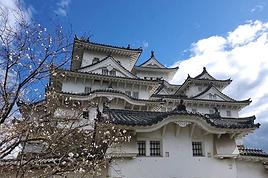
This time, we’d like to spend a few days in Tokyo again and then discover other regions and cities. I really want to see Himeji Castle and Naoshima Island, but I haven’t decided on the rest yet.
Since we’ll be in Japan mostly in July (three weeks) and a bit in August (first week), I’m also thinking about the weather, which seems more favorable in the north (northern Honshu and Hokkaido), though the south (Shikoku, Kyushu) is tempting too.
I’d love to hear your advice on an itinerary, keeping in mind that we love variety—some history, temples, nature, and big cities.
I’m planning another trip to Japan next July-August (three and a half to four weeks). We were lucky enough to visit the country back in 2012 and explored Tokyo, Kyoto, Osaka, Nara, Hiroshima, and Miyajima Island.
This time, we’d like to spend a few days in Tokyo again and then discover other regions and cities. I really want to see Himeji Castle and Naoshima Island, but I haven’t decided on the rest yet.
Since we’ll be in Japan mostly in July (three weeks) and a bit in August (first week), I’m also thinking about the weather, which seems more favorable in the north (northern Honshu and Hokkaido), though the south (Shikoku, Kyushu) is tempting too.
I’d love to hear your advice on an itinerary, keeping in mind that we love variety—some history, temples, nature, and big cities.
Hi there! After a wonderful trip in 2024, we’ll be heading back to Japan at the end of July 2026 to reunite with our daughter, who will have been there for a few months.
Last time, we did a route: Tokyo – Japanese Alps – Kyoto – Osaka – Hiroshima. This time, we’ll have 10 days to ourselves before our daughter joins us for a full week. We’re thinking of spending 2 days in Tokyo and 1 day at the end of the trip for shopping.
We’re looking for ideas for a route (by train and bus) that’s a little off the beaten path, especially avoiding the most touristy spots like the best-known temples in Kyoto. Our favorite spots in 2024: Kanazawa, Takayama, and Miyajima Island. We love temples, gardens, and would love to explore the nature, which looks incredible.
Thanks in advance for your tips and suggestions!
Last time, we did a route: Tokyo – Japanese Alps – Kyoto – Osaka – Hiroshima. This time, we’ll have 10 days to ourselves before our daughter joins us for a full week. We’re thinking of spending 2 days in Tokyo and 1 day at the end of the trip for shopping.
We’re looking for ideas for a route (by train and bus) that’s a little off the beaten path, especially avoiding the most touristy spots like the best-known temples in Kyoto. Our favorite spots in 2024: Kanazawa, Takayama, and Miyajima Island. We love temples, gardens, and would love to explore the nature, which looks incredible.
Thanks in advance for your tips and suggestions!
Hi there,
My partner is running the Tokyo Marathon on March 1st, 2026. So we’re planning a 3-week trip to Japan to include this event! We’ll likely be traveling from February 21st to March 14th.
Our current idea is to visit: 1) Kyoto 2) Tokyo 3) The Five Lakes region (e.g., Mt. Odake, Mitsutogeyama, Lake Kawaguchi, Lake Sai, Mt. Ryugatake, Myōjinyama...) 4) Kyushu (for example: Mt. Kujū, Mt. Aso, Eboshi-dake, Mt. Karakuni, Kirishima Mountains, Takachihonomine....)
We found a flight that would let us arrive in Osaka and depart from Kutakyushu. We really want to soak up Japanese culture but don’t want to spend all our time just in cities. Museums, exhibits, etc., aren’t really our thing, and we’d like to include some hikes.
1) Do you think this itinerary is realistic for 3 weeks? 2) In Kyushu, we’d like to rent a car—do you think it’d also be a good idea to rent one for the Five Lakes region? 3) I’d love to stay in a temple to take part in monks’ rituals. Any tips on that?
Anyway, this is just a very rough first draft, and before diving in completely, I’d love to get some initial feedback, your thoughts, and your critiques ;) Thanks in advance! :)
My partner is running the Tokyo Marathon on March 1st, 2026. So we’re planning a 3-week trip to Japan to include this event! We’ll likely be traveling from February 21st to March 14th.
Our current idea is to visit: 1) Kyoto 2) Tokyo 3) The Five Lakes region (e.g., Mt. Odake, Mitsutogeyama, Lake Kawaguchi, Lake Sai, Mt. Ryugatake, Myōjinyama...) 4) Kyushu (for example: Mt. Kujū, Mt. Aso, Eboshi-dake, Mt. Karakuni, Kirishima Mountains, Takachihonomine....)
We found a flight that would let us arrive in Osaka and depart from Kutakyushu. We really want to soak up Japanese culture but don’t want to spend all our time just in cities. Museums, exhibits, etc., aren’t really our thing, and we’d like to include some hikes.
1) Do you think this itinerary is realistic for 3 weeks? 2) In Kyushu, we’d like to rent a car—do you think it’d also be a good idea to rent one for the Five Lakes region? 3) I’d love to stay in a temple to take part in monks’ rituals. Any tips on that?
Anyway, this is just a very rough first draft, and before diving in completely, I’d love to get some initial feedback, your thoughts, and your critiques ;) Thanks in advance! :)

Hi there,
We’ll be arriving soon at Tokyo Haneda Airport (from Paris) at 6:30 PM.
Could you tell me if there’s an ATM in the arrivals hall where we can withdraw cash? If so, does the ATM charge a fee? (I’m not talking about my bank’s fee, but the ATM’s own commission.)
Thanks in advance for your reply,
Have a great day
We’ll be arriving soon at Tokyo Haneda Airport (from Paris) at 6:30 PM.
Could you tell me if there’s an ATM in the arrivals hall where we can withdraw cash? If so, does the ATM charge a fee? (I’m not talking about my bank’s fee, but the ATM’s own commission.)
Thanks in advance for your reply,
Have a great day
Hi there,
I have a question about the eSIM card:
I bought an eSIM from Saily for my trip to Japan in 5 days.
What should I do with my Samsung smartphone?
What should I do with my current SIM card: deactivate/remove it?
It says activation in Japan is automatic—what does that mean exactly?
Hi there! 😉
I’ve already created a post for our entire trip to Japan, but I’d love to focus specifically on our stay in Tokyo here. We (two couples of friends) will be spending 6 full days there in early November. Here’s what we’ve planned so far. We’d really appreciate your feedback to validate—or not—our schedule, and especially to hear your tips. Thanks in advance! 😉
DAY 0: Arrival in Tokyo in the evening, so rest and dinner near the hotel.
DAY 1:
09:00 – Shinjuku Gyoen Park
Must-see: ✔ Japanese garden (red bridge, pond) ✔ French garden (perspective and rose garden) ✔ English garden (lawns and maple trees) Photo spot: Red bridge + red maples (koyo).
11:00 – Harajuku & Takeshita Street
Walking route:
Start with Takeshita-dori (kawaii fashion, Japanese crepes). Walk up to Omotesandō (designer architecture: Dior, Prada).
Don’t miss: ✔ Kiddy Land (toys, souvenirs) ✔ Tokyu Plaza Omotesandō (entrance with escalators and mirrors → iconic photo)
12:30 – Lunch
Afuri Harajuku (yuzu ramen, light and fragrant). Alternative: Uogashi Nihon-Ichi (standing sushi, quick and fresh).
14:00 – Meiji-jingū (optional but recommended)
Access: From Omotesandō, enter through the large wooden torii. Must-see: ✔ Decorative sake barrels ✔ Forest path (zen atmosphere) ✔ Main pavilion (respect the purification ritual at the entrance). Duration: 45 min.
16:30 – Return to hotel / rest
JR Yamanote Line from Harajuku → Shinjuku (5 min).
18:30 – Evening in Yurakucho (Gado-shita)
DAY 2 09:00 – Visit to Asakusa
Walking route:
Kaminarimon Gate → photo under the large red lantern. Nakamise-dori → shopping street (souvenirs, snacks: melon pan, senbei). Sensō-ji Temple → main pavilion, five-story pagoda.
Don’t miss: ✔ Omikuji (fortune-telling draw) ✔ Photo with the pagoda and Tokyo Skytree in the background.
11:30 – Akihabara
Walking route: ✔ Yodobashi Camera (gadgets, electronics) ✔ Mandarake (figurines, manga) ✔ Super Potato (retro games)
13:00 – Lunch
Quick option: Ichiran Ramen (Akihabara). Local option: Tendon Tenya (affordable tempura).
14:30 – Free time / shopping
Explore the small alleys for anime shops, figurines, gashapon.
16:30 – Departure for Toyosu (teamLab Planets)
Transport:
JR Yamanote Line from Akihabara → Shimbashi (15 min) Yurikamome Line from Shimbashi → Shin-Toyosu (15 min)
Tip: Book a 6:30 PM slot to enjoy the evening atmosphere.
18:30 – teamLab Planets
Duration: 1.5 to 2 hours. Tip: Bring a towel (barefoot experience in water). Mandatory reservation: (official website).
20:30 – Dinner
Option on-site: DMM Café (Toyosu). Option back in Shinjuku: Izakaya (Torikizoku or Teyandei).
DAY 3:
Excursion to Mount Fuji (Kawaguchiko)
DAY 4:
09:00 – East Gardens of the Imperial Palace
Must-see: ✔ Ruins of Edo Castle ✔ Nijubashi Bridge (iconic photo) ✔ Museum of the Imperial Collections (free) Duration: 1h15. Tip: Open exceptionally this day (public holiday).
10:30 – Walk to Ginza
Walk: 15 min via Marunouchi Naka-dori (chic street with shops and cafés). Tip: Enjoy the autumn decorations and designer façades.
11:00 – Ginza
Must-see: ✔ Ginza Six (modern shopping center) ✔ Nissan Crossing (futuristic car exhibit) ✔ Wako Clock Tower (iconic photo)
14:30 – Shibuya
Walking route: ✔ Shibuya Crossing (photo from Starbucks Tsutaya) ✔ Hachikō Statue ✔ Shibuya Scramble Square → Shibuya Sky (panoramic view of Tokyo and Mount Fuji if the sky is clear). Shopping: Loft, Tokyu Hands, Shibuya 109 (fashion).
17:30 – Return to hotel / rest
JR Yamanote Line from Shibuya → Shinjuku (7 min).
19:30 – Dinner
Izakaya option: Izakaya Tofuro Shinjuku (traditional atmosphere). Modern option: Nabezo Shinjuku (all-you-can-eat shabu-shabu).
DAY 5:
10:00 – Ghibli Museum
Duration: 2 hours. Must-see: ✔ Permanent exhibits (Totoro, My Neighbor Totoro, Spirited Away) ✔ Exclusive short films (Saturn Theater) Tip: Photos are not allowed inside, but there are beautiful spots outside.
12:00 – Stroll in Inokashira Park
Must-see: ✔ Central pond (boat rental available) ✔ Benzaiten Shrine Duration: 30 min.
14:30 – Nakameguro & Daikanyama
Transport: JR Chuo Line from Mitaka → Shibuya, then Tokyu Toyoko Line → Nakameguro (40 min). Must-see: ✔ Walk along the Meguro River (trendy cafés, design shops) ✔ T-Site Daikanyama (magnificent architecture) Coffee break: Onibus Coffee Nakameguro (artisanal coffee).
17:30 – Return to Shinjuku
Transport: Tokyu Toyoko Line → Shibuya → JR Yamanote Line → Shinjuku.
DAY 6:
Free morning (shopping or relaxation)
Suggestions: ✔ Shopping at Lumine Shinjuku or Isetan ✔ Stop by Don Quijote for souvenirs ✔ Or Thermae-Yu Onsen (if you want a relaxing morning before departure).
14:45 – Arrival in Odaiba
Walking route: ✔ Aqua City (shopping, bay view) ✔ Statue of Liberty (photo with Rainbow Bridge) ✔ DiverCity Tokyo Plaza (giant Gundam statue) Immersive option: Immersive Fort Tokyo (if you want a fun indoor activity).
16:30 – Sunset over Rainbow Bridge
Best spot: Esplanade in front of Aqua City or Odaiba Beach. Photo tip: Wait for the bridge lights to turn on (around 5 PM).
18:30 – Dinner in Odaiba 20:00 – Departure for Tokyo Tower
Transport:
Yurikamome Line from Daiba → Shimbashi → Oedo Line → Akabanebashi (30 min).
Tokyo Tower: ✔ Incredible night view of illuminated Tokyo. ✔ Duration: 45 min to 1 hour.
21:30 – Return to Shinjuku
Transport: Oedo Line → Shinjuku (15 min).
And there you have it—I hope I didn’t go on too long! 😉 Thanks everyone for your advice....
I’ve already created a post for our entire trip to Japan, but I’d love to focus specifically on our stay in Tokyo here. We (two couples of friends) will be spending 6 full days there in early November. Here’s what we’ve planned so far. We’d really appreciate your feedback to validate—or not—our schedule, and especially to hear your tips. Thanks in advance! 😉
DAY 0: Arrival in Tokyo in the evening, so rest and dinner near the hotel.
DAY 1:
09:00 – Shinjuku Gyoen Park
Must-see: ✔ Japanese garden (red bridge, pond) ✔ French garden (perspective and rose garden) ✔ English garden (lawns and maple trees) Photo spot: Red bridge + red maples (koyo).
11:00 – Harajuku & Takeshita Street
Walking route:
Start with Takeshita-dori (kawaii fashion, Japanese crepes). Walk up to Omotesandō (designer architecture: Dior, Prada).
Don’t miss: ✔ Kiddy Land (toys, souvenirs) ✔ Tokyu Plaza Omotesandō (entrance with escalators and mirrors → iconic photo)
12:30 – Lunch
Afuri Harajuku (yuzu ramen, light and fragrant). Alternative: Uogashi Nihon-Ichi (standing sushi, quick and fresh).
14:00 – Meiji-jingū (optional but recommended)
Access: From Omotesandō, enter through the large wooden torii. Must-see: ✔ Decorative sake barrels ✔ Forest path (zen atmosphere) ✔ Main pavilion (respect the purification ritual at the entrance). Duration: 45 min.
16:30 – Return to hotel / rest
JR Yamanote Line from Harajuku → Shinjuku (5 min).
18:30 – Evening in Yurakucho (Gado-shita)
DAY 2 09:00 – Visit to Asakusa
Walking route:
Kaminarimon Gate → photo under the large red lantern. Nakamise-dori → shopping street (souvenirs, snacks: melon pan, senbei). Sensō-ji Temple → main pavilion, five-story pagoda.
Don’t miss: ✔ Omikuji (fortune-telling draw) ✔ Photo with the pagoda and Tokyo Skytree in the background.
11:30 – Akihabara
Walking route: ✔ Yodobashi Camera (gadgets, electronics) ✔ Mandarake (figurines, manga) ✔ Super Potato (retro games)
13:00 – Lunch
Quick option: Ichiran Ramen (Akihabara). Local option: Tendon Tenya (affordable tempura).
14:30 – Free time / shopping
Explore the small alleys for anime shops, figurines, gashapon.
16:30 – Departure for Toyosu (teamLab Planets)
Transport:
JR Yamanote Line from Akihabara → Shimbashi (15 min) Yurikamome Line from Shimbashi → Shin-Toyosu (15 min)
Tip: Book a 6:30 PM slot to enjoy the evening atmosphere.
18:30 – teamLab Planets
Duration: 1.5 to 2 hours. Tip: Bring a towel (barefoot experience in water). Mandatory reservation: (official website).
20:30 – Dinner
Option on-site: DMM Café (Toyosu). Option back in Shinjuku: Izakaya (Torikizoku or Teyandei).
DAY 3:
Excursion to Mount Fuji (Kawaguchiko)
DAY 4:
09:00 – East Gardens of the Imperial Palace
Must-see: ✔ Ruins of Edo Castle ✔ Nijubashi Bridge (iconic photo) ✔ Museum of the Imperial Collections (free) Duration: 1h15. Tip: Open exceptionally this day (public holiday).
10:30 – Walk to Ginza
Walk: 15 min via Marunouchi Naka-dori (chic street with shops and cafés). Tip: Enjoy the autumn decorations and designer façades.
11:00 – Ginza
Must-see: ✔ Ginza Six (modern shopping center) ✔ Nissan Crossing (futuristic car exhibit) ✔ Wako Clock Tower (iconic photo)
14:30 – Shibuya
Walking route: ✔ Shibuya Crossing (photo from Starbucks Tsutaya) ✔ Hachikō Statue ✔ Shibuya Scramble Square → Shibuya Sky (panoramic view of Tokyo and Mount Fuji if the sky is clear). Shopping: Loft, Tokyu Hands, Shibuya 109 (fashion).
17:30 – Return to hotel / rest
JR Yamanote Line from Shibuya → Shinjuku (7 min).
19:30 – Dinner
Izakaya option: Izakaya Tofuro Shinjuku (traditional atmosphere). Modern option: Nabezo Shinjuku (all-you-can-eat shabu-shabu).
DAY 5:
10:00 – Ghibli Museum
Duration: 2 hours. Must-see: ✔ Permanent exhibits (Totoro, My Neighbor Totoro, Spirited Away) ✔ Exclusive short films (Saturn Theater) Tip: Photos are not allowed inside, but there are beautiful spots outside.
12:00 – Stroll in Inokashira Park
Must-see: ✔ Central pond (boat rental available) ✔ Benzaiten Shrine Duration: 30 min.
14:30 – Nakameguro & Daikanyama
Transport: JR Chuo Line from Mitaka → Shibuya, then Tokyu Toyoko Line → Nakameguro (40 min). Must-see: ✔ Walk along the Meguro River (trendy cafés, design shops) ✔ T-Site Daikanyama (magnificent architecture) Coffee break: Onibus Coffee Nakameguro (artisanal coffee).
17:30 – Return to Shinjuku
Transport: Tokyu Toyoko Line → Shibuya → JR Yamanote Line → Shinjuku.
DAY 6:
Free morning (shopping or relaxation)
Suggestions: ✔ Shopping at Lumine Shinjuku or Isetan ✔ Stop by Don Quijote for souvenirs ✔ Or Thermae-Yu Onsen (if you want a relaxing morning before departure).
14:45 – Arrival in Odaiba
Walking route: ✔ Aqua City (shopping, bay view) ✔ Statue of Liberty (photo with Rainbow Bridge) ✔ DiverCity Tokyo Plaza (giant Gundam statue) Immersive option: Immersive Fort Tokyo (if you want a fun indoor activity).
16:30 – Sunset over Rainbow Bridge
Best spot: Esplanade in front of Aqua City or Odaiba Beach. Photo tip: Wait for the bridge lights to turn on (around 5 PM).
18:30 – Dinner in Odaiba 20:00 – Departure for Tokyo Tower
Transport:
Yurikamome Line from Daiba → Shimbashi → Oedo Line → Akabanebashi (30 min).
Tokyo Tower: ✔ Incredible night view of illuminated Tokyo. ✔ Duration: 45 min to 1 hour.
21:30 – Return to Shinjuku
Transport: Oedo Line → Shinjuku (15 min).
And there you have it—I hope I didn’t go on too long! 😉 Thanks everyone for your advice....
Hi there,
We're heading to Japan in November and planning to rent a car. According to the Japanese embassy, the rules for translating the license have changed. You can no longer do it from France since April 1st. Has anyone already tried the new process?
Hi everyone,
Do you know if Miyajima Island is served by ferry from Shikoku, and if there’s a ferry afterward to Kyushu with a car?
Thanks for your insights!
Hi everyone,
any hotel recommendations near Fukuoka Airport? I’ve got an early flight to Vietnam the next morning.
Thanks so much for your tips!
Hi everyone,
Has anyone taken a ferry with a car from Shikoku Island to Oita?
Any tips and links to ferry companies would really help.
Thanks for your feedback!
Hello everyone, dear community members,
After several trips to Tokyo and the surrounding areas, as well as Osaka Bay, we’re heading to Northern Kyushu for a week in mid-October (we’ll be in China the other week). We’re a couple with two kids, aged 7 and 9. We’ll arrive at Saga Airport and plan to stay there for a few days to explore Arita, Imari, Karatsu, Hirado, and Dazaifu. We’re thinking Saga isn’t too touristy, so it might be a good choice to find accommodation for 3 or 4 days there and immerse ourselves in a typical Japanese city in the evenings with fewer tourists. 1) Is this a good idea?
My second question is: 2) What are the best neighborhoods in Saga where I can find accommodation (preferably an Airbnb) with free parking but still close to the city center, please? 3) Would you recommend Fukuoka instead?
4) Here’s my first draft of the itinerary:
Saga Airport (we leave straight away) → Beppu Onsen (2-hour drive, we stay one night + Mount Yufu) → Kurokawa Onsen (we stay one night + Mount Kuju) → we pass by Mount Aso (just a drive-around and short walk) → then we go to Suizenji Jojuen in Kumamoto (park in a paid parking lot nearby) → return to Saga in the evening, where we stay this time. Stay in Saga for 3 or 4 nights in an Airbnb with convenient parking in the city center, not too far out, and explore the surrounding areas (Imari, Arita, Karatsu, Hirado, Dazaifu...).
Saga to Nagasaki (minimum 2 nights, ideally 3). Then return to Saga. 5) Same question: where to stay in Nagasaki in accommodation where we can park the car for free and be near or easily accessible to the city center? 6) For all these places, what do you recommend doing with the kids?
Thanks so much to everyone!
After several trips to Tokyo and the surrounding areas, as well as Osaka Bay, we’re heading to Northern Kyushu for a week in mid-October (we’ll be in China the other week). We’re a couple with two kids, aged 7 and 9. We’ll arrive at Saga Airport and plan to stay there for a few days to explore Arita, Imari, Karatsu, Hirado, and Dazaifu. We’re thinking Saga isn’t too touristy, so it might be a good choice to find accommodation for 3 or 4 days there and immerse ourselves in a typical Japanese city in the evenings with fewer tourists. 1) Is this a good idea?
My second question is: 2) What are the best neighborhoods in Saga where I can find accommodation (preferably an Airbnb) with free parking but still close to the city center, please? 3) Would you recommend Fukuoka instead?
4) Here’s my first draft of the itinerary:
Saga Airport (we leave straight away) → Beppu Onsen (2-hour drive, we stay one night + Mount Yufu) → Kurokawa Onsen (we stay one night + Mount Kuju) → we pass by Mount Aso (just a drive-around and short walk) → then we go to Suizenji Jojuen in Kumamoto (park in a paid parking lot nearby) → return to Saga in the evening, where we stay this time. Stay in Saga for 3 or 4 nights in an Airbnb with convenient parking in the city center, not too far out, and explore the surrounding areas (Imari, Arita, Karatsu, Hirado, Dazaifu...).
Saga to Nagasaki (minimum 2 nights, ideally 3). Then return to Saga. 5) Same question: where to stay in Nagasaki in accommodation where we can park the car for free and be near or easily accessible to the city center? 6) For all these places, what do you recommend doing with the kids?
Thanks so much to everyone!
Hi everyone,
I’d like to know if anyone can recommend a car rental company in Japan. We want to pick up the car in Kyoto and drop it off in Fukuoka. Thanks for your tips!
I’d like to know if anyone can recommend a car rental company in Japan. We want to pick up the car in Kyoto and drop it off in Fukuoka. Thanks for your tips!
Hi there,
I’d like to spend the day in Yamaga starting from Kumamoto.
I’m wondering how to get there using public transport.
I see there’s a train and then a bus, but I can’t find any precise info on the bus schedules for the round trip.
I’ve already checked Navitime.
Thanks for your help
Hello Hello,
We’re two couples of friends heading to this amazing country and need your help to validate our itinerary.
First, I’ll share the overall plan for our trip. I can go into more detail for each day if everything looks good to you.
Thanks Thanks
30/10 Arrival at HND 31/10 Tokyo: Chiyoda, Yurakucho & Shinjuku 01/11 Asakusa, Ueno, Akihabara & TeamLab Planets 02/11 Day trip to Mount Fuji (Kawaguchiko) 03/11 Yanaka, Ueno, Shibuya & Izakaya 04/11 Ghibli Museum & Kichijoji 05/11 Shopping and Odaiba at sunset 06/11 Departure for Kyoto & first discoveries 07/11 Arashiyama, bamboo grove & zen temples 08/11 Fushimi Inari, Gion 09/11 Kyoto → Himeji → Hiroshima 10/11 Hiroshima (morning) → Osaka (afternoon) 11 & 12/11 Exploring Osaka and return to France 🙂
30/10 Arrival at HND 31/10 Tokyo: Chiyoda, Yurakucho & Shinjuku 01/11 Asakusa, Ueno, Akihabara & TeamLab Planets 02/11 Day trip to Mount Fuji (Kawaguchiko) 03/11 Yanaka, Ueno, Shibuya & Izakaya 04/11 Ghibli Museum & Kichijoji 05/11 Shopping and Odaiba at sunset 06/11 Departure for Kyoto & first discoveries 07/11 Arashiyama, bamboo grove & zen temples 08/11 Fushimi Inari, Gion 09/11 Kyoto → Himeji → Hiroshima 10/11 Hiroshima (morning) → Osaka (afternoon) 11 & 12/11 Exploring Osaka and return to France 🙂
Hi there,
A few friends and I are planning our trip to Japan for next autumn. This will be my first time traveling, which is why we’ve decided to go for a big trip of at least 2 months, maybe even 3.
So far, we’ve estimated the budget to be between 7,000 and 10,000 € per person for the stay. I’m not sure if that’s too high or too low, considering we’ll be moving around a lot.
Here’s a summary of the route we’d like to take:
First, we definitely want to visit the classics like Tokyo, Kyoto, etc. Then head toward Mount Fuji with Fujiyoshida and the surrounding area. We’d also like to visit some less touristy, more authentic spots like the Wakayama region. We’d like to check out some mountain or countryside villages like Shirakawa-go for a few hikes. We’re still debating whether to visit Miyajima and Hiroshima since we’re not sure we’ll have enough time. And we sadly had to cut Hokkaido from our list for the same reason.
I won’t go into every detail since we’ve mapped out over twenty places, but those are the main highlights.
As for our travel style:
We want to take our time. Not try to cram in as much as possible without any breaks or enjoyment. Most of the time, we’ll be staying in Airbnbs and youth hostels. For food, we’ll mix it up between restaurants, pre-made meals, and cooking our own. For transportation, we’re considering renting a car to reach villages in the countryside. (I’m a bit nervous about the road rules over there.) For activities, one or two a day seems reasonable. (Both free and paid ones.) But I have no idea how much souvenirs might cost. I’ve often read on forums that it’s between 200 and 600 €?
My questions:
So, that’s the plan. We’re not sure yet if we’ll go for two or three months. It’ll mostly come down to money. We want to be mindful of our budget but still treat ourselves—no regrets about missing out on an activity or restaurant we really wanted to try.
Do you have any advice or suggestions for us? What do you think of our itinerary? For flight tickets, I’m estimating between 650 and 900 € for a round trip. Does that sound about right? But I have no idea which airline to choose?
Thanks so much to anyone who replies—I’d really appreciate it!
A few friends and I are planning our trip to Japan for next autumn. This will be my first time traveling, which is why we’ve decided to go for a big trip of at least 2 months, maybe even 3.
So far, we’ve estimated the budget to be between 7,000 and 10,000 € per person for the stay. I’m not sure if that’s too high or too low, considering we’ll be moving around a lot.
Here’s a summary of the route we’d like to take:
First, we definitely want to visit the classics like Tokyo, Kyoto, etc. Then head toward Mount Fuji with Fujiyoshida and the surrounding area. We’d also like to visit some less touristy, more authentic spots like the Wakayama region. We’d like to check out some mountain or countryside villages like Shirakawa-go for a few hikes. We’re still debating whether to visit Miyajima and Hiroshima since we’re not sure we’ll have enough time. And we sadly had to cut Hokkaido from our list for the same reason.
I won’t go into every detail since we’ve mapped out over twenty places, but those are the main highlights.
As for our travel style:
We want to take our time. Not try to cram in as much as possible without any breaks or enjoyment. Most of the time, we’ll be staying in Airbnbs and youth hostels. For food, we’ll mix it up between restaurants, pre-made meals, and cooking our own. For transportation, we’re considering renting a car to reach villages in the countryside. (I’m a bit nervous about the road rules over there.) For activities, one or two a day seems reasonable. (Both free and paid ones.) But I have no idea how much souvenirs might cost. I’ve often read on forums that it’s between 200 and 600 €?
My questions:
So, that’s the plan. We’re not sure yet if we’ll go for two or three months. It’ll mostly come down to money. We want to be mindful of our budget but still treat ourselves—no regrets about missing out on an activity or restaurant we really wanted to try.
Do you have any advice or suggestions for us? What do you think of our itinerary? For flight tickets, I’m estimating between 650 and 900 € for a round trip. Does that sound about right? But I have no idea which airline to choose?
Thanks so much to anyone who replies—I’d really appreciate it!
Hi everyone,
I’m planning to return to Japan for 15 days in April. This will be my second trip there. I’m starting to think about my itinerary.
I arrive in Tokyo in the evening and will spend one night there before taking the train to Hiroshima. I’ll stay in Hiroshima for 2 nights. Then, I’m heading to Kyoto (there are still so many beautiful things I want to see there), and I think I’ll stay for 3 nights. I also want to go back to Nara to visit the Pink Temple (probably in the morning before heading back to Kyoto).
And after that? I’d like to return to Hakone to try and catch a glimpse of Mount Fuji (I didn’t see it last time—it was cloudy). I’m thinking of staying one night there, probably in Odawara.
And then? I’ll head back to Tokyo and take the train to explore the surrounding areas and spend the day at some sites?
While in Tokyo, I want to visit Yokohama. I went to Kamakura last time and really loved it, but I don’t think I’ll go back.
I’ll end my trip in Tokyo, with my second-to-last night at the Muji Hotel and my last night near the airport.
That’s the plan so far—I’m open to your suggestions and itinerary tips!
Thanks in advance.
I’m planning to return to Japan for 15 days in April. This will be my second trip there. I’m starting to think about my itinerary.
I arrive in Tokyo in the evening and will spend one night there before taking the train to Hiroshima. I’ll stay in Hiroshima for 2 nights. Then, I’m heading to Kyoto (there are still so many beautiful things I want to see there), and I think I’ll stay for 3 nights. I also want to go back to Nara to visit the Pink Temple (probably in the morning before heading back to Kyoto).
And after that? I’d like to return to Hakone to try and catch a glimpse of Mount Fuji (I didn’t see it last time—it was cloudy). I’m thinking of staying one night there, probably in Odawara.
And then? I’ll head back to Tokyo and take the train to explore the surrounding areas and spend the day at some sites?
While in Tokyo, I want to visit Yokohama. I went to Kamakura last time and really loved it, but I don’t think I’ll go back.
I’ll end my trip in Tokyo, with my second-to-last night at the Muji Hotel and my last night near the airport.
That’s the plan so far—I’m open to your suggestions and itinerary tips!
Thanks in advance.

✈️ Our travel journal from our one-month experience in Japan 🇯🇵
We’re sharing our trip from July 2025. A pretty classic itinerary for a first visit to Japan, between Osaka and Tokyo.
Our humble journal is available on our TRAVEL JOURNAL , written day by day. You’ll find lots of photos there.
We’re sharing our trip from July 2025. A pretty classic itinerary for a first visit to Japan, between Osaka and Tokyo.
Our humble journal is available on our TRAVEL JOURNAL
, written day by day. You’ll find lots of photos there.Hi there,
I’d love to get some feedback on the itinerary I’m considering, since I’ll be using public transport. The order might not be ideal:
-Fukuoka: 4 days (including 1 day in Yanagawa, and I’d also like to visit Yutoku Inari Shrine)
-Nagasaki: 2 days (I’m a bit unsure about including it)
-Kumamoto: 2 days (including 1 day in Yamaga)
-Beppu: 2 or 3 days (1 day in Kitsuki)
-Yufuin: 2 days
I was also thinking about adding Ukiha and Usuki, but I’m not sure how to fit them in.
Thanks for your input!
Carole
Hi there,
We’ll be in Tokyo for two full days (not counting the arrival and departure days), while waiting to board a cruise in Japan.
We’ll be staying right next to the port of Yokohama. Are there any agencies offering guided tours of the city? Any other suggestions?
Thanks
We’ll be in Tokyo for two full days (not counting the arrival and departure days), while waiting to board a cruise in Japan.
We’ll be staying right next to the port of Yokohama. Are there any agencies offering guided tours of the city? Any other suggestions?
Thanks
Hi there,
I’m looking for tips, opinions, or travel companions for a family trip.
Is it still possible to find competitive rates (flights, accommodation, guides, etc.)?
Best regards🙂
Hi everyone,
I’m heading to Japan for the second time with my 20-year-old son. During our first trip, we spent two weeks in Tokyo and Kyoto (plus the surrounding areas). This time, we’re planning to stay in Tokyo for at least 4-5 days and then head to the island of Naoshima. I’m looking for suggestions and advice: Is getting to Naoshima from Tokyo complicated? If so, do you have any recommendations for a stopover somewhere? Given that we’d prefer not to move every day, we’d rather settle in one place and then explore on day trips... Do you think it’s possible to do something like this: 5 nights in Tokyo (Shinjuku) 3 nights in Kyoto 2 nights in Naoshima (or is one night enough??) and if one night is enough, where could I spend a second night on the way back to Tokyo? 2 nights in Tokyo (I’d love your advice on staying in a different neighborhood—last time we stayed near Ueno Park)—keeping in mind we’re flying out of Narita.
I’m considering maybe skipping Kyoto, which I love but has apparently become *very* touristy... Not really keen on Osaka... since we’ll already have done Tokyo as our "big city." I’d prefer towns where nature is present... (a bit like Kyoto, which offers all that...)
For info, we’ll be traveling by train. Thanks in advance for all your suggestions and help!
I have one last little question: Is cash still widely used in Japan, or not at all anymore?
Thanks so much,
Karine
I’m heading to Japan for the second time with my 20-year-old son. During our first trip, we spent two weeks in Tokyo and Kyoto (plus the surrounding areas). This time, we’re planning to stay in Tokyo for at least 4-5 days and then head to the island of Naoshima. I’m looking for suggestions and advice: Is getting to Naoshima from Tokyo complicated? If so, do you have any recommendations for a stopover somewhere? Given that we’d prefer not to move every day, we’d rather settle in one place and then explore on day trips... Do you think it’s possible to do something like this: 5 nights in Tokyo (Shinjuku) 3 nights in Kyoto 2 nights in Naoshima (or is one night enough??) and if one night is enough, where could I spend a second night on the way back to Tokyo? 2 nights in Tokyo (I’d love your advice on staying in a different neighborhood—last time we stayed near Ueno Park)—keeping in mind we’re flying out of Narita.
I’m considering maybe skipping Kyoto, which I love but has apparently become *very* touristy... Not really keen on Osaka... since we’ll already have done Tokyo as our "big city." I’d prefer towns where nature is present... (a bit like Kyoto, which offers all that...)
For info, we’ll be traveling by train. Thanks in advance for all your suggestions and help!
I have one last little question: Is cash still widely used in Japan, or not at all anymore?
Thanks so much,
Karine
Hi there,
I’ve got a few questions about Kyoto for our trip in early November (we’re staying 5 days):
1) Is it worth spending a day in Kurama/Kibune from Kyoto? Has anyone tried the onsen in Kurama?
2) Visiting Fushimi Inari for sunset and wandering around in the evening—good idea?
3) Going to the Gion Corner show in Kyoto?
4) Skipping the more touristy temples in Kyoto (Golden Temple, Silver Temple) to see less crowded ones like Shinshogokuraku-ji and Tofuku-ji?
5) Any recommendations for a kaiseki dinner (under 10,000 yen)?
Thanks!
Fellow travelers,
Don’t they say "never two without three"? It seems so. Here I am again on the forum to share—and let’s be honest, indulge a bit of selfish pleasure—by recounting the story of this third installment in the Land of the Rising Sun.
Where? It’s all in the title. On the island of Kyushu in southern Japan, more precisely in the northwest between Fukuoka and Nagasaki. I hope to take you along with me for 19 nights and 18 full days this autumn of 2024. On the itinerary: gastronomy, crafts, festivals, waterfalls, encounters, and leisurely strolls in all simplicity.
A last-minute flight booked just 7 days before departure, and the route evolved regularly based on whims and accommodation availability, eventually settling on this:
- 5 nights in Fukuoka: Fukuoka city, Ukiha, Itoshima, Dazaifu, Yanagawa - 4 nights in Hasami, Nagasaki Prefecture: Okawachiyama, Arita, Takeo, Kashima, Yobuko, Karatsu, Kabeshima - 6 nights in Nagasaki: Ureshino, Higashi-Sonogi, Nagasaki city, Unzen, Sotome - 4 nights in Fukuoka: Karatsu, Fukuoka city
Most of the trip was done by car for practical reasons—easier access to certain places and freedom of movement—but also for the sheer joy of it. Despite slow traffic at times, driving in rural Japan is a delight.
If the program interests you, see you soon for the start of the journey.
Don’t they say "never two without three"? It seems so. Here I am again on the forum to share—and let’s be honest, indulge a bit of selfish pleasure—by recounting the story of this third installment in the Land of the Rising Sun.
Where? It’s all in the title. On the island of Kyushu in southern Japan, more precisely in the northwest between Fukuoka and Nagasaki. I hope to take you along with me for 19 nights and 18 full days this autumn of 2024. On the itinerary: gastronomy, crafts, festivals, waterfalls, encounters, and leisurely strolls in all simplicity.
A last-minute flight booked just 7 days before departure, and the route evolved regularly based on whims and accommodation availability, eventually settling on this:
- 5 nights in Fukuoka: Fukuoka city, Ukiha, Itoshima, Dazaifu, Yanagawa - 4 nights in Hasami, Nagasaki Prefecture: Okawachiyama, Arita, Takeo, Kashima, Yobuko, Karatsu, Kabeshima - 6 nights in Nagasaki: Ureshino, Higashi-Sonogi, Nagasaki city, Unzen, Sotome - 4 nights in Fukuoka: Karatsu, Fukuoka city
Most of the trip was done by car for practical reasons—easier access to certain places and freedom of movement—but also for the sheer joy of it. Despite slow traffic at times, driving in rural Japan is a delight.
If the program interests you, see you soon for the start of the journey.

Hello,
Thinking this might be useful for VF members who, like me, want to get their French driver’s license translated for a car rental in Japan, here’s the email I received this morning from the consular authorities in Tokyo:
Dear Sir,
You can obtain the translation from the Japan Automobile Federation (JAF). Address: 2-2-17 Shiba, Minato-ku, Tokyo 105-8562 Phone: 81-3-6833-9100 Email: kchosa@jaf.or.jp Website: http://www.jaf.or.jp/e/trans_f.htm (To find their office in Sapporo: http://www.jaf.or.jp/e/list_translation.htm)
Information about driver’s licenses is available on our website: http://www.ambafrance-jp.org/spip.php?article781&var_recherche=driver’s%20license The consular section can no longer provide driver’s license translation services.
Best regards,
Consular Section
So, according to this message, no more mail-in translations through the consular authorities.
Sayonara.
Thinking this might be useful for VF members who, like me, want to get their French driver’s license translated for a car rental in Japan, here’s the email I received this morning from the consular authorities in Tokyo:
Dear Sir,
You can obtain the translation from the Japan Automobile Federation (JAF). Address: 2-2-17 Shiba, Minato-ku, Tokyo 105-8562 Phone: 81-3-6833-9100 Email: kchosa@jaf.or.jp Website: http://www.jaf.or.jp/e/trans_f.htm (To find their office in Sapporo: http://www.jaf.or.jp/e/list_translation.htm)
Information about driver’s licenses is available on our website: http://www.ambafrance-jp.org/spip.php?article781&var_recherche=driver’s%20license The consular section can no longer provide driver’s license translation services.
Best regards,
Consular Section
So, according to this message, no more mail-in translations through the consular authorities.
Sayonara.
Hi everyone,
I want to share an experience that really knocked the wind out of me and I hope it won’t ruin my long-awaited trip to Japan.
I recently used the services of a travel planner, Hima Voyage, which I found on social media, to organize my family vacation in Japan.
Unfortunately, my experience was extremely disappointing and frustrating, marked by a blatant lack of professionalism.
The major problems appeared when I received the itinerary: the proposed route was completely illogical in relation to the accommodation locations, forcing us to make much longer daily trips than necessary, with duplicate days suggesting a poorly done copy-paste sent to others.
She didn’t take into account the high-traffic days for the places we wanted to visit at all.
No personalized or concrete tips or advice were provided. Most of her “recommendations” were generic copy-pastes you can find anywhere on social media.
Faced with such a lack of optimization and logic, I’m forced—with less than 4 months until the trip—to start from scratch and completely reorganize my trip myself. This service, sold as an organizational aid, turned into a huge waste of time and money (825 euros down the drain).
I feel scammed and deeply disappointed by this service. I strongly recommend being extremely cautious before entrusting your travel plans to any “travel planner” found on social media.
I want to share an experience that really knocked the wind out of me and I hope it won’t ruin my long-awaited trip to Japan.
I recently used the services of a travel planner, Hima Voyage, which I found on social media, to organize my family vacation in Japan.
Unfortunately, my experience was extremely disappointing and frustrating, marked by a blatant lack of professionalism.
The major problems appeared when I received the itinerary: the proposed route was completely illogical in relation to the accommodation locations, forcing us to make much longer daily trips than necessary, with duplicate days suggesting a poorly done copy-paste sent to others.
She didn’t take into account the high-traffic days for the places we wanted to visit at all.
No personalized or concrete tips or advice were provided. Most of her “recommendations” were generic copy-pastes you can find anywhere on social media.
Faced with such a lack of optimization and logic, I’m forced—with less than 4 months until the trip—to start from scratch and completely reorganize my trip myself. This service, sold as an organizational aid, turned into a huge waste of time and money (825 euros down the drain).
I feel scammed and deeply disappointed by this service. I strongly recommend being extremely cautious before entrusting your travel plans to any “travel planner” found on social media.
I'd like to fly with Thai Airways to Japan. Could anyone—or several people—share their thoughts on this airline?
Hi everyone,
Let me introduce myself—I’m Christophe. I’m taking the plunge and planning my first trip to Japan for late February 2026. There’ll be five of us: my wife and I, and our three daughters, aged 12 and 15. Between the internet, travel agencies, and social media, there’s info coming from all directions, but it’s tough to find clear, objective, and relevant answers. I’d like this first trip to follow a classic route: 4/5 days in Tokyo 4 days in Kyoto (Nara) 2 days in Osaka (maybe Universal Studios) I’ve got a few questions—could you share your thoughts? 1. Is it better to return to Tokyo to catch our flight home, or is flying out directly from Osaka a better option? 2. For accommodation, would you recommend a hotel or an Airbnb? Since there are five of us, I think we’d like a small kitchen and a bit of space. 3. The famous JR Pass: is it worth it, or should we just buy tickets for each trip? I’ve read that the JR Pass has gotten more expensive and isn’t the ideal solution anymore, especially if you’re staying in the same cities for several days. 4. We’d like to have two phones—do you recommend eSIMs or a pocket Wi-Fi?
That’s it—I hope you can help shed some light on this. Thanks! Christophe
Let me introduce myself—I’m Christophe. I’m taking the plunge and planning my first trip to Japan for late February 2026. There’ll be five of us: my wife and I, and our three daughters, aged 12 and 15. Between the internet, travel agencies, and social media, there’s info coming from all directions, but it’s tough to find clear, objective, and relevant answers. I’d like this first trip to follow a classic route: 4/5 days in Tokyo 4 days in Kyoto (Nara) 2 days in Osaka (maybe Universal Studios) I’ve got a few questions—could you share your thoughts? 1. Is it better to return to Tokyo to catch our flight home, or is flying out directly from Osaka a better option? 2. For accommodation, would you recommend a hotel or an Airbnb? Since there are five of us, I think we’d like a small kitchen and a bit of space. 3. The famous JR Pass: is it worth it, or should we just buy tickets for each trip? I’ve read that the JR Pass has gotten more expensive and isn’t the ideal solution anymore, especially if you’re staying in the same cities for several days. 4. We’d like to have two phones—do you recommend eSIMs or a pocket Wi-Fi?
That’s it—I hope you can help shed some light on this. Thanks! Christophe
Hello,
We’re two active and fit retired couples.
We’re planning a trip for the second half of March 2026.
We prefer traveling by train but wouldn’t mind renting a car if necessary.
We don’t want to change accommodations every night (we’d rather see less but enjoy it more).
If possible, we’d love to stay in guesthouses or similar—impersonal hotels aren’t really our thing.
Questions: What do you think are the best airlines? We don’t have to fly back from Tokyo.
We’re also big fans of getting off the beaten path—any original ideas are welcome!
Many thanks in advance,
Gorgui

Hello,
My wife and I are spending July in Japan: 10 days touring Kyushu Island, 5 days in Okinawa, 1 day in Osaka (for the World Expo), 3 days in Kyoto (which we’ve already visited), and the rest in Tokyo.
I’m reaching out to see if you have any car rental agencies to recommend in Fukuoka (ideally at the airport) and in Naha (either in the city or at the airport).
Thanks in advance!
Jean Claude