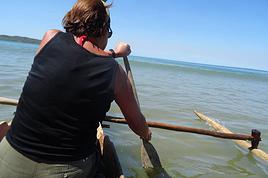
Hi everyone, I’m stopping just giving advice on new topics to others and leading by example.
Here’s a quick recap of my Manakara–Fort Dauphin route via the ferry + 10 track (RN12). The road is changing: bridges are being built, some sections are being paved.
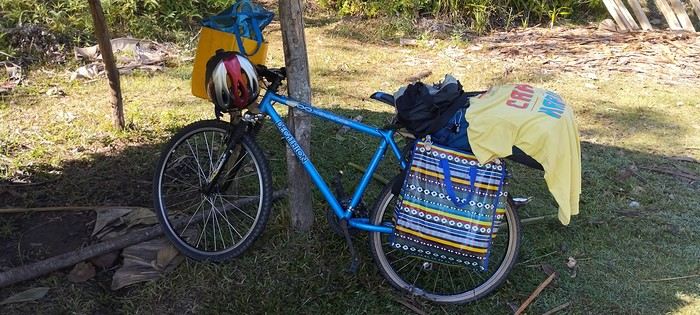
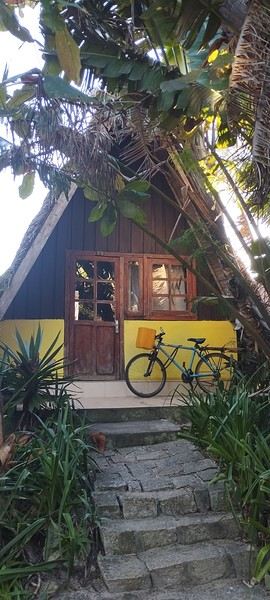
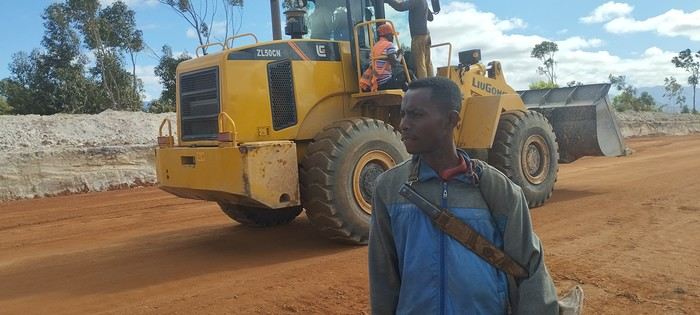
By bike, it’s doable, though some sandy stretches are still pretty tough if you’re as overloaded as I was... Left Manakara’s Hôtel Les Délices on the 11th with my pretty beat-up blue bike...
Evening of the 11th: Ivohipeno Hôtel La Source.
12th–15th: Farafangana’s must-visit Hôtel Concombre Masqué, bike prep.
16th: Vangaindrano—Hôtel Chez Huguette was full, so I went to Tropic Hôtel, which is nice even with plumbing issues. Did my shopping since it’s the last real town.
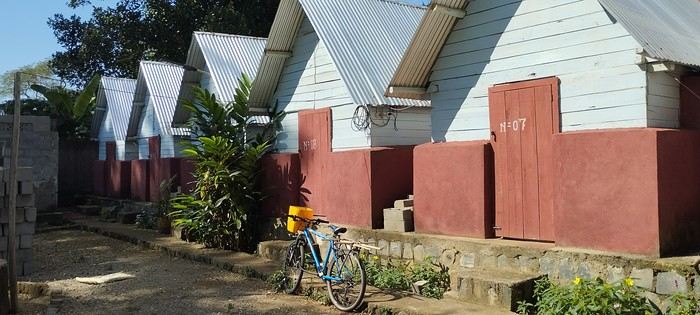
17th: Chez Flavienne—her real job is singer/dancer, and she has cute little bungalows before the village of... I never found it on GPS or maps. A bit basic but welcoming, with Flavienne taking great care of me.
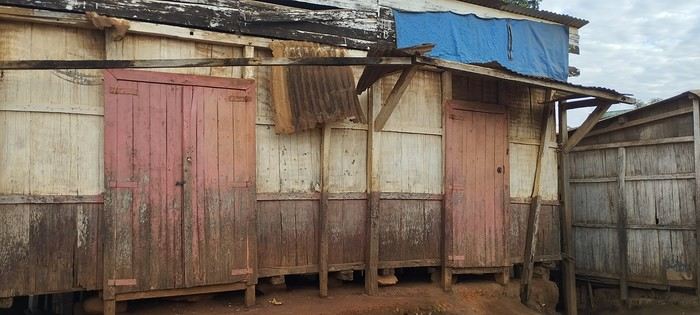
18th: Manombondro—the "friends’ spot," yikes, avoid! The restaurant’s okay, but the room is really rough: sketchy shower, the room opens right onto the main road where all the 4x4s gather. Good for tips, but better to sleep elsewhere...
20th: Taking one of the many alternative tracks, I got lost and camped under my tent less than 5 km from Sandravinany.
21st: Sandravinany—first day at Mamie Louise’s, average hotel. Vesslasse, the manager, is great.
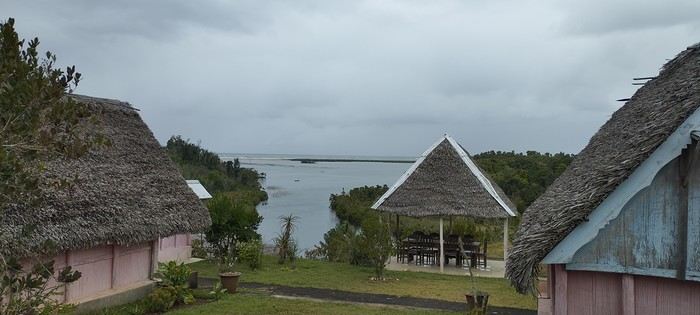
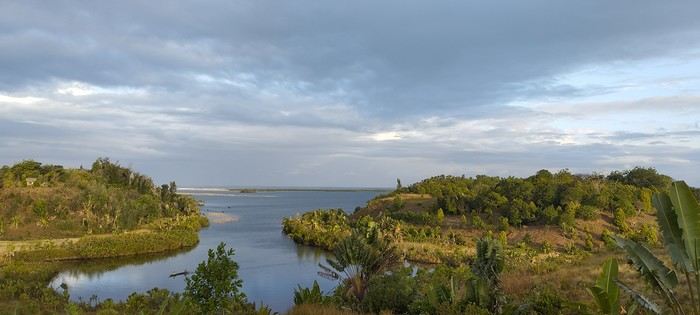
22nd: The next day, I went back to the fisherman’s cabin I’d thought was closed the day before—awesome! Perfect location with a lagoon view.
Vesslasse stops by regularly to offer his services—he knows everyone, is efficient, and super friendly. I treated myself to a few days of contemplative relaxation before taking a pirogue toward the coastal track on the morning of the 25th—big mistake! Hardly anyone around to ask for directions, so I got lost multiple times, did a bunch of backtracking, and dealt with a lot of sand...
Check out this YouTube video: From Sandravinany to the Sand Track
25th: Maroroy—chez Louisette, can’t miss it: right after the ferry, by the water, super relaxing. By the water, super relaxing.
26th: Manantenina—the very nice (and for me, too expensive) bungalows of Jean-Philippe were full, so I stayed at Hôtel Le Bleu, small bungalows with a restaurant on the main road.
27th: Sainte Luce—I got a ride from a UNICEF 4x4, so I *had* to stay at Hôtel Vah’inn—expensive but right on the water, with a pool table and good food.
28th: Fort Dauphin—Hôtel Nepenthes: central (steep climb to get there!) but nice bungalows.
Fort Dauphin has plenty of very affordable hotels.
After that, I headed back to Tulear in a shared 4x4 (Godzilla)—two pretty grueling days, but the driver was really nice.
You can find all the details of this adventure and many others in my book, but I’m not allowed to talk about it on the forum... Too bad.
A video of this route
That’s it—I’ll post about other tracks I did that same year in other threads.
Have a great day!
First of all, a big thank you to all the VoyageForum contributors who helped us plan our itinerary.
Introduction: There are three of us—a couple and a friend—all retired, aged 70. We spent four weeks in Madagascar, our first trip there, accompanied by a guide and a 4x4 driver-mechanic. We decided on the trip in June, and the process of requesting quotes, planning the itinerary, buying flight tickets, and applying for visas was quick. We finalized everything by the end of June.
Vehicle: The car was a Nissan Patrol, not new but well-maintained, and it served us perfectly. We had a few minor repairs—wheel bearings to change, a broken bull bar, and two flat tires throughout the trip. There was no air conditioning, so we drove with the windows open, which meant a bit of dust. In full sun, temperatures could reach 37/38°C.
Itinerary: The route started in Antananarivo upon arrival from the Air France flight from Roissy to Ivato and ended four weeks later at the same airport, passing through Antsirabe, Miandrivazo, the Tsiribihina River descent, Belo sur Tsiribihina, the Tsingy de Bemahara, the Avenue of the Baobabs, Morondava, Belo sur Mer, Morombe, Salary, Ifaty–Tulear, Ranohira, Fianarantsoa, the FCE train, Manakara, the Pangalanes Canal, Ranomafana, the Anja Reserve, and Ambositra.
Our local agency: The trip was organized with the help and logistical support of a local agency based in Antsirabe—a small, efficient, and enthusiastic team run by Élodie and her guide Manantsoa. If you'd like their contact details, feel free to message me directly. We have nothing but praise for them!
The roads: Travel was by 4x4 on rough, uneven tracks. We didn’t plan long stages to spare our backs, averaging a maximum of 5 to 6 hours per day. As for the RN7, the island’s most touristy road, there were no major issues.
The Fianarantsoa Côte Est (FCE) train: This is the only train connecting Fianarantsoa to Manakara on the east coast. Taking it is an epic adventure—it takes an average of 17/18 hours to cover the 165 km between the two cities, passing through 17 stations, countless tunnels, and bridges. We left at 7 AM and arrived around 1:30 AM, but it was a direct way to connect with the local population at every stop. Even though we were comfortably seated in first class, we got a small glimpse of the harsh living conditions of the locals. One striking detail: on the last 80 km before Manakara, there wasn’t a single light—it was pitch black!
The Tsiribihina River descent: You can choose between a motorized barge or a rowed pirogue, depending on your comfort level. We opted for the motorized barge with a crew that included our guide, the captain, two sailors, and a cook. There was an upper deck for sunbathing and relaxing, and we slept in tents set up by the crew. The toilets were dry, and we showered with cold water from a waterfall—no complaints! The pirogue is more basic. It’s a slow, timeless journey along the river, with stunning landscapes, friendly locals, and diverse wildlife—lemurs, herons, birds of prey, kingfishers, and more.
Safety: The main safety concern on the roads is classic prevention—no flashy jewelry or visible valuables. In high-risk areas, vehicles travel in convoys escorted by the army, police, or gendarmerie. Elsewhere, our guide and driver handled "difficulties" like local "tolls," river crossings, and ferries with resourcefulness and calm. We never felt in danger during the four weeks, though we avoided driving or walking at night.
Accommodation: We chose mid-range hotels, always with private bathrooms and showers in the room. Sometimes there was no hot water, and water pressure was inconsistent, but that was city-wide, so we understood. In more touristy areas, the hotels were slightly better, though there’s still a long way to go to meet our standards! For the Tsiribihina descent, the crew set up a protected area for toilets and cold showers. We could even shower under the waterfall in the morning—cold and invigorating, but amazing!
Food: We ate well, whether it was European or Malagasy cuisine. The food was tasty and plentiful. The staple is rice—when imported from China or Myanmar, the quality isn’t always consistent. It’s served with everything. Zebu (beef) is good, and pork is less common but decent. Poultry isn’t raised in battery farms like at home; it’s free-range, tasty, but a bit tough. There’s a variety of vegetables, though we missed fresh fruit—it wasn’t the right season. Bananas and pineapples were abundant, with a few mangoes and oranges. On the coast, seafood was a treat—fish, shellfish, crabs, lobsters, sea cicadas, oysters, and more. Near Antananarivo, there’s a town called Behenjy specializing in foie gras, though in the heat, it’s not ideal for tasting. For local "hotely" restaurants (serving Malagasy food), it’s best to ask your guide to pick the best ones. As for tap water and raw vegetables, forget about them during your stay! We preferred to dine at the hotel to avoid nighttime outings, except in rare cases where a quality restaurant was nearby.
The people: It’s an understatement to say that Madagascar suffers from endemic poverty. In the cities, homeless people—men, women, children, even newborns—sleep on the streets or in makeshift shelters. The villages we passed through weren’t much better, and the remote ones we didn’t see are likely even worse. People lack everything—running water, electricity, schools, infrastructure—especially in the southern villages. Yet the land and rice fields seem to yield abundant harvests, and in desert areas, zebu farming is a way of life. The sea provides its riches—fish, lobsters, octopus, crabs, and more. Given the lack of education and income, begging is everywhere, a bit persistent but never aggressive. Bring as many things to give away as you can, and leave with empty hands—or rather, suitcases full of souvenirs! Let’s pay tribute to NGOs and religious institutions doing incredible work. On a personal level, we can only reflect, feel a bit of outrage, and act against this injustice. The Malagasy people don’t deserve this level of poverty. They’re also very religious—Catholic, Protestant, Adventist, Seventh-day Adventist, Jehovah’s Witness churches, and more, flourish across the island. In short, the people are welcoming, resigned, but so endearing and friendly!
Landscapes: The Tsingy, baobabs of all shapes and sizes—big, small, round, slender—the pristine beaches and Polynesian-like lagoons with deep blue waters between Tulear and Morombe, the rocks of the Isalo Massif reminiscent of the Wild West, the primary forests of Ranomafana, the red laterite landscapes of the Highlands dotted with villages, terraced rice fields, sunrises and sunsets on the east and west coasts, the views from the FCE train, the tranquility of the Pangalanes Canal (a bit like Kerala), the Vezo villages (nomads of the sea), the lagoon dotted with colorful square sails of Vezo fishermen—it’s all fantastic and varied!
Local transport: Overloaded bush taxis or trucks, zebu carts, rickshaws, tuk-tuks, and even carts pulled by people—it’s even more shocking!
Wildlife: The stars:
- Lemurs—diurnal and nocturnal—there are so many to see, and you can spend hours watching them!
- Chameleons—all shapes, sizes, and colors!
Climate: During our four weeks in September and October 2019 (we’d only been back for three days), we had just one day of rain. It was warm and pleasant everywhere during the trip. A light sweater for the evenings and waterproof clothing for rainy days are a good idea. Don’t forget sunglasses, swimsuits, sunscreen, mosquito repellent, malaria prophylaxis, flip-flops, hiking shoes for the parks, and all the usual essentials—nothing out of the ordinary!
Expenses: For half-board (breakfast and dinner), including transport (fuel), guide and driver, park entry fees, and local park guides, the cost was 2300 € per person for the four weeks. On top of that, you’ll need to add flight tickets, drinks, and lunch (around 5–10 € depending on your choices), as well as tips and personal expenses.
In short, we came back CHARMED.
Our thanks to ÉLODIE and MANANTSOA, as well as the drivers PAPOOSE and ROBERT.
After several months of delay, Madagascar has just launched an electronic entry visa for the island, available online. It allows tourists to stay for 30 (35 €), 60 (40 €), or 90 days (50 €).
Read more...
Hello,
We’re arriving in Tana, the capital, by plane on the morning of May 22nd after an overnight flight.
Does any forum member know this Malagasy driver-guide: Haja Rasolondraibe?
The itinerary below might change or evolve—23 days might not be enough.
We’ll visit the central region (the highlands: Antsirabe, Atoetra and a Zafimaniry village, Lake Andrianina) and the unmissable west (Kirindy, the Avenue of the Baobabs, the Tsingy de Bamaraha, and a fishing village). Then back to Tana.
After that, we’ll head east of Tana to Ambohimanga, Andasibe, near Tamatave, Ankanin'ny, Mahambo, and Île Sainte-Marie if time allows. Not sure yet. Then back to Tana.
This driver-guide with a 4x4 charges 70 € per day, including food and accommodation. Excluding fuel.
If any members can recommend other driver-guides with a 4x4 and more reliable vehicles in good condition (since we don’t want to travel at night), I’d be interested.
Thanks in advance.
evad.tebo
Oh, the good news—the site is back up after such a long closure. I think many of us were really missing it, though some have moved on to other forums like Routard.
Hopefully, activity will pick up little by little. Travel habits have probably changed post-Covid, and some regulars won’t be coming back for all sorts of reasons.
But for the rest of us, the forum is here for travel journals and pre-trip questions. Anyway…
Back to the main point: my last trip to Madagascar was a while ago now—about a year—on the High Plateaus during the austral winter. It was really chilly, and to be honest, my feelings were mixed between the joy of returning to Madagascar and the sadness of seeing the state of the country. The infrastructure is crumbling, and the population is sinking into poverty at unprecedented levels. The country’s closure likely had immeasurable consequences, compounded by destructive cyclones. Even secondary cities have seen large numbers of rural people arriving in search of work, while some rural areas barely allow survival. I’ve never felt such despair over the situation in 20 years.
From Tana to Fianar, it was nothing but heartbreaking observations. Probably made worse by the drizzle and cold typical of that season in the region.
In a few weeks, I’m planning to return to the High Plateaus and also Sainte Marie. On that note, a few questions: has anyone stayed at Samaria Cosy Lodge, and what did you think of it?
On Île aux Nattes, which hotel would you recommend for a few peaceful days, ideally on the coast best suited for snorkeling?
Hi, I'd like to know if there's a bush taxi from TAMATAVE TO NOSY-BE HELL VILLE (an island), and if so, which company should I take?
Thanks in advance for your answers ;)
I noticed the forum could use more recommendations for visiting Madagascar, so I thought I’d share my experience.
I arrived on the Big Island last March. I moved there as part of a contract with a friend who started a tech business. A quick note about Madagascar: this country is full of talent. The young people are incredibly ambitious, dynamic, and creative.
After visiting some of the more well-known tourist spots like Mahajanga (Majunga) and Toamasina (Tamatave), the place that really stood out to me was Morondava, in the southwest of the island.
To get there, we left Tananarive (Antananarivo) in the evening, heading to Antsirabe, where we spent the night. By the way, Antsirabe is worth lingering in—it’s a charming town with lots of pleasant spots, and you’ll often run into French travelers there.
The next day, we left at 4:00 AM for Morondava. Our goal was to arrive around 3:00 PM, driving at a relaxed pace to enjoy the scenery. We stopped in Miandrivazo for lunch—there, the tilapia and grilled prawns are a must.
Before Miandrivazo, the road isn’t great (like many roads in Madagascar, unfortunately), but the stunning landscapes more than make up for it. The vegetation, typical of African savannas, is fascinating. However, bushfires—unfortunately common on the island—leave visible scars on the scenery.
About 50 kilometers from Morondava, near Mahabo, the magic begins: majestic baobabs line the road, and the sunset turns this scene into a real postcard. It’s a moment I’ll never forget.
Once there, we stayed near Nosy Kely. It was very hot, but the warmth of the locals, the Sakalava, and their incredible culinary skills quickly made us forget the heat. The seafood and fish are prepared with impressive mastery… so good!
I’d love to recommend some great spots, but I’d rather not accidentally promote anything here. What I *can* say is that Morondava is absolutely worth the detour, if only for its unique atmosphere and breathtaking landscapes.
The next day, we set off to explore the famous Avenue of the Baobabs. This place is simply mind-blowing, one of a kind. As the name suggests, it’s an avenue lined with giant baobabs, with a dusty red-dirt road running through the middle. The whole scene has an almost mystical vibe.
We were planning to visit the Tsingy de Bemaraha on the fly, but it turned out to be too ambitious. According to our guide, we would’ve had to cross two rivers, at Belo and Bekopaka, which would’ve taken a lot more time. That’ll definitely be my next big adventure in Madagascar.
If you get the chance, I’d recommend going even farther than the Avenue of the Baobabs—about two hours by road. There, you can catch a glimpse of a real baobab forest in the distance. Some friends in another car were lucky enough to go, and their stories made me dream. They experienced a magical moment, one of those things you have to see to believe.
I’m no travel journal expert, but I hope this little glimpse inspires you to discover this little slice of paradise in Madagascar.
I’m looking for information about the island of Madagascar and Nosy Be.
I’d like to spend 10 days there in February.
Could you recommend some hotels and must-see places? Is it better to rent a car or a motorbike?
What budget should I plan for?
We’ll be a group of 4 people.
April 5, 2017 The airline Air Austral announces the signing of a memorandum of understanding with Air Madagascar!
Darn it, I’d switched from Air M**ad** to Austral to avoid any more hassles (back in 2015: stuck for 4 days at Ivato, compensation offered was 150 € to use on the next flight—I threw their letter back in their faces and vowed never to fly with them again).
Today, it’s ruined—Air Madagascar’s problems are already rubbing off on Air Austral.
April 26, 2017 Air Austral’s plane leaves Roissy nearly an hour late, even though passengers had been boarded for ages. The captain announces: technical issues with the plane that would be resolved quickly.
April 27 We arrive in Réunion over an hour late, only to learn that the plane supposed to take us to Tamatave—coming from Mauritius—had technical issues mid-flight and is now under review. They promise to update us by 11 AM, which was the original departure time. 11:30 AM, still nothing—we go ask for news, and nothing! By noon, they decide to give us a "royal sandwich" for 3 € and a soft drink.
A little later, they finally tell us the flight is canceled and rescheduled for 7 AM the next day. Off to the hotels—some of us won’t eat that evening because not all hotels have restaurants.
April 28 Up at 4 AM to catch the 5 AM bus back to the airport. The same ATR that broke down the day before takes off 20 minutes late for Tamatave—a ten-minute flight over the Indian Ocean before turning right back to Réunion due to *more* technical issues.
Back in the airport, no one to greet us. The hall is packed, and we have no idea where to go, so we head upstairs to squat in a private, air-conditioned lounge with leather chairs. There are about twenty of us, so they can’t kick us out and immediately notify Air Austral that we’ve taken over a service provider’s space. We stay there for about 2 hours, but no one from Air Austral dares to come in and update us.
We go back downstairs to demand to see a company manager. In private, some staff tell us about Air Austral’s recurring issues—later, we’ll learn that another flight to Mauritius was also postponed until the evening.
After an hour of back-and-forth, someone finally decides to talk to us—it’s already 11 AM. They inform us that a spare part is arriving from Paris tomorrow and promise a 1:20 PM departure. We all stand together and demand a new plane because we’ve lost all trust. They respond that all options have been considered, but unfortunately, the ATRs from Air Madagascar and Air Mauritius are also grounded—how reassuring! (FYI, large planes can’t land on Tamatave’s runway.)
The manager’s only goal is to break us up because as a group, we’re a force they can’t handle. Orders must have been given because 7 or 8 Air Austral staff circle us, handing out hotel vouchers. Unfortunately, everyone’s only thinking about themselves, and they manage to split us up.
So, back to the hotels for another night in Saint-Denis.
9 PM: new message—the flight is now pushed to 3 PM, and it keeps going… To be continued tomorrow!
I find Air Austral’s management behavior absolutely unacceptable and shameful!
They’re playing fast and loose with their passengers’ lives.
Hi everyone, I’d like to know if it’s possible to travel only by taxi in Madagascar? ...
My friend and I are going. Our trip starts in Antananarivo and goes to Antalaha. We’ll be heading up the east coast.
Are taxi stations available in every city? Do we need to book in advance?
Or would you recommend renting a car locally instead? ...
We really need some help and hope you can give us advice soon ...
Hi everyone.
I just joined this site and I’m trying to enter the contest, but no luck!
For those who managed to do it, could you tell me how you did it? I followed all the instructions 😏
Thanks
My daughter and three of her friends went to Île Sainte-Marie, Madagascar. I haven’t heard from them in two days. Could you please tell me if you know this bar and hotel? This is the last photo she sent me, and I’d like to get in touch with them... thanks so much
On the Orly-Saint-Denis flight, under the pretext that Air France had paired their delicious chicken with mushrooms meal with a little bottle of rum, Dom noticed that some passengers hadn’t even opened theirs. So he bribed a flight attendant to bring him the abandoned mini bottles! Needless to say, the guy slept like a baby!
Sunday, September 29, 2019
Saint-Pierre
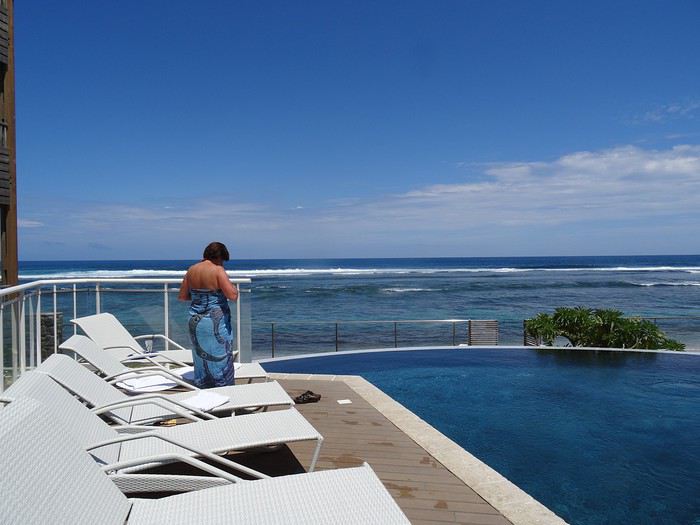
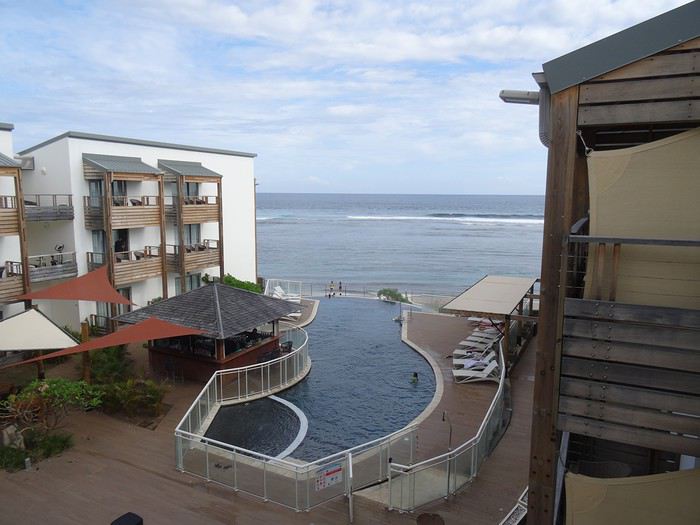
A flawless journey (well, except for a minor distraction in the massive Hertz queue that led me to cut in front of a few young couples, who weren’t too happy about it—though I joked with the agent about it: *"It happens!"*). We ended up at Hôtel Le Battant des Lames in Saint-Pierre, a gorgeous combo of an infinity pool and the Indian Ocean. We rushed straight into the pool—after over ten hours of sitting on a plane, it felt *amazing*!
We didn’t waste any time—you know Dom—exploring the city on foot. It’s lovely: the seaside is well-developed, it’s tropical, but with the budget of a wealthy country.
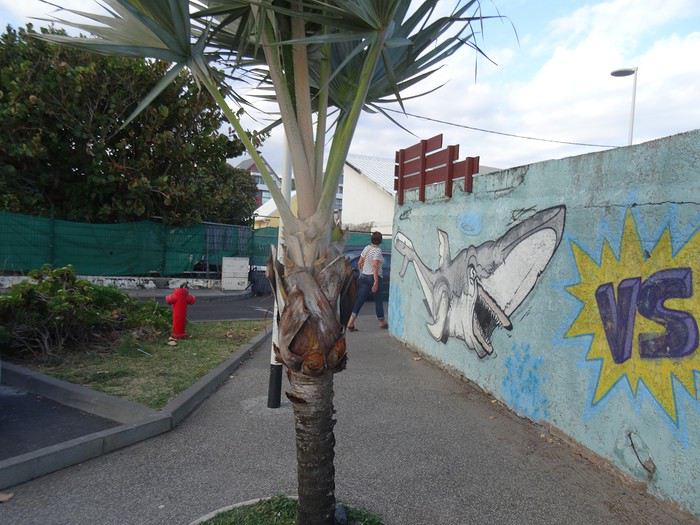
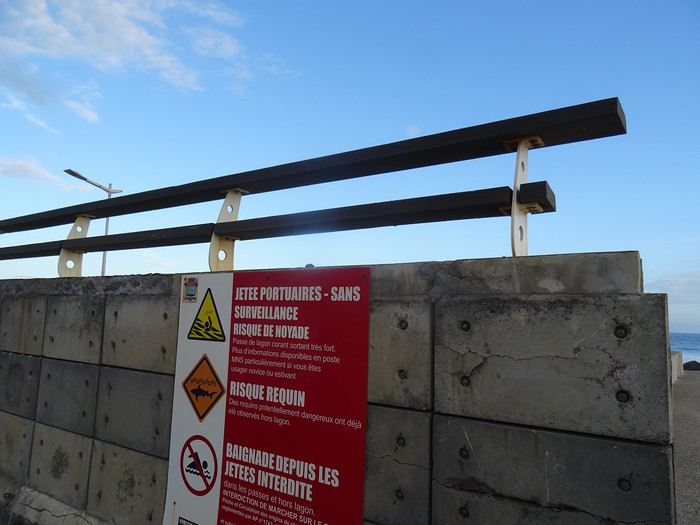
Réunion is also famous for its killer sharks…
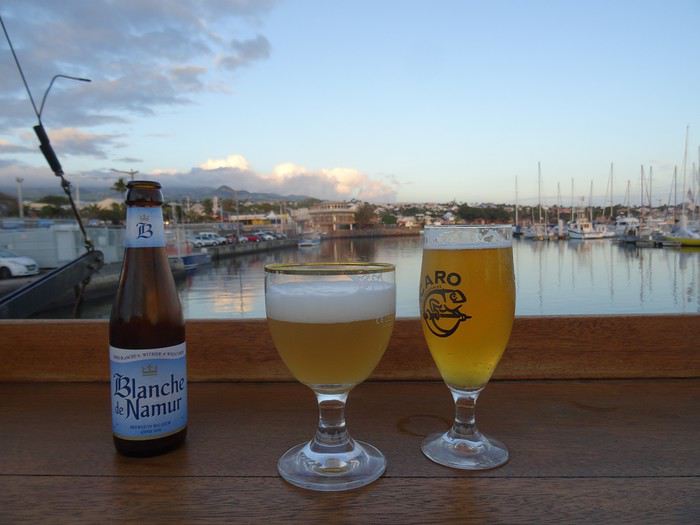
A Creole music group was playing at a seaside bar, so we settled in.
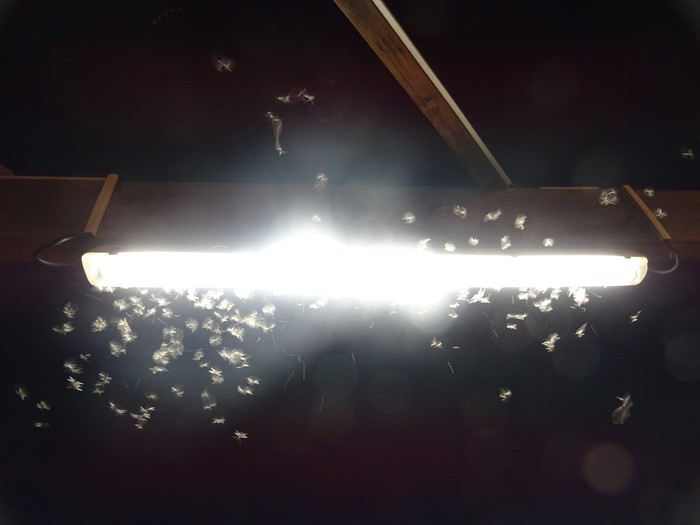
Night fell, and with it, swarms of insects suddenly invaded the city!
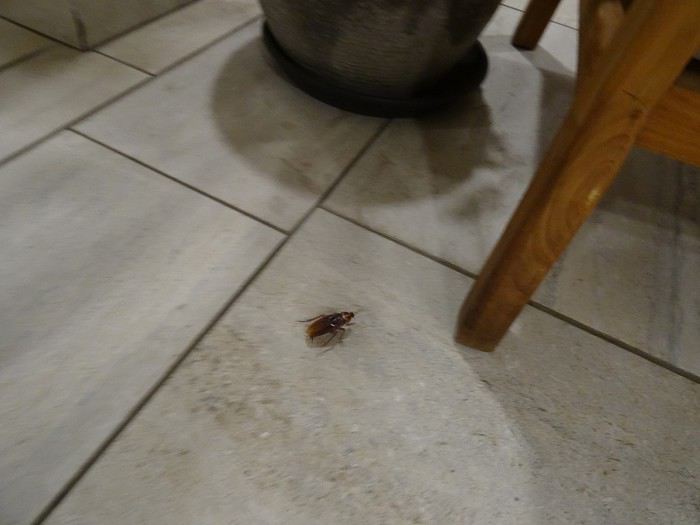
One of the few signs of the tropics here! Insects, geckos, and cockroaches...
Monday, September 30, 2019
Saint-Pierre
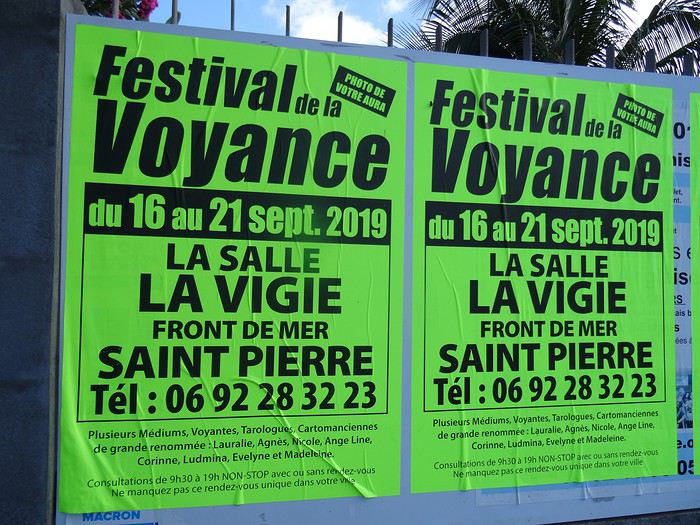
We were disappointed, of course! We could’ve gotten a photo of our *aura* and missed the chance by just a week! In tears, we decided to tackle the island’s most famous site.
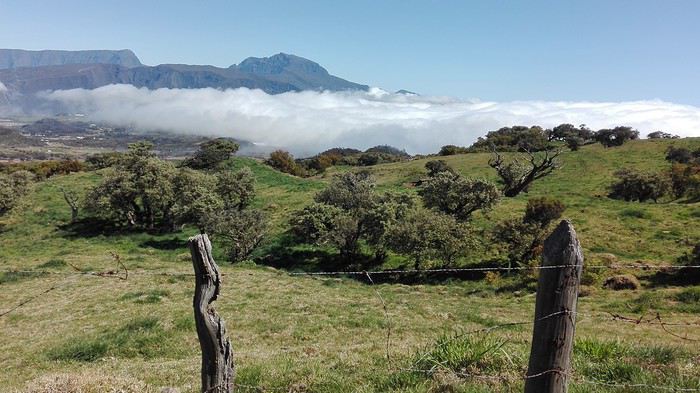
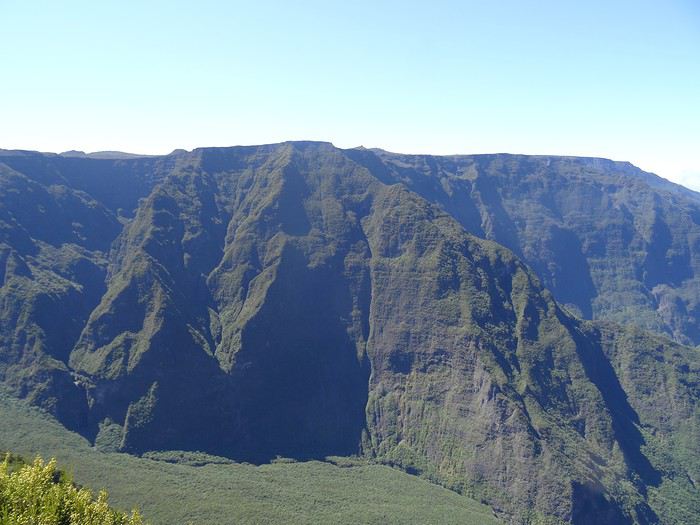
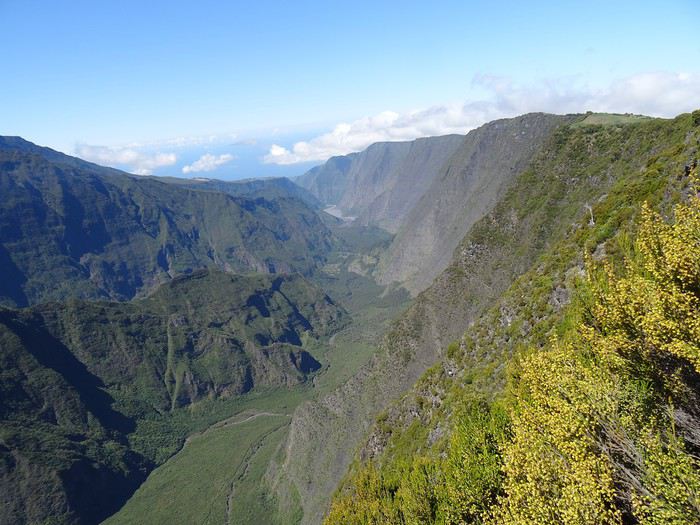
Excursion to Piton de la Fournaise. The plan was to head to one of the nearby parking lots and take a relaxed stroll. But it quickly turned into… something else.
First, I realized the built-in GPS operates on a pretty basic algorithm—like the earliest models. If there’s a bumpy road that even the toughest Mitsubishi 4x4 struggles with, a path through a junkyard, or any shortcut to save a few meters, it’ll proudly suggest it. So instead of taking the main road—the royal route to the famous volcano—we ended up on charming little mountain roads…

 By bike, it’s doable, though some sandy stretches are still pretty tough if you’re as overloaded as I was... Left Manakara’s Hôtel Les Délices on the 11th with my pretty beat-up blue bike...