The Society Islands: much more than turquoise lagoons! Most trips to Polynesia start in Tahiti. The island is home to the international airport in Papeete and serves as the main gateway to the other archipelagos. But it would be a shame to see it only as a stopover! With its volcanic mountains, valleys covered in vegetation, and black sand beaches, Tahiti deserves a few days of exploration. It's also a great opportunity to visit the Papeete market, which is particularly lively in the morning, and to taste local specialties like raw fish in coconut milk.
Just a 30-minute ferry ride away, Moorea offers a mix of rugged terrain, deep bays, and lagoons. You can alternate between hiking, swimming, and exploring pineapple plantations. Further out, Bora Bora is famous for its lagoon, but the islands of Huahine, Raiatea, and Tahaa are just as worth a visit.
Raiatea is home to the marae of Taputapuātea, an ancient major religious and political center of the Polynesian world, now a UNESCO World Heritage site. As for Huahine, it has several remarkable archaeological sites, particularly around the village of Maeva.
Our tip: For a first trip, plan to visit two or three Society Islands rather than trying to see them all. You'll enjoy each one more and limit travel time.
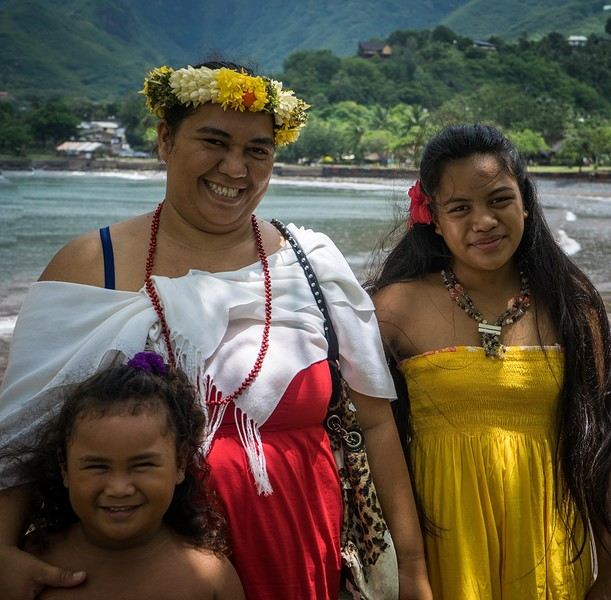
The Tuamotu: heading for the marine depths Forget the mountains! In the Tuamotu, the landscape is completely different. This archipelago is mainly made up of atolls, ancient submerged volcanoes of which only coral rings remain, surrounding vast lagoons.
Rangiroa, one of the largest atolls in the world, is particularly renowned for scuba diving. In the Tiputa Pass, it's not uncommon to see dolphins, sharks, and large schools of fish. Fakarava, a UNESCO Biosphere Reserve, also offers great diving opportunities in the Garuae and Tumakohua passes.
But don’t worry, you don’t need to be an experienced diver to enjoy the Tuamotu! Boat excursions let you discover isolated motu (small islands), swim in the lagoons, and snorkel.
However, if you love hiking or cultural visits, you might find the options a bit limited. Here, activities revolve mainly around the ocean. Also, be mindful of transportation: flights between atolls aren’t always direct, and some routes only operate a few days a week.
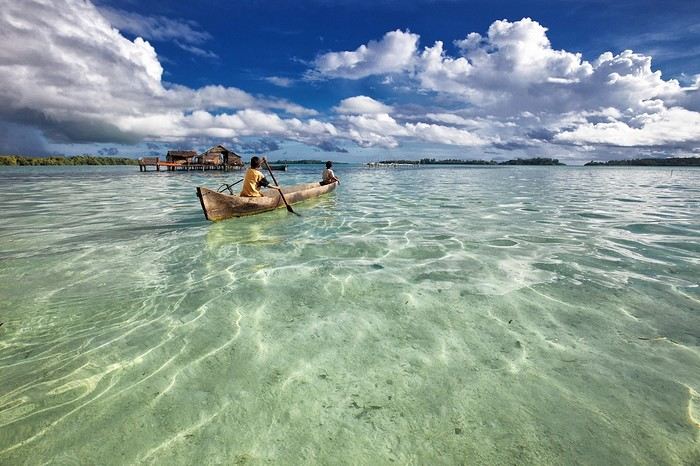
The Marquesas: discovering another side of Polynesia Located about 1,500 kilometers from Tahiti, the Marquesas have little in common with the traditional image of Polynesia. No vast turquoise lagoons or long white sand beaches—just steep cliffs, deep valleys, and mountains covered in dense vegetation.
And that’s exactly what makes them so special!
On Nuku Hiva, the landscapes of Taiohae Bay and the Hakaui Valley are among the most stunning in the archipelago. On Hiva Oa, you can explore the archaeological site of Iipona, with its large stone tikis, as well as the places associated with Paul Gauguin and Jacques Brel, both of whom spent their final years on the island.
The Marquesas also have a strong cultural identity, particularly visible in tattoo art, sculpture, and oral traditions. The archipelago was even inscribed as a UNESCO World Heritage site in 2024.
One small downside: getting around can be quite time-consuming, even within a single island. Roads are sometimes narrow, and some valleys are only accessible on foot, by horse, or by boat. So, it’s best to take your time and plan to stay several days.
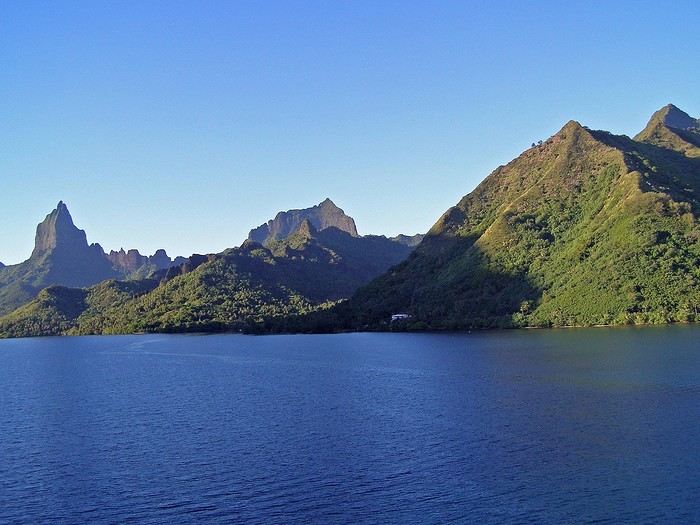
How to plan your itinerary between the archipelagos? French Polynesia spans a maritime area comparable to that of Europe. In other words, hopping from one island to another isn’t as easy as it is in Greece!
To reach Moorea from Tahiti, a 30-minute ferry ride is all it takes. But count about an hour’s flight to Rangiroa and several hours to reach the Marquesas. And most importantly, not all islands are connected daily.
With about ten days on site, we recommend focusing on the Society Islands, possibly adding a Tuamotu atoll. If you have three weeks, you can consider a more diverse itinerary.
Another option is to explore the archipelagos by sea. Some companies offer itineraries departing from Papeete, combining several islands without having to organize each transfer. This is the case with PONANT, whose Polynesia cruises allow you to discover the Society Islands, the Tuamotu, and, depending on the route, the Marquesas.
This solution has the advantage of making travel between sometimes very distant islands easier. On the other hand, stops are generally shorter than if you organize your stay independently. So, it’s up to you to choose between discovering several archipelagos and spending more time on each island.
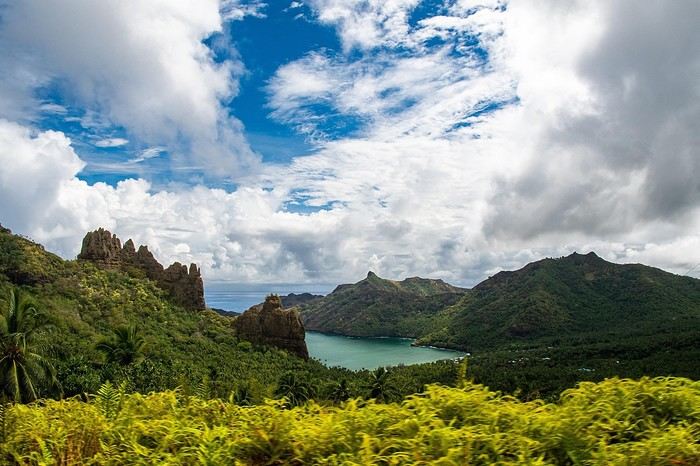
What’s the best time to visit Polynesia? Weather-wise, the Society Islands and the Tuamotu have two main seasons. From May to October, the dry season generally brings more pleasant temperatures and less rain. This is a particularly good time for hiking and excursions.
From November to April, temperatures rise, and rain becomes more frequent. This doesn’t mean it rains all day, but showers can be intense. However, don’t apply this calendar to the entire territory! In the Marquesas, the climate varies differently, and rainfall is often heavier between January and August.
Finally, if you dream of seeing humpback whales, plan your trip between July and November, when these mammals come to breed in Polynesian waters.
So, which archipelago should you choose? If you’re looking for a trip that combines hiking, culture, and water activities, the Society Islands offer plenty of options. For diving and snorkeling enthusiasts, head to the Tuamotu. As for the Marquesas, they deserve a trip all to themselves to discover a lesser-known side of Polynesia, where cultural heritage is just as important as the landscapes.
And if you’re still undecided, there’s nothing stopping you from combining two archipelagos—just don’t underestimate the distances!







