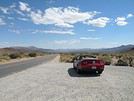
Le réseau n’a pas une très bonne réputation (justifier), et les disparités sont très importantes. Il est possible de rencontrer de très belles routes comme d’autre pire qu’un chemin de terre qui lui même peut-être satisfaisant.
Les risques sont sensiblement les mêmes qu’en Europe ou en Amérique du nord, les seuls gringos qui ont des problèmes sont généralement ceux qui se sont fait « repéré ».
Un brésilien te dira que les taxes sont énormes (ce qui est vrai, mais moins qu’en Italie ou en France), le coût général est bien moindre, mais là aussi, d’un état à un autre le prix au litre peut varier jusqu’à +/- 20 - 25%. Comparativement au Canada, tu le trouveras peut-être un peu plus élevé.
Attention aux tarifs des amendes et aux radars automatiques !
Si tu penses « couvrir » une grande distance, il sera probablement préférable de faire un mix avion/voiture (ou bus/voiture) et la louer dans chaque grande ville !
Je prévois surtout me déplacer sur les autoroutes entre les grandes villes ( Rio, Brasilia, Salvador). Alors je me demandais si ily a des péages et si ils sont chers et si il y a des haltes routières où l'on peut faire une sieste sans danger.
sthy
Merci de m'avertir pour les radars, je suivrai les limites de vitesse...
Le réseau autoroutier est aussi meilleur que celui qui existe en France....le prix des péages est dérisoire selon ou l'on va compte tenu des distances parcourues....
un exemple Sao Paulo--Belo Horizonte 500 km = 3 € par contre un Sao Paulo--Rio de Janeiro = 500 km = 15€
le prix de l'essence ne varie pas d'autant que cela surtout que les véhicules roulent à 90% à l' Ethanol comun ...en fait on peut mettre soit de l'ethanol soit de la gasolina dans le réservoir en fonction des opportunités, si écart de plus de 1 R$, vaut mieux mettre de l' Ethanol car une voiture à l'ethanol consomme plus, + 15% en moyenne que si elle roule à la gasolina.
1 litre d' Ethanol coute 1.69 R$ sur Sao Paulo 1.99 R$ sur Rio de Janeiro et 1.79 R$ du côté de Brasilia
par contre dans certain Etat, notamment dans le nord, l' Ethanol est au même prix que la gasolina Comun donc vaut mieux rouler à la Gasolina car on consomme moins
pour l'essence 1l coute 2.69 R$ à Sao Paulo 2.99 R$ à Rio de Janeiro et 2.89 R$ à Brasilia
Pour les amendes : beaucoup de radars fixes et de radars mobile, plus des radars aux feux et aussi on peut vous verbaliser sans vous arrêter à la volée par des agents en civil (DER) qui peuvent vous voir téléphoner au volant, sans ceinture de sécurité etc...
voila le type d'amende que vouspouvez recevoir :
conduire un bras sur la fenêtre = 85 R$
conduire torse nu = 85 R$
téléphoner au volant = 131 R$
s'arrêter sur la bande passage piéton à un feux rouge 85 R$
dépassement de 20% de la vitesse autorisée = 85 R$
non port de ceinture de sécurité avant et arrière = 131 R$
conduire avec des tongs = 85 R$
alcool au volant = 1831 R$ là le taux autorisé est de 0.00 donc la moindre bière est vous êtes bon pour 1831 R$
Les routes sont pour la plupart bien pratiquable, voir même excellent pour les autoroutes.
Fait surtout attention aux radars automatique, il y'en a énormément, et pas forcément indiqués. Ca peut vite faire monter l'addition, en plus je me demande si les loueurs ne se prennent pas une marge au passage? Je m'etais pris 90 euros pour un stationement en sens contraire de la rue, et le loueur préléve directement sur ta carte et t'envoie un papier à ton domicile.
Le plus grand voyageur est celui qui a su faire une fois le tour de lui-même
Tu peux faire opposition aux paiements si le loueur vient te prendre une somme quelconque plusieurs mois après, et la banque annulera l'opération car le loueur sera incapable de fournir ton acceptation pour le montant prélevé, notamment ton accord par ta signature...je l'ai déjà fait plusieurs fois auprès de ma banque et à chaque fois l'opération a été rejeté donc annulée et la somme re-créditée sur mon compte
Merci de l'info 🙂, c'est vrai que la somme a été prélevée plusieurs mois apres et sans details plus precis sur la raison exacte de l'amende. J'ai surtout trouvé l'addition bien salée par rapport au délit. Mais j'imagine que si tu ne paye pas lors du prochain voyage au Brésil il faut changer de loueur?
Le plus grand voyageur est celui qui a su faire une fois le tour de lui-même
Non, pas forcément, et si tu passe par des sites comme www.alibabuy.com pour faire des simulations de tarifs, tu ne loue pas forcément chez le même loueur et cela dépendra des offres reçues 😎 je loue régulièrement des voitures au Brésil et il est rare que je reloue donc chez le même loueur
Le réseau autoroutier est aussi meilleur que celui qui existe en France....le prix des péages est dérisoire selon ou l'on va compte tenu des distances parcourues....
un exemple Sao Paulo--Belo Horizonte 500 km = 3 € par contre un Sao Paulo--Rio de Janeiro = 500 km = 15€
le prix de l'essence ne varie pas d'autant que cela surtout que les véhicules roulent à 90% à l' Ethanol comun ...en fait on peut mettre soit de l'ethanol soit de la gasolina dans le réservoir en fonction des opportunités, si écart de plus de 1 R$, vaut mieux mettre de l' Ethanol car une voiture à l'ethanol consomme plus, + 15% en moyenne que si elle roule à la gasolina.
Quand je lis que le reseau autoroutier bresilien est aussi meilleur que celui qui existe en France !!!! C'est une plaisanterie je pense .
Le nombre de Kms n'est pas comparable , la qualite des routes non plus .
Je ne pense pas que tu connais la BR101 , qui quand meme traverse tout le Bresil , et qui est dans plusieurs etats , um porcaria .
Dans le sud , Parana par exemple , la plupart des routes principales sont a peage , et que 2 voies , non 4 voies .
Ensuite ne pas confondre que le parc automobile est constitue de 90 % de voitures "flex" ( voiture a ethanol ou essence ) , et que les vehicules roulent a 90 % a l'ethanol . Depuis qqs annees , plus grand monde ne roule a l'ethanol .
Une voiture roulant a l'ethanol , consomme 30% de plus de combustible . Donc si l'ethanol est a plus de 70% du prix de l'essence , ce n'est plus interessant .
Concernant les voitures flex, qui peuvent rouler à l' Ethanol ou à l'essence, celles ci sont plus économiques à condition que l'écart de prix entre ces 2 carburant est égale ou supérieur à 1 R$......donc relit ce que je viens d'écrire plus haut...
quand tu paye le litre 1.69 R$ et l'essence 2.69 R$, même si le véhicule consomme 20% de plus en Ethanol, avec 1R$ d'écart l' Ethanol reste compétitif
Celta 1.00L pour 100 kms 8 litres d' Ethanol x 1.69 R$ = 13.52 R$
en essence 6.5 litres de Gasolina comun à 2.69 R$ = 17.48 R$
donc même avec 23% de consommation en plus en Ethanol, l'économie est en faveur de l' ethanol !!! c'est mathématique alors après ne vient pas raconter n'importe quoi, je parcours 35 000 kms par an et depuis longtemps j'ai fait mes calculs de consommations avec les
2 types de carburant.
Par contre du côté de Vitoria ou le litre d'Ethanol est vendu au même prix que le litre de Gasolina, il n'y a pas à se poser de question
Ensuite pour les routes, je parlais du réseau autoroutier qui reste en général trés correct voir très bon dans certains Etat, ensuite je ne parle pas des routes du fin fond du Mato Grosso, ou du Nord du Brésil voir du centre du côté Amazonie et en ce qui concerne le Parana, quand on paye une Ipva (impôts servant à financer les investissements routiers) sur les véhicules à 2% on ne vient pas se plaindre des routes, car Sao Paulo et Rio de Janeiro c'est 4% l'Ipva
Concernant les voitures flex, qui peuvent rouler à l' Ethanol ou à l'essence, celles ci sont plus économiques à condition que l'écart de prix entre ces 2 carburant est égale ou supérieur à 1 R$......donc relit ce que je viens d'écrire plus haut...
Ensuite pour les routes, je parlais du réseau autoroutier qui reste en général trés correct voir très bon dans certains Etat, ensuite je ne parle pas des routes du fin fond du Mato Grosso, ou du Nord du Brésil voir du centre du côté Amazonie et en ce qui concerne le Parana, quand on paye une Ipva (impôts servant à financer les investissements routiers) sur les véhicules à 2% on ne vient pas se plaindre des routes, car Sao Paulo et Rio de Janeiro c'est 4% l'Ipva
Si tu relis aussi ce que je viens d'ecrire , et ceci tu le trouveras dans toutes les revues , ou articles concernant les consommations au Bresil , le calcul de l'interet de rouler ou non a l'alcool , n'est pas une somme comme tu le dis de 1 real , mais d'un pourcentage . Dans notre cas ici a Floripa , l'essence est ces jours ci a 2.49 reas .
Que multiplie 0.7 (valeur moyenne calculee) = 1.74 . Prix auquel l'alcool est aussi interessante que l'essence . Donc dans notre cas , ce n'est pas une difference de 1 real , mais 0.75 real.
Ensuite au sujet des routes , lis cela , donc que l'on paie 2 ou 4 % sur l'IPVA , tous le monde le sait tres bien , que cet impot ( en fait ce vol ) , ne sert tres peu a l'entretien des routes :
"O montante da arrecadação do IPVA é dividido em proporções iguais entre Estado e o Município onde o veículo está licenciado. Ao contrário do que muita gente pensa, o dinheiro arrecadado com o IPVA não é destinado a recuperar ruas e estradas. Como se trata de um imposto, a Constituição Federal proíbe qualquer tipo de vínculo predeterminado. Assim, há um repasse para um caixa comum, de onde saem os recursos aplicados em serviços públicos, como saúde, educação e segurança."
Mais je n'essaie aucunement d'affoler nos amis qui veulent parcourir le Bresil en voiture , le budget essence , peage sera toujours plus economique que en France .
Et essayez d'eviter de rouler de nuit , pas toujours tres sur.
J'aimerais me louer une voiture et j'aimerais savoir quel est l'état du réseau routier au Brésil.
J'aimerais surtout savoir si c'est sécuritaire, peut-on s'arrêter faire une sieste dans les haltes routières en toute sécurité?
Combien coûte l'essence et les péages?
Merci pour vos réponses!
sthy
Salut Yves,
Ici à Bahia les prix normaux d'essence commum sont de 2.95R$, l'éthanol se vends à 2,20R$.
En ce moment la petite gueruerre entre les postes est actif (chaque quelques mois quelqu'un tente de faire bouger un peu le marché, ça dure quelques semaines et après tout le monde s'accorde pour appliquer les tarifs maxis a nouveau) et l'essence peut se trouver a partir de 2.61R$ (c'était hier mais ça change tous les jours)
Les péages ici varient entre 1.8 et 5.6R$ par tronçon.
Un conseil : n'oublie pas ton (programme) GPS (pour smartphone par exemple tomtom ou sygic ont des cartes du Brésil)!
ça t'aideras beaucoup dans tes déplacements, mais pas toujours ... hier j'ai eu un couple de français qui m'appellait ici à Salvador pour demander pourquoi leur GPS ne montrait pas le chemain pour aller sur Cachoeira (ville pourtant bien connue ici MAIS il i y a un tronçon de route qui jusqu'à aujourd'hui ne figure sur aucune carte digitale, meme si on peut la voir sur google earth, et ça complique parfois l'utilisation gps ... tenez en compte).
Au niveau sécurité ...
Ici au nord-est on roule de manière extrèmement agressive et on ne tient rarement compte du code de la route ou des autres conducteurs (sauf les camioneurs qui sont, surtout en montagnes, assez compréhensibles pour les autres).
Les feux rouges ne sont pas respectés le soir (en théorie on ne doit plus s'arrèter à partir de 22h pour raisons de sécurité) et les dimanches.
Ne roulez jamais sur les routes intérieures la nuit ici : il y a pas d'éclairage, peu de réflecteurs sur la route et surtout on peut facimelement rencontrer cheval, ane ou vache ou plein milieu de la route (de préférence derriere un virage ...) ET sachez que si vous tuez un animal ainsi vous êtes responsable (crime ambiental !).
Voila, les infos du nord-est.
Le bonjour tropical de Salvador da Bahia
Ivan
Vivre à Bahia (Brésil) c'est différent qu'en Europe ... quel plaisir d'avoir ce climat doucement tropical lelong des côtes paradisiaques, l'etno-gastronomie typique, d'avoir le parc national Chapada Diamantina et ses superbes vues naturelles.
Bonsoir,
Je cherche à avoir le prix d'un parcours: salvador de bahia (aéroport) jusqu'à feira de santana (université) : On ne me demande 90 euros alors que je ne pense pas que ça fasse autant. Pouvez vous m'éclairez. Merci
Bonsoir,
Je cherche à avoir le prix d'un parcours: salvador de bahia (aéroport) jusqu'à feira de santana (université) : On ne me demande 90 euros alors que je ne pense pas que ça fasse autant. Pouvez vous m'éclairez. Merci
Si on vous 'demande' ce prix c'est que vous auriez la voiture pour vous tout seul.
Vu le prix du trajet ici à Bahia c'est normal pour du transport privé d'une personne.
C'est pour ça qu'ici on compartille 😉
Si cela vous coute trop prenez le bus
cad. prenez d'abord le bus de l'aéroport vers la station de bus centrale de Salvador (la cherchez le qui et le comment et espérez votre bus vers Feira, j'espère que tu parles courament le portugais ?) depuis espérez votre bus ou taxi vers votre université ...
tout cela vous prendra le triple du temps et vous coutera peut'être la moitié
Ivan
Vivre à Bahia (Brésil) c'est différent qu'en Europe ... quel plaisir d'avoir ce climat doucement tropical lelong des côtes paradisiaques, l'etno-gastronomie typique, d'avoir le parc national Chapada Diamantina et ses superbes vues naturelles.
j'y passe rarement, généralement je passe sur le ring vers le Parc National de la Chapada Diamantina.
c'est une grande ville commercialle qui a très peu d'intéret culturel
quand on y va c'est pour acheter des choses qu'on ne trouve pas a Salvador 😉
Vivre à Bahia (Brésil) c'est différent qu'en Europe ... quel plaisir d'avoir ce climat doucement tropical lelong des côtes paradisiaques, l'etno-gastronomie typique, d'avoir le parc national Chapada Diamantina et ses superbes vues naturelles.
voila un compte rendu d'un trajet de 4000 km que je viens de faire en 10 jours, de Fortaleza à Sao Paulo, en voiture.
Prenez un GPS, c'est l'ideal...en 4000 km, le GPS s'est trompé une fois, en cause un rond point modifié, détour de 10 km et à Salvador, il m'a indiqué un chemin dans la favelas au centre ville, dans une rue ou j'ai dû mettre 2 roues sur le trottoir pour pouvoir passer, car autrement les roues touchaient de chaque côté le trottoir..et aussi que ma destination finale était accessible par une 2 voies
Route impeccable, durée de trajet à multiplier par 2, c'est à dire que pour faire 100 km prévoir 2h sauf entre Belo Horizonte et Sao Paulo ...580 km = 7h
Fortaleza - Joao Pessoa 850 km = 12h route impeccable
Joao Pessoa --Salvador de Bahia = 1100 km = 17h route impeccable sauf un tronçon de 10 km à la hauteur de Maceio
Salvador de Bahia-- Governador Talavares 980 km = 15h route impeccable
Governador Talavares- Ouro Preto 360 km = 8h route impeccable
Ouro Preto--Belo Horizonte 100 km = 1h45 route impeccable
Belo Horizonte- Sao Paulo 580 km = 7h Autoroute
coût total des péages : + ou -25 Reals pour 4000 km
carburant : moyenne de 10l/100 km C4 110cv ethanol .....gazolina 8.5l/100 km
NB: si vous avez 0.60 cts d'écart avec le prix de la gazolina, prenez de l'ethanol, c'est plus rentable.
Voyager en camping-car › Brésil / Bolivie · 2 replies
Quelqu'un aurait-il des informations sur le passage de Frontière à San Matias entre le Brésil et la Bolivie en voiture? Sur la piste entre Caceres et San…
Le 1er avril je débarque à Sao Paulo et j'ai besoin de trouver une petite voiture (1 pers) la moins cher possible (sans franchise), au départ de l'aéroport…
J’envisage d'aller après une croisière 3 nuits à guaruja J'ai lu qu'il y avait des ponts qui relient santos à cette île. Mais j'ai beau chercher sur des plans…
Nous partons au Brésil début décembre et voudrions visiter le Minas Gerais au départ de Rio et terminer à Belo Jorizonte. Nous voudrions trouver une voiture…
Hi everyone,
We’re planning 40 days in Uruguay and Argentina in February and March, trying to avoid as much rain as possible.
We’re thinking of starting in Buenos Aires, then heading to Bariloche, and from there flying to Córdoba, Mendoza, or Salta. Maybe by bus or renting a car to explore each region.
Do you have any suggestions or tips for us? We love picturesque, historic cities and landscapes. As seasoned travelers, we’re used to planning our trips ourselves.
Thanks in advance!
Hello,
my wife and I will be in Cusco for a week in March 2027.
I’d like to organize the visit to the site on our own, combining the Sacred Valley and Machu Picchu.
We’d leave Cusco on Day 1 to arrive at the site in the morning, then stay in Aguas Calientes or Ollantaytambo, and on Day 2 return to Cusco while visiting the Sacred Valley.
Is this doable?
Looking forward to hearing from you.
Cédric.
Hello,
We’re spending 3 weeks in Rio between February 20 and March 15, 2027, to visit our son and daughter-in-law. We’re thinking of one or two "escapes" from Rio—3-day trips to get away from the city (so not too far, max 3–4 hours by car or bus). We’re all ears for suggestions! We love beautiful nature and authentic experiences, not so much the touristy spots... even though those spots are often in beautiful places, we’d rather avoid them.
Thanks for your insights!
Catherine
Hello,
we’re arriving in Fortaleza on February 14, 2027, and planning to rent a car to drive to João Pessoa in two stages. We’ll leave from there on the 20th or 21st to head to Rio. Our questions:
- Which stop between Fortaleza and João Pessoa would be the most enjoyable?
- How long does it take to drive from Fortaleza to João Pessoa?
- Are there any easy hikes (no guide needed) around João Pessoa?
Thanks for all your replies—I’m hoping for lots!
Catherine
Hi there,
I’m planning a trip with my partner (no kids this time—thanks, Grandma!) for two weeks to celebrate her 40th birthday. I’ve been thinking about Chile. We’re looking at leaving around September 18, 2027, starting in the south and returning in early April.
Here’s what I had in mind:
8 nights in a van in the Lake District and the start of the Carretera Austral (up to the Chaitén area). We’re set to arrive in Puerto Montt around 2:00 PM. We don’t want to go too far south since we’re planning to explore the heart of Patagonia (Chile and Argentina) with the kids when they’re older. The idea is to spend 3 nights discovering the lakes (up to Cochamó) and 3 nights in Pumalín Park. I’ve also added two transition nights.
7 nights in the Atacama to experience another side of Chile (San Pedro), taking a domestic flight from Puerto Montt to Calama in the early afternoon. We’ll depart for France in the early evening from Santiago.
IMPORTANT NOTICE for those planning to take a bus to another city, state, or destination from Salvador!
Starting January 20, 2026, the intercity bus station Rodoviária is changing its address!
The Rodoviária is leaving the Iguatemi area and will now be located in ÁGUAS CLARAS (about twenty kilometers from downtown Salvador).
A brand-new station (the most modern in Brazil) has just been set up there, accessible by car/taxi/Uber/metro.
Allow for much more transfer time (especially during rush hours), so leave early if you're heading to Chapada Diamantina or other Brazilian cities by bus.
Remember, there are also private transfers (even French-speaking ones) that can take you directly from your hotel in Salvador to your hotel in Chapada. Sure, it’ll be more expensive, but you’ll save on transfer time and comfort.
Tropical greetings from Salvador,
@ivanbahiaguide
Loyal member of the French-Speaking Brazil Forums for over 15 years already 😊 🇧🇷
Hello,
We’re thinking of spending 1 month in Chile, maybe doing a loop?
From 12/23 to 01/22.
What are the must-see sights, given we’re more interested in the country’s cultural side than the beaches?
Thanks
Hi everyone,
We're planning a trip to southern Chile in November. Here's our tentative itinerary:
Day 1: Arrival in Santiago, then a flight the next day to Balmaceda where we'll pick up a rental car to reach Coyhaique.
Day 3: Walk in the Coyhaique National Reserve, then continue to Puerto Chacabuco. Return to Coyhaique for the second night.
Day 4: Drive to Villa Cerro Castillo for a hike in the national park. Continue to Puerto Tranquilo and stay there for 3 nights.
Day 5: Boat tour on Laguna San Rafael.
Day 6: Day trip to Monte San Valentin Glacier.
Day 7: Excursion to the Marble Chapels, then drive to Puerto Guadal. We'll stay there for 3 nights.
Day 8: Walk along Lago Carrera and return to Puerto Guadal.
Day 9: Rio Baker Valley and, if possible, a glacier excursion.
Day 10: Drive to Cochrane and hike in Tamango National Reserve. We'll stay 2 nights in Cochrane.
Day 11: Walk in the Chacabuco Valley.
Day 12: Drive to Caleta Tortel. We'll stay there for 2 nights.
Day 13: Cruise in the Rio Baker delta.
Day 14: Return to Cochrane.
Day 15: Return to Balmaceda in two stages.
Day 16: Continue the return journey.
Day 17: Return the rental car and head back to Santiago.
After this, we're also planning to explore northern Santiago. I'll post about that part once I have a clearer idea of the route.
What do you think of this itinerary? Is it doable in 17 days?
Thanks in advance for your tips and recommendations.
martine
Hi everyone! So happy to be back on this forum—it’s packed with such useful info! 🙂 My husband and I are planning a 2.5-week self-drive trip to Colombia at the end of the year, including some domestic flights. My first question is: is it possible, easy, and safe to do a road trip in Colombia?
Below is our draft itinerary (with questions at each stop):
29/11: France → Colombia. Overnight in Bogotá.
30/11: Exploring Bogotá: La Candelaria and Montserrate.
01/12: Gold Museum (closed on Mondays). Drive to Zipaquirá (1.5 hrs) to visit the Salt Cathedral. Then drive to Villa de Leyva (3 hrs). Explore the town. Overnight in Villa de Leyva.
02/12: Return to Bogotá via Laguna de Guatavita (5 hrs). Is it worth the detour? Overnight in Bogotá.
03/12: Flight to Pereira. Drive to Salento. Overnight in Salento.
04/12: Cocora Valley (hike among the wax palms) followed by a drive around the area. Are there any waterfalls or other sights nearby?
05/12: Visit a coffee finca—any recommendations? Then explore the surroundings: Filandia, Manizales, waterfalls? Hot springs? Which ones?
06/12: Flight to Medellín.
07/12: Exploring Medellín: Centro, Plaza Botero, Comuna 13. How do you visit Comuna 13? Is it easy to get around Medellín? Metro? Buses?
08/12: Drive to Guatapé (2 hrs). Visit the town, stroll around the lake, then El Peñol. Overnight in Guatapé.
09/12: Return to Medellín.
10/12: Flight to Santa Marta. Drive to a hotel near Tayrona Park.
11/12: Tayrona—El Zaino entrance.
12/12: Tayrona—Palangana entrance, then Bahia Concha and Santa Marta. What do you think?
13/12: Drive to Minca (45 mins). Can we reach the village by car? Pozo Azul and Marinka waterfalls. Overnight in Minca (or back in Tayrona?).
14/12: Drive to Puerto Nao (5 hrs). Stop in Ciénaga on the way + boat tour in Nueva Venecia and/or Buena Vista? Not enough time? Overnight in Puerto Nao.
15/12: Exploring Cartagena: Centro, Getsemaní, the walls + La Boquilla if we have time.
16/12: La Boquilla (is it really worth it?) if we didn’t have time yesterday, then back to the beach.
17/12: Return to France.
So, what do you think? Is this doable, or should we tweak it? Thanks in advance for your invaluable feedback and tips! 🙂
Hi there, I’ll be in Brazil from December 10th to the end of February.
I’ve sketched out a rough itinerary but I’m not sure how to arrange it—considering the climate, year-end holidays, and Carnival.
Basically, I’m thinking of the Amazon, the Northeast coast with Lençóis Maranhenses National Park (but skipping Chapada Diamantina),
Ouro Preto, Paraty, and Ilha Grande—but no Rio visit.
Is this doable in 3 months?
Which direction should I take for this itinerary?
Thanks in advance!
Hi everyone, does anyone know the agency Ventura Travel Agency (not ventura travel)? After lots of research and quotes, it’s the only one offering Uyuni at a reasonable price while meeting all the criteria: transfer to the border, private-room accommodation, and a very fair rate. Other agencies or guides either offer shared rooms, no border transfer, or prices that are way too high. But I’d love to hear some reviews about this agency. Thanks in advance!
Hi everyone,
We're planning a trip to Chile to visit the Atacama Desert and then head toward Putre, Lauca, Salar de Surire, etc.
Which would be the better time to go, April or November?
Is an SUV enough?
Looking forward to your tips!
Hi everyone, French travelers in Chile—what credit cards do you use for your various car rentals in the country? I’m traveling in September and was planning to switch my regular debit card (a VISA PREMIER in deferred debit mode) for the deposit guarantee.
My rentals are with Figal in Punta Arenas, Econautos in Arica, and Chilean Rent a Car in Temuco, and all of them want the deposit on a credit card. For me, deferred debit *should* work, but I’ve read comments saying the opposite.
How’s it actually working on the ground with these rental companies right now? Will a deferred debit card work, or not at all?
In France, banks don’t issue credit cards, right—or am I mistaken?
Hi everyone, is it still possible to travel in Ecuador outside the Amazon region? If so, do you have a reliable agency to recommend? All your recent experiences from the past few months would be greatly appreciated. Thanks so much
Hi,
We’re heading to Buenos Aires for 3 days in November and would like to do a guided tour of a few neighborhoods. There are "free" tours, but none in French. Does anyone have a guide to recommend so we can really get to know the city beyond just the architecture?
Thanks
Hi there,
I’m desperately looking for info on the schedules and routes of (shared) boats to visit the islands of Lake Titicaca.
From what I’ve found, there’s a *combi* (bus) that leaves from Puno to go to Llachon. Where do you catch it? What are the schedules and frequency? Does it take about 1 hour?
Then in Llachon, you can take a boat to Amantani (45 min). Same question—where do you check for frequency and schedule?
After that, from Amantani, boats go to Taquile and then Uros. Do you have enough time to visit the islands between two boats? Frequency and schedule?
The goal is to do this tour independently (no agency) over 2 days. Thanks for any tips you might have!
I just got back from a trip to Bolivia and wow—what a wake-up call. It’s not the easiest country, but it’s absolutely stunning.
I started with Isla del Sol, perfect for easing into the altitude at a relaxed pace. Try to stay in the northern part of the island—it’s quieter and the views are insane. And the trout there? Unreal. Quick tip: bring cash in small bills; they almost never have change, and cards are rarely accepted.
Next up, La Paz. The city’s pretty wild, built in every direction. I did a few hikes in the area, including the famous Charquini Lagoon (the blue lake) at over 5,000 m—let’s just say I struggled 😅 but it was so beautiful it was totally worth it.
After that, I headed to Sajama. It’s cool, especially for the hot springs, and I stayed in Tomarapi. But honestly, if you’re short on time, you can skip it without too many regrets.
The highlight of the trip: the Salar. I did it starting from Tupiza, and I *highly* recommend going Tupiza → Uyuni. Way less crowded at the start and the landscapes are super varied. For the tour, I used SplitYourGuide to find a group, and it worked out great. Super handy for splitting costs and meeting people.
I wrapped up in Sucre—this city is gorgeous, all white, with such a chill vibe. And the salteñas + ice cream? Next level 😋
Bottom line: Bolivia’s a bit rough around the edges, sometimes exhausting (shoutout to the altitude), but it’s 1000% worth it.
If you’ve got questions or need tips, I’m happy to help!
Martin
I was planning to go to Réunion and stay in half-board accommodation with non-professionals, but it seems that’s not really the custom there—or maybe my budget isn’t big enough.
So, since I’ve already traveled around Ecuador and Peru, I’m now looking at Argentina, especially for its mountains (like the ones in Réunion that tempted me, even though—frustratingly—I could only admire them from below).
I plan to get around by bus and don’t know in advance where I’ll sleep, so I won’t book ahead. If I like a place, I might stay for several days.
I know that in Chile, it’s easy to find half-board accommodation, but what about in Argentina?
I’d like to stay with locals in half-board without it being a professional setup. I’m not sure if this is common practice there. It’s up to me to find someone willing to host me.
What do you think?
What would be a fair price (keeping in mind that 40 to 50 € is the max I can spend on accommodation, breakfast, and dinner)?
Hi everyone,
We’re heading to Patagonia for three weeks in November, starting from Coyhaique in Chile.
We won’t have a car, and I’m struggling to find information about transportation options for a few parts of the itinerary we’d like to do:
1) From Perito Moreno (the town, near Los Antiguos), we’d like to travel down Ruta 40 to visit Perito Moreno National Park and then cross into Chile via the Paso Roballos (at the latitude of Bajo Caracoles) to reach the road to Cochrane. Without a car, it seems we’ll need to use private agencies to get to the national park—do you have any recommendations or suggestions? Also, does anyone know if it’s possible to cross into Chile via Paso Roballos (from Bajo Caracoles) without a rental car? That is, without having to go all the way down to El Chaltén or back up toward Perito Moreno/Los Antiguos, etc.?
2) The second stretch that seems a bit tricky (though still easier, in theory) is from Caleta Tortel to Villa O’Higgins on the Chilean side. Do we have to go back through Cochrane, or are there ways to get directly from Tortel to Villa O’Higgins?
3) Finally, we’d like to hike into Argentina (El Chaltén) from O’Higgins. Any recommendations for this? Do we need to go through an agency? What’s the estimated duration of the trek?
As you’ve probably gathered, we want to visit some off-the-beaten-path spots but don’t have a car, so we’re looking for the best possible compromises.
Thanks so much in advance for all your suggestions!
Thomas
Hi,
we’re planning a round trip from San Pedro de Atacama, Chile, to Salta, Argentina, in two months. On the way there, we’ll take the northern route via Susques, Route 27, then 52. But for the return, we were thinking of taking the southern route via San Antonio de los Cobres, Route 51, then 23. Is it similar to the northern route in terms of road surface? How busy is it, and are there gas stations? Basically, should we be worried about doing it in an SUV that’s supposedly 4x4 but has regular road tires and no second spare wheel, obviously...
I’ve seen that we can stop over in San Antonio de los Cobres.
Thanks for your feedback.
Raf.
Hi,
we’ll be in Calama at the end of March 2026, and I’m looking for a reliable car rental there for a 7-day road trip to Salta, Argentina. But I’m struggling with the car rental agencies in Calama because the reviews can be scary. I saw Gyg, which has great ratings, but I’m a bit wary (5/5 from 59 reviews—either the guy’s amazing or it’s fake...), but I can’t find any recent reviews on VF in general.
For Punta Arenas, I booked with Dachelet and didn’t have any issues with email exchanges.
Thanks in advance.
Raf.
I’m planning the trip of my dreams for next November—Chile!
I’d love to get your thoughts on my potential itinerary. I know it’s a big investment in terms of both time and money, so every bit of feedback, suggestion, or info helps immensely. Thank you in advance!!
1-Flight to Santiago
2-Explore Santiago
3-Explore Santiago
4-Bus from STG to Valpo (2h) + visit Valparaíso + night in Viña
5-Visit Valparaíso + bus back to STG (2h)
6-Flight to Calama + bus to San Pedro + explore and acclimate in San Pedro + car rental in the afternoon (+Chaxa?)
7-(Very early) Valle del Arcoíris + Laguna Cejar + Valle de la Luna
Good evening,
We’d love to go in November to enjoy some beautiful beaches for about two weeks, preferably around Bahia, as November/December seems like a great time.
We’ve already traveled to Brazil several times and know the south of Rio as well as the region between São Luís and Fortaleza, and Chapada Diamantina...
What advice would you give us: the south with Itaparica, Morro de São Paulo, Boipeba, Barra Grande—or all four? Or maybe the north?
Thanks in advance for your help
Hi everyone, it’s been a while since I last posted!
First time in South America for me, my wife, and our 7-year-old son. I’ve put together this itinerary and would love to hear your thoughts:
Bogotá 28/07 – 30/07: Arrival. Which neighborhood and outings would you recommend?
Flight to
2 Filandia 30/07 – 03/08: (255 €). Waterfalls and horseback riding,
Cocora Valley,
Hiking,
Nearby villages.
Flight to
3 Tayrona 03/08 – 07/08: Hotel La Casablanca
Hike with Tierra Nevada and the Kogui village (any feedback?). Return by inner tube for the little one.
Short night hike.
Second hike to La Piscina, etc., return by 🐎.
4 Cartagena 07/08 – 10/08: Air-conditioned bus.
Staying in Getsemaní? Mangroves & the Castle, exploring the city.
5 Bogotá 10/08 – 12/08
Feel free to share your feedback!
Have a great day!
Hi,
During an upcoming trip to Peru, we’ll have one day to explore around Arequipa (excluding Colca Canyon) with a car and driver.
We’ve got a few options:
- Toro Muerto petroglyphs and dinosaur footprints at Querulpa
- Ruta del Sillar and Quebrada de Culebrillas
We’re a group of 6 friends with an average age of 70, all mobile, and we’re planning a trip to Peru in September/October 2026. Below is an idea of what we’re looking for: a French-speaking guide, accommodation in 3-star hotels or homestays with comfort.
Duration: 16 to 20 days on-site.
Visit the main sites with immersion in the culture and way of life.
Which francophone agency in Peru would you recommend? Thanks
Hi there!
I’m putting together my itinerary for Brazil, looking for beautiful natural spots with wildlife, flora, and great hikes...
I’ve come across the Cananeia / Super Agui / Ilha do Mel region and the PETAR / Intervales / Alto Ribeira area.
Has anyone here been to these places? If so, do you have any recommendations for accommodations and activities?
Thanks in advance!
Best,
Olivier 🌍
I’ll be in ARICA in northern Chile at the end of May 2026 and want to get to TACNA.
Are there taxis, buses, or collectivos that run the border crossing route?
After that, bus to AREQUIPA (Peru): any bus company you’d recommend?