last edited Dec 11, 2019
What to see in Djibouti
Contributionsversion #1created Dec 11, 2019Report this pageLatest contributions in this guideContributors to this guide
Location Map of Djibouti
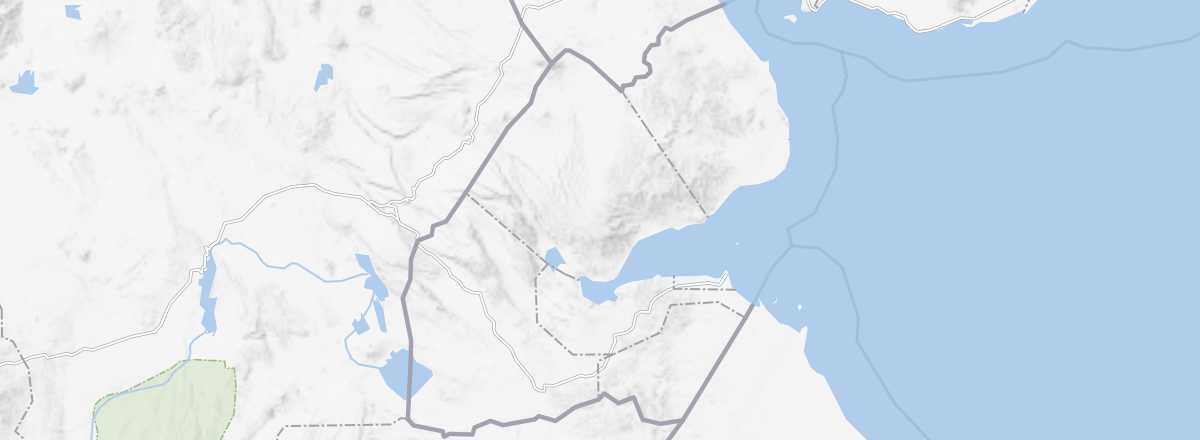 Djibouti
Open the interactive map
UNESCO World Heritage Sites
Despite its unique landscapes, Djibouti has no sites listed as UNESCO World Heritage Sites.
Cities and cultural heritage
Abourma
This is the most significant rock art site in East Africa, with nearly 1,000 carvings on the cliffside.
This is the most significant rock art site in East Africa, with nearly 1,000 carvings on the cliffside.
Djibouti
A few colonial buildings and beaches in the country’s capital. The Moucha Islands, known for diving, are just a few kilometres away.
A few colonial buildings and beaches in the country’s capital. The Moucha Islands, known for diving, are just a few kilometres away.
Obock
The small town in the north of the country still has a few old buildings, including the houses once occupied by Monfreid and Rimbaud.
The small town in the north of the country still has a few old buildings, including the houses once occupied by Monfreid and Rimbaud.
Tadjoura
On the gulf of the same name, the city where Henry de Monfreid lived still has a few colonial houses, an old port, and white sand beaches. You can go diving nearby.
On the gulf of the same name, the city where Henry de Monfreid lived still has a few colonial houses, an old port, and white sand beaches. You can go diving nearby.
Natural heritage

Seven Brothers Archipelago
A group of small islands between Djibouti and Yemen, traditionally valued for fishing and diving. Visit only as part of an organized trip due to recurring security concerns around the archipelago (piracy and other risks).
A group of small islands between Djibouti and Yemen, traditionally valued for fishing and diving. Visit only as part of an organized trip due to recurring security concerns around the archipelago (piracy and other risks).
Ghoubet Bay
This coastal area is dotted with volcanoes (including Ardoukoba) and faults. You can hike through striking, desolate landscapes here.
This coastal area is dotted with volcanoes (including Ardoukoba) and faults. You can hike through striking, desolate landscapes here.

Danakil Desert
Straddling Djibouti, Eritrea, and the northeast of Ethiopia, the Danakil is an arid and inhospitable area despite the presence of several lakes. It is home to a small range of wildlife and sometimes astonishing landscapes. It is also where the Afar people live.
Straddling Djibouti, Eritrea, and the northeast of Ethiopia, the Danakil is an arid and inhospitable area despite the presence of several lakes. It is home to a small range of wildlife and sometimes astonishing landscapes. It is also where the Afar people live.
Moucha Island
Off the coast of Djibouti City, this semi-desert spot is famous for its marine life and diving.
Off the coast of Djibouti City, this semi-desert spot is famous for its marine life and diving.
Lake Abbe
On the border between Djibouti and Ethiopia, this lake is remarkable for its landscapes, flamingo colonies, hot springs, and tall limestone pinnacles.
On the border between Djibouti and Ethiopia, this lake is remarkable for its landscapes, flamingo colonies, hot springs, and tall limestone pinnacles.

Lake Assal
It is the lowest point on the continent and an inexhaustible source of salt for the traditional salt caravans that once traversed this part of Africa. The landscapes here are unique and mesmerizing...
It is the lowest point on the continent and an inexhaustible source of salt for the traditional salt caravans that once traversed this part of Africa. The landscapes here are unique and mesmerizing...
Day Forest National Park
This is Djibouti's forested area. You can hike through some beautiful mountain and canyon landscapes in the Goda Mountains.
This is Djibouti's forested area. You can hike through some beautiful mountain and canyon landscapes in the Goda Mountains.
Must-see & highly recommended
Lake Assal
★★★★ It is the lowest point on the continent and an inexhaustible source of salt for the traditional salt caravans that once traversed this part…
Recommended
Ghoubet Bay
★★★ This coastal area is dotted with volcanoes (including Ardoukoba) and faults. You can hike through striking, desolate landscapes here.
Danakil Desert
★★★ Straddling Djibouti, Eritrea, and the northeast of Ethiopia, the Danakil is an arid and inhospitable area despite the presence of several…
Lake Abbe
★★★ On the border between Djibouti and Ethiopia, this lake is remarkable for its landscapes, flamingo colonies, hot springs, and tall limestone…
Worth a look / Other
Moucha Island
★★ Off the coast of Djibouti City, this semi-desert spot is famous for its marine life and diving.
Day Forest National Park
★★ This is Djibouti's forested area. You can hike through some beautiful mountain and canyon landscapes in the Goda Mountains.
Abourma
★ This is the most significant rock art site in East Africa, with nearly 1,000 carvings on the cliffside.
Seven Brothers Archipelago
★ A group of small islands between Djibouti and Yemen, traditionally valued for fishing and diving. Visit only as part of an organized trip…
Djibouti (city)
★ A few colonial buildings and beaches in the country’s capital. The Moucha Islands, known for diving, are just a few kilometres away.
Obock
★ The small town in the north of the country still has a few old buildings, including the houses once occupied by Monfreid and Rimbaud.
Little Bara
★ A desert area in south-central Djibouti where you can spot antelopes and gazelles.
Tadjoura
★ On the gulf of the same name, the city where Henry de Monfreid lived still has a few colonial houses, an old port, and white sand beaches…