last edited Aug 27, 2020
About Treks and Hikes
Location Map of Destinations
 Destinations
Open the interactive map
Destinations
Open the interactive map
Difference Between Trek and Hike
To better understand what this section covers, we first offer a definition of trek and hiking.
A trek is generally defined as "a tourist walk in a remote or challenging area, often involving extended duration and requiring appropriate equipment and logistics, particularly for self-sufficiency."
A hike, on the other hand, is "a tourist walk in an easier environment and under simpler conditions, usually shorter in duration and requiring minimal equipment."
So, depending on the term we use here, you can refer to these definitions... though in practice, the line between some treks and hikes can sometimes be quite blurry.
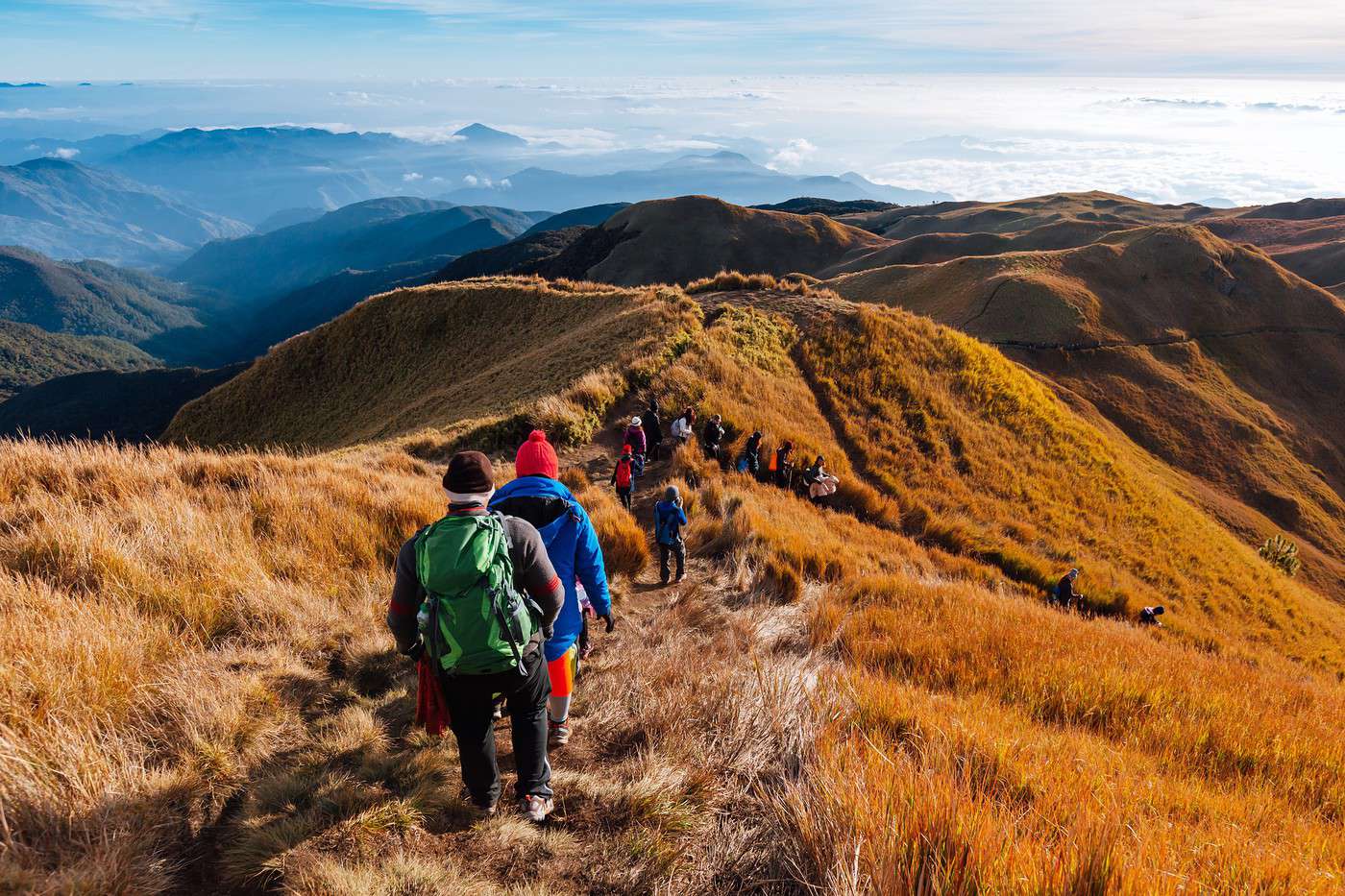
Respecting the Environment
Going on a hike or adventure means stepping into nature (and meeting local communities), so let’s respect it!
A Few Basic Rules
-# Never leave your trash behind—pack out your waste.
-# For nature calls, move away from camps, water sources, or cultivated areas, and bury your waste. In remote areas, leave it exposed to the sun and wind; burn toilet paper in the desert.
-# Limit wood fires, especially where wood is scarce. Use your camping stove and cookware instead.
-# Travel light and in small groups (even on organized trips); this reduces your impact on the environment and local communities.
-# If you travel with guides or porters, treat them with respect, ensure they’re well-equipped, and care for them if they fall ill.
-# Avoid giving medication if people don’t know how to use it. At the end of your trek, leave any surplus at clinics, orphanages, or hospitals.
-# Avoid handing out gifts or sweets to children without reason—it only encourages begging. If you give a gift for a service, offer something useful (clothing, shoes, water bottles) rather than money.
-# For photos, always ask permission and respect local traditions.
-# Remember, you’re a guest in the area—respect nature and the people. And don’t forget that others will follow, so your behavior contributes to sustainable and responsible tourism.