last edited Jan 6, 2020
All-Inclusive in Cuba
Location Map of Cuba
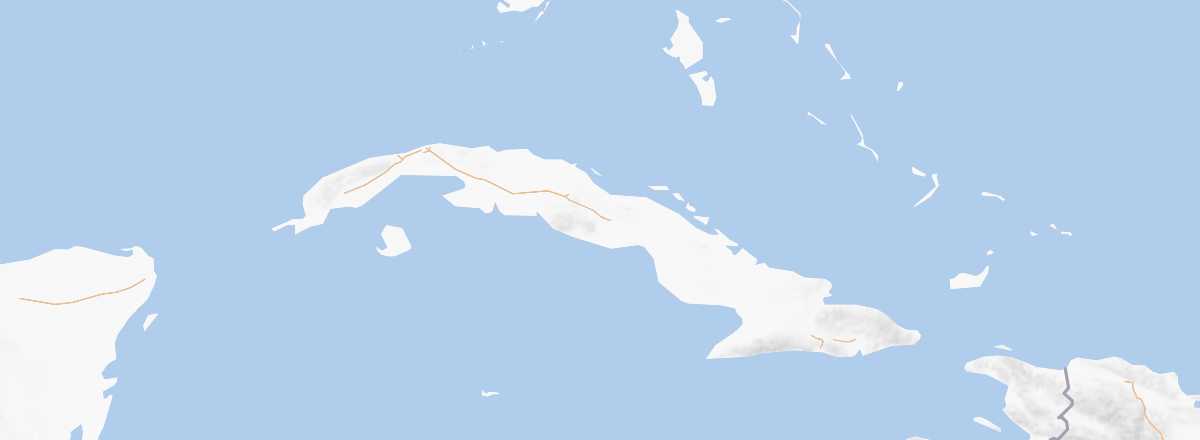 Cuba
Open the interactive map
Cuba
Open the interactive map
All-Inclusive in Cuba
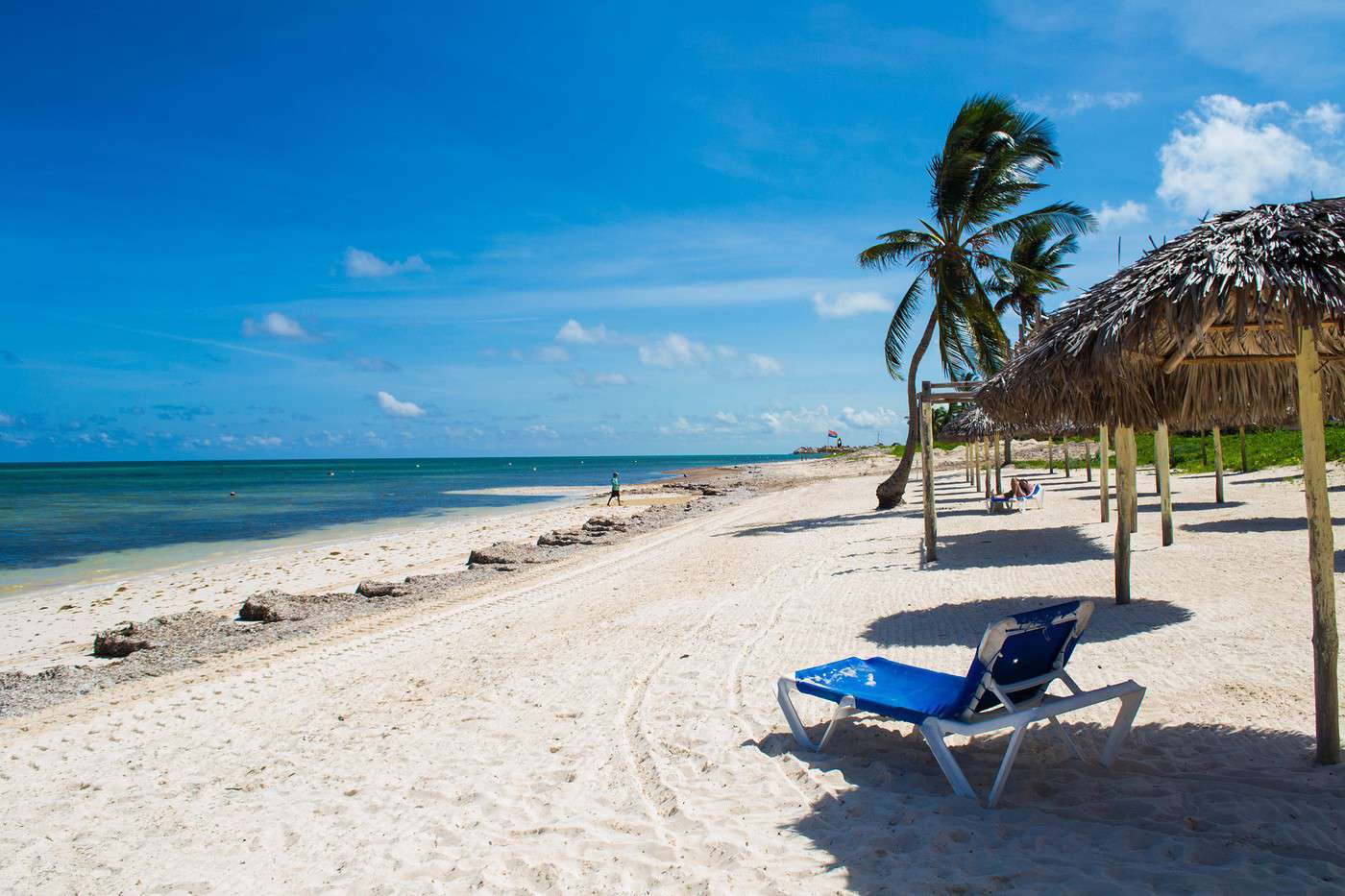
Cuba is one of the world’s top destinations for all-inclusive holidays; in fact, the vast majority of the 3 million annual visitors choose this option to explore the country. The offerings are generally quite good (though not always top-tier), varied, and plentiful, with a solid value-for-money ratio whether you’re coming from Europe (from 1,000 € per week, sometimes less) or Canada for stays typically lasting one or two weeks. For those unfamiliar with the all-inclusive concept who’d like to try it, Cuba can be a great choice. That said, Cuba isn’t just about beaches and all-inclusive resorts—it’s also worth stepping outside these coastal zones, which rarely show what the country truly is.
Since there are still no international standards defining all-inclusive packages, the content, extras, and prices can vary significantly from one provider to another. It’s worth keeping this in mind when choosing your all-inclusive stay in Cuba or elsewhere.
Different All-Inclusive Zones
Given the size of both the country and the market, Cuba has developed several all-inclusive zones along its coast, each with its own unique features. Each zone is indirectly linked to one or two international airports, though proximity to these doesn’t necessarily mean your stay will be in the nearby resorts.
- The "Cayos": These are the small islands along the Sabana-Camagüey archipelago, parallel to the northern coast, some of which have been turned into beach resorts.
- Cayo Largo: A small island near Isla de la Juventud, off the south/south-western coast.
- Holguín Region: The Oriente region, offering a different side of Cuba... along with a few resorts.
- Trinidad Region: Nature, colonial towns, and a small beach scene on the southern coast.
- Varadero: Close to the capital, Varadero is THE all-inclusive destination of choice, attracting over a third of all visitors.
The "Cayos"
The Cayos are small, low-lying islands typically made of sand and coral. Along the Sabana-Camagüey archipelago, parallel to the northern coast, there are over two thousand of them, with a few becoming major all-inclusive hotspots.
Associated Airports
The Cayos have their own airport, "Jardines del Rey," located on Cayo Coco. It primarily handles seasonal traffic from Canada and the UK. The airports in Santa Clara and Camagüey are also relatively close.
All-Inclusive Zones
Four main Cayos, spaced a few dozen kilometres apart, host most of the tourist activity. Among them, Cayo Coco is the best positioned. From west to east:
- Cayo Santa Maria: Long and narrow, Cayo Santa María is home to several all-inclusive resorts. Like its neighbours, it’s popular for its beaches, diving, and water sports.
- Cayo Guillermo: Known for its dunes and stunning beaches, water activities, marine life for diving, and birdwatching.
- Cayo Coco: Now a major Cuban tourism hub, famous for its postcard-perfect beaches, water sports, excellent diving spots, and birdwatching.
- Cayo Romano: One of the largest islands in the Sabana-Camagüey archipelago. With fewer tourist facilities than its neighbours, it’s wilder and ideal for birdwatching.
Main Hotel Complexes
Audience
A broad audience of Canadians and Europeans, particularly from the UK. The Cayos also have everything to attract families.
Nearby Points of Interest
Beyond the typical beach resort experience, the region offers excursions (some not too far away) for both nature exploration, like Laguna de Leche, and cultural visits (Camagüey, Santa Clara, Trinidad, etc.).
Cayo Largo del Sur
Cayo Largo del Sur isn’t located on the northern coast but rather in the south/south-west, in the Canarreos archipelago, which also includes Isla de la Juventud.
Associated Airports
Cayo Largo has its own airport, with flights to the capital as well as seasonal connections to Canada, Italy, and even Argentina.
All-Inclusive Zones
The island isn’t very large, and the few hotel complexes are clustered in the south, leaving the rest of the area deserted.
Main Hotel Complexes
Audience
Primarily Canadians, Italians, and Argentinians, along with naturism enthusiasts, as the island has become known for some of its clothing-optional beaches.
Nearby Points of Interest
Many visitors come to this island simply to enjoy it—its beautiful beaches, diving, naturism, and the feeling of being far from the world...
Holguín Region
The coast north of the city of Holguin has also developed a beach tourism sector with various hotel complexes. These are mainly centred around two sites: Playa Santa Lucía and Guardalavaca, about 200 kilometres apart. This stretch of coastline is one of the country’s main tourist hubs.
Associated Airports
The easiest option is Holguín Airport, where many visitors from Canada and Europe arrive directly for stays along the coast near Guardalavaca. Otherwise, Camagüey Airport is often chosen when possible for Santa Lucía.
All-Inclusive Zones
Several beaches and coastal villages host all-inclusive resorts between Playa Santa Lucía (to the west) and Guardalavaca (to the east), with the latter being the best-known site.
Main Hotel Complexes
Audience
The clientele is overwhelmingly Canadian (60%), followed by British (25%) and German (10%) visitors.
Nearby Points of Interest
Beyond the coastline, the inland areas are also well worth exploring. This is largely part of the Oriente, offering a different side of Cuba that’s rarely visited. It’s a chance to discover cities like Baracoa, Santiago, or even Camagüey to the west, as well as the "mountains" of Sierra Maestra and its natural parks.
Trinidad Region
On the southern coast, the area around the beautiful city of Trinidad has a few all-inclusive hotels in Ancon Peninsula. However, the region is far less crowded than Varadero or the Cayos.
Associated Airports
Cienfuegos and Santa Clara are the closest airports, with flights mainly to and from Canada.
All-Inclusive Zones
The all-inclusive hotels are grouped in Ancón, south of Trinidad.
Main Hotel Complexes
Audience
As in most places, Canadian visitors make up the largest share of the clientele.
Nearby Points of Interest
While the Ancón peninsula is known for its beaches, the region offers many other attractions, making Ancón a good compromise for those seeking both relaxation and cultural or natural discoveries. You can visit the beautiful UNESCO-listed colonial cities of Trinidad and Cienfuegos, as well as Sancti Spiritus or Santa Clara, home to Che Guevara’s mausoleum. Also worth seeing are Valley of the Sugar Mills and Topes de Collantes Nature Reserve.
Varadero
On its narrow peninsula, Varadero is THE quintessential all-inclusive destination—one of the oldest and largest in the Caribbean—and a slice of Cuba that has little in common with the rest of the country. In fact, you’ll encounter many locals here who don’t work in the resorts. Varadero alone accounts for a third of Cuba’s tourist traffic.
Associated Airports
Varadero has its own airport, Juan Gualberto Gómez, which is the country’s second-busiest with 1.5 million passengers per year, just behind the capital’s airport, only about 150 km away. Many seasonal flights from Canada and Europe land here.
All-Inclusive Zones
The resorts line the entire 20-kilometre stretch of the narrow strip of land facing the sea.
Main Hotel Complexes
Audience
The destination primarily attracts Canadians, as well as visitors from Germany, the UK, France, Scandinavia, and Russia.
Nearby Points of Interest
The sea, beaches, diving, and other water activities are all on-site, along with the pleasant Punta Hicacos nature reserve. For excursions, Havana isn’t far, nor is Matanzas. But Varadero is first and foremost the archetype of a "relaxation-holiday" destination.
Common Questions
Frequently asked questions about all-inclusive stays in Cuba.
Is "smart casual" attire required for a stay?
Should excursions be paid for in pesos, euros, Canadian dollars, or US dollars?
What is the average salary for all-inclusive hotel staff in Cuba?
Is it acceptable (or expected) to give gifts to staff instead of or in addition to tips?
What gifts are most appreciated?
How much should you tip? Daily or just at the end of your stay?