last edited Aug 20, 2020
All-Inclusive in Mexico
Location Map of Mexico
 Mexico
Open the interactive map
Mexico
Open the interactive map
All-Inclusive in Mexico
Mexico is one of the world’s top destinations for all-inclusive resorts. The concept began several decades ago, particularly with the development of Cancun and its coastline, and the all-inclusive formula now attracts millions of tourists every year. The country offers an excellent, varied, and extensive range of options, with great value for money whether you're flying from Europe (from 1,000 € per week) or, especially, from North America, for stays typically lasting one or two weeks. For those unfamiliar with the formula who want to try it, Mexico—along with Dominican Republic and, to a lesser extent, Cuba—is an ideal destination.
Different All-Inclusive Zones
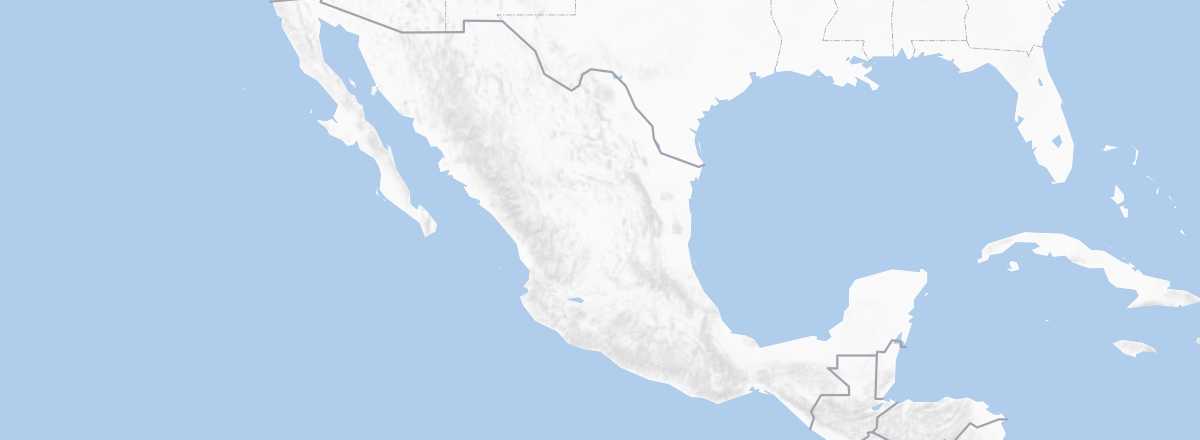
Broadly speaking, the country has developed three main all-inclusive zones along its coasts, each with its own characteristics. On the Pacific coast, at the southern tip of Baja California, Cabo San Lucas has become a tourist hub catering almost exclusively to a North American clientele. Further along the Pacific coastline, the Mexican Riviera is home to some of the country’s oldest resorts, including well-known spots like Acapulco, Mazatlan, and Puerto Vallarta. Here, too, the traditional audience has long been North American.
However, the Cancun region and the Riviera Maya (on the Atlantic side) remain Mexico’s primary tourist area. The hotel offerings are extensive, and the opportunity to alternate relaxation with cultural exploration—thanks to numerous nearby pre-Columbian sites—is an advantage that competitors don’t always match. Unlike the Pacific coast, the audience here is diverse. While Cancun remains a "U.S. resort" and a favorite for American youth during the famous "spring break," the Riviera Maya attracts a more European clientele.
- Cancun and the Riviera Maya: Mexico’s top tourist zone, along the Yucatan Peninsula, with numerous all-inclusive resorts lining the Caribbean coast.
- Mexican Riviera: The name for the Pacific coastline stretching from Mazatlan to Huatulco and beyond—nearly 2,000 kilometers!
- Baja California: Most all-inclusive resorts in the peninsula are concentrated around Cabo San Lucas.
Cancun and the Riviera Maya
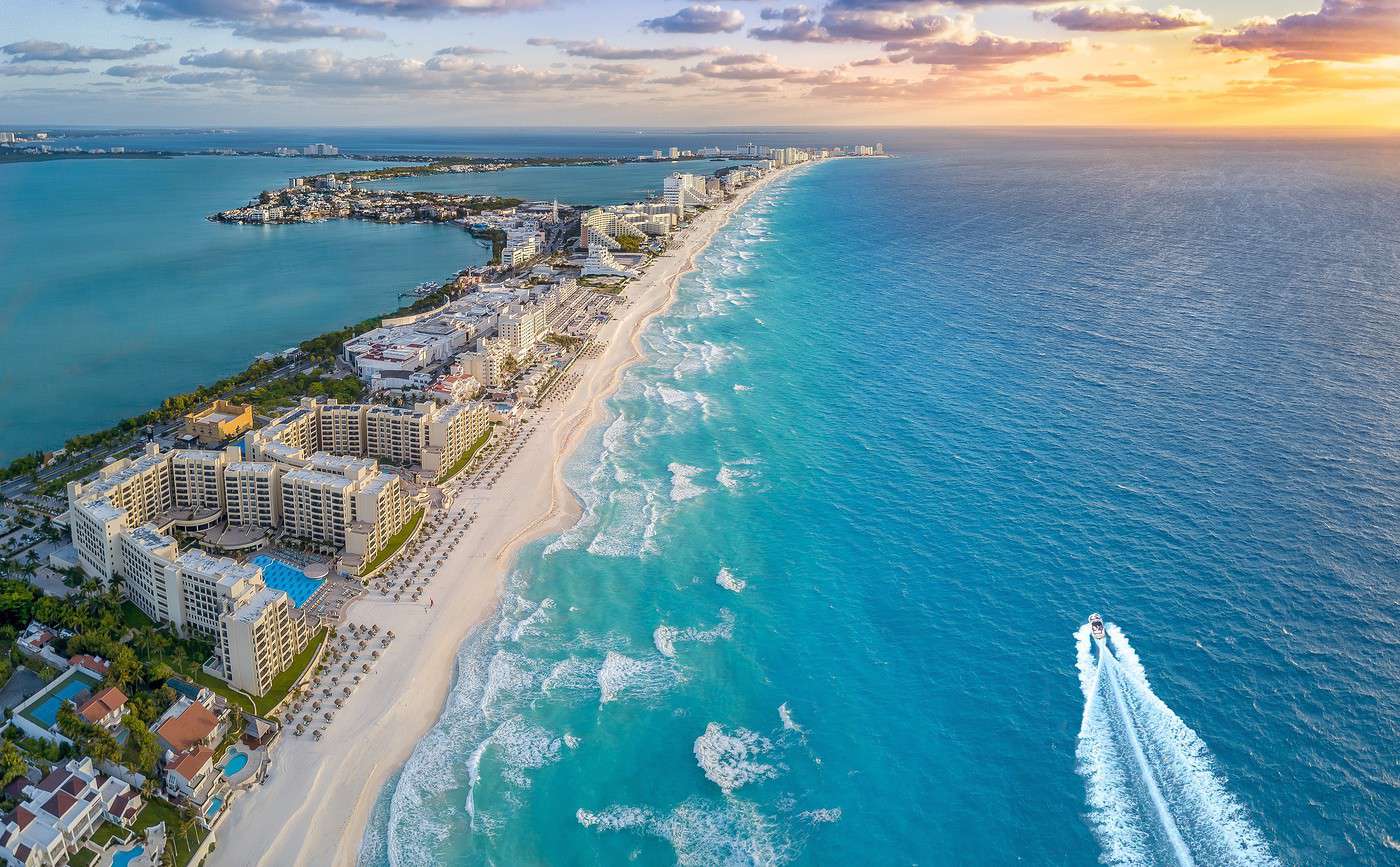
This part of the Mexican coastline is the country’s main tourist zone and one of the world’s top areas for all-inclusive resorts, though this concentration has also raised environmental concerns. Paradoxically, its development is relatively recent—before the 1970s, Cancun was just a small fishing village, and the Riviera Maya only transformed in the late 1990s.
Geographically, Cancun and its hotel zone, located on a 23-kilometer-long peninsula, mark the northern tip of the Yucatan. Just a few kilometers south begins the Riviera Maya, stretching 130 kilometers from Puerto Morelos to Punta Allen, which serves as the coastal road’s endpoint.
Associated Airports
Cancun is by far the region’s main air gateway. Its airport is the country’s second busiest, handling over 25 million passengers in 2019, just behind Mexico City. It serves numerous scheduled and seasonal flights from Europe and North America.
All-Inclusive Zones
Main Resort Complexes
Clientele
While Cancun has always attracted Americans, the Riviera Maya around Playa del Carmen is more of a European hotspot. Note that Cancun is also a favorite destination for young Americans during the March "spring break."
Nearby Points of Interest
Though this coast is famous for its beaches, diving (especially at Cozumel), and other water activities, it also boasts numerous natural and cultural attractions.
You’re not far from the charming city of Mérida or Valladolid, known for its colonial architecture. But the real draw is the abundance of pre-Columbian sites, including major ones like Chichen Itza and its famous pyramid, Coba, Tulum, Uxmal, and the Puuc Route. Nature lovers will appreciate the Sian Ka'an Reserve on the road to Belize, Celestun and its nature reserve, and Rio Lagartos, renowned for birdwatching. Not to mention the famous cenotes—vast sinkholes of which the Yucatan has hundreds. In short, this region caters to both those seeking "beach relaxation" and those eager for natural or cultural discoveries.
Mexican Riviera
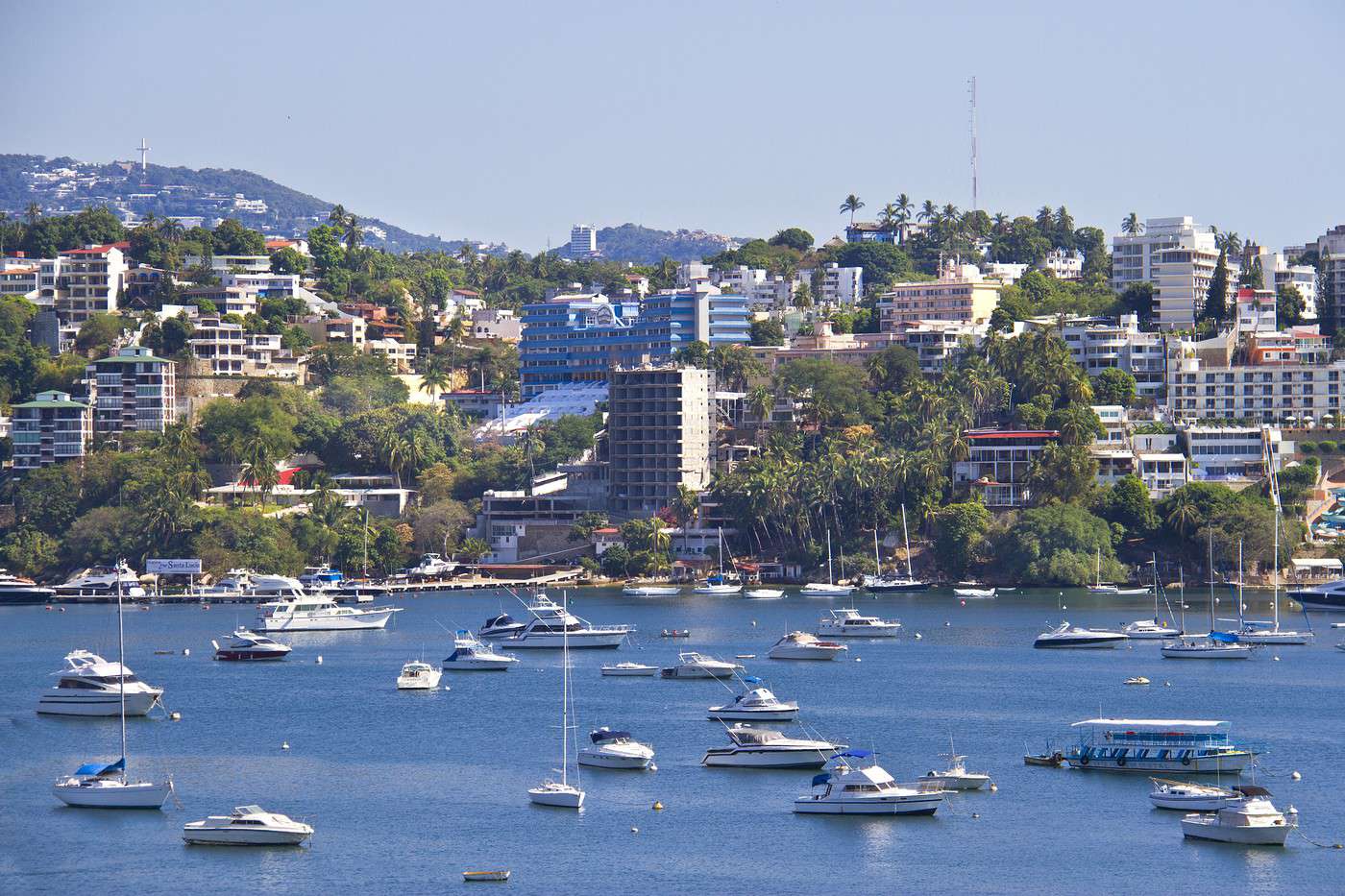
This is the name for the Pacific coastline stretching from Mazatlan to Huatulco and beyond—nearly 2,000 kilometers! It’s home to many well-known beach resorts that have long been popular with American travelers, such as Acapulco. Given the coast’s vast length, the main resort areas are often dozens or even hundreds of kilometers apart.
Associated Airports
Each beach area has its own airport, with Puerto Vallarta’s being the busiest, handling over 3 million passengers annually with numerous flights from the U.S., Canada, and elsewhere in Mexico. While other resorts have less traffic, you can always reach them directly by plane, thanks in part to low-cost airlines serving the Pacific coast from Mexico City and other cities.
All-Inclusive Zones
The Mexican Riviera includes around twenty beach resorts or areas. From north to south, the main ones are:
- Mazatlan: Thirty kilometers of beaches and a large number of hotels, restaurants, bars, shops, plus a well-known carnival.
- Riviera Nayarit: A 150-kilometer stretch of Pacific coastline in the state of Nayarit, featuring several small resorts popular with surfers (Chacala, San Blas, Sayulita…).
- Puerto Vallarta: One of Mexico’s top beach resorts and the country’s most "gay-friendly" destination.
- Manzanillo: The main beach resort between Puerto Vallarta and Acapulco, known for water sports, diving, and deep-sea fishing.
- Ixtapa-Zihuatanejo: A beach resort specializing in all-inclusive stays and a stop for cruise ships along the Pacific coast.
- Acapulco: With its bay and cliff divers, Acapulco is one of the Americas’ most famous resorts.
- Puerto Escondido: Popular for surfing, fishing, and boat trips to observe marine wildlife.
- Huatulco: The main beach area in Oaxaca, with several all-inclusive options.
Main Resort Complexes
Clientele
The region has long attracted a North American audience, from the 1970s hippies to today’s vacationers. It’s also a holiday spot for Mexico’s middle class and a small European contingent. Additionally, several of these beach towns serve as cruise ship stops, welcoming thousands of cruise passengers each year.
Nearby Points of Interest
While each resort offers pleasant coastlines with entertainment, beaches, and water activities, they’re often quite far from other attractions in the country. In short, people come here primarily to stay and enjoy the on-site experience rather than explore the surrounding area.
Baja California
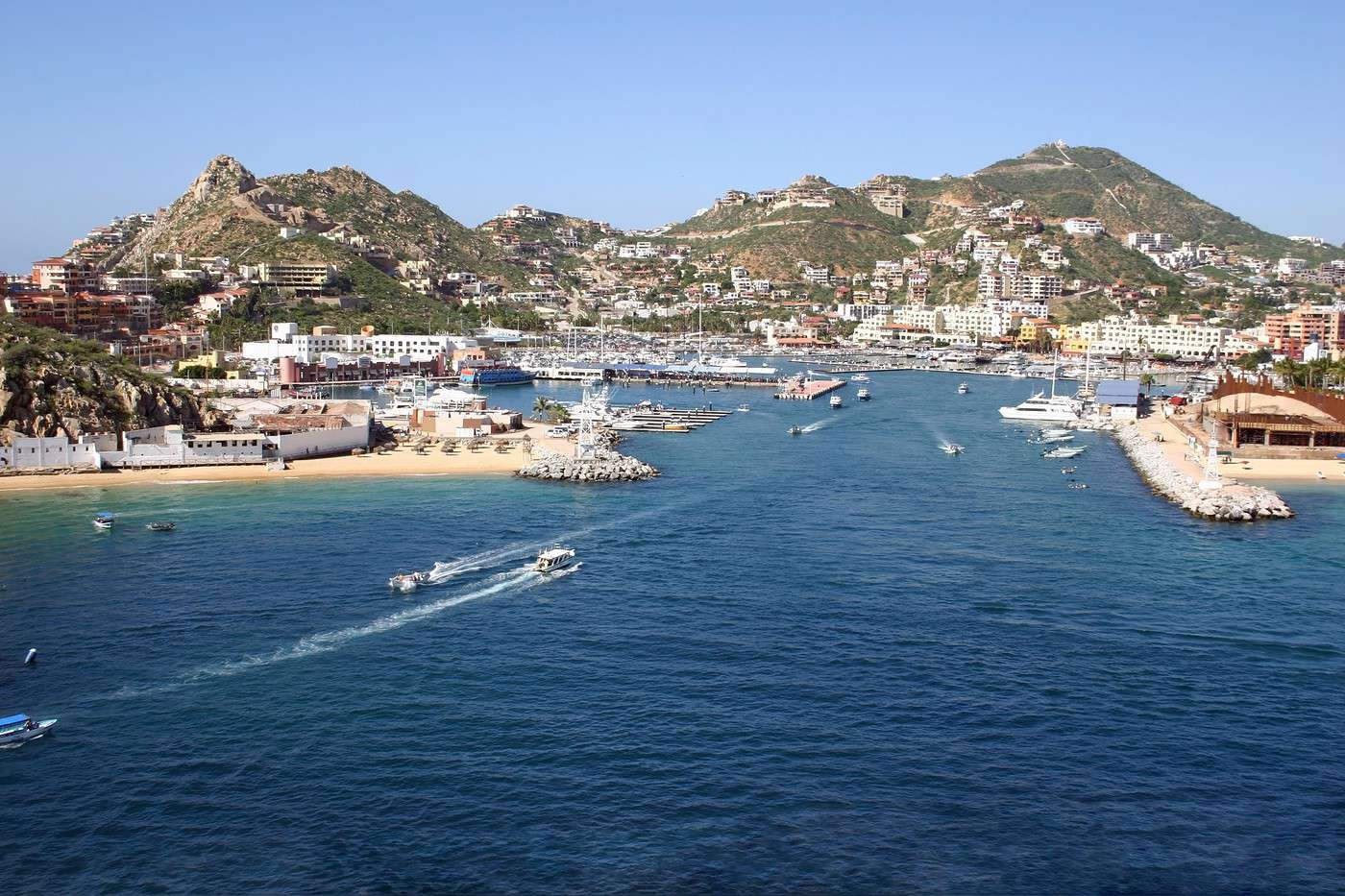
Most all-inclusive resorts in the peninsula are concentrated around Cabo San Lucas.
Associated Airports
For the southern part, Los Cabos International Airport handles nearly all air traffic, with numerous regular and seasonal flights to/from the U.S., Canada, and beyond via Mexico City. It’s one of Mexico’s top ten airports, with over 3 million passengers annually. Note that some visitors also arrive by land (bus or private vehicle) from neighboring U.S. states.
All-Inclusive Zones
The main hotel zone is located between Cabo San Lucas and its neighbor San José del Cabo, which together form the municipality of Los Cabos.
Main Resort Complexes
Clientele
Almost exclusively American or Canadian.
Nearby Points of Interest
The region is primarily a nature destination, with a desert landscape, beautiful beaches, dunes, diving and surfing spots, as well as opportunities for fishing and whale watching in season.
Common Questions
Frequently asked questions about all-inclusive stays in Mexico.
Is formal attire necessary for a stay?
Should excursions be paid in pesos, euros, or dollars?
What is the average salary for all-inclusive resort staff in Mexico?
Can (or should) gifts be given to staff instead of or in addition to tips?
How much should you tip? Daily or just at the end of the stay?