last edited Jun 10, 2026
Money, Budget, and Shopping for China
Location Map of China
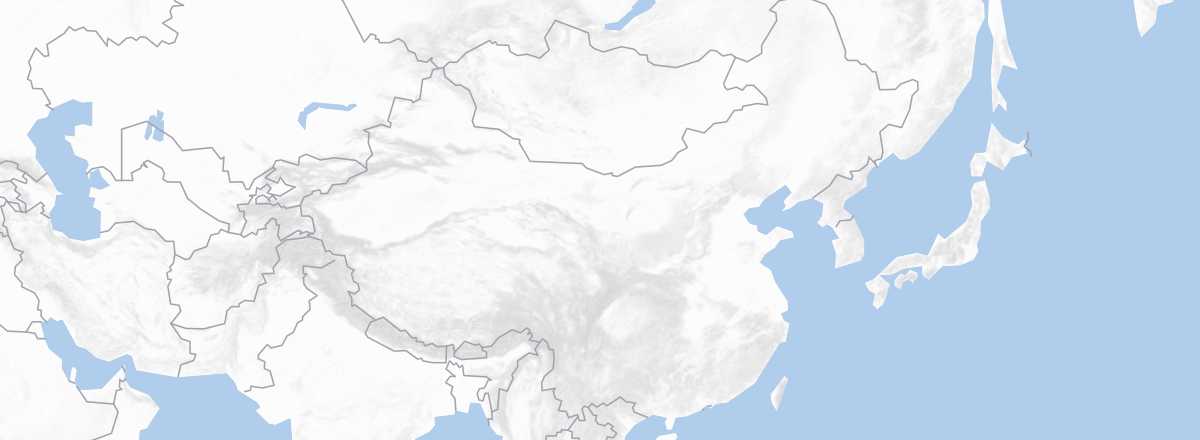 China
Open the interactive map
Money
Currency
- Currency: yuan or renminbi (10 jiao or 100 fen).
- Banknotes: 1 and 5 jiao + 1, 5, 10, 20, 50 and 100 RMB.
- Coins: 1 and 5 jiao + 1 RMB.
- Exchange:
Exchange
While major currencies, including the euro, can generally be exchanged in China, the country's shift toward "digital or virtual money" has made traditional cash exchange processes quite lengthy and cumbersome. So much so that many travelers prefer to opt for other solutions.
That said, you can still exchange cash at exchange bureaus, including at airports where rates are usually good as they are regulated, as well as at major banks that offer this service. However, be aware that this will involve paperwork and take time.
In addition to classic ATMs, China also has automated exchange terminals, primarily found in large hotels and shopping centers. Here, you scan your passport at a kiosk, insert your foreign currency into the machine, and receive yuan in return. It’s quick, efficient, and much simpler.
Which currency to bring
If you do bring cash, when arriving from the eurozone, it’s best to have euros in good condition.
Payment methods
Although cash is still in circulation, China is one of those countries where cash plays an increasingly minor role in the economy, especially in cities, in favor of cards and, above all, mobile or virtual payment methods via smartphone. As a result, you’ll need to adapt, sometimes setting aside cash and even card payments.
To keep it simple, you can always bring a small amount of yuan in cash and in small denominations, which may come in handy occasionally or in case of network issues with virtual payments. However, while no merchant can legally refuse cash payments, many don’t have change available if you pay with large bills. As for international bank cards, they work or are accepted primarily in cities and for hotels, shops, or services that cater to foreign tourists.
In short, as in more and more places, you’ll settle the vast majority of your expenses using your smartphone and dedicated apps. Simply by scanning merchants’ QR codes, which are accepted nationwide for all types of transactions. Fortunately for visitors, the main apps enabling these transactions now accept foreign Visa and Mastercard bank cards. This is the case with Alipay and WeChat Pay, the two most widespread and easiest-to-use apps for tourists.
Upon return
While it’s theoretically possible to exchange yuan outside China, the rates abroad are usually not favorable. So, spend your yuan before leaving, exchange any remaining amount at the airport, or simply use virtual payment apps for your expenses.
Budget
As you might expect given the country’s size, the differences between (large) cities and the countryside, and the range of activities available, the budget you’ll need will vary depending on what you plan to do and where you plan to go. That said, you’ll always get by for much less than in Europe.
In "backpacker" mode (for two people), you can stay for just under 50 € per day by keeping things local, while doubling that budget will allow for a very comfortable trip with more flexibility for certain visits and activities.
What can be expensive
- Accommodation, which is usually the biggest daily expense, even though the value for money is often good. This is especially true in Beijing and Shanghai, where, for the same quality, you’ll pay about a third more than elsewhere.
- Some natural parks and renowned sites like Xi'an, where entry fees apply. The same goes for certain famous shows and cultural activities.
- Long-distance flights or high-speed trains if you take too many.
- Anything resembling a "Western lifestyle" in terms of outings, products, or even dining.
- The Chinese New Year period in January/February, when prices rise accordingly.
- And generally, Beijing and Shanghai, which are much more expensive than the rest of the country.
What can be inexpensive
- Eating, sleeping, and getting around "locally."
- Focusing on one region rather than trying to visit the whole country, which comes with the cost of travel.
- Overnight trains to replace a night in a hotel.
- Urban transport, from the metro to buses and even taxis.
Price range
- Double room in a "backpacker" hotel: typically 20 to 30 € per night in most cases. Slightly more in Beijing and Shanghai.
- Double room in a "tourist" hotel: with 40-60 €, you’ll have a good selection of comfortable options, especially at Chinese hotel chains.
- Snacks, "local" restaurant meals: if you eat Chinese food, the bill will never be high—in fact, quite the opposite. For less than 5 €, you can have a full meal from street food or a small eatery.
- "Tourist" or Western-style restaurant meals: budget 15 to 20 €.
- Bus: traditionally economical, though trains or even planes tend to replace them for long distances. On average, count about 4 € per 100 km.
- Train: depending on the line, you can choose between "classic slow" trains or high-speed trains. The former are generally slightly cheaper than buses, while the latter (in second class) cost two to three times more but remain affordable for travelers.
- Urban transport: very inexpensive (less than 1 € per ticket) and also clean, modern, and safe. Even taxis and ride-hailing services are economical, and when shared, they cost barely more than the bus or metro for any trip.
Bargaining and tipping
In China, bargaining is part of the local economy, at least in certain situations. As a tourist, you can negotiate prices in markets and with street vendors. In fact, it’s often preferable, if not necessary, given the prices initially quoted to foreign visitors—aim to pay less than half of the starting price. Elsewhere, in shopping malls, fixed-price shops, transport, hotels, and restaurants, bargaining isn’t done.
As for tipping, it’s not part of Chinese traditions or culture (service is included in prices) and is never expected. Except in some large hotels, by tour guides, and private drivers who primarily work with tourists.
Shopping and souvenirs
Leaving aside counterfeit goods, which could potentially cause you trouble upon return, China offers a wide range of products and handicrafts to bring back. Just with tea, silk, porcelain, paper fans, and parasols, along with a few other traditional items, there’s plenty to choose from. Add to that all the gadgets and other objects from "Chinese pop culture" or tech that abound in countless shops and markets across China. In any case, especially in tourist areas, don’t forget to bargain to reduce the initial prices by at least half.