last edited Dec 11, 2019
Money, Budget, and Shopping in Lesotho
Location Map of Lesotho
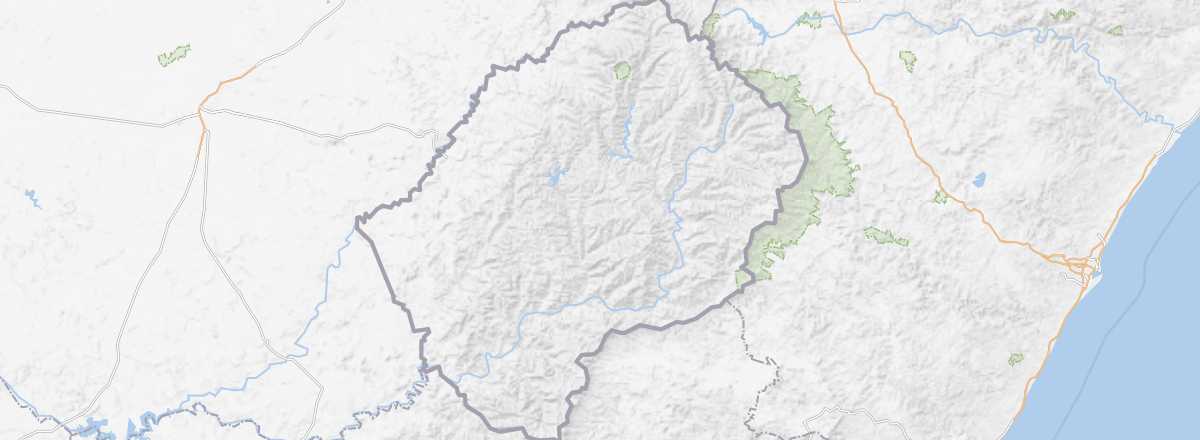 Lesotho
Open the interactive map
Money
Currency
- Currency: Loti (100 lisente) and Maloti in the plural.
- Banknotes: 10, 20, 50, 100, and 200 maloti.
- Coins: 1, 2, 5, 10, 20, and 50 lisente + 1, 2, and 5 maloti.
- Exchange:
The loti has been Lesotho’s official currency since 1980. Since its launch, it has been pegged to the South African rand at a fixed rate of 1:1. Both currencies are legal tender and circulate interchangeably in the country (though the reverse is not true).
Exchange
Since maloti and South African rands circulate at parity and are accepted everywhere for everything, there’s no need to exchange for local currency. It’s best to bring South African money in advance or exchange for rand on the spot, as Lesotho’s banks issue both rands and maloti. In short, operate as if you were still in South Africa.
Otherwise, the capital, Maseru, is the main place to exchange money at banks or via the few available ATMs. More simply, you can also plan ahead while still in South Africa.
Which currency to bring
As with South Africa—or if you’re making transactions there—the euro will work fine.
Payment methods
Outside of a few places, credit cards are rarely usable, so you’ll need to carry cash. Note that payments in rand often result in change given in maloti (though you can also ask for rand if you prefer).
Returning home
While the rand is widely accepted in Lesotho, the reverse isn’t true for the loti, which is difficult to exchange. So, it’s best to spend—or at least finish your trip—using only South African currency.
Budget
What can be expensive
What can be inexpensive
Price range
- Double room in a budget hotel:
- Double room in a mid-range hotel:
- Snacks, local restaurant meal:
- Meal in a tourist restaurant:
- Budget car rental:
- One hour of local bus:
- Urban taxi:
- Urban bus:
Bargaining and tipping
Shopping and souvenirs
There’s a small traditional craft scene, mainly featuring wool blankets and rugs, jewelry, pottery, and traditional Basotho hats. Everything can be found and bargained for at markets. Towns like Leribe or Teyateyaneng are also known for their commerce and crafts.