last edited Jun 1, 2026
Money, Budget, and Shopping in Nepal
Location Map of Nepal
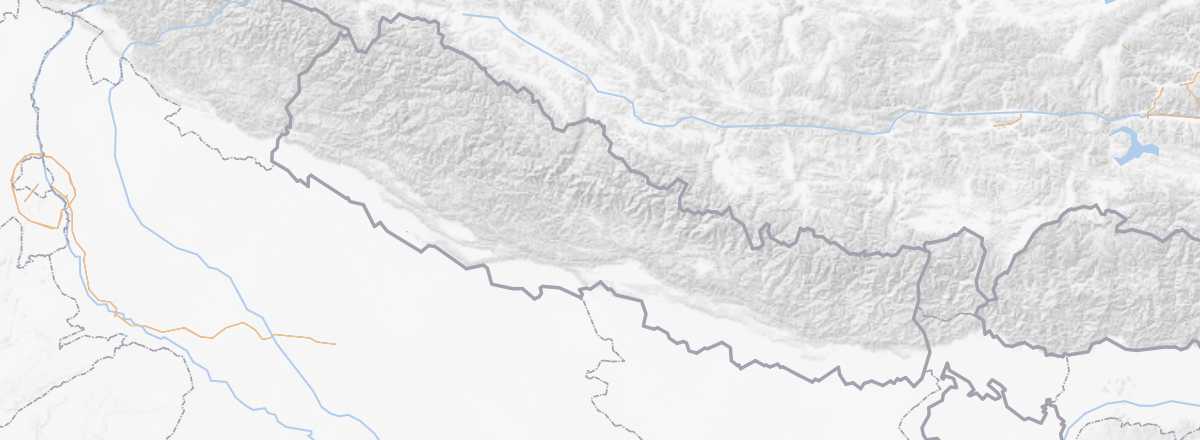 Nepal
Open the interactive map
Money
Currency
- Currency: Nepalese rupee (100 paisa).
- Banknotes: 5, 10, 20, 50, 100, 500, and 1,000 rupees.
- Coins: 1, 2, 5, and 10 rupees.
- Exchange:
The value of the Nepalese rupee is pegged to the Indian rupee at a rate of 1.6 Nepalese rupees = 1 Indian rupee.
Exchange
Generally, in Nepal’s cities and tourist areas, exchanging money is easy. You can do this at banks, exchange bureaus, or ATMs in towns, which offer "reasonable" withdrawal limits (equivalent to 150/200 €), though fees can add up if you’re not careful. However, once you head into the mountains for a trek, exchanging money on the go becomes nearly impossible. Keep this in mind and plan accordingly.
Which currency to bring
If you’re arriving from the eurozone, euros are ideal, along with some US dollars for things like your visa on arrival or trek permits. These permits are often priced in dollars, sometimes requiring cash payment—preferably in US currency, as the exchange rate for euros may not always be favorable.
Payment methods
While card payments are accepted in tourist areas and upscale establishments, Nepal remains a cash-based country. Bring plenty of cash (euros, dollars, rupees) for daily use, especially during treks. Local currency is best for everyday expenses, while euros and dollars can cover tourist services or supplement rupees if you run short. Always carry bills in good condition to avoid refusal.
Upon return
Since the Nepalese rupee has no value outside the country, spend or exchange all your rupees before leaving—unless you’re settling final expenses in dollars or euros. You can exchange leftover rupees locally, but authorities only allow up to 10% of the total rupees acquired during your trip to be reconverted upon departure. Keep all exchange receipts for this purpose.
Budget
As long as you’re not tackling Everest or high-end treks, Nepal is a very affordable destination. For a backpacker-style trip, budget around 30 to 40 € per day (for two) if you stick to local accommodations, transport, and services. For more comfort and flexibility, aim for around 50 € per day.
However, many travelers come to Nepal for trekking—often for once-in-a-lifetime hikes. This means budgeting significantly more than for a standard trip. Permits are a major expense: 30 € and 50 € for classic trekking zones, up to 500 US$ for 10 days in the Upper Mustang or Dolpo regions, which are popular with hikers. Add mandatory guides (25/35 € per day) and optional porters (15–20 €), plus accommodation and services during the trek. Note that prices typically rise with altitude. In short, a dream trek in Nepal can end up being quite costly.
What can be expensive
- Trekking in many parts of the country, especially at high altitudes.
- If something goes wrong during a trek, a helicopter evacuation can cost several thousand euros (make sure you’re well-insured).
- Purchases, services, and amenities in high-altitude areas. These are often geared toward tourists, and logistics (supplies, equipment) are challenging in remote regions.
- Domestic flights at the "foreigners’ rate," which is three to four times the local price.
- Entry fees for sites in the Kathmandu Valley (10 to 15 € for most), if you plan to visit several.
- Alcohol in bars and restaurants (heavily taxed).
What can be inexpensive
- Everything else if you’re traveling conventionally—without trekking or only doing short hikes in areas that don’t require permits.
Price range
- Double room in a budget hotel: 15 to 20 €, or even less outside tourist areas.
- Double room in a mid-range hotel: 30 to 40 € offers plenty of options.
- Snacks or meals in a local restaurant: 5 € or often less.
- Meals in a tourist-oriented restaurant: 10 to 15 € for a full meal (excluding alcohol, which is heavily taxed).
- Buses: 3 or 4 € per 100 km on local buses; two to three times more for express/comfort lines.
- Domestic flights: Expensive for visitors, who pay the "foreigners’ rate." Kathmandu to Pokhara (200 km) costs around 100 €.
- Urban taxis: 2 or 3 € for a short trip, around 5 € for a medium-distance ride (after negotiating).
- Tuk-tuks or motorcycle taxis: Less than 1 € for a few kilometers (also negotiable).
Bargaining and tipping
In Nepal, bargaining and tipping are part of the local economy. You can negotiate prices in markets, souvenir shops, and with tuk-tuk or taxi drivers, often saving a quarter to a third of the initial price.
Tipping isn’t officially mandatory but is expected from tourists. In tourist-oriented restaurants, add 10% to the bill unless it’s already included. Tip hotel staff used to visitors 0.5 to 1 €, and private guides or drivers 5 or 6 €. For treks, tips are more substantial: guides may receive 10 to 15 US$ per day from a group, while porters get around 10 US$. A general rule is to budget 10 to 15% of your total trek cost for tips to the support team.
Shopping and souvenirs
Beyond Himalayan tea, spices like pepper, or the unique rhododendron honey, you can bring back silver jewelry or pieces set with gemstones (buy from reputable shops, not street vendors), bronze or copper statuettes, and other local crafts.
Traditional items include the khukuri, the curved Gurkha knife; clothing and textiles made from pashmina, cashmere, or yak wool; and meditation aids like prayer flags, thangkas (Buddhist paintings on canvas), or singing bowls. Browse and negotiate in markets and small shops for the best finds.