last edited Apr 13, 2026
Money, Budget, and Shopping in Vietnam
Location Map of Vietnam
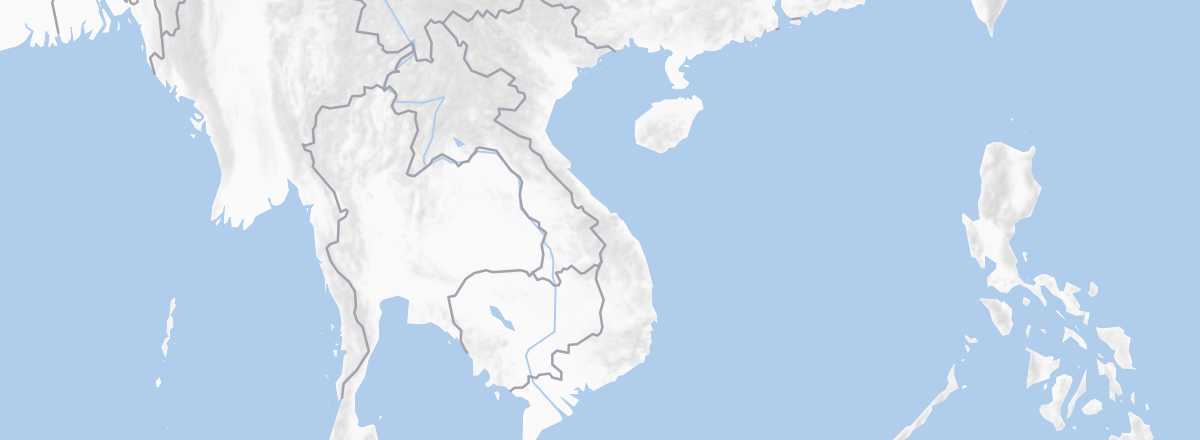 Vietnam
Open the interactive map
Money
Currency
- Currency: dong.
- Banknotes: 1,000, 2,000, 5,000, 10,000, 20,000, 50,000, 100,000, 200,000, and 500,000 dong.
- Coins: Although some still exist (200, 500, 1,000, 2,000, and 5,000 dong), coins are no longer really in circulation in Vietnam. Inflation has made them obsolete, as it has with old banknotes worth less than 1,000 dong.
- Exchange:
Exchange
Currency exchange offices (banks or money changers) are plentiful across the country, especially in cities and tourist spots. There’s no shortage of options, and some tourist agencies, hotels, and even shops like jewelers also offer exchange services.
That said, as always, it’s worth comparing rates, exchanging money gradually if you’re staying a while, and asking for small denominations, which are easier to use for small purchases than large bills. Don’t forget to count your money carefully with each transaction—or when making purchases—given the high denominations and number of zeros on the bills.
ATMs
ATMs have become more widespread in Vietnam over time, but most still have low withdrawal limits. Typically, the ceiling is under 100 €, and each withdrawal incurs local bank fees on top of any charges from your own bank. In short, they’re not always the most practical or cost-effective option for travelers, making them more of a "last resort" for getting cash.
Which Currency to Bring
Euros and US dollars are widely accepted and easy to exchange, and they can even be used directly as payment if they’re in good condition. In the tourism sector, prices may even be listed in these currencies.
Payment Methods
Major credit cards are accepted, including contactless payments, in hotels, restaurants, agencies, and shops used to tourists. However, this isn’t the case in many places or situations, especially markets, where only cash is accepted. So, plan accordingly with a supply of local currency in small bills, and possibly some dollars or euros, which are sometimes accepted at rates that aren’t always favorable.
In Vietnam, as in many countries, QR code payments are now common in shops and other places. However, this method isn’t really an option unless you have a local bank account to link to the apps. The exception is transport apps like Grab, which tourists can link to their credit cards to pay for or book transport without needing cash or a direct card payment.
Before Leaving
Since the dong has no value outside the country, it’s best to spend it all or exchange it back into euros or dollars before departure, even if you’ll lose money on the exchange.
Budget
Vietnam remains an affordable destination for Western travelers. You can live on a budget of 40 to 50 € per day (for two people) if you’re traveling on a shoestring. For a bit more comfort or convenience, 60 to 80 € is often enough, though visiting Halong Bay can still impact your budget. Overall, Vietnam is a budget-friendly country where you can travel without (too many) sacrifices.
What Can Be Expensive
- First and foremost, Tết (Vietnamese New Year). During this period (late January to February), transport and some hotel prices skyrocket.
- A cruise in Halong Bay, which is a significant expense, though the experience is unique.
- ATMs for exchanging money.
- Products or services with Western standards.
- French-speaking guides compared to English-speaking ones.
What Can Be Affordable
- Most things, either in terms of cost or value for money.
Price Range
- Budget double room: 10 to 15 € in a small guesthouse.
- Mid-range double room: For 30 to 40 €, you’ll find a good selection of quality establishments.
- Snacks, local meals: 2 or 3 € at markets or street stalls, or 5 to 6 € in local eateries.
- Tourist restaurant meals: 15 to 20 € for a full meal in a restaurant used to tourists.
- Car rental with driver: Budget between 60 and 100 € per day, depending on the route and vehicle.
- Two-wheeler rental: Less than 5 € per day for a bicycle and 8 to 12 € for a scooter.
- Local bus or shared vehicle: 2 or 3 € per 100 km.
- Express/comfort bus: Roughly double the price of standard buses. Tourist shuttles can cost three times as much.
- Train: Cheap at 2 or 3 € per 100 km for a seat, and 6 to 8 € for a sleeper.
- Domestic flights: 50 to 100 € per trip for all routes.
- Halong Bay cruise: Depends on duration and boat type. Day trips start around 40 to 60 € per person.
Bargaining and Tipping
Bargaining is common in Vietnam, especially in souvenir shops, often settling at half the initial asking price. For many items, there may be a "local" price and a much higher "tourist" price, so it’s always worth asking around. For agency services or private tours, rather than bargaining, it’s more important to ensure the quality or itinerary will be respected.
As for tipping, it’s not expected in bars or restaurants. However, it’s customary for guides and drivers—around 5 or 6 € per day for guides and half that for drivers. In temples and pagodas, it’s also common to leave a few coins.
Shopping and Souvenirs
Your choices include textiles, silks, traditional women’s clothing, or the iconic conical hats, along with all the "typical" Vietnamese handicrafts. You can also find jewelry, ceramics, porcelain, and lacquered wooden items. Everything is available in markets and cooperatives—just remember to negotiate.