last edited Mar 28, 2026
Money, Budget, and Shopping in Singapore
Location Map of Singapore
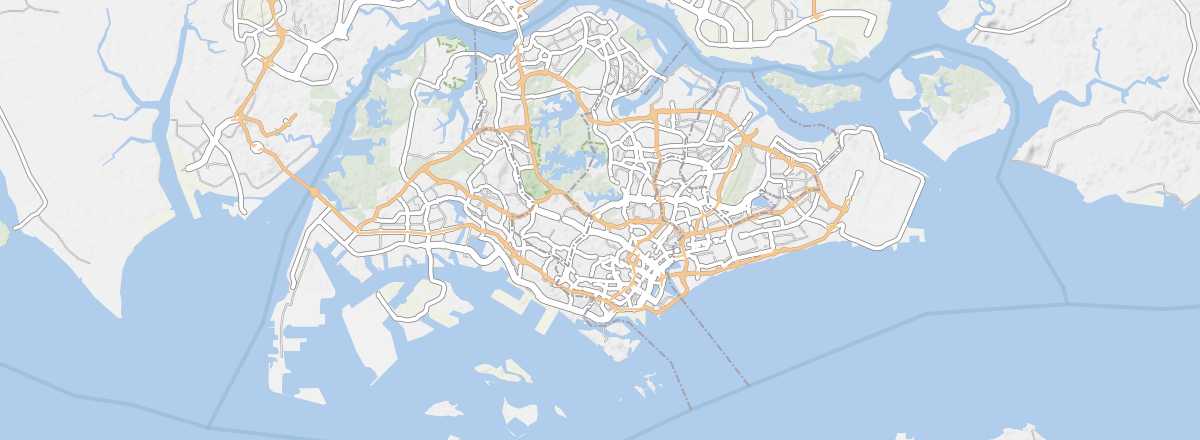 Singapore
Open the interactive map
Money
Currency
- Currency: Singapore dollar (100 cents).
- Notes: 2, 5, 10, 50, 100, 1,000 and 10,000 S$.
- Coins: 5, 10, 20 and 50 cents + 1 S$.
- Exchange:
Note that 1,000 and 10,000 dollar notes are now extremely rare since they have been withdrawn from circulation to prevent money laundering and counterfeiting risks.
Exchange
All major currencies are easily exchanged in Singapore, both in banks and exchange bureaus. Of course, you can also use the many ATMs available everywhere to get Singapore dollars.
Which currency to bring
Keep it simple and bring euros if you're coming from the eurozone.
Payment methods
While you can certainly pay in cash and by card (watch out for fees) everywhere for everything, Singapore is one of those countries where contactless and mobile payments are among the most widespread and convenient.
Upon return
Even though Singapore dollars can be exchanged abroad or upon return, you might consider using your card and digital payments for your last expenses to limit the amount of cash you’d need to exchange later.
Budget
Singapore has a reputation for being the most expensive city in Southeast Asia, though there are still relatively affordable things and places. Budget around 60 to 90 € per day for two, without going overboard.
What can be expensive
- Alcohol, which is heavily taxed.
- Entrance fees for all the attractions if you plan to visit them all.
- Taxis, given all the extra charges that can be added to the fare.
- More broadly, anything that fits the "typical Singapore" image.
What can be affordable
- Food, given the variety of places to eat.
- Public transport, especially with the "Singapore Tourist Pass."
- Any spots a little off the "standard Singapore" beaten path.
Price range
- Budget double room: from 30-40 € in hostels or small hotels
- Mid-range double room: around 80 to 100 € for a decent option.
- Snacks, local meals: around 10 € or less at fast-food spots and small Chinese or Indian eateries.
- Restaurant meals: at least 25-30 € for a full meal.
- Urban taxi: highly variable due to surcharges like vehicle type, time and location of pickup, waiting times, etc. That’s why public transport is often the better choice.
- Bus and metro: 1 to 2 € per ticket. Alternatively, the "Singapore Tourist Pass" for 1 or 3 days pays for itself quickly.
Bargaining and tipping
Bargaining isn’t common in Singapore, though you might negotiate in markets (clothing, souvenirs) and small shops, especially Chinese ones—particularly if paying in cash.
Tipping isn’t mandatory or even expected, except perhaps for tour guides.
Shopping and souvenirs
You’ll find a mix of local culinary specialties (kaya jam, local tea, dried pork), Malay or regional handicrafts, batik fabrics (hand-dyed), Tiger Balm (which originated here), or all those Merlion figurines—the hybrid lion-fish creature that’s the city’s symbol. Check out shops, malls, and markets like those in Chinatown.