
Travel guide · Spain
Balearic Islands
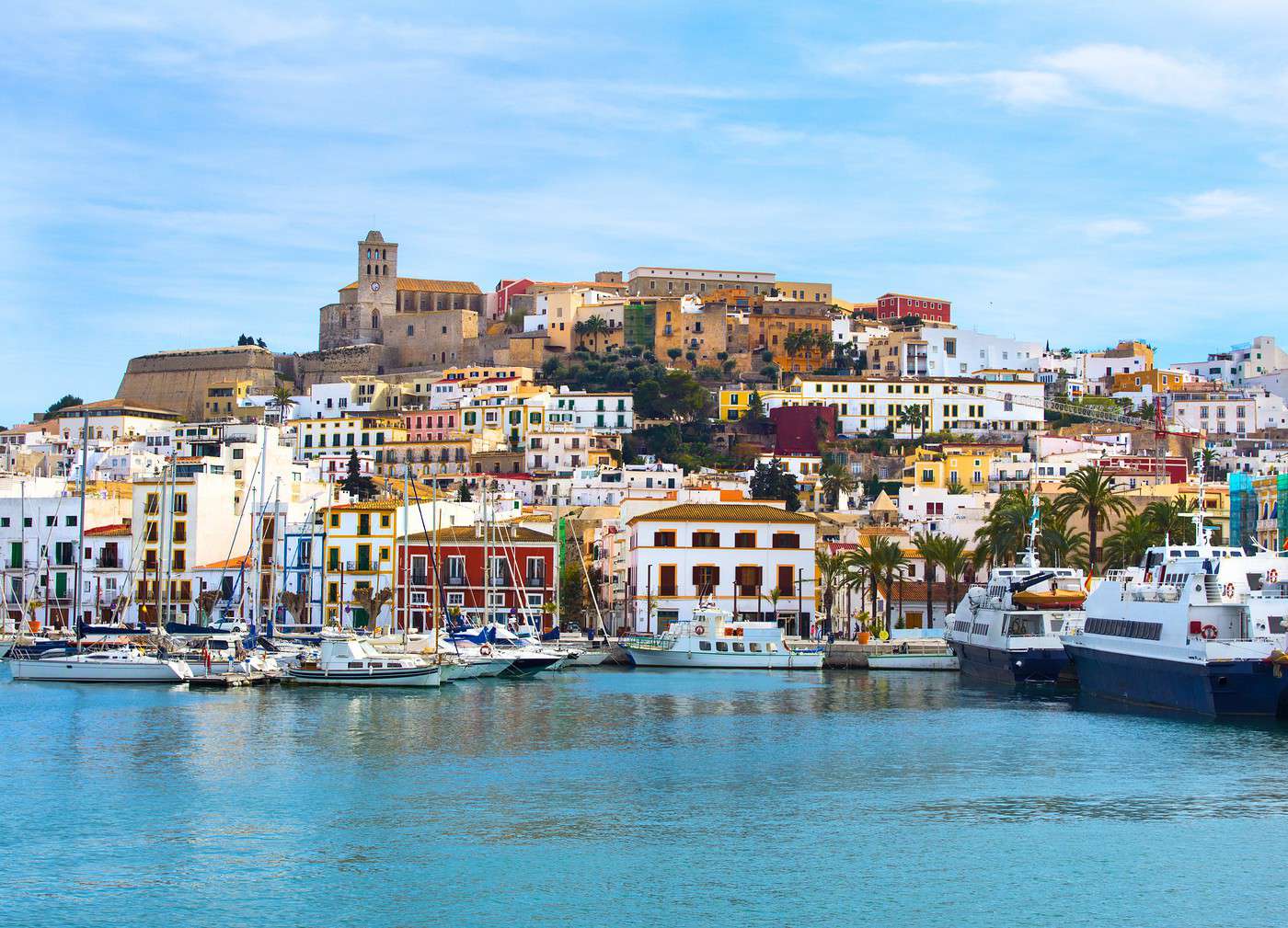
This small archipelago south of Barcelona has built a global tourist reputation over decades, first as a hippie destination, then a trendy hotspot, and later as a prime destination for mass tourism or partygoers, particularly Ibiza.
Overview of the Balearic Islands
The small archipelago south of Barcelona is an autonomous community of Spain. It consists of four main islands, from north to south: Menorca (94,000 inhabitants for 700 km²), Mallorca (860,000 inhabitants for 3,640 km²), Ibiza (140,000 inhabitants for 540…
Weather and Climate in the Balearic Islands
Climate Overview
The Balearic Islands enjoy a Mediterranean climate, much like the rest of Spain’s eastern coastline, with dry, hot summers. While average summer temperatures hover around 30°C, the proximity of the sea significantly softens the heat compared to, for example, inland continental Spain. Winters are mild and pleasant, often ranging from 15 to 20°C. Rainfall is scarce, except for a little at the turn of the year, and wind is mostly felt on Menorca, which has little in the way of relief.
Best Climate Period
The stretch from May to early October is the best time weather-wise to explore the Balearic Islands. That said, despite the fine weather, July and August do come with the major drawback of being extremely crowded. For those seeking winter sun and mild temperatures, the islands are also quite pleasant in winter compared to the rest of Europe.
| Jan. | Feb. | Mar. | Apr. | May | Jun. | Jul. | Aug. | Sep. | Oct. | Nov. | Dec. | |
|---|---|---|---|---|---|---|---|---|---|---|---|---|
| Balearic Islands Climate |
: very favourable | : favourable | : moderately favourable | : unfavourable.
Sea Temperatures Throughout the Year
| Jan. | Feb. | Mar. | Apr. | May | Jun. | Jul. | Aug. | Sep. | Oct. | Nov. | Dec. | |
|---|---|---|---|---|---|---|---|---|---|---|---|---|
| Balearic Islands | 14 | 13 | 14 | 15 | 17 | 21 | 24 | 25 | 24 | 21 | 18 | 15 |
Climate and Weather on the Main Islands
Ibiza
Majorca (Palma de Majorca)
Society, Culture and Customs of the Balearic Islands
Major Historical Dates
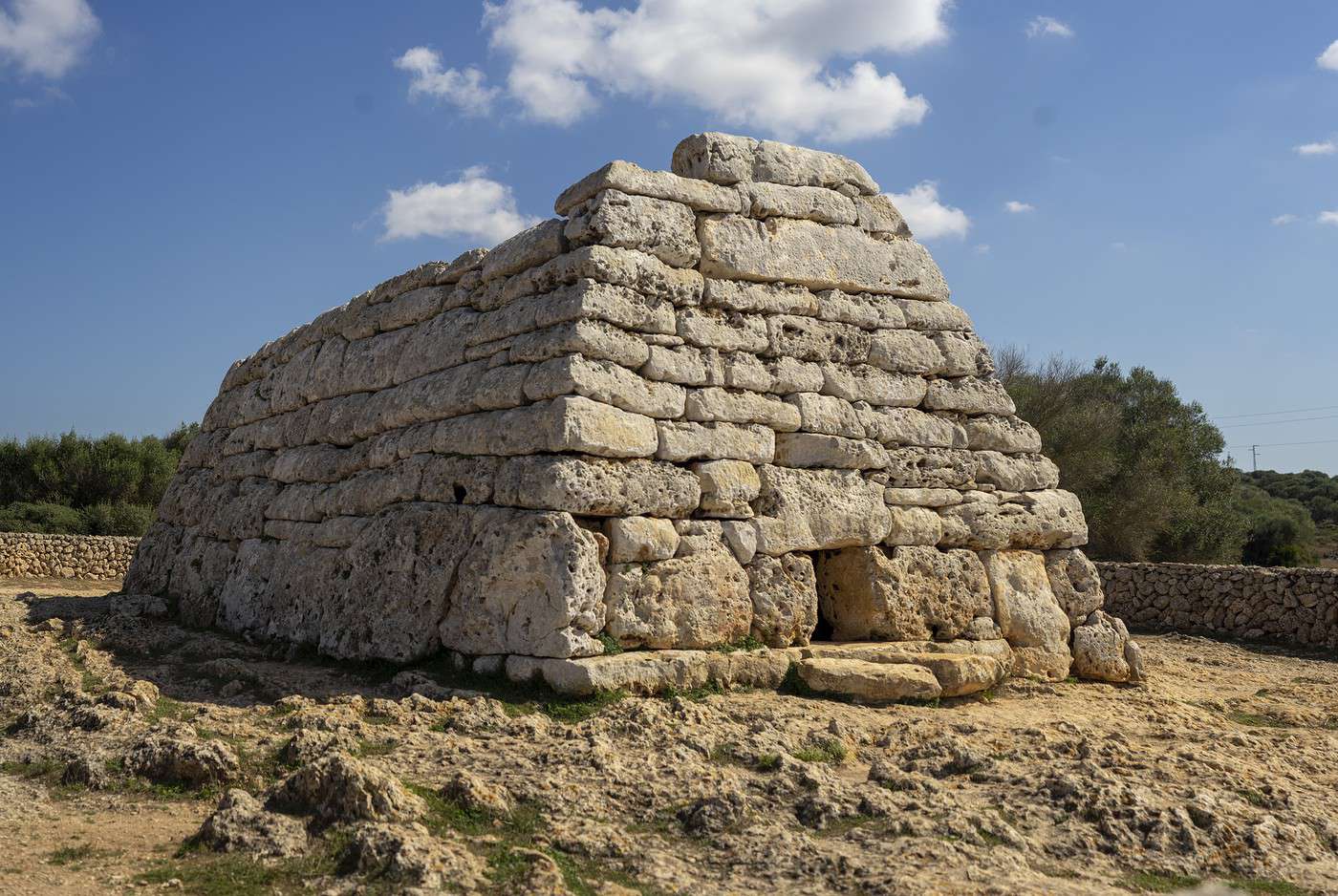
- 1229: After serving as a crossroads for the peoples of Antiquity and the Middle Ages (Phoenicians, Greeks, Romans, Byzantines, Arabs), the Balearic Islands were incorporated into the Kingdom of Aragon after being wrested from the Normans.
- 1276-1343: Kingdom of Majorca. The islands were independent before being reintegrated into the Kingdom of Aragon in 1343, and later into that of Spain.
- 1802: After more than a century under British rule, the island of Menorca was returned to Spain by the Treaty of Amiens.
- Late 1960s: The Balearic Islands, and Ibiza in particular, became a trendy hippie destination, later evolving into a hotspot for mass tourism and festive travel.
- 1978: The Balearic Islands became an autonomous province within Spain.
- 1983: Spain joined the EEC; the Balearic Islands became a region of the European Community.
- 1999: The local government expressed a desire to limit the influx of visitors to 10–12 million per year in the coming years, prioritizing higher-end, environmentally respectful tourism.
- 2002: On January 1st, the euro became the sole currency in the Balearic Islands, as in the rest of the country.
Arts and Architecture
Society
Population
Economy
Customs and Traditions
Local Traditions
Regional Languages
Festivals and Celebrations
Books, Films and Music
What to See in the Balearic Islands
The islands of Formentera, Ibiza, Majorca, and Menorca. The Balearic Islands have 2 sites listed as UNESCO World Heritage Sites: Biodiversity and culture of Ibiza (1999) Serra de Tramuntana ★★★★ in Majorca (2011) This is the island's main mountain range,…
Things to Do in the Balearic Islands
Travel Themes
Interests (out of ): Nature ; Adventure ; Culture ; Relaxation-Holidays .
Nature-Adventure
Culture
Relaxation-Holidays
This has undeniably been the image of the archipelago for a very long time. Beaches, sunshine, seaside resorts, entertainment, and all kinds of parties almost everywhere...
Beaches and Seaside Resorts
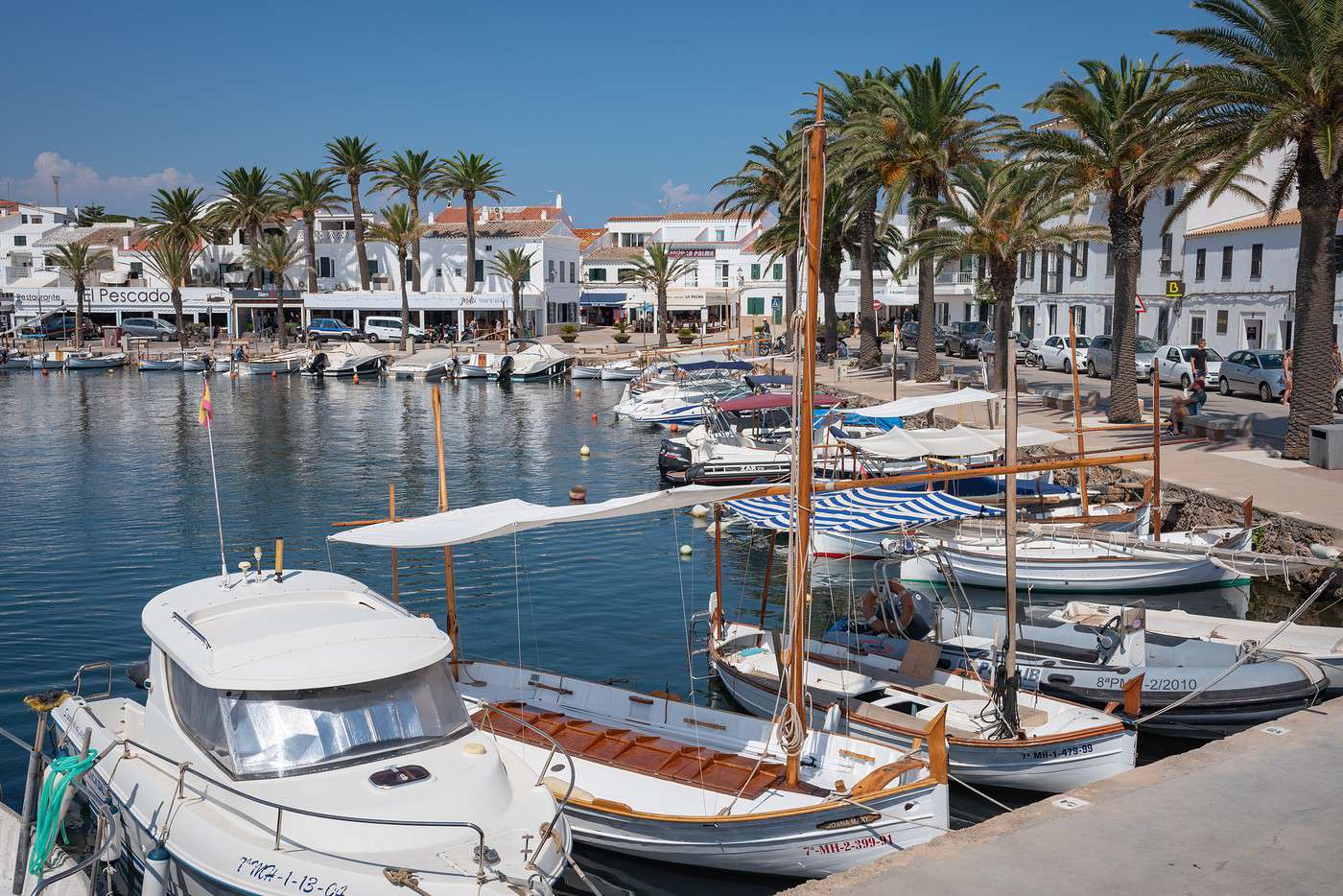
The Balearic Islands have nearly 400 beaches and numerous seaside areas, primarily on Majorca and Ibiza.
Water Activities
Diving
Other Activities
Fishing:
Water Sports:
Sailing:
Thalassotherapy and Wellness
In seaside areas, major hotel complexes generally offer a range of body treatments and wellness programs.
Outdoor and Sports Activities
Hiking
Cycling
Horseback Riding
Golf
There are around twenty golf courses in the archipelago, particularly on the island of Majorca, which hosts the majority of them.
Other Activities
White-water sports:
Climbing:
Paragliding and Aerial Sports:
Cultural Life and Activities
Nightlife and Going Out
Travel and suggested itineraries in the Balearic Islands
Best times to visit
Finding the best time to visit means balancing climate conditions with crowds and the most attractive prices on-site or for getting there.
The period from May to October offers the best climate for discovering the Balearic Islands. That said, June to September—with its peak in July and August—still has the major drawback of being extremely crowded, along with the high prices that come with it. For those seeking mild winter sun, the islands are far less busy and quite pleasant in winter compared to the rest of Europe.
In short, as is often the case in highly touristic areas, the shoulder seasons remain the best compromise. That means roughly late April to early June and late September to late October.
| Jan. | Feb. | Mar. | Apr. | May | Jun. | Jul. | Aug. | Sep. | Oct. | Nov. | Dec. | |
|---|---|---|---|---|---|---|---|---|---|---|---|---|
| Balearic Islands Climate | ||||||||||||
| Avoid crowds | / | / | ||||||||||
| Low prices |
: very favourable | : favourable | : moderately favourable | : unfavourable.
Types of travel
Independent
Like the rest of Spain, the Balearic Islands are very easy to explore independently.
Organised
The Balearic Islands feature prominently in the programmes of major travel agencies, both for departures from Paris and other French cities. While you won’t find many organised tours (which makes sense), there’s a wide range of options for "flight + hotel" packages, car rentals, excursions, and other à la carte services.
All-inclusive
As one of the Mediterranean’s top holiday destinations, all-inclusive packages are widely available through travel agencies. It’s worth checking these offers, especially during promotions, as they can sometimes be very attractive—even making the "flight + hotel" cost nearly the same as a standalone flight to the destination.
Some itinerary ideas
Getting Around the Balearic Islands
Within the Islands
Formentera
Ibiza
Majorca
Menorca
Between the Islands
By Plane
By Boat
Each island has one or more ports, including La Savina for Formentera, Ibiza (town) for Ibiza, Palma and Alcúdia for Majorca, and Mahón and Ciutadella for Menorca.
Several ferry companies operate numerous inter-island routes with modern, fast fleets: Balearia, Cape Balear, Iscomar, Mediterranea Pitiusa, Trasmapi, Trasmediterranea, and Umafisa.
- To/from Formentera: Ibiza (Balearia + Iscomar + Mediterranea + Trasmapi + Umafisa), Majorca (Balearia).
- To/from Ibiza: Formentera (Balearia + Iscomar + Mediterranea + Trasmapi + Umafisa), Majorca (Balearia + Trasmediterranea).
- To/from Majorca: Formentera (Balearia), Ibiza (Balearia + Trasmediterranea), Menorca (Cape Balear + Iscomar + Trasmediterranea).
- To/from Menorca: Majorca (Cape Balear + Iscomar + Trasmediterranea).
Overall, pedestrian fares are reasonable, with various options, though prices do rise in peak season. It’s usually possible to take your car on the ferries, though this isn’t particularly useful for tourists visiting multiple islands.
Accommodation and Food in the Balearic Islands
Accommodation Options
A highly touristic archipelago, the Balearic Islands offer the full range of accommodation: youth hostels, campsites, apartment or house rentals, homestays, farm stays, and hotels of all categories, including all-inclusive resorts. In total, the province has over 350,000 beds. However, given the crowds, finding accommodation in summer can be tricky without a reservation. Overall, Ibiza remains the most expensive island for overnight stays.
Hotels and Guesthouses
All-Inclusive
Camping
Campsites are very few across the archipelago, with Ibiza having the most. Expect to pay at least 20 € for two people with a tent. Note that wild camping is prohibited in the Balearic Islands.
Other Options
Choosing Your Accommodation
Food
Where to Eat?
Other Practical Information for the Balearic Islands
What to Pack
Given the climate, pack light clothing plus a sweater for winter or evenings, as well as sun protection.
Budget
Perhaps more than elsewhere in Spain, the budget needed for a stay in the Balearic Islands varies greatly depending on the type of trip, daytime and nighttime activities, the season (off-summer is at least 30% cheaper), and the islands chosen (Ibiza is the most expensive). On average, budget at least 45 € to 60 € per day, mostly spent on accommodation; camping is, of course, the cheapest option.
Precautions
No health concerns, just the usual precautions against the sun and, occasionally, mosquitoes in certain areas.
In terms of safety, the Balearic Islands are a very safe destination but, like anywhere else—especially crowded places—there is some petty crime targeting tourists, particularly pickpocketing. However, with basic precautions and common sense, there’s no risk. Still, be aware of scams, ranging from sales pitches for products or services to timeshare purchases.
Opening Hours
Laundromats
Local Tourist Offices
Each island has a central tourist office in the main town, with local branches in major municipalities or tourist areas. They generally provide plenty of information and have multilingual staff. However, some offices are only open during the season.
French Language Use
Due to the high number of visitors, almost all foreign languages are spoken across the archipelago. As usual, English is the most common in the tourism sector, though French is also relatively widespread. German dominates in Majorca, which some jokingly call the "17th German state." Note that Catalan is an official language in the Balearic Islands, alongside Spanish, so some signage is in Catalan.
Getting to the Balearic Islands by Air
All the islands except Formentera have an airport. With 29 million passengers per year, the one in Palma de Mallorca is by far the most important (as well as the third in Spain), ahead of Ibiza with nearly 6 million. Unsurprisingly, given the archipelago's…
Getting to the Balearic Islands by Sea
Ferries
Each island has one or more ports, including La Savina for Formentera, Ibiza (town) for Ibiza, Palma and Alcúdia for Mallorca, and Mahón and Ciutadella for Menorca. While there are no international connections, there are several direct services between the Balearic Islands and mainland Spain, operated by companies such as Balearia, Iscomar, and Trasmediterranea.
- To/from Barcelona: Ibiza (Balearia + Iscomar + Trasmediterranea), Mallorca (Balearia + Iscomar + Trasmediterranea), Menorca (Balearia + Iscomar + Trasmediterranea).
- To/from Dénia: Formentera (Balearia), Ibiza (Balearia + Iscomar), Mallorca (Balearia).
- To/from Valencia: Ibiza (Balearia + Iscomar + Trasmediterranea), Mallorca (Balearia + Iscomar + Trasmediterranea), Menorca (Iscomar).
While fares remain affordable, unless you're already in the area, flying is generally the most economical option when traveling from abroad, including from France.
Cargo
Cruises
Sailboats
Additional Information
Geography and Environment of the Balearic Islands
Environment
Physiognomy of the Archipelago
Wildlife and Flora
Natural Areas
The Different Islands
The Balearic archipelago consists of four islands, plus Cabrera (and its islets), a small uninhabited nature-reserve island of 11 km² administratively attached to Majorca.
Formentera
This is the smallest of the four main islands in the archipelago. It is located south of Ibiza.
Ibiza
The second most significant island in the Balearics was originally a poor and isolated land that, however, experienced a "remarkable" boom in the second half of the 20th century. Since then, it has enjoyed a youthful, festive, and highly touristic image, especially during the summer season.
Majorca
This is the largest and most populated of the Balearic Islands, and it is also home to the archipelago's "capital" (Palma). It relies entirely on tourism (with many English and German visitors), which accounts for 70% of its income.
Minorca
This is an island focused on agriculture and livestock farming, with many historical remains, some dating back to prehistory. It is less affected by tourism than its neighbors and offers a different side of the Balearic archipelago.
Something wrong or out of date? Report this page