last edited Dec 11, 2019
Climate and Weather in the Midwest and Great Plains
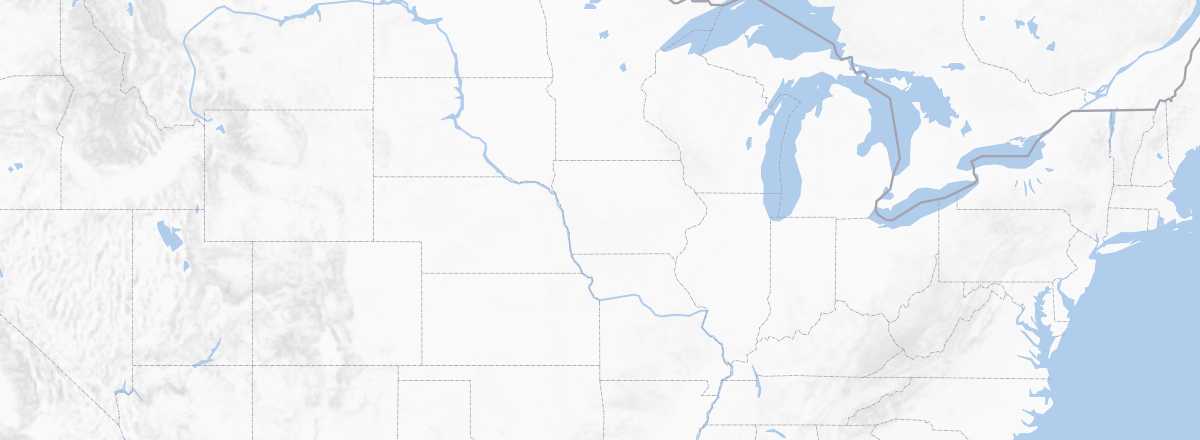
Climate Overview
The climate in this part of the United States is continental, with warm, humid air currents rising from the south at certain times of the year, and cold, dry air masses descending from the far north in winter. Since the region has little relief, these air masses directly influence the climate. The result: summers are hot (averaging 25/30°C) with occasional mugginess, while winters are long and cold—often very cold—with temperatures dropping well below 0°C and a biting wind. The region also experiences heavy snowfall during this period.
That said, climatic conditions can vary significantly by latitude. The southern Midwest is less affected by "polar" winters, while the northern Great Plains experience fewer summer heatwaves and muggy conditions.
Best Time to Visit the Midwest and Great Plains
Unless you're planning a winter sports trip or want to explore the region under snow, the most pleasant period is from May to early October, when temperatures are comfortable.
| Jan. | Feb. | Mar. | Apr. | May | Jun. | Jul. | Aug. | Sep. | Oct. | Nov. | Dec. | |
|---|---|---|---|---|---|---|---|---|---|---|---|---|
| Climate | / | / |
: very favorable | : favorable | : moderately favorable | : unfavorable.
Water Temperature of the Great Lakes Throughout the Year
The Great Lakes (Superior, Michigan, Huron, Erie) offer swimming opportunities along their shores. However, even with local variations, the water remains quite cold for much of the year. Beaches and swimming are best enjoyed during the summer months, from late June to late September.
| Jan. | Feb. | Mar. | Apr. | May | Jun. | Jul. | Aug. | Sep. | Oct. | Nov. | Dec. | |
|---|---|---|---|---|---|---|---|---|---|---|---|---|
| Lake Michigan (Chicago) | 5 | 4 | 5 | 7 | 10 | 15 | 21 | 22 | 17 | 12 | 8 | 6 |