Skip to content
Côte-d'Or

Travel guide

Côte-d'Or

★ 2 · last edited Aug 7, 2020 · 3 versions

This is wine country, home to Burgundy wines, the Route des Grands Crus and its "capital", Beaune. Beyond oenological tourism, Côte-d'Or also offers numerous historical stops with its Cistercian abbeys, more or less medieval castles, and several towns or villages of interest for their architecture. Finally, you can also enjoy the landscapes and trails of the Morvan or, in a different style, the Canal de Bourgogne, developed for walking and river cruising.

Overview

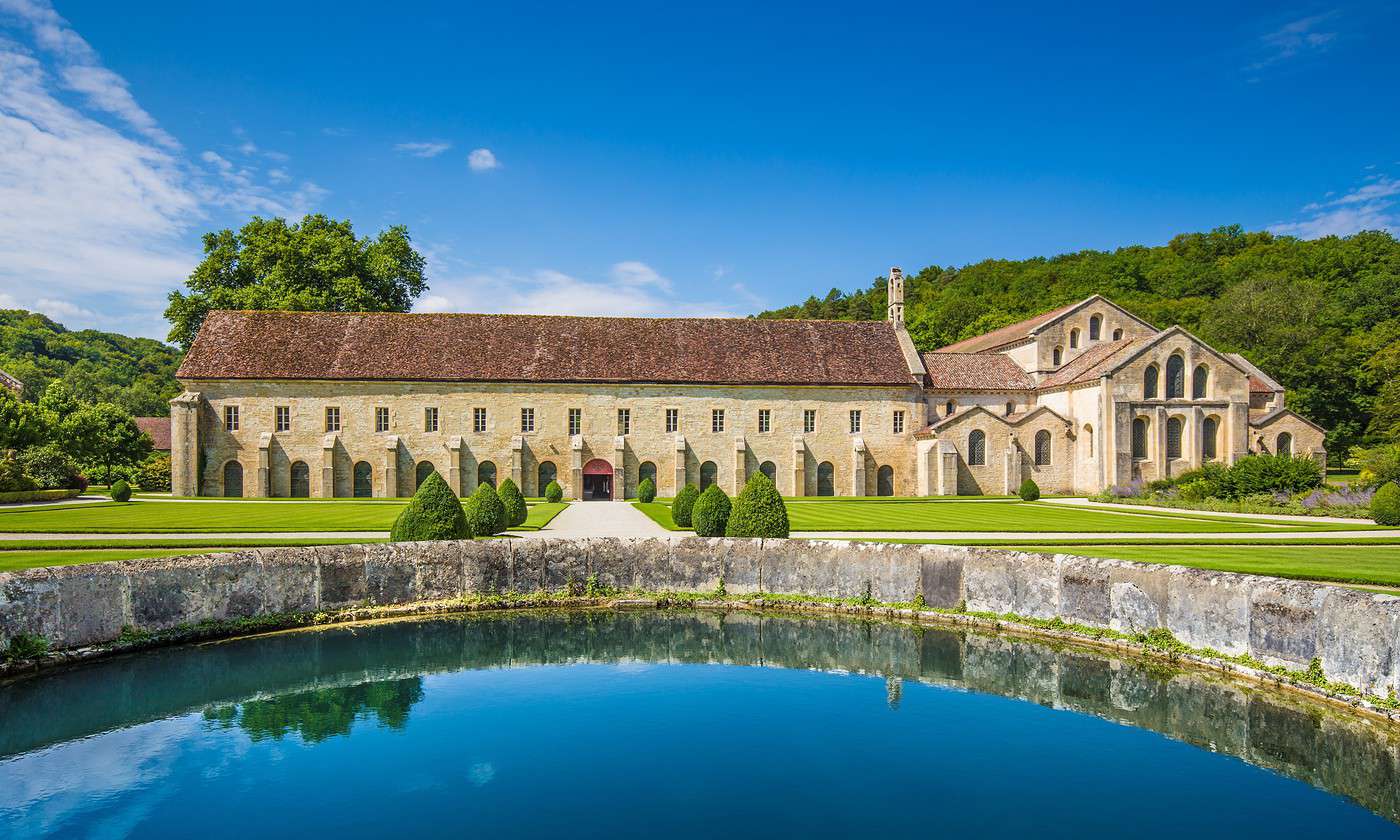
Abbaye de Fontenay, Côte d'Or, France
Abbaye de Fontenay, Côte d'Or, France · © VoyageForum

Key Facts

  • Type de lieu: department.
  • Localisation:
  • Code département: 21.
  • Départements limitrophes:
  • Sous-préfectures: Beaune, Montbard.
  • Nombre de communes: 704.
  • Population: 532,901 inhabitants (2019).
  • Superficie: 8,763 km².
  • Densité: 61 inhabitants/km².
  • Point le plus haut: Mont de Gien (723 m).
  • Point le plus bas: Chivres (174 m).
  • Littoral: 0 km; no maritime access.
  • Intérêts (rated ): Nature ; Culture ; Relaxation-holidays /

History of Côte-d'Or

Geography and Environment

Culture and Economy

What to See in Côte-d'Or

This is wine country, home to Burgundy wines, the Grand Crus Route and its "capital", Beaune, which is well worth a visit. Beyond oenological tourism, Côte-d'Or also offers numerous historical stops with its Cistercian abbeys (Cîteaux, Fontenay...), more or less medieval castles (including the Château de la Rochepot), and several towns or villages of interest for their architecture (Dijon’s old centre, Flavigny, Semur...). Finally, you can also enjoy the landscapes and trails of the Morvan or, in a different style, the Burgundy Canal, developed for walking and river cruising.

What to Do in Côte-d'Or

Climate and Weather

Côte-d'Or has a continental climate. Summers can be quite hot and dry, while winters tend to be cold and damp with snowfall. The département is also fairly rainy (with possible heavy storms), and the annual temperature range is one of the most pronounced in France.

Transport

Getting There

Getting Around

Accommodation

Food

Further Information

Fontenay Abbey

Built in the 12th century, this is the oldest Cistercian abbey still standing. It is listed as a UNESCO World Heritage site for this reason.

Overview of the Abbey

Built in the 12th century, this is the oldest Cistercian abbey still standing. It is listed as a UNESCO World Heritage site for this reason.

  • Tourist interest: (recommended).

History of the Abbey

What to See and Do

Practical Information

  • Location:
  • Address: 21500 Montbard.
  • Opening hours:
  • Price:
  • How to get there:

Nearby Attractions

  1. == In addition
View guide page: Fontenay Abbey

Cîteaux Abbey

This is a Cistercian abbey located near Dijon.

Overview of the Abbey

This is a Cistercian abbey located near Dijon.

  • Tourist interest: (worth a stop if you are in the area).

History of the Abbey

What to See and Do

Practical Information

  • Location:
  • Address: 21700 Saint-Nicolas-lès-Cîteaux.
  • Opening hours:
  • Price:
  • How to get there:

Nearby Attractions

Additional Information

View guide page: Cîteaux Abbey

Alésia

This is the site of the famous battle between the Romans and Gauls, located in the present-day village of Alise-Sainte-Reine. Since 2012, a museum, the MuséoParc Alésia, has been added to the site.

Overview of Alésia

This is the site of the famous battle between the Romans and Gauls, located in the present-day village of Alise-Sainte-Reine. Since 2012, a museum, the MuséoParc Alésia, has been added to the site.

Key details

  • Tourist interest: (worth a stop if you are in the area).
  • Features:
  • Area:
  • Altitude: 402 m.

History of Alésia

What to see and do

Practical information

  • Location:
  • Address: 1 route des trois Ormeaux, 21150 Alise-Sainte-Reine.
  • Opening hours:
  • Price:
  • How to get there:

Nearby attractions

Further information

View guide page: Alésia

Auxonne

A small town with various remnants of its military past (gates, ramparts, towers).

Overview of Auxonne

It's a small town with various remnants of its military past (gates, ramparts, towers).

Key Facts

  • Type of place: small town.
  • Tourist interest: (worth a stop if you are in the area).
  • Location:
  • Distances:
  • Local time: Heure : 19607.
  • Population: 7,835 inhabitants (2014).
  • Area: 40.65 km².
  • Altitude: from 181 to 211 m.

History of Auxonne

What to See and Do in Auxonne

In the Surrounding Area

Climate and Weather in Auxonne

Transportation

Getting There

Getting Around

Accommodation

Dining

Useful Addresses

Further Information

View guide page: Auxonne

Beaune

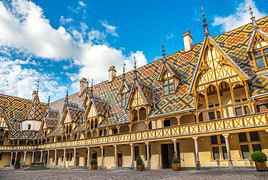
The capital of Burgundy wines and a major tourist destination in the region. Visitors come especially for the famous Hospices de Beaune, both a museum and a stunning 15th-century building where the annual auction of local vineyard production takes place.

Overview of Beaune

Beaune is the capital of Burgundy wines and a major tourist destination in the region. Visitors come especially for the famous Hospices de Beaune, both a museum and a stunning 15th-century building where the annual auction of local vineyard production takes place.

Key facts

  • Type of place: small town.
  • Tourist interest: (worth seeing).
  • Location:
  • Distances:
  • Local time: Heure : 19608.
  • Population: 21,579 inhabitants (2014).
  • Area: 31.50 km².
  • Altitude: from 193 to 407 m.

History of Beaune

What to see and do in Beaune

In the surrounding area

Climate and weather in Beaune

Transport

Getting there

Getting around

Accommodation

Eating

Useful addresses

Further information

View guide page: Beaune

Bussy-Rabutin Castle

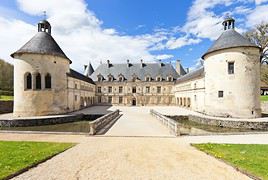
A charming 12th-century castle with a 34-hectare park located northwest of Dijon.

Overview of the castle

This is a charming 12th-century castle with a 34-hectare park located northwest of Dijon.

  • Tourist interest: (worth seeing).

History of the castle

What to see and do

Practical information

  • Location:
  • Address: 12 rue du Château, 21150 Bussy-le-Grand.
  • Opening hours:
  • Price:
  • How to get there:

What to see nearby

  1. == In addition
View guide page: Bussy-Rabutin Castle

Châteauneuf Castle

It is a Burgundian military fortress dating from the 15th century, built on a hill.

Overview of the castle

It is a Burgundian military fortress dating from the 15th century, built on a hill.

  • Tourist interest: (worth a stop if you are in the area).
History of the castle

What to see and do

Practical information

  • Location:
  • Opening hours:
  • Admission fee:
  • Website:
  • How to get there:

Nearby attractions

  1. == En complément
View guide page: Châteauneuf Castle

La Rochepot Castle

A charming 12th-century hilltop fortress surrounded by woods. With its pointed roofs, the building resembles a "Bavarian castle".

Overview of the castle

This is a charming 12th-century hilltop fortress surrounded by woods. With its pointed roofs, the building resembles a "Bavarian castle".

  • Tourist interest: (worth seeing).

History of the castle

What to see and do

Practical information

  • Location:
  • Address: La Rochepot Castle, 21340 La Rochepot.
  • Opening hours:
  • Admission:
  • How to get there:

Nearby attractions

Additional information

View guide page: La Rochepot Castle

Dijon

The city of the Dukes of Burgundy has a rather pretty urban centre. Introduction to Dijon Dijon Weather and Climate What to See in Dijon Things to Do in Dijon Getting to Dijon Getting Around in Dijon Sleeping and Eating in Dijon Living in Dijon

Further information

View guide page: Dijon

Introduction to Dijon

Overview of Dijon

The city of the Dukes of Burgundy has a rather pretty urban centre.

Key Facts

  • Type of place: large city.
  • Tourist interest: (worth a stop if you are in the area).
  • Location:
  • Distances:
  • Local time: Heure : 19612.
  • Population: 153,668 inhabitants and around 385,000 for the greater urban area (2014).
  • Area: 40.41 km².
  • Altitude: from 210 to 410 m.

History of Dijon

Useful Addresses

  • Tourist Office:

Services

  • Local agencies:
  • Banks:
  • Hospital:
  • Internet:
  • Laundries:
  • Vehicle rental:
  • Post office:
View guide page: Introduction to Dijon

Dijon Weather and Climate

Climate Overview

Best Time to Visit Dijon

Jan.Feb.Mar.Apr.MayJun.Jul.Aug.Sep.Oct.Nov.Dec.
Climate

Climate and Forecast

Additional Information

View guide page: Dijon Weather and Climate

What to See in Dijon

Overview

Sites, Monuments, and Architectural Ensembles

Religious Buildings

Museums

Parks and Gardens

In the Surrounding Area

Among the interesting sites to see around Dijon:

Cîteaux Abbey
This is a Cistercian abbey located near Dijon.
Beaune, Côte d'Or, France
Beaune
The capital of Burgundy wines and a major tourist destination in the region. Visitors come especially for the famous Hospices de Beaune, both a museum and a stunning 15th-century building where the annual auction of local vineyard production takes place.
Château de Bussy-Rabutin, Côte d'Or, France
Bussy-Rabutin Castle
A charming 12th-century castle with a 34-hectare park located northwest of Dijon.
Flavigny-sur-Ozerain, Côte d'Or, France
Flavigny-sur-Ozerain
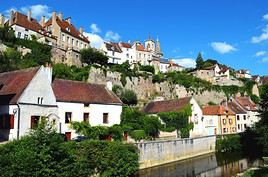
This old village northwest of Dijon is listed among the "Most Beautiful Villages of France".
Pesmes, Haute-Saône, France
Pesmes
A charming little village built along a river, classified among the "Most Beautiful Villages of France".
Route des Grands Crus, Côte d'Or, France
Grand Crus Route
This scenic route of about 60 km winds through Burgundy’s vineyards (a UNESCO World Heritage site since 2015), including some of the most prestigious.

Additional Information

View guide page: What to See in Dijon

Getting to Dijon

By air

Since 2015, Dijon no longer has an airport open to commercial flights. It is now the nearby Dole-Jura airport (40 km away) that provides air service to the city.

By land

By bus

By train

Distances

View guide page: Getting to Dijon

Flavigny-sur-Ozerain

This old village northwest of Dijon is listed among the "Most Beautiful Villages of France".

Overview of Flavigny-sur-Ozerain

This old village northwest of Dijon is listed among the "Most Beautiful Villages of France".

Key Facts

  • Tourist interest: (worth seeing).
  • Location:
  • Distances:
  • Local time: Heure : 19613.
  • Population: 303 inhabitants (2014).
  • Area: 27.79 km².
  • Altitude: from 239 to 482 m.

History of Flavigny-sur-Ozerain

What to See and Do in Flavigny

In the Surrounding Area

Climate and Weather in Flavigny

Transportation

Getting There

Getting Around

Where to Stay

Where to Eat

Useful Addresses

Further Information

View guide page: Flavigny-sur-Ozerain

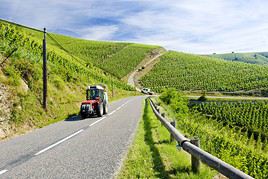
Grand Crus Route

This scenic route of about 60 km winds through Burgundy’s vineyards (a UNESCO World Heritage site since 2015), including some of the most prestigious.

Overview of the Grand Crus Route

This scenic route of about 60 km winds through Burgundy’s vineyards (a UNESCO World Heritage site since 2015), including some of the most prestigious.

Key details

  • Type of place: scenic route.
  • Tourist interest: (worth seeing).
  • Theme: wine route.
  • Location: 38 villages between Dijon and Santenay, via Beaune.
  • Local time: Heure : 19614
  • Main towns: Gevrey-Chambertin, Meursault, Nuits-Saint-Georges, Pommard, Vougeot...
  • Length: 60 km.
  • Altitude:

The route

What to see and do

Itinerary

Nearby

Climate and weather

Transport

Getting there

Getting around

Sleep

Eat

Additional information

View guide page: Grand Crus Route

Semur-en-Auxois

A charming medieval town between Auxerre and Beaune, with its towers, ramparts, and old half-timbered houses.

Overview of Semur-en-Auxois

It's a charming medieval town between Auxerre and Beaune, with its towers, ramparts, and old half-timbered houses.

Key Facts

  • Type of place: small town.
  • Tourist interest: (worth seeing).
  • Location:
  • Distances:
  • Local time: Heure : 19615.
  • Population: 4,078 inhabitants (2014).
  • Area: 19.14 km².
  • Altitude: from 237 to 423 m.

History of Semur-en-Auxois

What to see and do in Semur

In the surrounding area

Climate and weather in Semur

Transportation

Getting there

Getting around

Accommodation

Eating

Useful addresses

Additional information

View guide page: Semur-en-Auxois

Vix Burial Mound

A 5th-century BC Celtic burial site and its museum, located in the commune of Vix.

Overview of the Site

This is a 5th-century BC Celtic burial site in the commune of Vix, and especially its museum located nearby in Châtillon-sur-Seine.

  • Tourist interest: (worth a stop if you are in the area).
  • Features: Celtic remains.
  • Area:
  • Altitude:

History of the Site

What to See and Do

Practical Information

  • Location:
  • Museum address: 14 rue de la Libération, 21400 Châtillon-sur-Seine.
  • Opening hours:
  • Price:
  • How to get there:

Nearby Attractions

  1. == En complément
View guide page: Vix Burial Mound

Burgundy Canal

Stretching 240 km, it connects the Yonne to the Saône, crossing the Yonne and Côte d'Or departments. Like many canals, its purpose is now primarily tourist-focused, offering walks and river cruises.

Overview of the canal

Stretching 242 kilometers, it connects the Yonne to the Saône, crossing the Yonne and Côte d'Or departments. Like many canals, its purpose is now primarily tourist-focused, offering walks and river cruises.

Key details

  • Tourist interest: (worth seeing).
  • Features: Lock canal (183 locks).
  • Location:
  • Length: 242 km.
  • Altitude: from 83 to 378 m.
  • Website:

Environment

Precautions

What to see and do

Nearby

Climate and weather

Transport

Getting there

Getting around

Sleep

Eat

Additional information

View guide page: Burgundy Canal

Cirque du Bout du Monde

A small valley surrounded by limestone cliffs over 500 metres high. You can hike and go climbing here.

Overview of the valley

This is a small valley surrounded by limestone cliffs several hundred metres high, which also features a cave and a waterfall. You can hike and go climbing here.

Key details

  • Tourist interest: (worth a stop if you are in the area).
  • Features:
  • Length:
  • Altitude:

Environment

Wildlife and flora

Precautions

Climate and weather

What to see and do

Practical information

  • Location:
  • Website:
  • How to get there:
  • Distances:

Getting around

Sleeping and eating

What to see nearby

Further information

View guide page: Cirque du Bout du Monde

Something wrong or out of date? Report this page