last edited Dec 11, 2019
Flying to Texas
Location Map of Texas
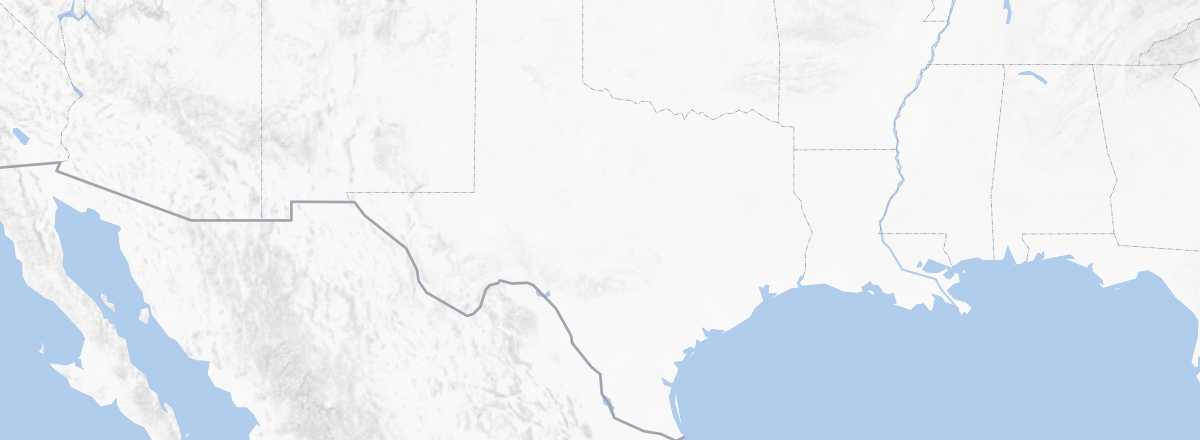 Texas
Open the interactive map
Texas
Open the interactive map
General Information
Texas holds the record for the number of airports/airfields in the country. Given the state's size and distances, even the smallest towns usually have a runway with at least one connection to Dallas, Houston, or the nearest major urban area to catch connections with major U.S. airlines like American, United, or Southwest.
There are still two mega-airports in the region: Dallas/Fort Worth International, the 10th largest in the world (64.174 million passengers in 2015), and Houston George Bush Intercontinental, the 30th largest (42 million). While domestic U.S. flights dominate, these hubs also offer extensive international networks, particularly for Europe and the rest of the Americas. Note that both cities also have a second airport (handling over a million passengers per year) primarily focused on domestic traffic. Other cities like Austin, San Antonio, and El Paso also benefit from significant air traffic.
In short, Texas has fairly good air coverage, but outside the main urban areas, travelers often need to connect through one of the major U.S. airline hubs—especially when arriving from abroad.
Types of Flights
Charters, Scheduled, and Low-Cost
Promotions and Special Offers
From France and Europe
From France
Only Paris offers direct flights to Texas. From Charles de Gaulle Airport, you can fly to Dallas (American Airlines) or Houston (Air France). For all other routes, at least one connection is required. For Houston, expect around 10.5 hours of flight time for a round-trip cost of 690/1,000 €.
From the Rest of Europe
From the Rest of the Americas
Canada
Rest of the United States
Service from the rest of the U.S. is quite good, though travelers to smaller cities may need to plan for airport transfers if their route doesn’t involve one of the country’s major hubs, which often have direct connections.