★ 2 · last edited Aug 10, 2020
Gard
Contributionsversion #3created Aug 10, 2020Report this pageLatest contributions in this guideContributors to this guide
Location verified location
 Gard
Open the interactive map
Gard
Open the interactive map
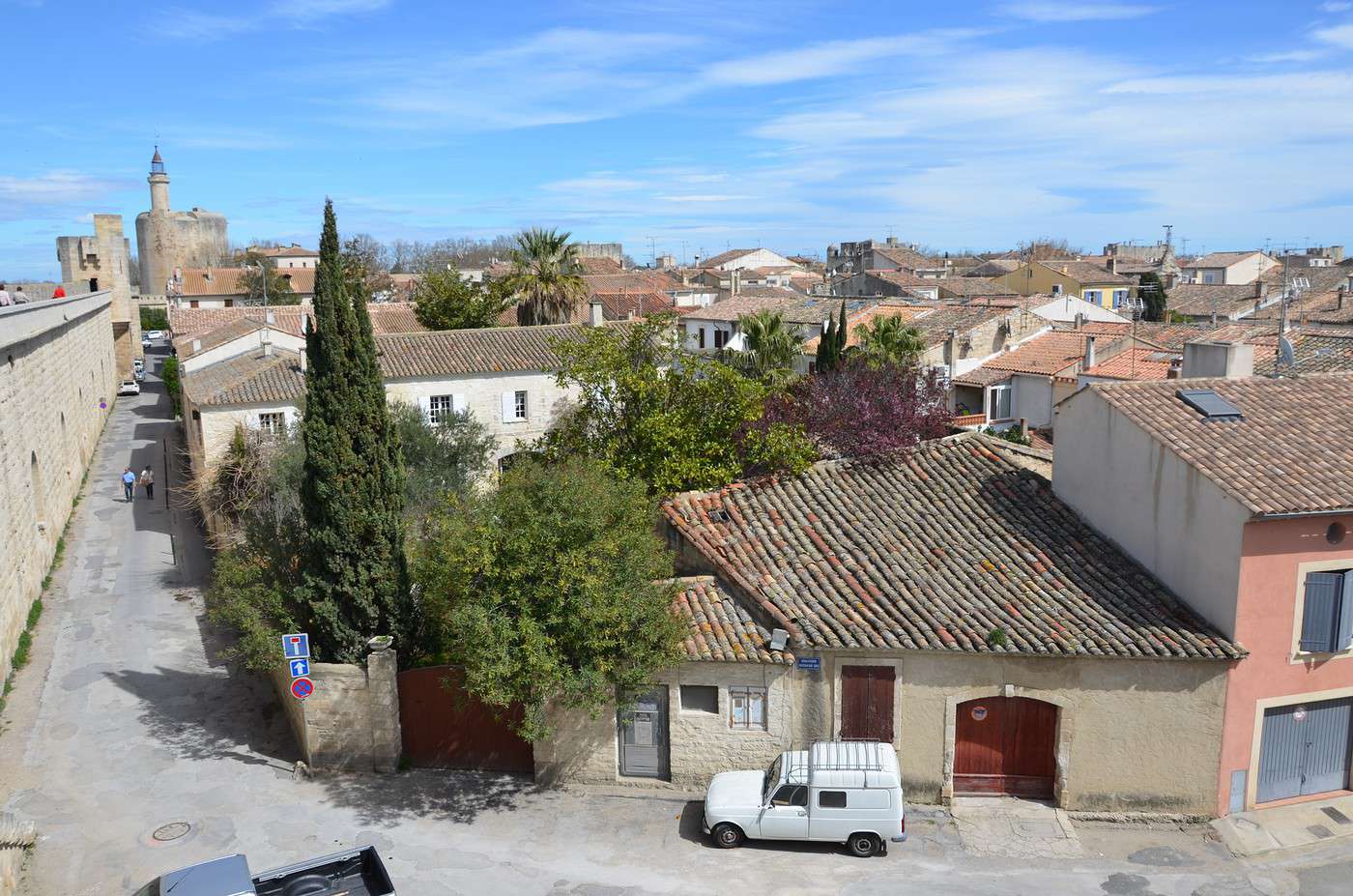
The department is in some ways the "transition" between the Southwest and Provence, the Mediterranean and the first foothills of the Massif Central. As a result, it offers a diversity that will appeal to many, with a coastal side (Le Grau-du-Roi, the Camargue) and a natural side found in the Cévennes National Park, the Ardèche Gorges, or even Mont Aigoual. And then Gard is also home to two unique sites: Aigues-Mortes and, above all, the Pont du Gard.
Overview
Key Facts
- Type of place: department.
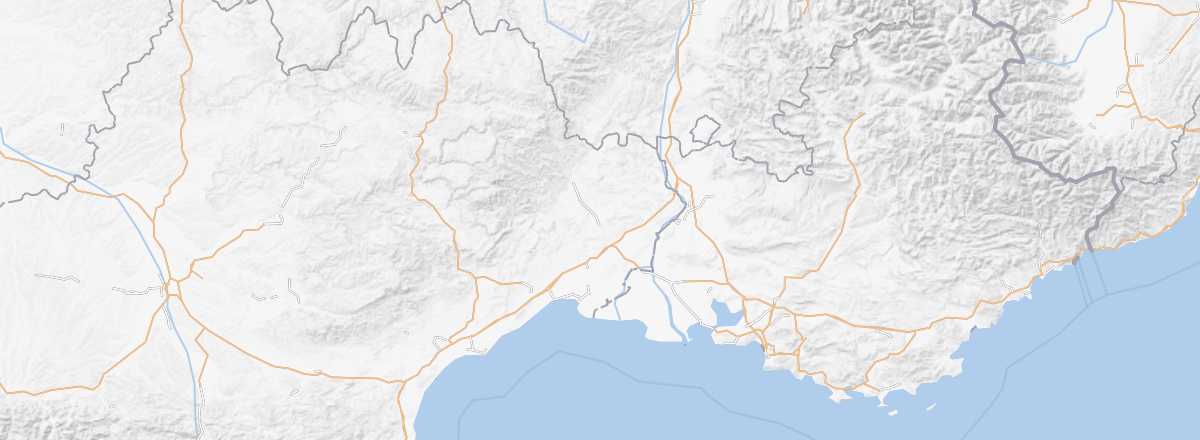
- Location: the department is situated between Montpellier and Marseille.
- Department code: 30.
- Bordering departments: Ardèche, Aveyron, Bouches-du-Rhône, Hérault, Lozère, Vaucluse.
- Prefecture: Nîmes.
- Sub-prefectures: Alès, Le Vigan.
- Number of communes: 353.
- Population: 744,178 inhabitants (2017).
- Area: 5,853 km².
- Highest point: Mount Aigoual (1,567 m).
- Lowest point: sea level.
- Coastline: 23 km.
- Highlights (out of ): Nature ; Culture ; Relaxation-holidays /
- Website: http://www.tourismegard.com
History of Gard
Geography and Environment
Culture and Economy
What to See in Gard
The department is in some ways the "transition" between the Southwest and Provence, the Mediterranean and the first foothills of the Massif Central. As a result, it offers a diversity that will appeal to many, with a coastal side (Le Grau-du-Roi, the Camargue) and a natural side found in the Cévennes National Park, the Ardèche Gorges, or even Mount Aigoual. And then Gard is also home to two unique sites: Aigues-Mortes and, above all, the Pont du Gard.
What to Do in Gard
Climate and Weather
Gard has a Mediterranean climate with some variations depending on the geographical area.
The southernmost part, starting at the Mediterranean coast, enjoys mild winters and hot summers with little rainfall throughout the year.
The central and eastern parts of the department have mild winters and hot to very hot summers, especially in Nîmes, with more frequent summer storms near the Cévennes. Autumn and spring are marked by periods of heavy rainfall.
The northwest part of Gard has a Mediterranean climate softened by continental and oceanic influences, resulting in higher annual precipitation. Winters are mild in the valleys but cool to cold elsewhere, with frequent snowfall above 1,000 m, particularly on Mont Aigoual. Spring and autumn can see very heavy rainfall, leading to flooding ("Cévennes episodes"). Summers are hot with frequent thunderstorms.
Transport
Getting There
Getting Around
Accommodation
Food
Additional Information
- Pont du Gard
- Aigues-Mortes
- Aiguèze
- Alès
- Anduze
- Bagnols-sur-Cèze
- Beaucaire
- Portes Castle
- La Roque-sur-Cèze
- Grau-du-Roi
- Nîmes
- Prat Peyrot
- Saint-Gilles (30)
- Sommières
- Uzès
- Vézénobres
- Villeneuve-lès-Avignon
- Bramabiau Abyss
- Ardèche Gorges
- Gorges du Gardon
- Cocalière Caves
- Lussan
- Montclus
- Prafrance Bamboo Grove