last edited Aug 17, 2020
Geography and Environment of Croatia
Location Map of Croatia
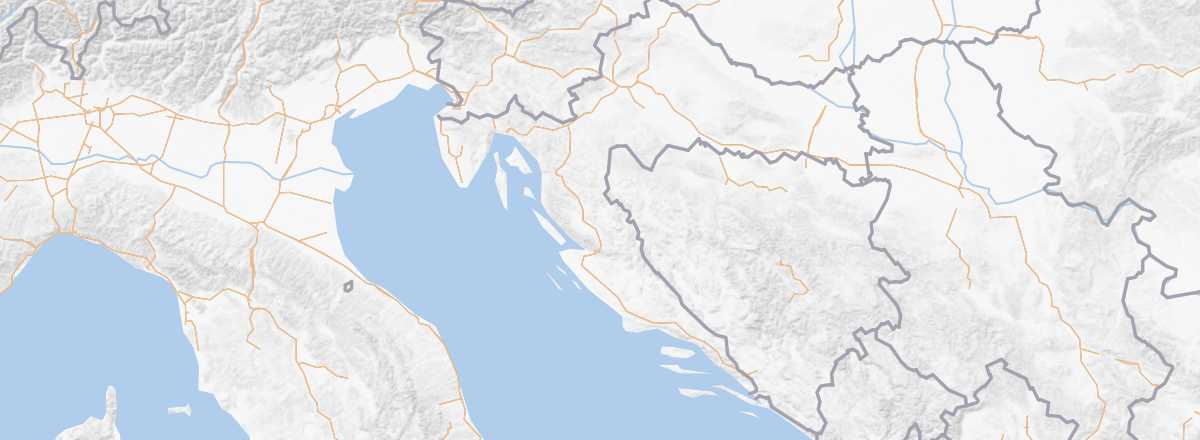 Open the interactive map
Country Physiography
Natural Zones

The country has eight national parks covering just over 7% of its territory, along with numerous natural areas of tourist interest located on the islands (including Mljet or the Kornati archipelago), the coastline, or inland. Among visitors' favorite sites:
- Krka National Park: This park near Šibenik lets you explore an area of waterfalls and canyons shaped by the Krka River. A monastery and several fortresses, often in ruins, are scattered along the route.
- Paklenica National Park: Not far from Zadar, this park, with its birds and cave, offers beautiful walks and climbing opportunities.
- Plitvice Lakes National Park: Located in northern Dalmatia, this is the most famous of Croatia’s national parks. With its stunning landscapes, numerous lakes, and waterfalls, it is a UNESCO World Heritage site and considered one of Europe’s most beautiful parks.
- Risnjak National Park: A mountainous park in the north of the country, close to the sea, where you can hike.
- Sjeverni Velebit National Park: A mid-mountain park between Rijeka and Zadar, ideal for hiking.
- Bijakova Nature Park (or Biokovo): This mountainous massif with high karst cliffs in the Dinaric Alps is known for its challenging hikes. You can also try canyoning, rafting, or kayaking on the Cetina River in the area.
- Pelješac Peninsula: North of Dubrovnik, this long mountainous peninsula offers beautiful landscapes, beaches, and hiking opportunities.