last edited Aug 12, 2020
Geography and Environment of Cuba
Location Map of Cuba
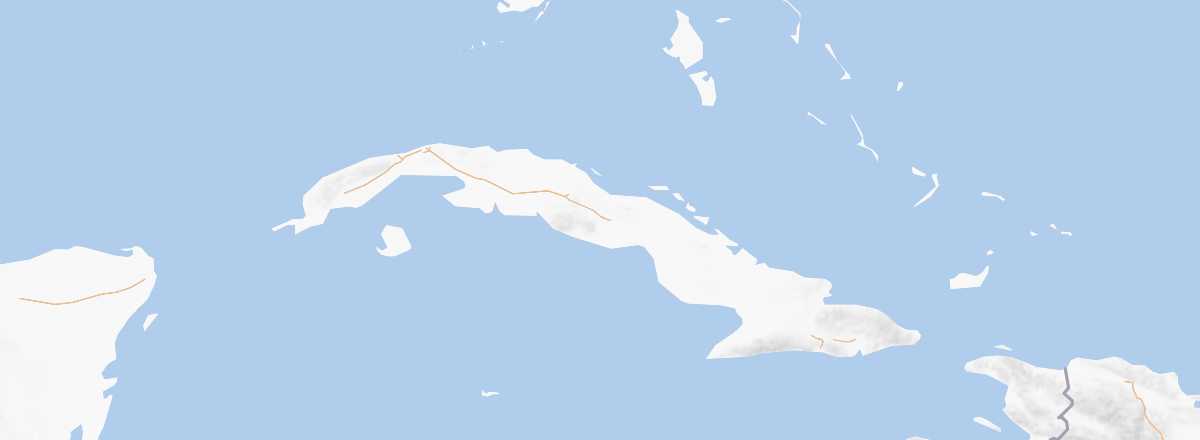 Cuba
Open the interactive map
Country Overview
Natural Areas

While Cuba's nature is beautiful, it is not particularly grand, whether along the coastline or inland. Nevertheless, the country has around twenty parks and reserves, several of which are of definite tourist interest.
- Isla de la Juventud: The main island of the Canarreos archipelago is home to the Ciénaga de Lanier National Park in its southern part (birds, turtles, crocodiles).
- Alejandro de Humboldt National Park: This site has been a UNESCO World Heritage site since 2001 for its biological and geological richness.
- Jardines de la Reina National Park: The archipelago, off the southern coast, is renowned for its beaches, diving, and deep-sea fishing.
- Cienaga de Zapata National Park: This vast marshy area is known for its birds and the endemic presence of crocodiles.
- Desembarco del Granma National Park: Another UNESCO-listed park for its biological and geological diversity, particularly its coastal cliffs.
- Guanahacabibes National Park: This area is known for its birds and sea turtles, as well as for housing over a hundred sites bearing witness to the region's first inhabitants, the Guanahacabibes. Several beaches in the park, such as María la Gorda, also attract many visitors and diving enthusiasts.
- La Guira National Park: Caves and pretty mountainous landscapes between Pinar del Río and Havana.
- Topes de Collantes Nature Reserve: The main attraction here is nature. Amid beautiful scenery, you can discover caves, waterfalls, and beaches on short hikes (more or less guided). The area is also known for its orchids.
- Sierra del Rosario: Hiking opportunities in this nature reserve.
- Sierra Maestra: This southern mountain range is known for housing the island's highest peak (Pico Turquino: 1,974 m), as well as having been Castro's refuge during the Revolution. The area, also called Turquino National Park, offers beautiful landscapes and hiking opportunities.
- Viñales Valley: This fertile valley, where much of Cuba's tobacco is produced, is part of the national park of the same name and is a UNESCO site. It is surrounded by mountains with numerous caves. You can hike and go climbing here.