last edited Dec 11, 2019
Getting Started with Travel Photography
Location Map of Destinations
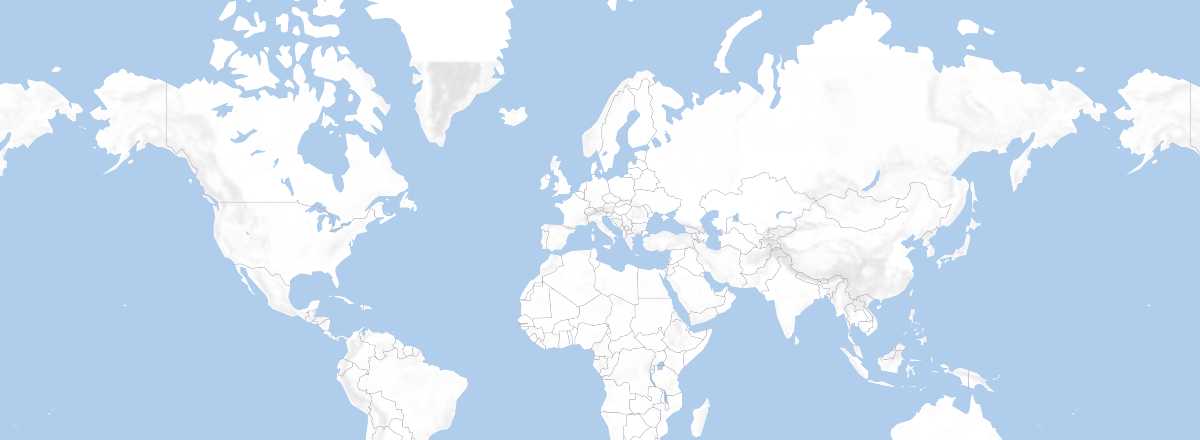 Destinations
Open the interactive map
Destinations
Open the interactive map
The Basics to Begin
Your turn to expand: Some fundamentals for getting into photography that you’ll often find in your camera’s manual.
Holding Your Camera Properly
Zoom
Focusing
Flash
Tripod
What to Photograph?
Your turn to expand: Even though digital photography has largely solved the issue with its "spray-and-pray and sort later" approach, it’s still worth asking what’s actually worth photographing.
Respecting Your Subjects
Your turn to expand: Taking photos doesn’t mean doing whatever you want with your subjects. So, among other things, no stolen, manipulated, or simply purchased photos...
People
Museums and Monuments
It’s not always obvious, but respecting your subject also means respecting the monument or artwork you want to capture. In short, is it possible to photograph works in museums, and if so, under what conditions?
Faced with this question—whose stakes have been amplified by photos taken with mobile phones and the sharing of images on social media—the French Ministry of Culture and Communication has sought to support institutions that must respond to visitors’ daily requests. A charter titled "Everyone’s a Photographer!" has been developed. It aims to "reconcile new forms of visiting, rules of civility in public spaces, and good conditions for taking photos." This means the visitor must:
-# Upon arrival, the visitor disables their flash and ensures they don’t disturb other visitors when taking photos or filming.
-# When photographing or filming, the visitor must take care not to damage the integrity of the artworks.
-# The visitor may share and distribute their photos and videos, especially on the internet and social media, within the framework of current legislation.
-# The visitor avoids taking a photograph of a staff member as an identifiable main subject without their formal permission.
-# For shots requiring additional equipment, the visitor must request specific authorization.
Storing Your Digital Images
Memory Card
Your turn to expand: An essential part of a digital camera, it’s what stores your photos. Beyond the card’s capacity, it’s also the size of the images that will determine how many photos you can store in your camera.
Clearing Your Memory Card
Your turn to expand: In other words, transferring your photos to another medium to free up space (and, if needed, view them). Some solutions: another card, an external hard drive, a media player, a laptop, or having your photos burned to a disc or stored online.
Film and Analog Development
Choosing Your Film
Your turn to expand: Photos or slides, color or black and white, for what sensitivity? Should you buy everything before you leave or once you’re there?
Storage
Your turn to expand: How to best preserve your film during a trip?
Development
Your turn to expand: Especially for those going on long trips, should you have your film developed during your travels?