★ 2 · last edited Aug 13, 2020
Hautes-Pyrénées
Contributionsversion #5created Aug 13, 2020Report this pageLatest contributions in this guideContributors to this guide
Location verified location
 Hautes-Pyrénées
Open the interactive map
Hautes-Pyrénées
Open the interactive map
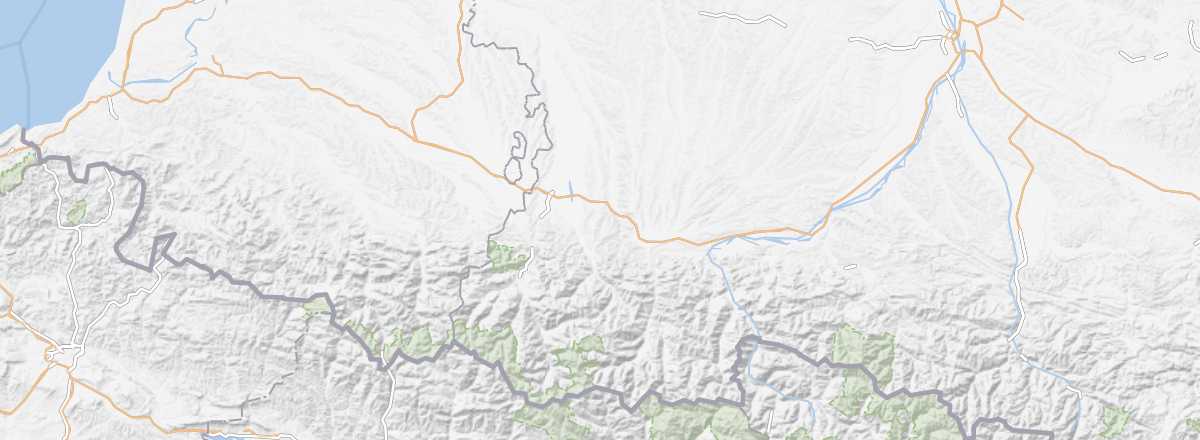
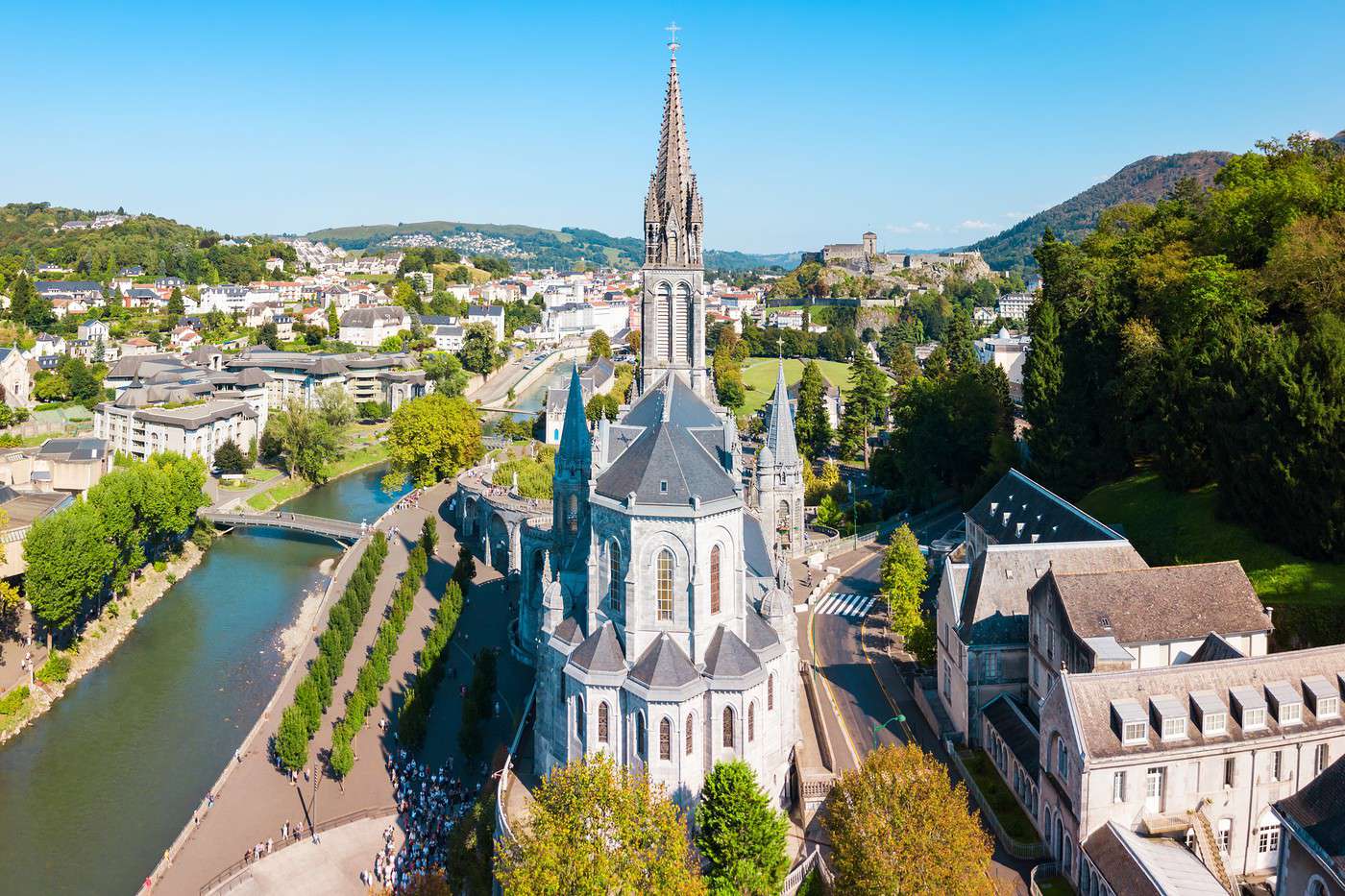
A blend of mountains, valleys, hills, and plains, the department is a nature destination loved by hiking, skiing, and other outdoor sports enthusiasts. Hautes-Pyrénées is also renowned for its thermal spas. In a different vein, the city of Lourdes remains one of the world’s most important pilgrimage sites.
Overview of Hautes-Pyrénées
Key facts
- Type of place: department.
- Tourist interest: (worth seeing).
- Location:
- Local time:
- Department code: 65.
- Bordering departments:
- Prefecture: Tarbes
- Sub-prefectures: Argelès-Gazost, Bagnères-de-Bigorre.
- Number of communes: 470.
- Population: 228,530 inhabitants (2017)
- Area: 4,464 km².
- Density: 51 inhabitants/km².
- Highest point: Pic du Vignemale (3,298 m).
- Lowest point: Saint-Lanne (118 m).
- Coastline: 0 km; no maritime access.
- Interests (out of ): Nature ; Culture ; Relaxation-holidays /
History of Hautes-Pyrénées
Geography and environment
Culture and economy
What to see in Hautes-Pyrénées
A blend of (high) mountains, valleys, hills, and plains, the department is primarily a nature destination loved by hiking, skiing, and other outdoor sports enthusiasts. Hautes-Pyrénées is also renowned for its thermal spas. In a different vein, the city of Lourdes remains one of the world’s most important pilgrimage sites, drawing six million visitors each year.
What to do in Hautes-Pyrénées
Climate and weather
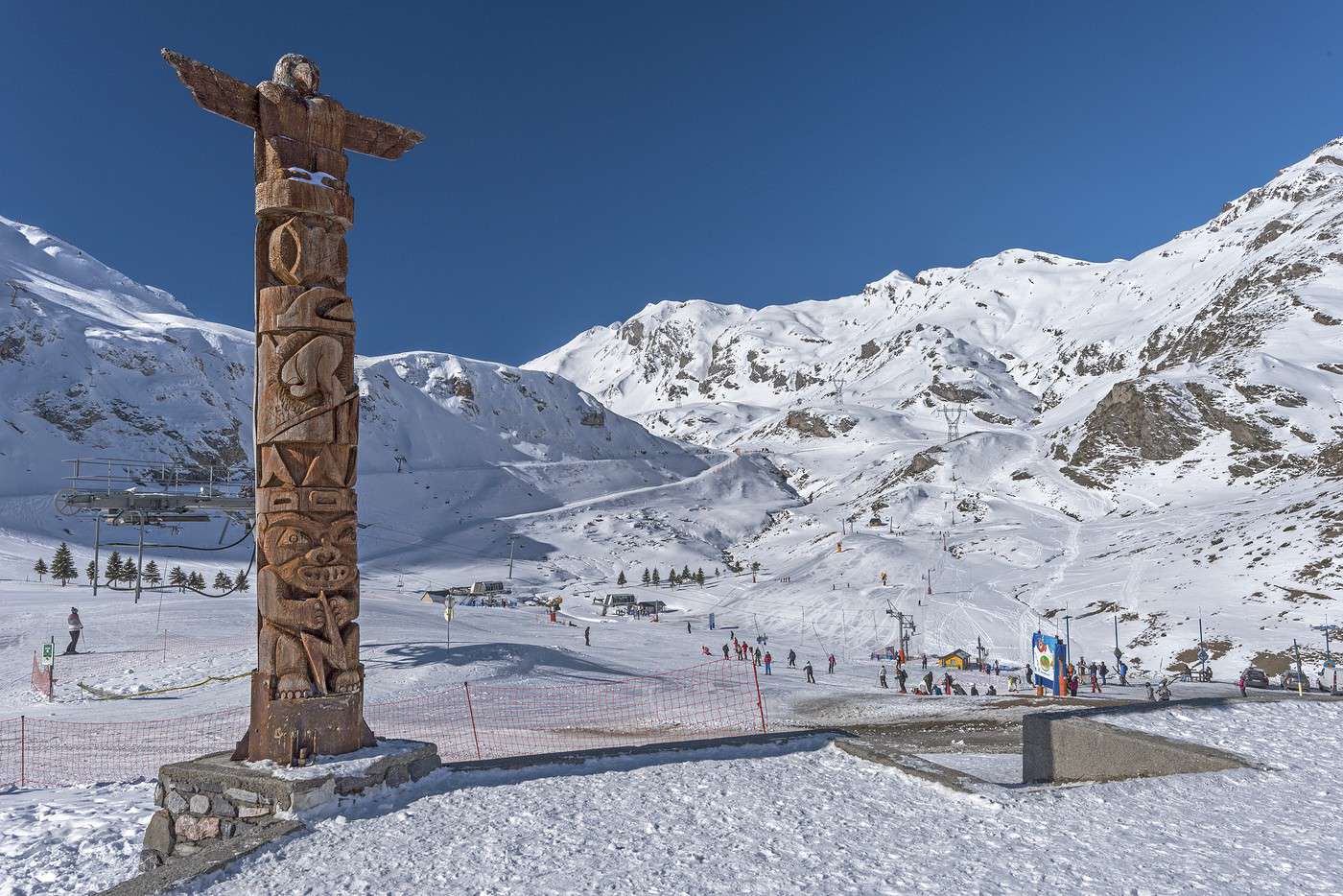
The department’s climate is varied and can be divided into two zones. In the north, the plains and low plateaus enjoy a mild, low-wind climate, while in the south, the mountainous part of the department experiences much harsher weather, with heavy snowfall in winter across the massifs.