last edited Mar 5, 2026
Health and Safety in Mexico
Location Map of Mexico
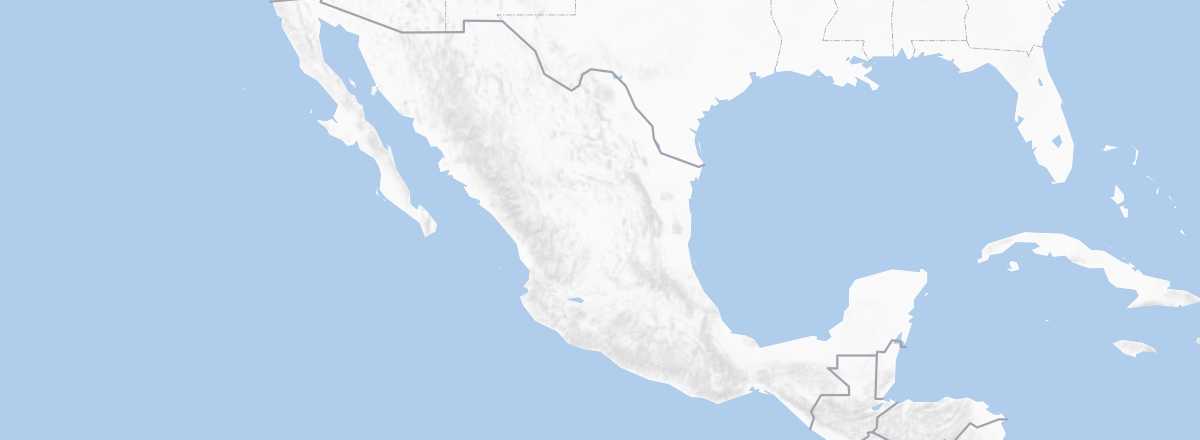 Mexico
Open the interactive map
Mexico
Open the interactive map
Official Recommendations
In France, both for individuals and professionals, the "travel advice" from the Ministry of Foreign Affairs regarding precautions for each country has legal value. A similar online travel advice system exists in several countries:
Health
Diseases
The risk of contracting a disease in Mexico is relatively low. However, the country still requires a minimum of precautions and common sense regarding health when staying there. While no vaccines are mandatory—except theoretically for yellow fever if arriving directly from certain areas (including French Guiana)—being up to date is always preferable.
In practice, as in many countries, mosquitoes are the main concern, so bring repellent and appropriate clothing, especially in the evening. Although malaria is only found in a few rural areas and not in tourist spots or cities, it does occur sporadically. The same goes for diseases like dengue, Zika, or chikungunya, which also come from mosquito bites.
Beyond that, there are no major risks. Out of all possible issues, *turista*—the well-known traveler’s diarrhea—is the most likely to affect visitors.
Hygiene
As always, beyond washing your hands regularly, good personal and especially food hygiene is essential if you’re not used to "eating local." Avoid tap water, which isn’t potable, and dishes or foods that don’t seem fresh—if only to prevent *turista*.
Healthcare Facilities on Site
In cities and tourist areas, facilities are good and plentiful, partly because the country has developed medical tourism with American clients seeking affordable routine care. You’ll easily find good practitioners, often trained in the USA, who offer consultations at reasonable prices. However, for more serious issues or hospitalizations, costs can skyrocket, so adequate financial coverage is necessary. Hence the importance of having good travel insurance.
Safety
Crime and Delinquency
As expected, this is Mexico’s biggest problem. Insecurity has been a near-permanent issue in the country for decades. However, it’s important to distinguish between regions and, above all, between what might directly affect visitors (mostly petty crime) and other risks that, in principle, don’t concern them.
The latter category includes gang-related crime, drug trafficking, and violent actions tied to political contexts. Every year, thousands of deaths occur, to the point that some areas—particularly in the north/northeast and along the southwest coast between Acapulco and Manzanillo (or even Puerto Vallarta)—are not recommended for cities or rural areas. Though visitors aren’t directly targeted, precautions are still necessary, even if there are occasional impacts on tourism. Beyond staying informed about the current situation, it’s sometimes better to favor air travel over land transport.
In tourist zones, things are calmer, though a slight decline has been noted in recent years, including in the Yucatán and Riviera Maya. That said, basic precautions for any trip still apply: don’t flaunt wealth, avoid walking alone at night in isolated areas, etc. Vigilance is also needed in transport hubs, bus stations, certain outlying neighborhoods, on beaches, and during nightlife outings. In case of aggression, it’s best not to resist and to always carry "something" to give to attackers. If you have a vehicle, it’s highly recommended to use guarded parking lots, leave nothing inside, and be aware that some police officers may try to scam you during road checks.
Finally, while the country is a hub for drug trafficking and many cartels operate openly, local laws on drug possession or use are strict, with prison sentences possible.
Sociopolitical Risks
One might say that the prevailing crime and cartel issues are already "enough" to overshadow the fact that Mexico also experiences regular political tensions and social movements that can sometimes escalate or lead to blockades. Though visitors aren’t directly affected, it’s best to steer clear and stay informed.
Climate and Nature
Nature isn’t always kind in Mexico. The altitude and air pollution in cities like Mexico City can bother those with heart or respiratory issues. More broadly, much of the country is in a seismic zone, and hurricanes occur on the Atlantic coast and occasionally on the Pacific side. During the rainy season in the south, roads may be cut off due to flooding or landslides.
Elsewhere, be cautious of dangerous ocean currents on the Pacific coast. And of course, avoid venturing alone and ill-equipped into the wilderness or off beaten paths—you risk getting lost.
Animals
Beyond stray dogs that may carry rabies (vaccination is useful for long stays in rural areas), watch out—though the risk is very low—for creatures like scorpions, spiders, stinging bees, or even snakes, which you might encounter in tall grass, under rocks, or other places they favor.
Foreign Consulates on Site
If you encounter problems while traveling abroad, your country’s consular services can assist you. Also note that if you’re an EU citizen and your country isn’t represented, you can contact any other EU member state’s consulate.
France
- Consulate General: Calle La Fontaine 32, Colonia Polanco, 11560 Mexico City. Tel.: 55 50 91 30 06.
In addition to its consulate general in Mexico City, France has around twenty honorary consuls (see list) across Mexico. These are volunteers who serve as liaisons in regions far from the consulate general, offering advice or guidance rather than direct action in case of problems.
Other Countries
Belgium:
- Consulate General: Musset 41, col. Polanco, C.P. 11550 Mexico City. Tel.: 55 528 007 58. Belgium also has six honorary consulates, including one in Cancún.
Canada:
- Consulate General: Schiller 529, col. Bosque de Chapultepec, Polanco, Del. Miguel Hidalgo C.P. 11560, Mexico City. Tel.: 55 572 479 00. Canada also has around ten other consulates in the country.
Switzerland:
- Consulate General: Torre Optima, piso 11, Paseo de las Palmas 405, col. Lomas de Chapultepec, CP 11000, Mexico City. Tel.: 55 917 843 70.