last edited Dec 11, 2019
House Swapping
Location Map of Destinations
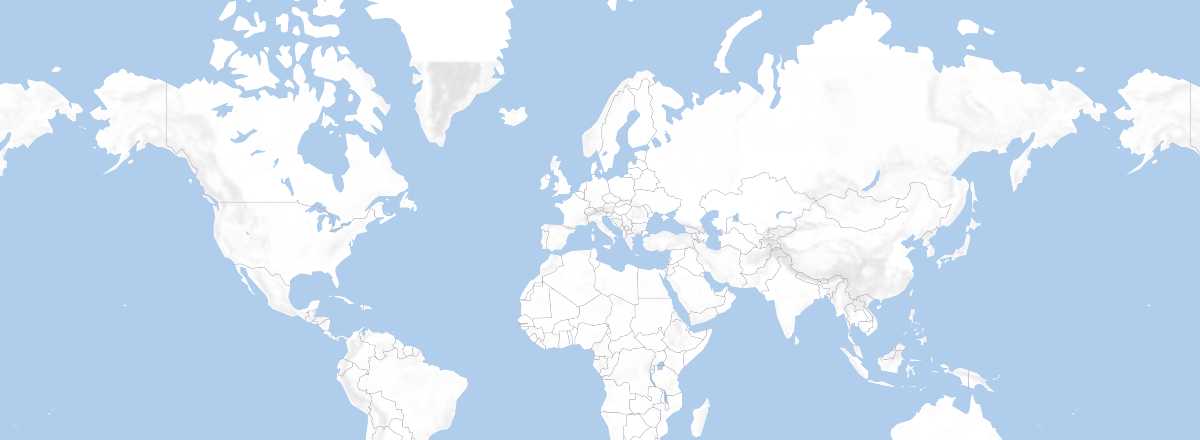 Destinations
Open the interactive map
Destinations
Open the interactive map
How House Swapping Works
In recent years, the house-swapping system has grown in popularity. During your holidays, you exchange your house, apartment, or even your mobile home or camper van for an equivalent property elsewhere in your country or around the world. Since the exchanges happen simultaneously, you don’t share your daily life with your hosts. This system offers significant financial advantages, as you no longer have to pay for accommodation—or often even local transport, since you typically lend your vehicle as well.
In practice, swaps can be arranged through specialised agencies or directly, usually via the internet. The whole process is based on mutual trust between the parties.
Getting Started
It’s not always easy to let strangers stay in your home—or, conversely, to move into someone else’s place for a while. So, if you’re hesitant, it might be worth starting small by going through a well-known agency for a short swap, like a weekend or a few days, not far from home. That way, you can see how things go...
Is Using an Agency Mandatory?
No, everyone can choose how they want to proceed—either through specialised agencies (how to pick the right one?) or by managing the swap themselves. Of course, each option has its pros and cons.
Tips for a Successful Search
Flexibility is key if you want to find a good match. Being open about dates and destinations will make things much easier.
It’s also best to describe what you’re offering honestly and in detail: location, surroundings, layout, amenities, how certain things work (car, phone, etc.), and any potential constraints (like taking care of pets). And, of course, include plenty of photos.
Don’t wait until the last minute—contact as many people as possible, narrow down your options, and then communicate with those interested via email and phone. This will help build a connection, so you’ll feel less like you’re lending your home to strangers, and vice versa.
What Can You Swap, and Where?
Anything is possible when it comes to swaps. Houses or apartments, luxury or standard, large or small, urban or rural—you just need to find someone interested. And the properties don’t have to be identical; you might end up in a large luxury house even if you’re only offering a small studio. It all depends on the location and how much the other party wants a change of scenery.
However, while the properties themselves may not match, the people often do—families tend to swap with other families, retirees with retirees, and so on.
One last thing: if you’re a tenant, you’re generally required to inform your landlord before swapping, as they may refuse the arrangement if they wish.
Possible Destinations
As the system expands worldwide, the options are becoming more diverse. Still, most opportunities are found in Europe, North America, and Australia. Cities (and their outskirts) also tend to have more options than rural areas.
The Welcome
When your "guests" arrive at your home, you won’t be there—since you’ll be at theirs. So, first, agree in advance on how to hand over the keys or arrange for a third party to welcome them.
Next, create a small "home guide" with instructions for household appliances, meters, rubbish collection schedules, emergency numbers, and everything related to your vehicle. Do the same for nearby services (supermarkets, shops, etc.) and local attractions. Don’t forget to include contact details for a backup person in case of problems.
Tidy up and clean before they arrive (and lock away anything you want to protect), and leave a few nice things to eat and drink—or even a small welcome gift. Also, let your neighbours know that new occupants will be arriving. In short, do exactly what you’d want someone to do for you.
In Case of Problems
For you to expand on: What if one party cancels? What if the accommodation is disappointing? What about damages? What are the possible recourses?