★ 4 · last edited Aug 7, 2020
Indre-et-Loire
Contributionsversion #3created Aug 7, 2020Report this pageLatest contributions in this guideContributors to this guide
Location verified location
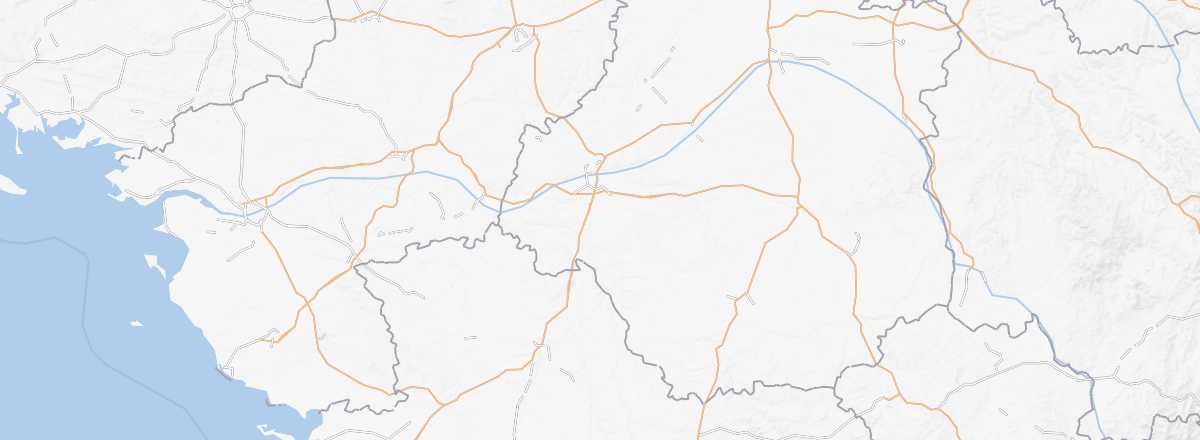 Indre-et-Loire
Open the interactive map
Indre-et-Loire
Open the interactive map
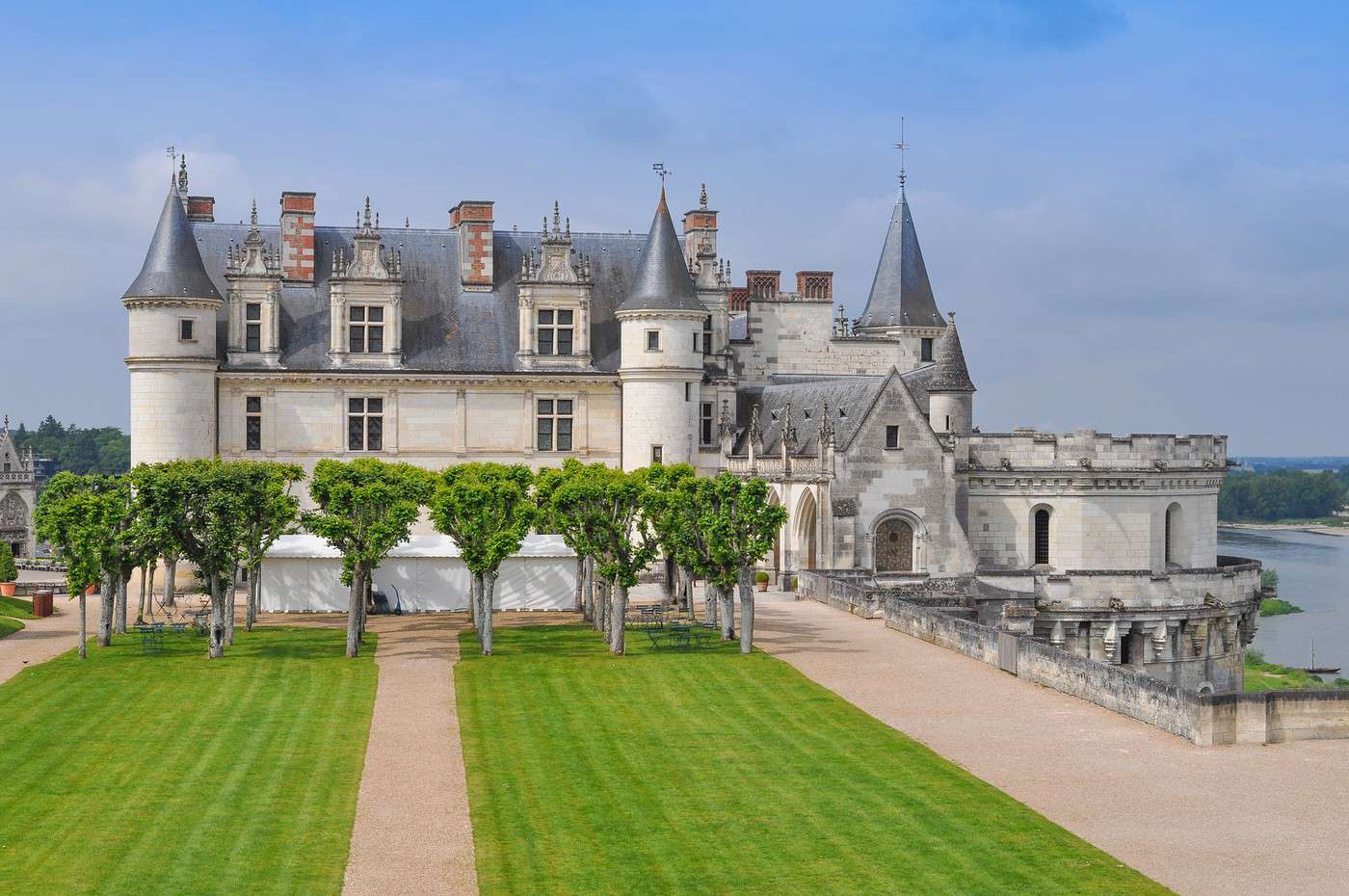
Everyone has heard of the Loire Valley and its famous châteaux. Even if not everyone knows the name of the department, it’s here, in Indre-et-Loire, that most of them are concentrated, including the most beautiful and well-known, such as Amboise, Azay-le-Rideau, Chenonceau, Langeais, and Villandry. All are part of this department’s heritage, making it a must-see for any discovery of France.
Overview
Key facts
- Type of place: department.
- Location:
- Department code: 37.
- Bordering departments:
- Prefecture: Tours
- Sub-prefectures: Chinon, Loches.
- Number of communes: 273.
- Population: 606,511 inhabitants (2017).
- Area: 6,127 km².
- Density: 99 inhabitants/km².
- Highest point: Céré-la-Ronde (187 m).
- Lowest point:
- Coastline: 0 km; no maritime access.
- Highlights (out of ): Nature ; Culture ; Relaxation/holidays /
- Website: http://www.touraineloirevalley.com
History of Indre-et-Loire
Geography and environment
Culture and economy
What to see in Indre-et-Loire
Everyone has heard of the Loire Valley and especially its famous châteaux. Even if not everyone knows the name of the department, it’s here, in Indre-et-Loire, that most of them are concentrated, including the most beautiful and well-known, such as Amboise, Azay-le-Rideau, Chenonceau, Langeais, and Villandry, to name just a few. All are part of this department’s heritage, making it a must-see for any discovery of France.
What to do in Indre-et-Loire
Climate and weather
Indre-et-Loire has a temperate, oceanic climate, often considered the climatic boundary between northern and southern France. Summers are generally pleasant, without extreme temperatures, and winters are similarly mild. Rainfall is relatively low, and snow is almost nonexistent.