last edited Dec 11, 2019
Language Study Trips
Location Map of Destinations
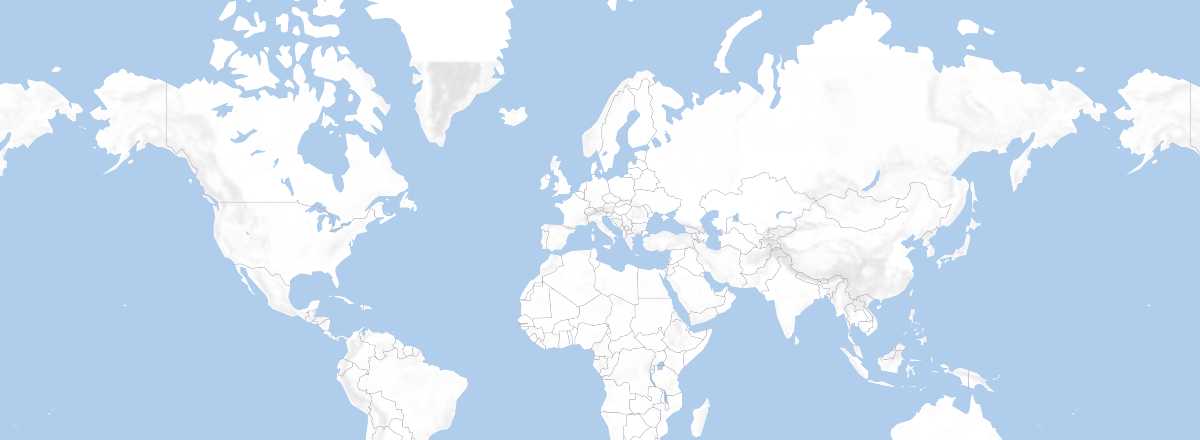 Destinations
Open the interactive map
Destinations
Open the interactive map
What is a language study trip?
A language study trip is a journey abroad with the goal of learning or improving a language while being constantly immersed—at least in principle—in the country's culture, both in classes and sometimes even in accommodation. This is why it's best to choose agencies or programs where you won't end up mainly with fellow countrymen. Note that some providers now offer themed language study trips. These combine language learning with various activities, such as equestrian, artistic, or sports themes.
Generally, these trips are aimed at a young, student audience, though there are also options for all ages or for professional purposes (especially for less common languages).
Practical Guide
Which language?
The first question to ask when considering a language study trip is which language you want to learn or improve—and for what purpose. That said, most people choose a language related to their studies (for younger participants) or stick to English or Spanish for others.
Where to go?
While you can travel to many places for a language study trip, for languages spoken in multiple countries, trips are usually only offered in certain ones.
German: Germany, Austria.
English: South Africa, Australia, Canada, United States, Great Britain, Ireland, Malta, New Zealand.
Spanish: Argentina, Bolivia, Chile, Costa Rica, Cuba, Ecuador, Spain, Guatemala, Mexico, Panama, Peru, Dominican Republic.
Portuguese: Brazil, Portugal.
Once you've chosen the country, you'll need to pick the location of your school. Most offer options in cities, the countryside, by the sea, or in the mountains—so it's best to choose the setting you prefer.
Timing and duration
Almost anything is possible. You can go on a language study trip at any time of year, as language schools are very flexible. Duration can range from one week to over a year, though the average is usually two to three weeks.
Cost
It's hard to pin down the cost of a language study trip. It depends first on the destination and duration. The school you choose (and the number of class hours) can also make a difference, as some are more reputable than others. If an exam or diploma is part of the trip, there may be an extra fee. Don't forget that many programs include accommodation with a host family or in a hotel, which also affects the price.
Of course, it also depends on whether you opt for an all-inclusive trip from home or decide to organize everything yourself, even once you're there. In short, as with travel in general, your preferences will determine the final cost...
Useful or unnecessary?
For you to expand: Some say it's a great way to learn or improve a language, while others believe traveling and engaging with locals in a country can teach you just as much.