Reims, the Argonne, and a few other places: this is a land shaped by history, particularly World War I. But Marne is also Champagne, with its cellars and vineyards, and, in another category, Der-Chantecoq, one of Europe’s largest artificial lakes.
Reims, the Argonne and a few other places: this is a land shaped by history, particularly World War I. But Marne is also Champagne, with its cellars and vineyards, and, in a different vein, the Der-Chantecoq, one of Europe’s largest artificial lakes.
Champagne Vineyards, Houses and Cellars
This guide covers 14 sites within the Champagne production area, featuring several major brands and opportunities for visits, all located in the northwest of the Marne department.
Overview
These are fourteen sites within the Champagne production area, featuring several major brands and opportunities for visits in the northwest of the Marne department.
Key Details
Type of place: scenic route.
Tourist interest:★★ (worth seeing).
Theme: wine route.
Location: 14 sites across 5 municipalities, between Reims and Épernay.
The city is known not only for its champagne cellars but also for its architecture and various buildings, particularly religious ones, which have earned it a place on the UNESCO World Heritage list for the Notre-Dame Cathedral, Saint-Remi Abbey, and the Palace of Tau.
Key Facts
Type of place: large city.
Tourist interest:★★ (worth seeing).
Location:
Distances:
Local time:Heure : 19031.
Population: 183,042 inhabitants and around 320,000 for the greater urban area (2014).
Vauclair Abbey★ The ruins of a grand 12th-century abbey near the town of Laon.
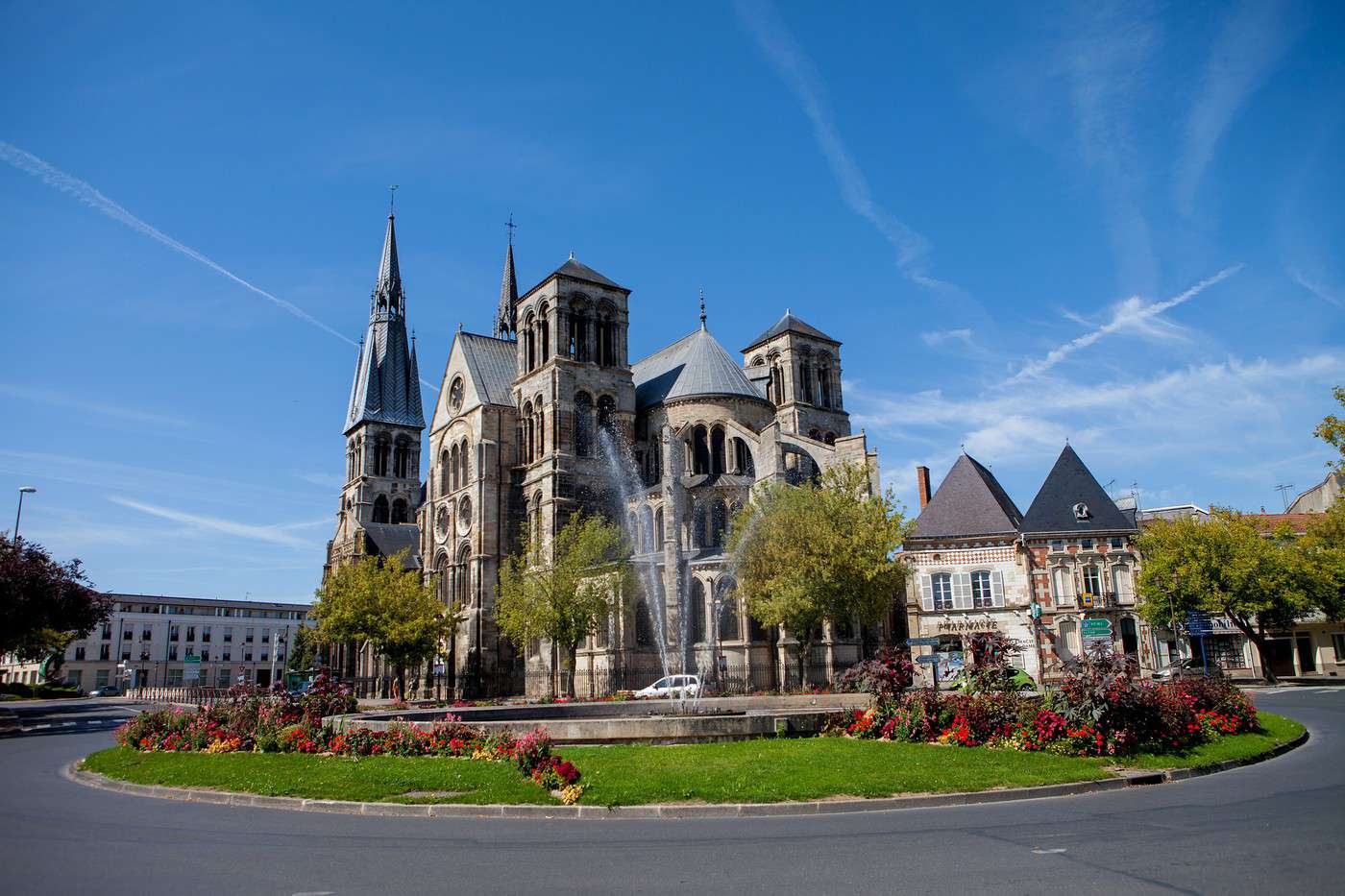
Châlons-en-Champagne★★ Formerly known as Châlons-sur-Marne, this medium-sized town is the prefecture of its department. It has a rather pretty centre with its cathedral and a few half-timbered houses.
Chemin des Dames★★ This is a small road in the Aisne region that follows the front lines of the First World War. Like elsewhere in the department, the area is home to numerous memorials, monuments, and other remembrance sites.
Champagne Vineyards, Houses and Cellars★★ This guide covers 14 sites within the Champagne production area, featuring several major brands and opportunities for visits, all located in the northwest of the Marne department.
Épernay★ The entire history of this small town is tied to champagne, to the point that it is considered its capital. Logically, Épernay is home to numerous cellars, many of them underground, that are well worth a visit.
This forest is home to various remnants of World War I, when the area was the site of the Battle of the Argonne in 1915. It is also a popular destination for "nature tourism."
Overview of the Argonne Forest
This forest, part of the Argonne region, is home to various remnants of World War I, when the area was the site of the Battle of the Argonne in 1915. It is also a popular destination for "nature tourism."
Key Details
Type of place: battlefield.
Tourist interest:★ (worth a stop if you are in the area).
Formerly known as Châlons-sur-Marne, this medium-sized town is the prefecture of its department. It has a rather pretty centre with its cathedral and a few half-timbered houses.
Overview of Châlons
Formerly known as Châlons-sur-Marne, this medium-sized town is the prefecture of its department. It has a rather pretty centre with its cathedral and a few half-timbered houses.
The entire history of this small town is tied to champagne, to the point that it is considered its capital. Logically, Épernay is home to numerous cellars, many of them underground, that are well worth a visit.
Overview of Épernay
The entire history of this small town is tied to champagne, to the point that it is considered its capital. Logically, Épernay is home to numerous cellars, many of them underground, that are well worth a visit.
Key facts
Type of place: small town.
Tourist interest: ★ (worth a stop if you are in the area).
A charming little village with old houses and narrow streets at the heart of the Champagne vineyards. It is in its church that the monk Dom Pérignon, known to champagne lovers, is buried.
Introduction to Hautvillers
This is a charming little village with old houses and narrow streets at the heart of the Champagne vineyards. It is in its church that the monk Dom Pérignon, known to champagne lovers, is buried.
Key facts
Tourist interest: ★ (worth a stop if you are in the area).
This is the commune where the famous Battle of Valmy took place in 1792. Several monuments, including the (fake) windmill, and statues commemorate the event.
Overview of Valmy
This is the commune where the famous Battle of Valmy took place in 1792. Several monuments, including the (fake) windmill, and statues commemorate the event.
Key Facts
Tourist interest: ★ (worth a stop if you are in the area).
Straddling the Marne and Haute-Marne departments, this artificial lake—one of Europe’s largest—serves as a habitat for numerous bird species. It’s also developed as a leisure base (beaches, water activities) and is the region’s second most visited site after Reims.
Overview of the lake
Straddling the Marne and Haute-Marne departments, this large artificial lake—one of Europe’s largest—serves as a habitat for numerous bird species. It’s also developed as a leisure base (beaches, water activities) and is the region’s second most visited site after Reims.
Between Épernay and Reims, this semi-natural area focuses on champagne production, which remains the park’s central theme. Hiking is also possible here.
Overview of the park
Between Épernay and Reims, this semi-natural area focuses on champagne production, which remains the park’s central theme. Hiking is also possible here.
Key points
Tourist interest:★ (worth a stop if you are in the area).