★ 4 · last edited Dec 11, 2019
Namibia's Interior
Contributionsversion #1created Dec 11, 2019Report this pageLatest contributions in this guideContributors to this guide
Location verified location
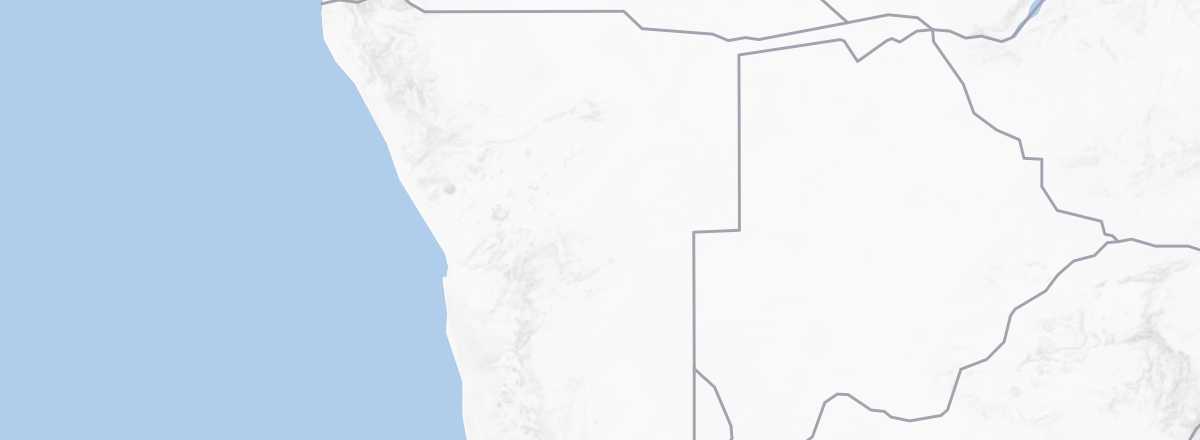 Namibia's Interior
Open the interactive map
Namibia's Interior
Open the interactive map
This vast region, centered around a high plateau exceeding 2,000 m, is home to the capital, Windhoek, and beyond it, the expansive Kalahari Desert. Sparsely populated outside the capital, it’s a land of adventure and discovery, with numerous attractions, chief among them Etosha National Park and its hundreds of species of wild African wildlife.
Overview
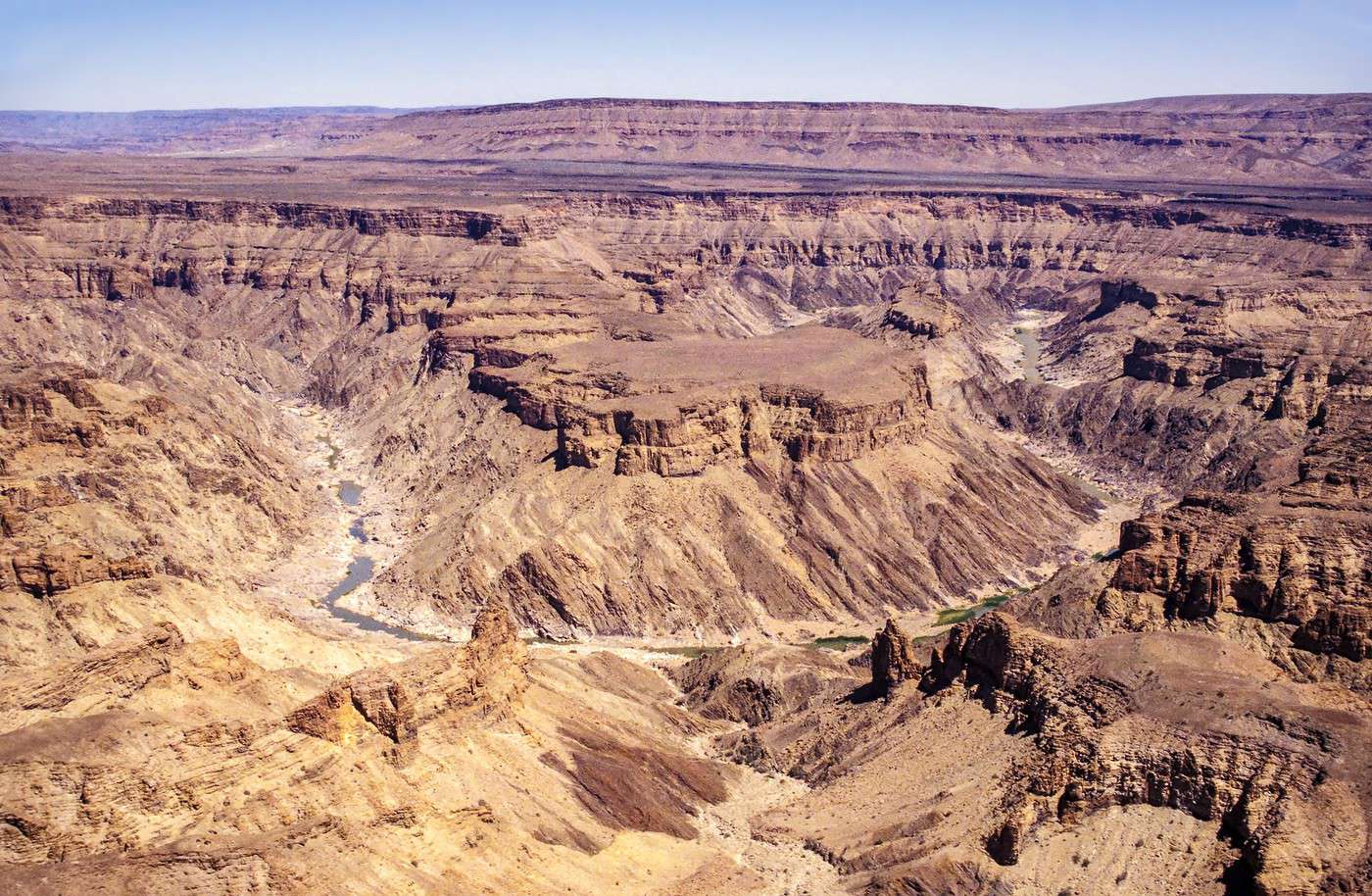
This vast region, centered around a high plateau exceeding 2,000 m, is home to the capital, Windhoek, and beyond it, the expansive Kalahari Desert. Sparsely populated outside the capital, it’s a land of adventure and discovery, with numerous attractions, chief among them the Etosha National Park and its hundreds of species of wild African wildlife.
Major Cities
Tourist Attractions
Cities and Their Heritage
Nature and Activities
Climate and Weather
The climate can be characterized by two seasons, with variations depending on the location and significant day/night temperature swings inland.
From late October to early April, during the southern summer, the country experiences its rainy season. This brings scorching heat (and cool nights) inland, while temperatures are more pleasant along the coast and in mountainous areas. The further south you go, the less pronounced the rainy season becomes. Winter, from May to early October, is the dry season. Temperatures are cooler, and nights can be cold, especially on the high plateaus.
Best Climate Period for the Interior
The best time to visit climatically is between April and September-October. This is when you can fully enjoy the interior and national parks, some of which (including Etosha) are closed at the start and end of the year.
| Jan. | Feb. | Mar. | Apr. | May | Jun. | Jul. | Aug. | Sep. | Oct. | Nov. | Dec. | |
|---|---|---|---|---|---|---|---|---|---|---|---|---|
| Interior Climate |
: very favorable | : favorable | : moderately favorable | : unfavorable.