last edited Dec 11, 2019
Other practical information for the American West
Location Map of American West
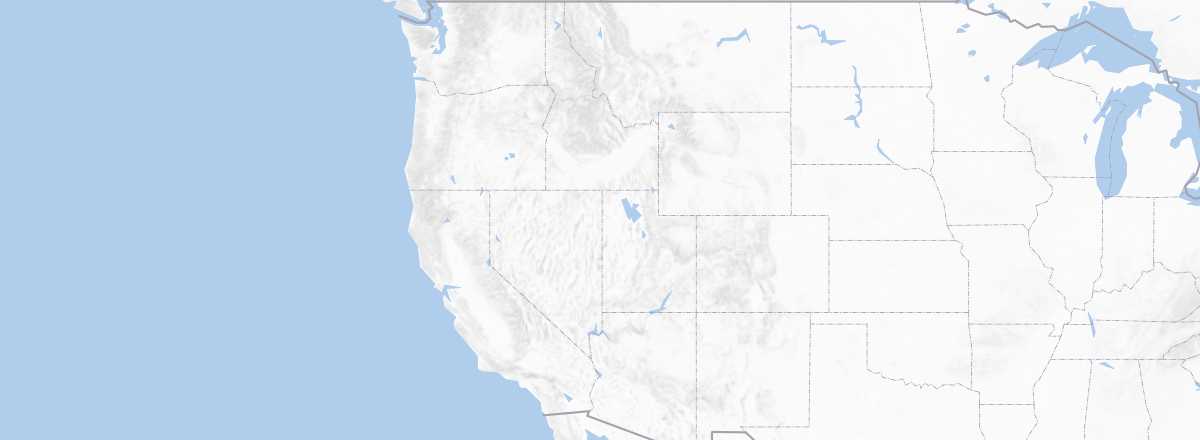 American West
Open the interactive map
American West
Open the interactive map
Luggage and equipment to bring
Budget
Precautions
Generally, a trip to the West involves more exploring parks and natural areas than extended stays in cities, even though Las Vegas is worth more than just a quick detour, for example.
So, it’s nature you’ll need to watch out for—from the scorching summer heat of desert regions to the winter cold (and not just then) in the Rockies, not to mention certain animals, especially bears in some areas, which are best avoided up close. In short, it’s wise to avoid reckless behavior, especially if traveling with family. Make sure you’re properly equipped if you plan to hike, generally think about sun protection, and always carry water. Drivers should also remember that gas stations aren’t always plentiful in some areas. Local authorities and park rangers are good sources of advice and ensure everyone’s safety.
Consulates
Time difference
The region spans two time zones:
- "Pacific Time": for Nevada and almost all of Arizona, which share the same time as neighboring California.
- "Mountain Time": applies to the rest of the American West, including the Navajo territories in Arizona.
Note that daylight saving time applies in all these states except Arizona, which is a bit unique. While the state officially stays on its standard time year-round (i.e., "Pacific Time"), the Navajo territories in Arizona do observe daylight saving time (based on "Mountain Time"). Another small detail: the dates for switching between summer and winter time usually differ by a few days between the U.S. and Europe.