last edited Dec 11, 2019
Overview of Liechtenstein
Location Map of Liechtenstein
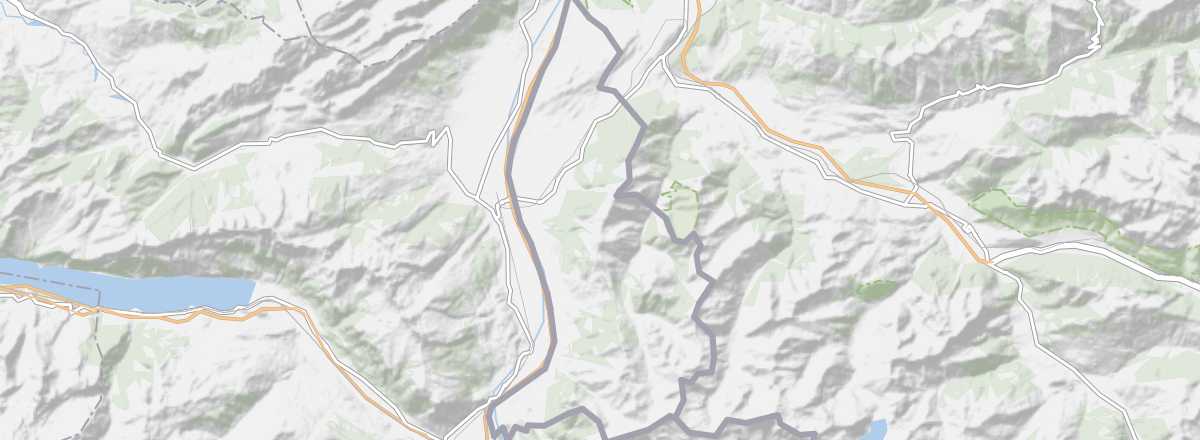 Liechtenstein
Open the interactive map
Liechtenstein
Open the interactive map
Quick Overview
This alpine country, not a member of the European Union, situated between Switzerland and Austria, is one of the wealthiest in the world thanks to a powerful financial sector linked to tax haven practices.
Key Facts
- Type of place: country.
- Location: in the Alps, between Switzerland (to the west) and Austria (to the east).
- Latitude/longitude: 47°8' N, 9°31' E.
- Local time:
- Capital: Vaduz.
- Nature of the state: principality.
- Official language: German.
- Currency: Swiss franc.
- Population: 38,547 inhabitants (2018).
- Area: 160 km².
- Density: 240 inhabitants/km².
- Highest point: Grauspitz (2,599 m).
- Lowest point: Bangserfeld (429 m).
- Coastline: 0 km; no maritime access.
- Driving: on the right.
Tourism
This microstate, like others of its kind in Europe, is better known for its financial sector than for its tourism, which attracts fewer than 100,000 visitors per year (85,000 in 2018), even though its alpine setting gives it a certain charm.
Essentials for Travel
- Destination: for beginner travelers.
- By air: the country has no airport within its borders.
- Entry requirements: ID card or passport.
- Currency to bring: euros.
- Exchange rate:
- Daily "backpacker" budget:
- Best for accommodation:
- Best for getting around:
- Risks: none in terms of health and very low in terms of security.
- Best time for climate/crowds/prices:
- Interests (out of ): Nature ; Adventure / ; Culture ; Relaxation/Holidays
Useful Addresses
Socio-Economic Statistics
- "Quality of life": 17/188 (rank in 2018)
- GDP per capita: ()
- Average monthly income: ()
- Inflation: -0.4% (2016), i.e., deflation
- "Official" unemployment: 2.4% (2015)
- Population below the poverty line: ()
- Life expectancy: 82 years (2018)
- Migration rate per 1,000 inhabitants: +5 (2017)
- Population growth: +0.78% (2018)
- Literacy rate: 100% (2019)
- Urban population: 14.3% (2015)
- Press freedom: 30/180 (rank in 2018)
- Political regime: ()
Sources: World Bank, Human Development Indicators, RSF, The Economist, The World Factbook