last edited Dec 11, 2019
Round-the-world trip: on the road
Location Map of Destinations
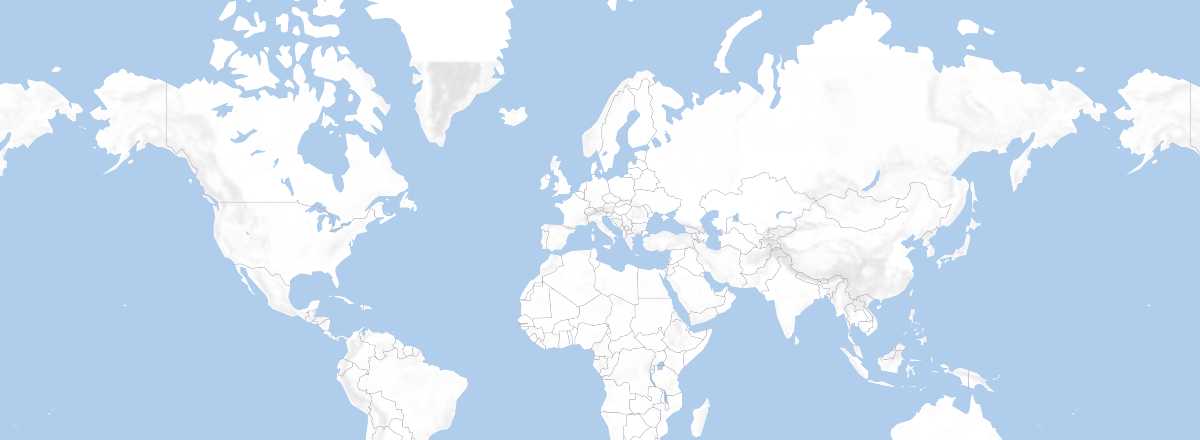 Destinations
Open the interactive map
Destinations
Open the interactive map
Psychology and travel
While the practical aspects of travel (budget management, transport, etc.) are clearly important for a successful round-the-world trip, the unique nature of such a journey also requires taking into account the "psychological component" of the participants. Several considerations should be kept in mind: pace, stress and cultural shock of the places visited, boredom and/or tension between travellers, and staying in touch with loved ones.
In short, it’s best to stay serene if you want to have a good and enjoyable trip...
The right pace
Take your time
Essential for a long-term trip, especially solo, is finding your own rhythm to avoid fatigue, health issues, or even "the blues".
First, remember you have time. So, no rushing or unnecessary stress in your schedule. Staying 2 to 5 days in the same place allows you to pace yourself during a long journey. Plus, by taking your time, you’ll appreciate and discover things and people better. And if you like a place, extend your stay. For a long trip, it’s not recommended to stay too long in a place or country where you’re not happy; a negative perception of the environment can affect the rest of your journey.
Take care of yourself
Unlike short trips where you know you can recover soon, on a long-term trip, you need to stay vigilant about your health by treating any issues quickly, maintaining your fitness by scheduling rest periods, and ensuring your material and psychological comfort by occasionally choosing a good hotel, restaurant, or a "comfortable" place (or country) where you have landmarks and feel at ease.
Organise yourself
It’s also better to do the most challenging activities (certain treks, for example) at the beginning of your trip when you’re at your peak or after a rest period. Similarly, prioritise the things that matter most to you when arriving in a place or country to avoid regrets if you have to change your plans later.
Stress, cultural shock, boredom, and tensions
A poor pace can eventually lead to stress. But being in certain places at a particular time during your trip can have the same effect.
Similarly, while novelty and the practical aspects of travel can cause problems, it’s often forgotten that boredom or tensions between travelling companions are usually the main sources of discomfort, especially on a long-term journey.
Staying in touch
One last thing that often makes a long-term trip easier: staying in touch with loved ones.
Thanks to the internet and new technologies, it’s now very simple and affordable to stay in touch with family or friends while travelling. Gone are the days of Poste Restante or hotel mail, faxes, and expensive phone calls that were hard to connect. Email, messengers with or without video, internet calls (or even mobile calls for some), and the proliferation of low-cost internet access points mean staying in touch is no longer complicated.
So take advantage of it, without feeling obliged to have daily contact just because it’s easy and cheap. And of course, share your trip with loved ones—a small blog and digital photos will always bring great joy...
Some practical questions
Several common situations—or questions—encountered by long-term travellers.
Continuation ticket
Some countries may pose problems if you don’t have proof of onward travel, whether when applying for a visa or at the border. Sometimes, if you show you have enough money and explain you’re continuing to another country, things may work out.
However, if refused, the solution is to buy a full-fare flight ticket to a nearby destination... which you ultimately won’t use (since it’s just to enter the country). If unused, it will be refunded to your bank account without penalties (one of the main features of full-fare tickets), minus a few administrative fees. The only downside is that it can take some time and tie up a sum of money. Another, often simpler, option is to buy a train or bus ticket to a neighbouring country.
Obtaining visas on the road
Just like with flight tickets, obtaining visas is a frequent question for long-term travellers. In short: "Should I get them before leaving or on the way?"
Research beforehand
Depending on your itinerary, research the requirements and possibilities for obtaining visas on the spot. Generally, visas concern Asia, the Middle East, and much of Africa. But as always, it’s best to keep things simple and get as many visas as possible before departure.
Getting them on the road
However, you’ll often only be able to plan visas for countries you’ll visit within three months (otherwise, they may expire); beyond that, you’ll need to get them on the way.
Regarding this, know that few countries have representations in every country worldwide, so inform yourself along your route about the existence of consulates for the countries you plan to visit. Note that just because two countries are neighbours doesn’t mean they have diplomatic representations (e.g., Lebanon and Israel). Therefore, if you’re only a few weeks away from entering a country, apply for its visa at the first representation you find. However, like in France, this can take time, which is why it’s useful to handle the process in a region where you plan to stay several days. This is why many travellers get their visas for the rest of Asia in Bangkok.
And as a last resort, if you’re a bit lost, try going through a local travel agency, which, for a fee, can often help. But in any case, never wait until the last minute...
Border crossings
For those setting off on a long trip, the number of borders to cross can be quite high. While in Europe and a few other countries, this often remains a simple formality, it’s far from the case everywhere else...
Sending money, theft, and loss
An obvious rule: don’t wait until the last minute to have money sent to you. A bank card is ideal for emergencies. The transfer goes directly to your account, so you won’t have to look for a local bank or agency to receive the funds. Avoid sending cash by mail (high risks) and postal money orders (not always reliable).
As a last resort, know that you can always turn to your country’s consular representations, which, after approval and a transfer from a loved one, will assist by acting as intermediaries.
Passport renewal
In case of loss, expiration, or even renewal when it’s full, French consulates abroad no longer issue passports valid for more than 6 months to French travellers. This follows a law that came into effect in 2002. Therefore, if you’re going on a long trip, plan accordingly. That said, with passports now valid for 10 years, except in cases of theft, the issue is less relevant.
Excess baggage
Over time, your bag may overflow with souvenirs and other purchases made along the way, not to mention items you no longer need. In the latter case, you can try selling them—from clothes to travel guides, everything can find a buyer. Beyond shops and markets, you can post ads in your hotels.
Another option is to send your excess baggage home, either by post (favour countries with good rates, as with mail), by sea (for volume), or occasionally by air (expensive). You can also entrust your extra belongings to a travelling companion who’s leaving or, better yet, to loved ones visiting you during the trip. Conversely, don’t rely too much on a stranger to handle your luggage at an airport (and avoid doing so yourself for security reasons).
Photos
With the rise of digital photography, the question no longer arises for many travellers. You’ll just need to connect to the internet from time to time to upload your photos or send them by email to loved ones. Not to mention the storage options offered by USB drives or memory cards.
For others, should you develop photos on the road or wait until you return? Generally, it’s best to avoid labs in many countries, which aren’t always top-quality (though some are good). Also, you’ll have to keep them with you or send them home. So, the best option is often to send the films to someone who can handle the development and give you their opinion on the results.