last edited Feb 22, 2026
Health and Safety in Cambodia
Location Map of Cambodia
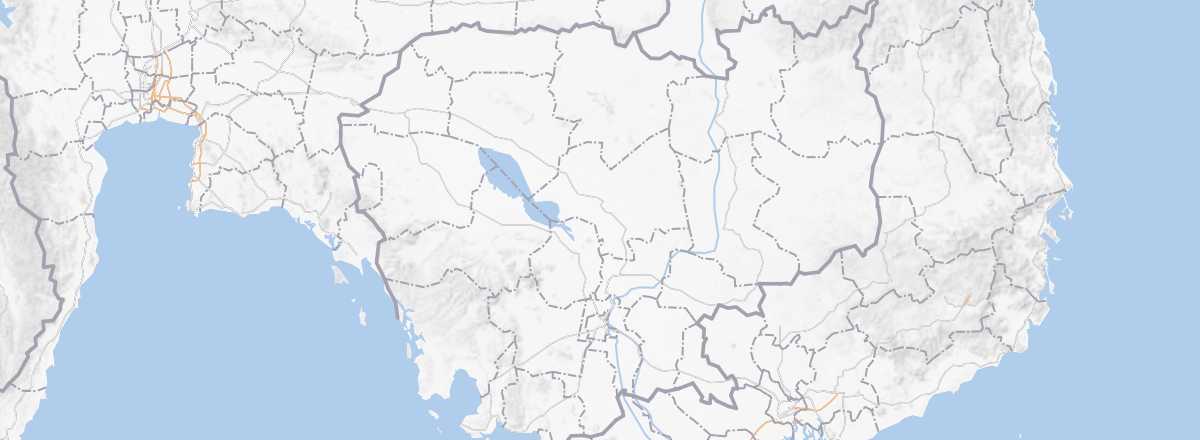 Cambodia
Open the interactive map
Official Recommendations
In France, both for individuals and professionals, the "travel advice" from the Ministry of Foreign Affairs regarding precautions for each country has legal value. A similar online travel advice system exists in several countries:
Health
Diseases
Cambodia is one of those countries where a minimum of health precautions is essential, especially if you venture outside tourist areas, though there’s no need to "panic".
As in many places, mosquitoes are the main concern. Dengue fever is quite common in Cambodia, along with some cases of Zika and chikungunya. Malaria has nearly disappeared, except in a few forested areas. Since all these diseases are mosquito-borne, it’s crucial to protect yourself with repellents and appropriate clothing, particularly in the evening.
While no vaccines are officially required to enter the country, staying up to date is still advisable. For those spending extended time in rural areas, especially off the beaten track, some authorities recommend a rabies vaccine, as the disease is endemic here.
Hygiene
As always, good personal and especially food hygiene is necessary if you’re not used to "eating local". Avoid tap water, which isn’t safe to drink, and dishes or foods that don’t seem fresh—particularly in markets or street food settings. This will at least help you avoid *turista*, the well-known traveler’s diarrhea that sometimes strikes.
Healthcare Facilities on Site
Outside Phnom Penh and Siem Reap-Angkor, which have good international-standard facilities (private ones come with high costs, while the capital also has decent public options), healthcare infrastructure elsewhere is generally quite basic. Hospitals and clinics often lack staff, equipment, and sometimes even medications, especially during conflicts with neighboring Thailand. This makes having good travel insurance highly recommended for Cambodia.
Safety
Crime and Delinquency
Crime isn’t rampant in the country, and for tourists, it’s mostly concentrated in the capital and Siem Reap, with risks of snatch thefts. As always, a little daily vigilance and common sense will help avoid most problems.
Sociopolitical Risks
While internal tensions in Cambodia rarely affect visitors, the situation is different regarding relations between Cambodia and Thailand. The two countries frequently clash over a decades-old border dispute, leading to exchanges of gunfire and population displacements on both sides. It’s crucial to avoid the entire border zone during these times and to stay informed about the current situation if traveling in western Cambodia.
Climate, Nature, and Animals
The monsoon is the biggest natural hazard in Cambodia. Floods, rising waters, and landslides can cause road closures, significantly impacting travel. The highest risks are generally between June and November.
As for animals, while snakes and scorpions may be encountered on hikes, and monkeys can sometimes be aggressive at certain sites, stray dogs—carriers of rabies—are the main concern, particularly in rural areas.
Foreign Consulates on Site
If you encounter problems while traveling abroad, your country’s consular services can assist you. Note that if you’re an EU citizen and your country isn’t represented, you can contact any other EU member state’s consulate.
France
- Consulate General: 1 boulevard Monivong, BP 18, Phnom Penh.