last edited Feb 21, 2026
Health and Safety in Laos
Location Map of Laos
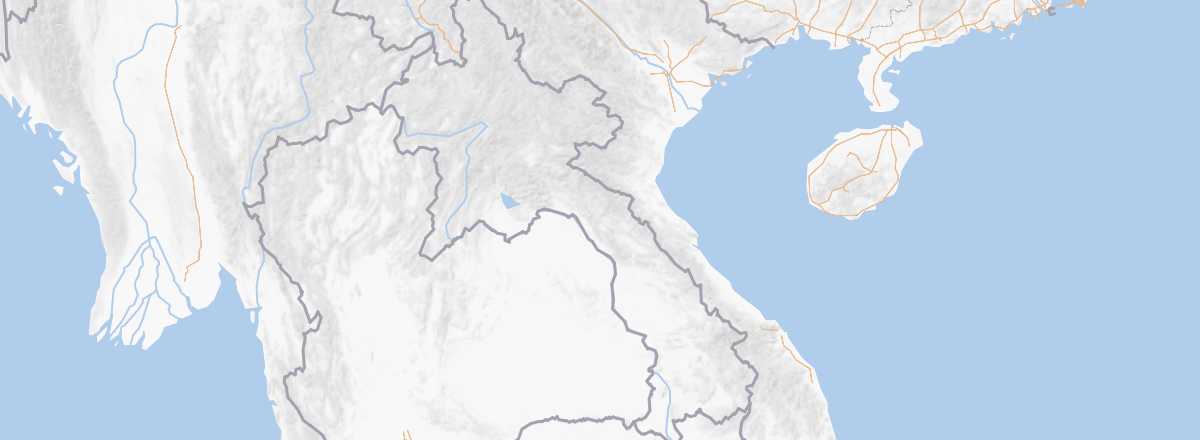 Laos
Open the interactive map
Official Recommendations
In France, both for individuals and professionals, the "travel advice" from the Ministry of Foreign Affairs regarding precautions for each country has legal value. A similar online travel advice system exists in several countries:
Health
Diseases
Laos is one of those countries where a minimum of health precautions is necessary. As in many places, mosquitoes are the primary concern. Dengue fever is quite common in Laos, as are Zika, chikungunya, and in rural areas, Japanese encephalitis and malaria, for which preventive treatment may be considered. Since all these diseases are transmitted by mosquito bites, it is essential to protect yourself with repellents and appropriate clothing, especially in the evening.
While no vaccinations are officially required to enter the country, staying up to date is still advisable. That said, for those staying in rural areas for extended periods, especially off the beaten track, vaccines against rabies (which is endemic here) and Japanese encephalitis are sometimes recommended by certain authorities.
Hygiene
As always, good personal and especially food hygiene is necessary if you are not used to "eating local." Avoid tap water, which is not potable, and dishes or foods that do not appear fresh, particularly in markets or street food settings. This will at least help you avoid traveler’s diarrhea, the well-known ailment that sometimes affects travelers.
Additionally, avoid swimming in stagnant waters of the Mekong, especially in the 4,000 Islands region near Cambodia, where there is a risk of schistosomiasis, transmitted by parasites.
Healthcare Facilities on Site
Laos is one of the least well-equipped countries in Southeast Asia in terms of hospital infrastructure, to the extent that for serious issues, evacuation to Thailand is often recommended.
Apart from a few private "quality" facilities in the capital Vientiane, in other cities like Luang Prabang, Pakse, or Vang Vieng, equipment and services are limited at all levels. In rural areas, you can at best hope to find a few clinics that only handle basic care and issues. In short, good travel insurance is recommended for visiting Laos.
Safety
Crime and Delinquency
Traditionally, crime is low in Laos, though in the most touristy areas, there are occasional snatch thefts. However, with a bit of vigilance and common sense, the risks remain very minimal.
Sociopolitical Risks
Sociopolitical tensions are also rare. Just the border zone (closed) with Myanmar is best avoided due to criminal risks and other trafficking. Additionally, in some rural areas, particularly near the Vietnamese border, there are still landmines and other unexploded ordnance from the Vietnam War.
Climate, Nature, and Animals
Beyond the fact that the country is in a seismic zone, the monsoon poses the biggest natural challenges in Laos. Floods, rising waters, and landslides can cause road closures, significantly impacting travel. Overall, the risks are highest in August and September, even when trekking.
As for animals, more than snakes or scorpions encountered while hiking, it is stray dogs (and sometimes cats) carrying rabies that require the most caution, especially in rural areas.
Foreign Consulates on Site
If you encounter problems while traveling abroad, your country’s consular services can assist you. It’s also worth noting that if you are a citizen of the European Union and your country is not represented, you can contact any other EU member state’s representation.
France
- Consulate General: Rue Setthathirath BP 06, Vientiane.