last edited Mar 8, 2026
Health and Safety in Nepal
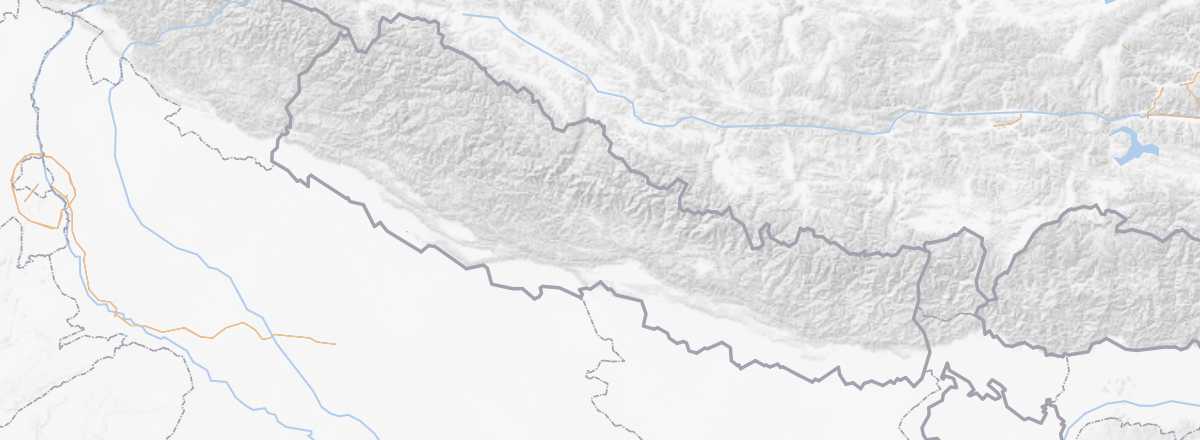
Location Map of Nepal
 Nepal
Open the interactive map
Official Recommendations
In France, both for individuals and professionals, the "travel advice" from the Ministry of Foreign Affairs regarding precautions for each country has legal value. A similar online travel advice system exists in several countries:
Health
Diseases
While not enormous, some disease risks exist in Nepal, particularly when staying in the lower parts of the country, such as in the south with the Terai region. There, mosquitoes are the primary concern, so plan for repellents and appropriate clothing, especially in the evening. Below 1,500–2,000 meters in altitude, malaria is potentially present, as well as dengue, chikungunya, or Zika. All these diseases are transmitted through mosquito bites.
Otherwise, although no vaccines are officially required to enter the country, staying up to date is still preferable. That said, for those staying in rural areas for an extended period, especially off the beaten path, vaccines against rabies (which is prevalent) and Japanese encephalitis are sometimes recommended by certain authorities.
Hygiene
As often, good personal and especially food hygiene is necessary if you are not used to "eating local." So, avoid tap water, which is not potable, and dishes or foods that do not guarantee freshness, especially in markets. This is to at least avoid traveler’s diarrhea, the well-known ailment that sometimes affects travelers.
Healthcare Facilities on Site
Nepal is one of those countries where most quality healthcare facilities are concentrated in the capital. In Kathmandu, you will find public services and especially private clinics (with their costs) capable of providing good care in almost all areas, including mountain medicine and support for trekkers. Elsewhere, however, conditions are very uncertain, and facilities are basic, though many significant villages have at least a dispensary run by nurses providing basic care.
Additionally, since Nepal is the country of high-altitude treks and mountaineering, temporary clinics are set up in certain locations during the season (spring/autumn) to treat altitude sickness, among other things. That said, more than anywhere else, if you are planning a trek, good travel insurance is essential. Especially when you consider that a medical evacuation in high mountains can cost thousands of dollars...
Safety
Crime and Delinquency
"Classic" delinquency is relatively low in Nepal. With a minimum of vigilance, or if you don’t take unnecessary risks, the dangers remain very minimal, including in the tourist district of Thamel in Kathmandu. On the other hand, despite the country’s image, both drug trafficking and consumption are severely repressed by Nepalese authorities.
Sociopolitical Risks and Terrorism
Sociopolitical tensions, whatever their reasons, are fairly recurrent in Nepal, especially during election periods. This can lead to protests and strikes that sometimes escalate or at least disrupt the country’s functioning. It’s good to be aware of this and stay informed about the situation, primarily in and around the capital, where tensions generally concentrate.
Climate, Nature, Animals
Altitude Sickness
In a way, far more than health risks or even safety concerns, altitude sickness remains the main discomfort travelers may encounter during a trip to Nepal, especially in its Himalayan region.
Headaches, insomnia, nausea, loss of appetite, and breathing difficulties are symptoms that appear around 2,500–3,000 meters in altitude but, for most people in good health, will disappear or lessen with acclimatization, by not ascending too quickly or beyond a certain altitude (4,000 meters and above). In short, it will always be essential to adjust your pace and moderate your efforts when in the mountainous parts of Nepal, particularly during treks.
Other Issues
Beyond altitude problems, Nepal is subject to many other natural risks. Among them: relatively frequent earthquakes, sometimes highly destructive as recent events have shown; floods and landslides caused by the monsoon, which can make travel difficult between June and September; avalanches and extreme cold in high mountains; forest fires in certain areas in spring; and even pollution that can be bothersome in Kathmandu. Quite a few things, then.
Animals
As in many places, stray dogs—sometimes aggressive and carrying diseases—are the primary concern.
Foreign Consulates on Site
If you encounter problems during a trip abroad, your country’s consular services can assist you. It’s also worth knowing that if you are a citizen of the European Union and your country is not represented, you can contact any other representation of an EU member state.
France
- Consulate General: Lazimpat, PO Box 452 Kathmandu.