last edited Feb 23, 2026
Health and Safety in Vietnam
Location Map of Vietnam
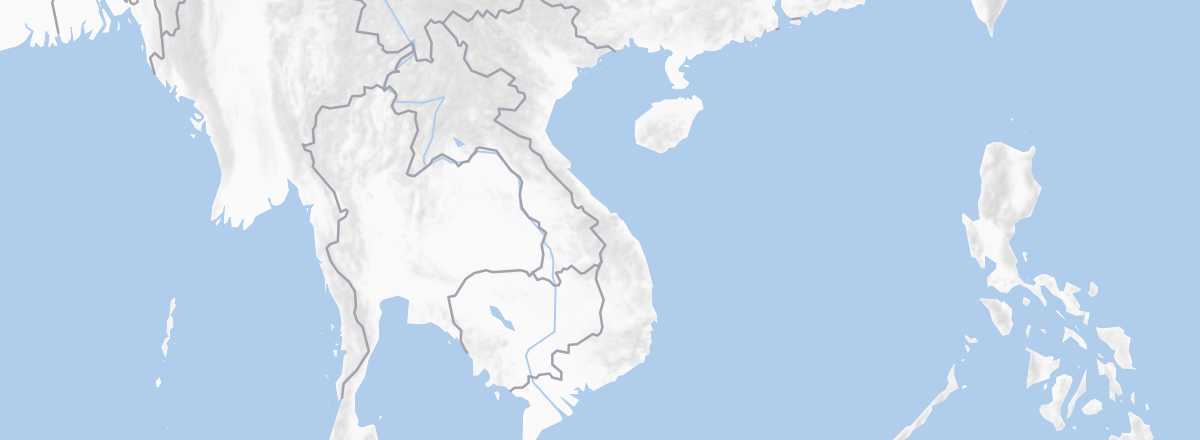 Vietnam
Open the interactive map
Official Recommendations
In France, both for individuals and professionals, the "travel advice" from the Ministry of Foreign Affairs regarding precautions for each country has legal value. A similar online travel advice system exists in several countries:
Health
Diseases
Vietnam is one of those countries where a minimum of health precautions is necessary, especially if you venture outside the most touristy areas. That said, there’s no need to "panic".
Mosquitoes are the main concern. Dengue fever is quite common in Vietnam, including in cities, and occasionally Zika and chikungunya may also occur. In rural areas, Japanese encephalitis is a risk. As for malaria, it has been almost eradicated in the country. Since all these diseases are transmitted by mosquito bites, it’s essential to protect yourself with repellents and appropriate clothing, especially in the evening.
While no vaccinations are officially required to enter the country, it’s best to be up to date. However, for those staying in rural areas for extended periods, especially off the beaten track, some authorities recommend vaccinations against rabies (which is endemic here) and Japanese encephalitis.
Hygiene
As always, good personal and especially food hygiene is necessary if you’re not used to "eating local". Avoid tap water, which isn’t potable, and dishes or foods that don’t seem fresh, particularly in markets or street food settings. This will at least help you avoid *turista*—the well-known traveler’s diarrhea that sometimes catches visitors off guard.
Healthcare Facilities on Site
As almost everywhere, there’s a significant difference between what cities and rural areas offer in terms of hospitals and healthcare infrastructure. In Hanoi, Ho Chi Minh City, or Da Nang, standards meet international criteria, especially in the private sector. Elsewhere, however, facilities are limited, and serious issues may pose challenges. Additionally, like in many places, private healthcare comes at a cost for patients. That’s why good travel insurance is recommended here.
Safety
Crime and Delinquency
Crime levels remain relatively low in Vietnam, though tourists may face some risks of snatch thefts in cities or busy areas. As always, stay vigilant with your belongings and when withdrawing money.
Another scam that has emerged involves online accommodation bookings—even through major platforms—where listings may turn out to be nonexistent despite the ads.
Sociopolitical Risks
Unlike some other countries in the region, Vietnam is a place where sociopolitical tensions and potential conflicts are no longer a concern. However, all border areas with neighboring countries are considered "sensitive" by authorities.
Climate, Nature, and Animals
The monsoon is the biggest natural hazard in Vietnam, causing floods, rising waters, and landslides that can disrupt roads or railways, affecting travel. While the timing varies by region (north, center, south), the highest risks are generally between May and the end of the year. Additionally, the central part of the country occasionally faces typhoons or severe tropical storms, particularly in autumn.
As for animals, while snakes or scorpions may be encountered on hikes, and monkeys can be aggressive at some sites, the main concern is stray dogs (and sometimes cats) carrying rabies, especially in rural areas.
Foreign Consulates on Site
If you encounter problems while traveling abroad, your country’s consular services can assist you. It’s also worth noting that if you’re an EU citizen and your country isn’t represented, you can contact any other EU member state’s consulate.
France
- Consulate General: 57 Tran Hung Dao, Hanoi. There is also another consulate in Ho Chi Minh City.