last edited Mar 18, 2026
Health and Safety in China
Location Map of China
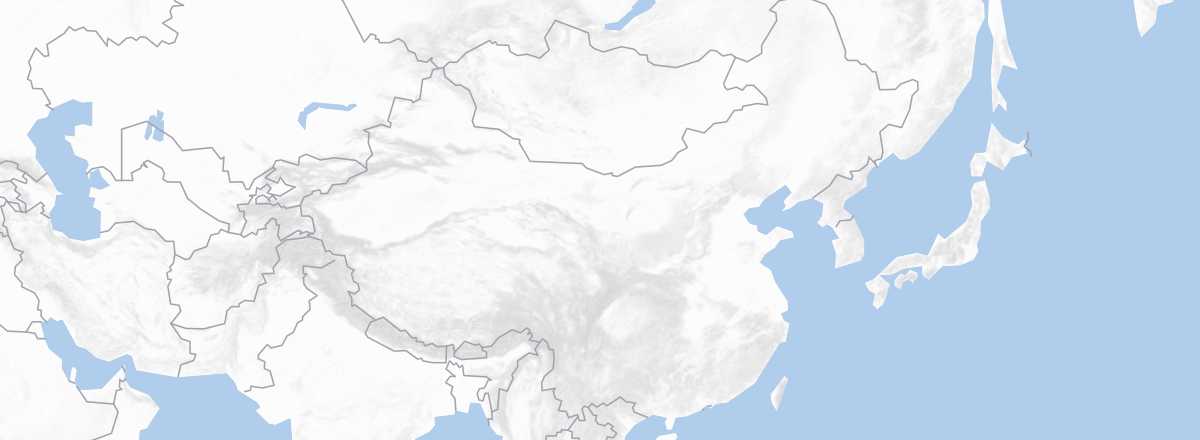 China
Open the interactive map
Official Recommendations
In France, both for individuals and professionals, the "travel advice" from the Ministry of Foreign Affairs regarding precautions for each country has legal value. A similar online travel advice system exists in several countries:
Health
Diseases
Even though China’s "health image" is now associated with Covid, the country remains a destination where health risks are quite minimal, especially given its size and diversity, including the marked differences between cities and rural areas.
This means that with a few basic precautions, the risk of catching something remains low, though dengue fever transmitted by mosquitoes is present in the south, as are Japanese encephalitis and avian flu in rural areas, and rabies carried by stray dogs almost everywhere. If anything, some travelers may need to watch out more for pollution and air quality in certain large cities.
While no vaccines are officially required to enter the country—except for yellow fever if arriving directly from an infected area—keeping up to date with vaccinations is advisable.
Hygiene
As in many countries, good personal and food hygiene is essential if you’re not used to "eating local." Avoid tap water, which isn’t potable, and dishes or foods that don’t seem fresh, especially in markets or street food settings. This helps prevent traveler’s diarrhea, the well-known ailment that sometimes affects travelers.
Healthcare Facilities On-Site
Like the country itself, China’s healthcare system reflects a stark contrast between cities and rural areas or remote provinces. On one hand, major cities have cutting-edge facilities and technologies, often provided by private institutions, while elsewhere access to care can be challenging or limited to basics. Even so, telemedicine and AI tools are beginning to appear in some places.
For visitors, it’s clearly best to seek treatment in large cities, though if using private healthcare, having good travel insurance is recommended to cover costs.
Safety
Crime and Delinquency
China remains one of the safest countries in the world regarding street crime and offenses, with rates well below those of most Western nations. However, authorities take security seriously, not to mention the high level of surveillance in the country. So, while a basic level of vigilance is always wise, visitors have little to fear in this regard.
Sociopolitical Risks
Unlike crime, ethnic tensions and sociopolitical conflicts are very much present in China, as news reports sometimes remind us. Tibet, Xinjiang, and Hong Kong are places where these tensions manifest, often met with harsh repression from authorities. This is why some regions are heavily regulated (Tibet and Xinjiang in particular) or closely monitored, like Hong Kong, though access remains open.
While tourists aren’t typically targeted, it’s best to stay informed and avoid areas where tensions may escalate. That said, even as a visitor, be aware that national security laws apply to everyone, especially if authorities deem you overly curious or too interested in certain issues, including the situation in Taiwan.
Climate, Nature, and Animals
Given the country’s vast size, natural threats vary widely and are localized. Depending on the area, risks include earthquakes (Sichuan, Yunnan, Tibet, or the Beijing region), typhoons and tropical storms between May and November along the southern coast from Shanghai, as well as potential flooding and landslides almost anywhere. Extreme weather phenomena also pose risks, such as scorching heat, sandstorms from the Gobi Desert in the north, or harsh winter cold in the Himalayas and Inner Mongolia.
As for animals, aside from stray dogs that may carry diseases, the risk of dangerous encounters is very low.
French Consulates On-Site
If you encounter problems while traveling abroad, your country’s consular services can assist you. Also, if you’re an EU citizen and your country isn’t represented, you can turn to any other EU member state’s representation.
- Consulate General: 60 Tianze Lu, Chaoyang District, 100600 Beijing. Tel.: +852 30 57 90 00.
In addition to its presence in Beijing, France has six consulates in the country, including in Hong Kong and Shanghai.