last edited Mar 4, 2026
Health and Safety in Indonesia
Location Map of Indonesia
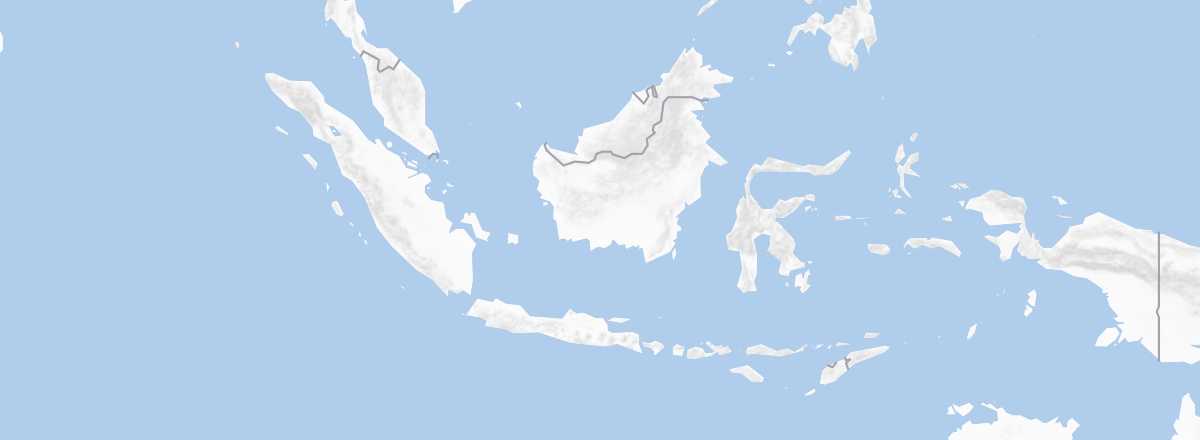 Indonesia
Open the interactive map
Official Recommendations
In France, both for individuals and professionals, the "travel advice" from the Ministry of Foreign Affairs regarding precautions for each country has legal value. A similar online travel advice system exists in several countries:
Health
Diseases
Indonesia's health situation is not poor, but it does vary significantly across the regions that make up this vast country, especially if you venture off the beaten track or explore areas like Papua or Borneo.
Overall, mosquito-borne diseases are generally the biggest concern. These include dengue, chikungunya, Zika, Japanese encephalitis in rural areas, and malaria, which is present in various parts of the country (but not in Bali or Java), particularly during the rainy season. Since all these diseases come from mosquito bites, it is essential to protect yourself with repellents and appropriate clothing, especially in the evening, and to sleep under an (impregnated) mosquito net or in air-conditioned places.
While no vaccinations are officially required to enter the country, keeping up to date with them is advisable. That said, for those staying in rural areas for extended periods, especially off the beaten track, vaccines against rabies (which is endemic here) or Japanese encephalitis are sometimes recommended by certain authorities.
Hygiene
As in many places, good personal and especially food hygiene is necessary. Avoid tap water, which is not potable, as well as ice cubes and dishes or foods that do not appear fresh, particularly in markets. This will at least help you avoid *turista*, the well-known traveler’s diarrhea that sometimes affects visitors.
Healthcare Facilities on Site
Perhaps more than elsewhere in Southeast Asia, Indonesia has a two-tier healthcare system. Jakarta, a few major cities, and especially tourist areas benefit from a very high standard, primarily through private (and very expensive) facilities, while the rest of the country is far less well-equipped or even lacking. In some cases, for serious conditions, evacuations to Jakarta or Bali may be necessary. This makes having good travel insurance highly recommended.
Safety
Crime and Delinquency
The overall security situation in Indonesia is fairly satisfactory. However, in recent years, there has been an increase in petty crime in tourist areas, particularly in Bali, with a significant rise in offenses. That said, with a bit of attention and common sense, the risks remain low.
Sociopolitical Risks and Terrorism
Given the size of the archipelago, its history, and local specificities, Indonesia regularly experiences tensions and violent conflicts, ranging from Islamist terrorism to inter-ethnic issues, such as in Papua where this is quite recurrent. So, without being "paranoid," it is wise to stay vigilant, especially during protests, and to keep informed about the current situation in the areas you plan to visit, particularly if traveling far from major tourist zones.
Climate, Nature, and Animals
Beyond the ever-present risk of tsunamis in the region, as well as the possibility of flooding during the rainy season, particularly in Java, much of Indonesia is a seismic zone with several active volcanoes. Additionally, basic precautions should not be forgotten when trekking or traveling in remote areas.
French Consulates on Site
If you encounter problems while traveling abroad, your country’s consular services can assist you. It’s also worth noting that if you are a citizen of the European Union and your country is not represented, you can contact any other EU member state’s representation.
- Consulate General: L M.H Thamrin No. 20, Jakarta Pusat, 10350 Jakarta