★ 4 · last edited May 1, 2020
Sarlat
Contributionsversion #3created May 1, 2020Report this pageLatest contributions in this guideContributors to this guide
Location verified location
 Sarlat
Open the interactive map
Sarlat
Open the interactive map
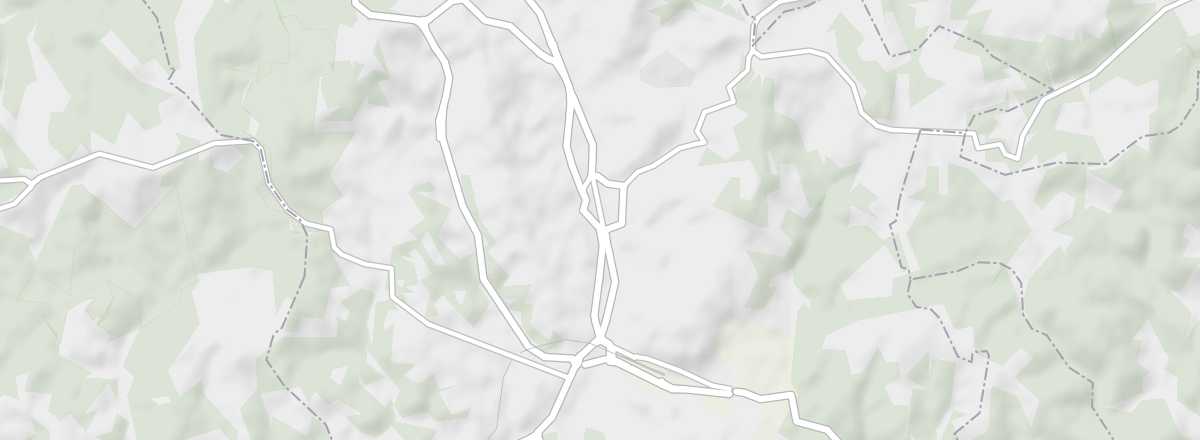
With its exceptionally well-preserved medieval architecture, this beautiful small town in the Périgord Noir, officially called Sarlat-la-Canéda, is one of the most visited in southwestern France.
Overview of Sarlat
With its exceptionally well-preserved medieval architecture, this beautiful small town in the Périgord Noir, officially called Sarlat-la-Canéda, is one of the most visited in southwestern France.
Key Facts
- Type de lieu: small town.
- Intérêt touristique: (must-see or highly recommended).
- Localisation:
- Distances:
- Heure locale: .
- Population: 8,869 inhabitants (2017).
- Superficie: 47.13 km².
- Altitude: from 102 to 319 m.
- Site internet: http://www.sarlat-tourisme.com
History of Sarlat
What to See in Sarlat
Saint-Sacerdos Cathedral
Built from the 12th century onward, this primarily Gothic-style structure lies at the heart of the historic center. Nearby, you can see the Garden of the Enfeus (a former cemetery) and the "Lantern of the Dead," which once served as a funeral chapel.
Built from the 12th century onward, this primarily Gothic-style structure lies at the heart of the historic center. Nearby, you can see the Garden of the Enfeus (a former cemetery) and the "Lantern of the Dead," which once served as a funeral chapel.
Église Sainte-Marie
This 14th-century Gothic church was converted into a covered market in 2001 by architect Jean Nouvel. A panoramic elevator built into the 27-metre bell tower also offers a lovely view of the town.
This 14th-century Gothic church was converted into a covered market in 2001 by architect Jean Nouvel. A panoramic elevator built into the 27-metre bell tower also offers a lovely view of the town.
Gorodka
This is an artistic space created in 1970 on the outskirts of Sarlat. It is dedicated to "outsider art" and features nature trails, galleries, workshops, and exhibitions of various works.
This is an artistic space created in 1970 on the outskirts of Sarlat. It is dedicated to "outsider art" and features nature trails, galleries, workshops, and exhibitions of various works.
La Boétie House
The façade of the birthplace (1530) of the famous writer Étienne de La Boétie is one of the most beautiful and best-known in the town of Sarlat.
The façade of the birthplace (1530) of the famous writer Étienne de La Boétie is one of the most beautiful and best-known in the town of Sarlat.
Gisson Manor
This historic townhouse in the old centre, facing the large covered market, has in recent years become a museum dedicated to "the bourgeoisie of Sarlat in the 17th century". In addition to period apartments, visitors can also explore a Cabinet of Curiosities, just like those seen in the homes of certain notables at the end of the Renaissance.
This historic townhouse in the old centre, facing the large covered market, has in recent years become a museum dedicated to "the bourgeoisie of Sarlat in the 17th century". In addition to period apartments, visitors can also explore a Cabinet of Curiosities, just like those seen in the homes of certain notables at the end of the Renaissance.
Place de la Liberté
This is the central square of the town, featuring cafés, the town hall, and Sainte-Marie Church, which was converted into a covered market in 2001 by Jean Nouvel.
This is the central square of the town, featuring cafés, the town hall, and Sainte-Marie Church, which was converted into a covered market in 2001 by Jean Nouvel.
Old Town of Sarlat
Absolutely unique with its medieval architecture, the historic centre attracts over a million visitors each year. Among the most remarkable features: La Boétie's house, several grand townhouses (including the Hôtel de Plamon), the Présidial house, the town hall, and various religious buildings (the cathedral, the Récollets monastery, etc.).
Absolutely unique with its medieval architecture, the historic centre attracts over a million visitors each year. Among the most remarkable features: La Boétie's house, several grand townhouses (including the Hôtel de Plamon), the Présidial house, the town hall, and various religious buildings (the cathedral, the Récollets monastery, etc.).
What to Do in Sarlat
Climate and Weather in Sarlat
Transportation
Getting There
Getting Around
Accommodation
Dining
Useful Addresses
Nearby
The area around Sarlat (within 50 km) is packed with interesting sites and places. Among them:
Beynac-et-Cazenac
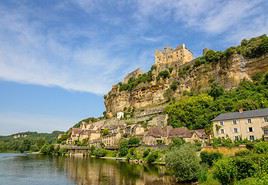
Often simply called Beynac, this commune is one of the most famous villages in the department, labeled "Most Beautiful Villages of France," with its 12th-century hilltop castle and old houses lining narrow streets overlooking the Dordogne.
Often simply called Beynac, this commune is one of the most famous villages in the department, labeled "Most Beautiful Villages of France," with its 12th-century hilltop castle and old houses lining narrow streets overlooking the Dordogne.
Castelnaud-la-Chapelle
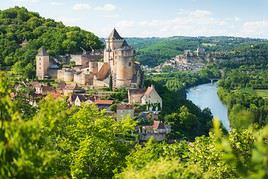
This "Most Beautiful Village of France" features several castles, including the imposing hilltop fortress of Castelnaud, which also houses the Museum of Medieval Warfare. Also notable is the Château des Milandes, once owned by Joséphine Baker and now a museum dedicated to her.
This "Most Beautiful Village of France" features several castles, including the imposing hilltop fortress of Castelnaud, which also houses the Museum of Medieval Warfare. Also notable is the Château des Milandes, once owned by Joséphine Baker and now a museum dedicated to her.
Domme
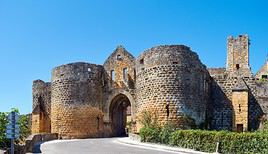
This medieval bastide town, part of the "Most Beautiful Villages of France," overlooks the Dordogne Valley from the top of the cliff on which it was built.
This medieval bastide town, part of the "Most Beautiful Villages of France," overlooks the Dordogne Valley from the top of the cliff on which it was built.
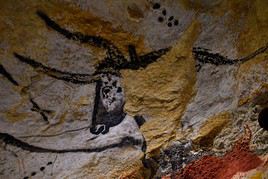
Lascaux Cave
The famous Lascaux Caves, arguably the most renowned prehistoric caves in the world, are located in the village of Montignac. Of course, it is not the original caves that are visited but their replicas.
The famous Lascaux Caves, arguably the most renowned prehistoric caves in the world, are located in the village of Montignac. Of course, it is not the original caves that are visited but their replicas.
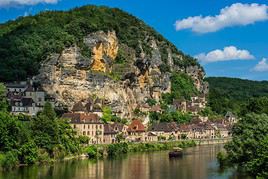
La Roque-Gageac
La Roque-Gageac is a major tourist destination with its village and castle overlooking the Dordogne River. The site is built into the cliffs, where a troglodyte fort was carved out in the 13th century.
La Roque-Gageac is a major tourist destination with its village and castle overlooking the Dordogne River. The site is built into the cliffs, where a troglodyte fort was carved out in the 13th century.
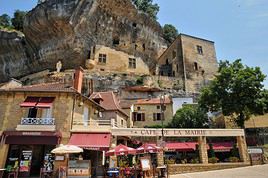
Les Eyzies
This commune, where Cro-Magnon was discovered, is home to numerous caves—some richly decorated (Font de Gaume, Combarelles) and others UNESCO-listed—as well as the National Prehistory Museum, making it a global hub for this era. Also worth seeing is the stunning Château de Commarque.
This commune, where Cro-Magnon was discovered, is home to numerous caves—some richly decorated (Font de Gaume, Combarelles) and others UNESCO-listed—as well as the National Prehistory Museum, making it a global hub for this era. Also worth seeing is the stunning Château de Commarque.
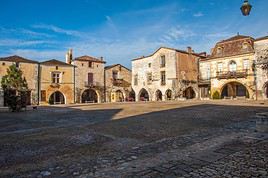
Monpazier
A stunning bastide, particularly known for its magnificent square. It is one of the many localities in southwestern France labeled "plus beaux villages de France" (most beautiful villages of France).
A stunning bastide, particularly known for its magnificent square. It is one of the many localities in southwestern France labeled "plus beaux villages de France" (most beautiful villages of France).
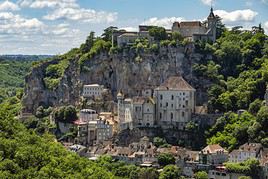
Rocamadour
Indirectly listed as a UNESCO World Heritage site as part of the Way of Saint James, this ancient cliffside village with its religious buildings is one of France’s most visited sites. Several prehistoric caves and hiking opportunities in the surrounding area.
Indirectly listed as a UNESCO World Heritage site as part of the Way of Saint James, this ancient cliffside village with its religious buildings is one of France’s most visited sites. Several prehistoric caves and hiking opportunities in the surrounding area.
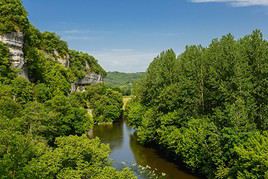
Vézère Valley
In the Périgord Noir, this valley is known for its UNESCO-listed prehistoric sites and decorated caves. The Vézère (river) is also a top spot for canoeing.
In the Périgord Noir, this valley is known for its UNESCO-listed prehistoric sites and decorated caves. The Vézère (river) is also a top spot for canoeing.
Further Reading
Must-see & highly recommended
Old Town of Sarlat
★★★★ Absolutely unique with its medieval architecture, the historic centre attracts over a million visitors each year. Among the most remarkable…
Worth a look / Other
Saint-Sacerdos Cathedral
★★ Built from the 12th century onward, this primarily Gothic-style structure lies at the heart of the historic center. Nearby, you can see the…
Sainte-Marie Church (Sarlat)
★★ This 14th-century Gothic church was converted into a covered market in 2001 by architect Jean Nouvel. A panoramic elevator built into the…
La Boétie House
★★ The façade of the birthplace (1530) of the famous writer Étienne de La Boétie is one of the most beautiful and best-known in the town of…
Gisson Manor
★★ This historic townhouse in the old centre, facing the large covered market, has in recent years become a museum dedicated to "the…
Liberty Square (Sarlat)
★★ This is the central square of the town, featuring cafés, the town hall, and Sainte-Marie Church, which was converted into a covered market…
Gorodka
★ This is an artistic space created in 1970 on the outskirts of Sarlat. It is dedicated to "outsider art" and features nature trails…