last edited Dec 11, 2019
Health Situation by World Region
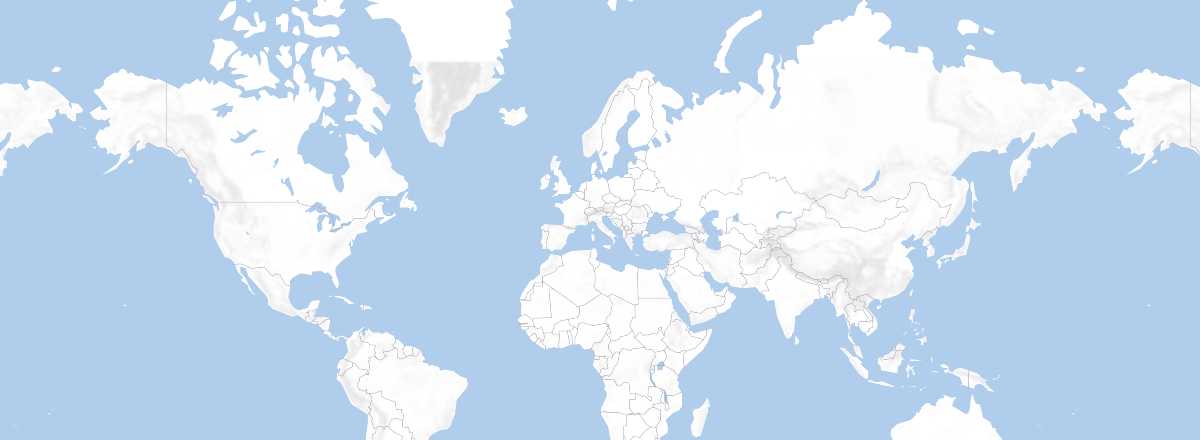
Location Map of Destinations
 Destinations
Open the interactive map
Africa
North Africa
Diseases
The risk of contracting a disease in North Africa is low (though keeping vaccinations up to date is still advised). Overall, it’s mostly "traveler’s diarrhea" (diarrhea) that travelers need to watch out for.
Hygiene
Good personal and especially food hygiene is essential. Avoid tap water and dishes or foods that don’t appear completely fresh—if only to prevent traveler’s diarrhea. Also, remember to stay well-hydrated and protect yourself from the sun in the hottest regions/periods.
Sub-Saharan Africa
Diseases
Beyond the 2014 Ebola epidemic in Sierra Leone, Liberia, and Guinea, sub-Saharan Africa presents risks like malaria, dengue, schistosomiasis, rabies, meningitis, yellow fever, typhoid, cholera, STIs, and traveler’s diarrhea. While conditions vary by location, it’s especially important to check the current situation of your destination and prepare accordingly with prevention and vaccinations.
Hygiene
Strict personal and food hygiene is essential, along with good hydration and sun protection in the hottest regions/periods.
Southern Africa
Diseases
Less affected than the rest of sub-Saharan Africa, Southern Africa still has its share of diseases. Aside from Namibia and much of South Africa, which present few risks, travelers may encounter malaria, dengue, schistosomiasis, tuberculosis (Botswana), or even cholera (Malawi, Mozambique, Zimbabwe). It’s best to take appropriate precautions, especially outside Namibia and South Africa. Note that HIV is highly prevalent in Southern Africa.
Hygiene
Good personal and especially food hygiene is imperative. Avoid tap water and dishes or foods that don’t appear completely fresh.
Indian Ocean
Diseases
The Indian Ocean is generally the birthplace of chikungunya, a mosquito-borne disease. In all cases, ensure good protection (repellents, etc.). Beyond that, there are few issues in Réunion, Mauritius, or the Seychelles.
Madagascar, Comoros: In these two countries (and occasionally in Mayotte), dengue, malaria, and schistosomiasis are present. Cholera cases are also reported sporadically. Maintain good hygiene, protect yourself from mosquitoes, and avoid swimming in stagnant water. Keeping vaccinations up to date is also necessary.
Hygiene
While normal hygiene is sufficient for Réunion, Mauritius, or the Seychelles, strict personal and food hygiene is essential in Madagascar and the Comoros. Avoid tap water and dishes or foods that don’t appear completely fresh.
Americas
North America
Diseases
There are no specific health concerns in North America. The only downside is the cost of healthcare, particularly in the United States. This is why having good insurance with adequate coverage is essential.
Hygiene
No particular risks for travelers.
Central America
Diseases
While contamination risks are low, dengue, malaria, hepatitis A and B, and occasionally cholera are present in Central America. That said, if you stick to well-trodden paths (or avoid regions like the Darién Gap), basic hygiene and mosquito protection are generally sufficient. Beyond these diseases, traveler’s diarrhea is the most common issue.
Hygiene
Good personal and especially food hygiene is necessary. Avoid tap water and dishes or foods that don’t appear completely fresh.
Caribbean
Diseases
Generally, dengue, malaria, and occasionally schistosomiasis and rabies are present in the region. However, health risks vary significantly from one island to another (Haiti being the worst), as well as whether you’re on an all-inclusive resort or traveling independently. Basic hygiene and mosquito protection are usually sufficient.
Hygiene
Conditions vary by location and type of stay, but good personal and food hygiene is still recommended. Avoid tap water and dishes or foods that don’t appear completely fresh.
South America
Diseases
Andean regions: At high altitudes, risks of malaria, dengue, and other parasitic diseases disappear. Instead, altitude sickness is the main concern.
Amazon regions: As expected, malaria and dengue are prevalent in the Amazon regions of various countries. Beyond mosquito prevention, antimalarial treatment is recommended. The yellow fever vaccine may also be useful for the Amazon.
Argentina and neighbors: While sporadic cases of malaria, dengue, and even yellow fever are reported in northern Argentina’s border areas, risks remain low to very low.
Hygiene
Generally, avoid tap water and dishes or foods that don’t appear completely fresh.
Asia
Far East
Diseases
While Japan and South Korea have experienced avian flu in the past, traveling there is no riskier than in Europe.
Hygiene
Nothing to report.
China
Diseases
While there are few risks in major cities, precautions may be needed elsewhere. Malaria and dengue are found in the south and parts of central China, rabies in rural areas, and Japanese encephalitis in remote rural zones. Take precautions if traveling to these areas. China has also been a hotspot for avian flu and H1N1.
Hygiene
If venturing outside major cities or eating local food, good food hygiene is necessary. Avoid tap water and dishes or foods that don’t appear completely fresh.
Southeast Asia
Diseases
While risks vary by location, Southeast Asia presents several health concerns. Mosquito-borne diseases (malaria, dengue, encephalitis) are widespread. Cholera (Thailand, Vietnam) and rabies (many areas) are also present. Traveler’s diarrhea is common, and avian flu or H1N1 remain latent in some areas. Stay up to date on vaccinations and take precautions against mosquitoes and the diseases they carry.
Hygiene
Strict personal and food hygiene is always recommended.
India and neighbors
Diseases
No matter your destination, keeping vaccinations up to date is essential. Risks include mosquito-borne diseases like malaria, dengue, encephalitis, and chikungunya, which are prevalent in certain regions (and seasons) in India, Bangladesh, southern Nepal, and Sri Lanka. Good protection and antimalarial treatment (depending on the area) are advisable.
Hygiene
Strict personal and especially food hygiene is crucial. Avoid tap water and dishes or foods that don’t appear completely fresh—if only to prevent traveler’s diarrhea.
Central Asia
Diseases
While disease risks are lower than in much of Asia, keeping vaccinations up to date is still wise. Tuberculosis is prevalent in Central Asia, and sporadic malaria cases occur annually (Uzbekistan, Tajikistan).
Hygiene
Strict food hygiene is recommended, as elsewhere on the continent.
Middle East
Diseases
While some countries in the region have reported local malaria cases and avian flu has been present, the risk of contracting a disease is low. Keeping vaccinations up to date is still advised, as everywhere.
Hygiene
Good personal and especially food hygiene is necessary. Avoid tap water and dishes or foods that don’t appear completely fresh—if only to prevent traveler’s diarrhea. Also, stay well-hydrated and protect yourself from the sun in the hottest regions/periods.
Europe
Diseases
No specific health concerns in Europe, including Eastern Europe. It’s generally recommended to carry your European Health Insurance Card, which covers medical care in EU countries.
Hygiene
Risks are very low. For sensitive stomachs, be cautious with water and overly local cuisine in some parts of Eastern Europe.
Pacific
Diseases
While Australia, New Caledonia, New Zealand, and French Polynesia present few issues, other islands have different concerns, particularly mosquito-borne diseases. Dengue is found in Fiji, the Cook Islands, Vanuatu, and Samoa, while malaria is present in the Solomon Islands, Papua New Guinea, and Vanuatu. Good mosquito protection is essential for these countries, and antimalarial treatment may be needed in places like PNG. Note that healthcare in Australia is expensive.
Hygiene
Again, risks vary: no particular concerns in Australia, New Caledonia, etc., but avoid tap water and be vigilant with food elsewhere.