last edited Apr 14, 2026
Things to Do in Vietnam
Location Map of Vietnam
 Vietnam
Open the interactive map
Vietnam
Open the interactive map
Beaches and Seaside Resorts
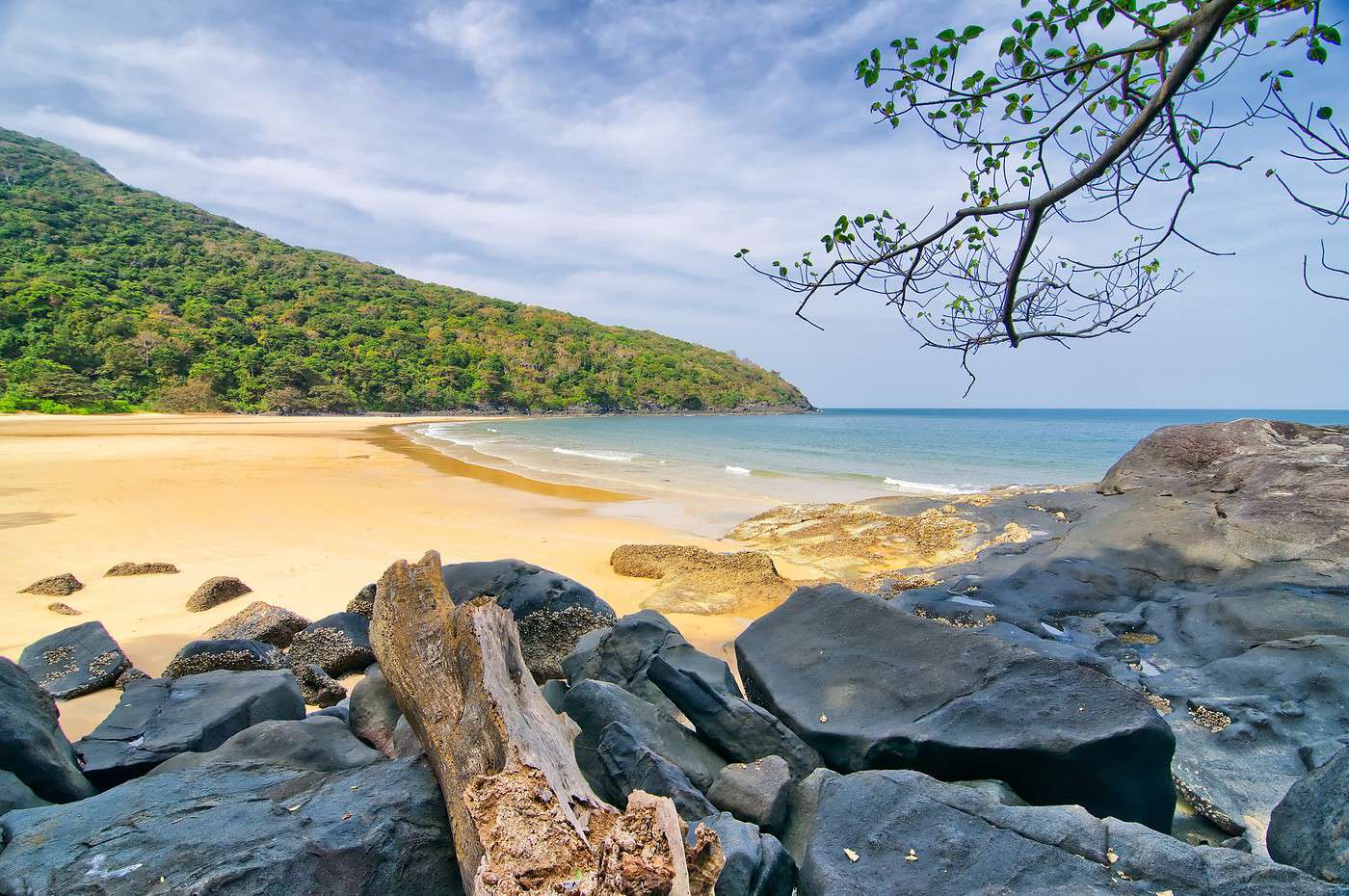
With over 3,000 km of coastline, Vietnam offers a wide range of options, each with a distinct atmosphere depending on the location.
If you're looking for paradise islands, head south to Phu Quoc or Con Dao for white sandy beaches and turquoise waters. The central part of the country offers even more variety, with family-friendly resorts, lively spots (like Nha Trang), or simply relaxing destinations such as Da Nang or Hoi An. Meanwhile, in the north, there’s the island of Cat Ba and its national park near Halong Bay, stunning with its small coves surrounded by cliffs.
Water Activities
- Diving and snorkeling: Three spots stand out: Phu Quoc Island (ideal), the area around Nha Trang, and the Cham Islands.
- Water sports: Surfing isn’t as prominent as in Indonesia, and the best season is around Da Nang between September and March. However, there are more options for kiteboarding and windsurfing, with Mui Ne and Phan Rang considered among the top spots in Southeast Asia. You can also explore Halong Bay by kayak or even paddleboard.
Thalassotherapy and Wellness
In recent years, Vietnam has developed this sector, offering services that combine traditional techniques (traditional medicine, hot stone massages) with modern facilities and treatments. Whether in classic thalassotherapy centers, hot springs, wellness resorts, or even places dedicated to traditional medicine or spiritual retreats, there’s plenty of choice—often with excellent value for money.
Cruises in Halong Bay
A cruise in Ha Long Bay is usually a highlight of any trip to Vietnam. To make the most of it, plan a few things in advance.
First, choose your bay—there are actually three: Halong Bay (the most famous), Lan Ha Bay (wilder, around Cat Ba Island), and Bai Tu Long Bay (the "authentic" and less crowded option). Next, decide on the cruise duration: one day (40 to 60 € per person), two days and one night (100 to 150 €), the most popular option, or three days and two nights (over 200 €) for those who really want to enjoy it. This varies depending on the type of boat and the season. Finally, choose your booking method—online, directly in Cat Ba (often the cheapest), or through a Hanoi travel agency, which usually includes transport between the city and the bay.
The best time to visit is from March to May and September to November, when the skies are clear and temperatures are mild. Avoid December to February, when it can be cold and foggy, and the summer months, which are very hot and prone to typhoons that may lead to cruise cancellations.
Hiking
Hiking
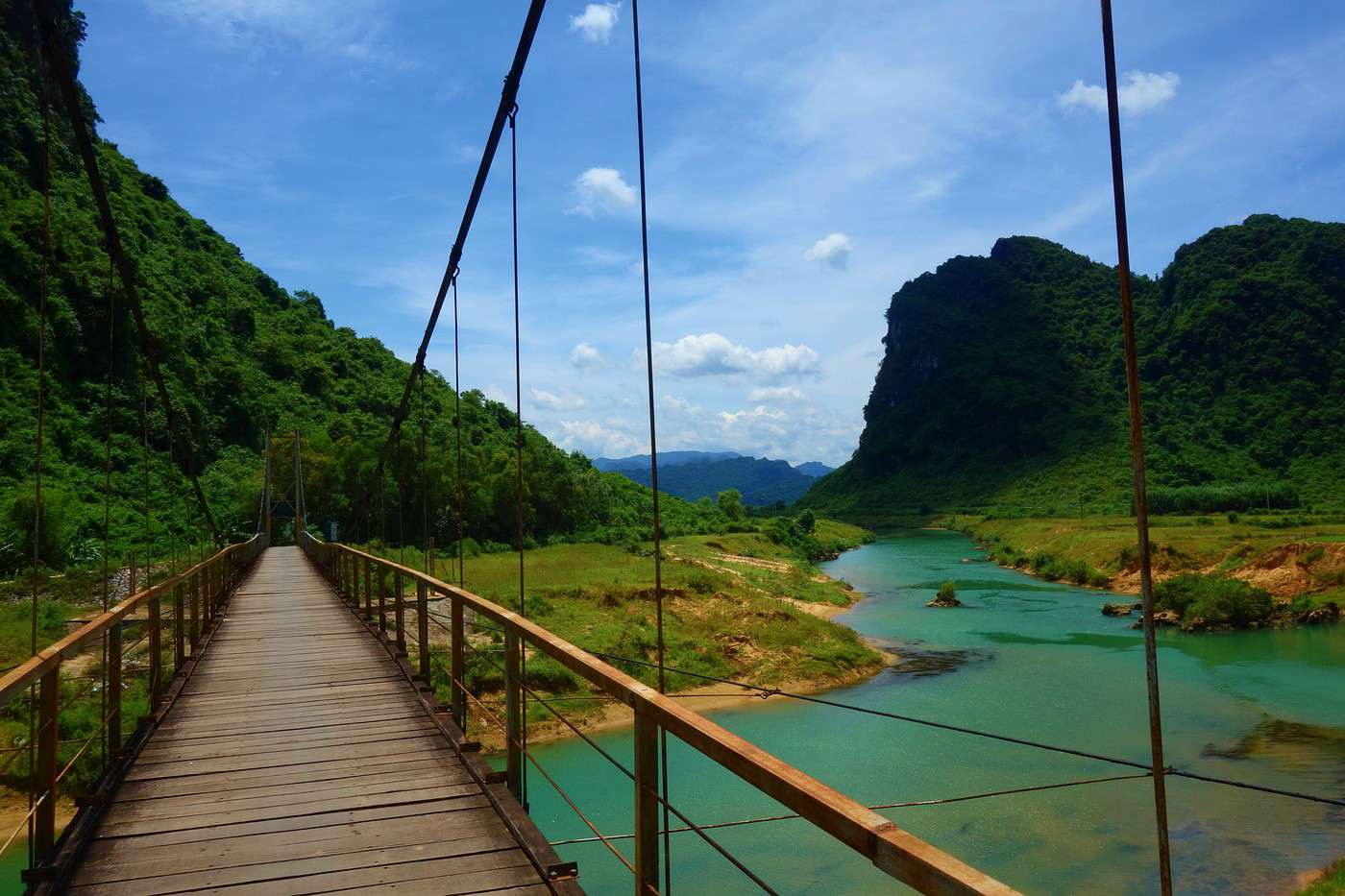
The advantage of hiking in Vietnam is that you can do it anywhere, in different environments, and for all types of walks.
In the north, the paradise for trekkers, you’ll find spectacular landscapes, including imposing mountain ranges where you can meet communities with well-preserved cultures and traditions. This is also where the famous photogenic terraced rice fields are located, in the Sa Pa region.
In central Vietnam, you’ll explore jungles and caves, such as in Phong Nha - Ke Bang National Park, which is home to some of the world’s largest caves. The Bach Ma National Park, near Hue, offers trails leading to waterfalls and viewpoints with panoramic coastal views.
In the south, between forests and tropical nature, you’ll find easier day hikes, or you can visit Cat Tien National Park, between Ho Chi Minh City and Da Lat, the best place to observe local wildlife while walking through dense tropical forest.
Cycling
You’ll also find beautiful roads and trails throughout the country. In the north, the regions of Mai Chau (a flat valley), Ninh Binh (the easiest), and Ha Giang (for the motivated) offer stunning landscapes and friendly encounters.
In central Vietnam, you can cycle along the Perfume River to visit imperial tombs and nearby villages around Hue, see the rice fields near Hoi An, or tackle the Hai Van Pass between Hue and Da Nang. In the south, explore Mekong Delta with paths along canals shaded by orchards.
Horseback Riding
This isn’t a widespread activity in the country. There are just a few short rides available in Da Lat in the central highlands, or for those who enjoy galloping along the beaches near Hoi An and Da Nang.
Outdoor and Adventure Sports
- Whitewater sports: Vietnam isn’t a top destination for these, but the Da Lat region offers rafting, canyoning, and kayaking at various sites around the city, including developed spots like the Datanla waterfalls.
- Climbing: The best opportunities are in the north, around Hanoi, in Lan Ha Bay and Cat Ba Island, as well as the Huu Lung Valley, surrounded by cliffs with around a hundred climbing routes.
- Caving: Since the country is home to the world’s largest cave, the activity has grown in recent years. Start in Phong Nha - Ke Bang Park, which hosts most of the activities, from beginner-friendly options to combined hiking and caving experiences.
Cultural Life and Activities
Vietnam isn’t just a destination for landscapes—it’s also a millennia-old civilization rich in history, traditions, and local cultures, with traces of Chinese, Indian, and French influences still visible. Between its abundant historical heritage and unique ethnic mosaic (54 official groups!), especially in the northern mountains, there’s plenty to discover on a trip.
Nightlife and Going Out
Over time, Vietnam has become a destination where you can enjoy evenings out and festive moments. This is true in the two major cities, Ho Chi Minh City and Hanoi, as well as by the sea for a more relaxed vibe in places like Nha Trang (the liveliest), Hoi An, or Phu Quoc, known for its festive sunsets.