last edited Dec 11, 2019
Travelling by camper van: before you leave
Location Map of Destinations
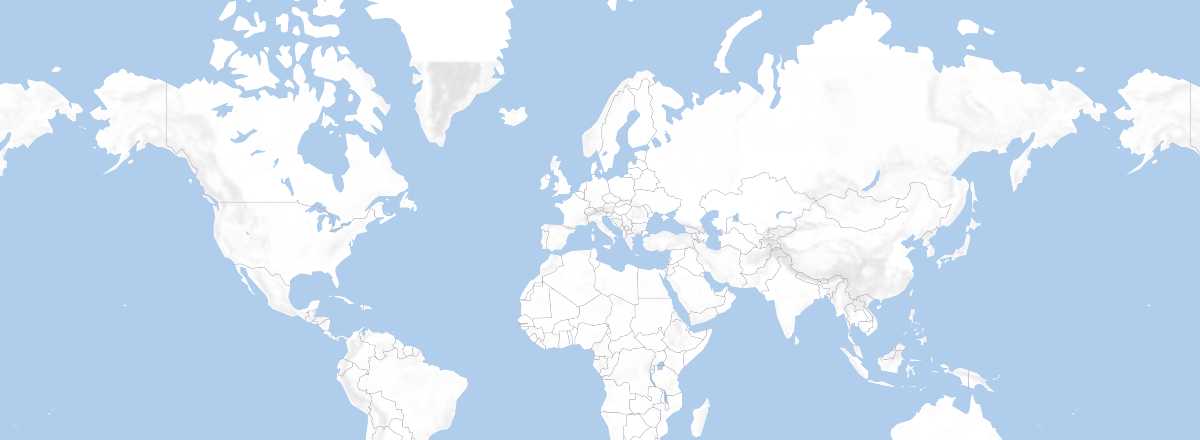 Destinations
Open the interactive map
Destinations
Open the interactive map
A booming sector
The camper van sector is booming. There are currently around 250,000 in France, making up 40% of Europe’s total fleet. France is by far the European country where this type of vehicle sells best, ahead of Germany and Italy. So, it’s no surprise that this mode of transport is becoming increasingly common on roads around the world.
Pros and cons
Freedom, autonomy, and ideal for family travel (or retirement trips)—these are the three main reasons people are drawn to camper vans. It’s true that this mode of transport combines travel and accommodation, allowing you to get closer to the sites you want to visit or even reach remote areas thanks to its self-sufficiency. For those travelling with children, the space inside the vehicle makes long journeys easier and provides a familiar environment for the little ones.
However, a camper van usually represents a significant financial investment, even when buying second-hand. That’s why it’s important to consider how you’ll use it to choose the most cost-effective model and equipment—or even whether occasional rentals might be a better option. On top of that, there’s maintenance, and once on the road, additional costs like tolls (much higher than for cars), or, for those crossing seas and oceans, the price of cargo or ferry crossings. In short, even if you can make it pay off over time, a camper van still requires some financial means.
Otherwise, there aren’t many downsides—except perhaps occasional driving or parking difficulties with larger models in some cities.
One last thing: don’t forget that a camper van is designed to let you sleep and eat inside, effectively replacing hotels and restaurants. So, make the most of it as a living space while travelling...
Useful documents and paperwork
Camper vans have the same requirements as other vehicles when it comes to travel documents and paperwork.