★ 3 · last edited Aug 7, 2020
Vaucluse
Contributionsversion #3created Aug 7, 2020Report this pageLatest contributions in this guideContributors to this guide
Location verified location
 Vaucluse
Open the interactive map
Vaucluse
Open the interactive map
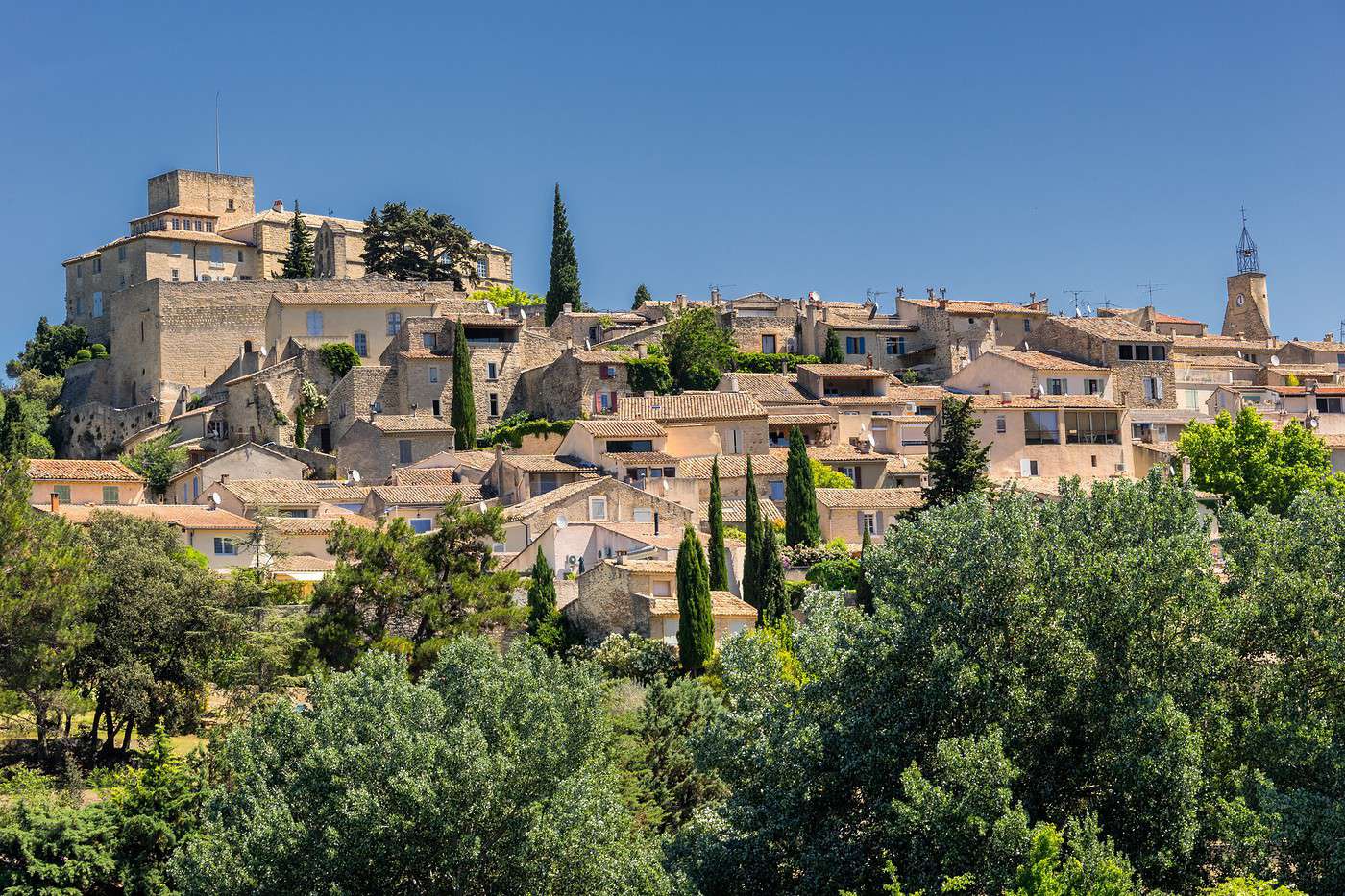
With Avignon, the "famous and chic" village of Gordes, and the Luberon, Vaucluse has at least three major attractions. But beyond these, there are also other towns and natural sites worth exploring...
Overview
Key facts
- Type of place: department.
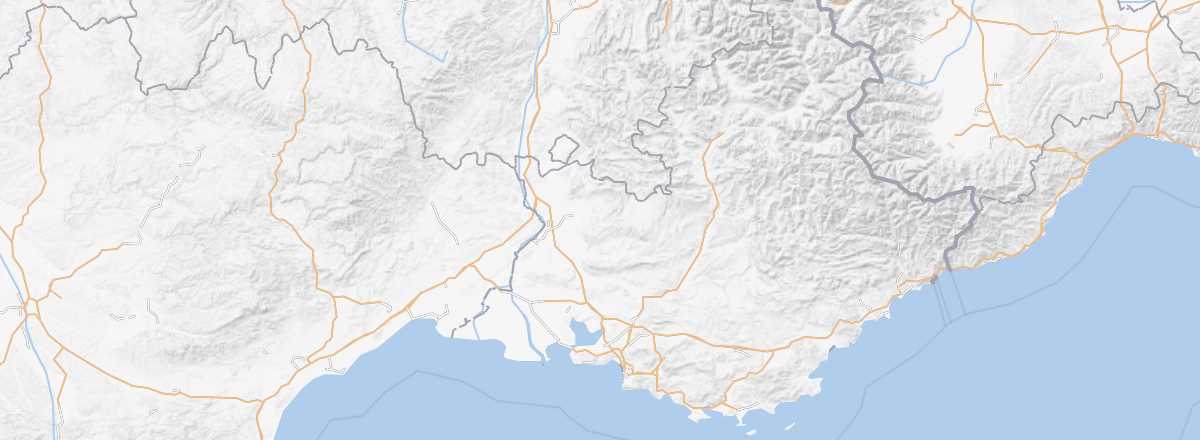
- Location: just above Bouches-du-Rhône and Marseille.
- Department code: 84.
- Bordering departments: Gard (to the west), Ardèche (to the northwest), Drôme (to the north), Alpes-de-Haute-Provence (to the east), Var and Bouches-du-Rhône (to the south).
- Prefecture: Avignon.
- Sub-prefectures: Apt, Carpentras.
- Number of municipalities: 151.
- Population: 559,479 inhabitants (2017).
- Area: 3,567 km².
- Density: 155 inhabitants/km².
- Highest point: Mont Ventoux (1,912 m).
- Lowest point: 10 m.
- Coastline: 0 km; no maritime access.
- Highlights (out of ): Nature / ; Culture ; Relaxation-holidays
- Website: http://www.provenceguide.com
History of Vaucluse
Geography and environment
Culture and economy
What to see in Vaucluse
With Avignon, the "famous and chic" village of Gordes and the Luberon, Vaucluse has at least three major attractions. But beyond these, there are also other towns and natural sites worth exploring...
What to do in Vaucluse
- Tree climbing: There are around ten sites dedicated to this activity (see details).
- Swimming: in the lakes, ponds, and water parks of the department (see details).
- Horseback riding: equestrian centers, as well as rides of varying lengths in nature. Don’t forget donkey rides (see details).
- Climbing: a few climbing walls (more "outdoor") and via ferrata options (see details).
- Golf: six golf courses in the department (see details).
- Hiking: Vaucluse offers over 3,000 km of marked trails for all levels (see details).
- Cycling and mountain biking: routes through vineyards and lavender fields, plus, for the brave, the ascent of the legendary Mont Ventoux (see details).
- From the sky: Vaucluse from above in a hot-air balloon or paraglider (see details).
Climate and weather
Vaucluse experiences several types of climate. Its geographical position places it at the meeting point of three different climates: Mediterranean (dominant) in the southern part of the department, mountainous in the northeast due to its relief, and semi-continental in the northwest. Overall, the region enjoys plenty of sunshine with hot, dry summers. It is also windy and relatively dry, though sudden downpours can occur in spring and especially in autumn.