
UNESCO World Heritage Sites
Azerbaijan has three sites inscribed on the UNESCO World Heritage list:

Old City of Baku (2000)
The walled city has preserved much of its 12th-century ramparts along with many remarkable historic buildings that give it its charm and earned it UNESCO World Heritage status.
The walled city has preserved much of its 12th-century ramparts along with many remarkable historic buildings that give it its charm and earned it UNESCO World Heritage status.
Gobustan Reserve (2007)
Around 600,000 rock paintings, small mud volcanoes, and monoliths in this stark reserve near the capital. A UNESCO-listed site and one of the country’s most visited places.
Around 600,000 rock paintings, small mud volcanoes, and monoliths in this stark reserve near the capital. A UNESCO-listed site and one of the country’s most visited places.
Sheki (2019)
It's a charming town set in a forested area on the edge of the Greater Caucasus mountains. There are a few old buildings in its UNESCO-listed centre to see, and above all, plenty of trekking opportunities in the surrounding area.
It's a charming town set in a forested area on the edge of the Greater Caucasus mountains. There are a few old buildings in its UNESCO-listed centre to see, and above all, plenty of trekking opportunities in the surrounding area.
Cities and Cultural Heritage
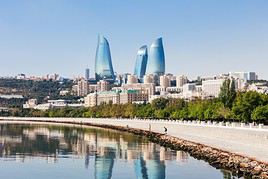
Baku
The capital and the country’s most vibrant city, where tradition and modernity blend against a seaside backdrop. Its beautiful historic center is a UNESCO World Heritage site.
The capital and the country’s most vibrant city, where tradition and modernity blend against a seaside backdrop. Its beautiful historic center is a UNESCO World Heritage site.
Ganja
The country's second-largest city is known for its commerce, particularly its old town. Among its notable landmarks, the imposing mausoleum of the poet Nizami Ganjavi is the most visited.
The country's second-largest city is known for its commerce, particularly its old town. Among its notable landmarks, the imposing mausoleum of the poet Nizami Ganjavi is the most visited.
Nagorno-Karabakh
A source of conflict between Armenia and Azerbaijan, Nagorno-Karabakh is a self-proclaimed republic populated by Armenians in Azerbaijani territory. You can trek there, discover numerous monasteries, and see various testimonies of past conflicts (memorials, the abandoned city of Agdam, etc.). A minimum of precautions is necessary, as visits are recommended depending on the period.
A source of conflict between Armenia and Azerbaijan, Nagorno-Karabakh is a self-proclaimed republic populated by Armenians in Azerbaijani territory. You can trek there, discover numerous monasteries, and see various testimonies of past conflicts (memorials, the abandoned city of Agdam, etc.). A minimum of precautions is necessary, as visits are recommended depending on the period.
Khachmaz
Alongside the small seaside resort of Nabran, it is the coastal tourist destination. It is popular for its climate, lively atmosphere, beaches, and forested setting that often begins right at the waterfront.
Alongside the small seaside resort of Nabran, it is the coastal tourist destination. It is popular for its climate, lively atmosphere, beaches, and forested setting that often begins right at the waterfront.
Khinalug
This isolated village at over 2,300 metres above sea level is set in a stunning mountain landscape and offers great trekking opportunities in the surrounding area.
This isolated village at over 2,300 metres above sea level is set in a stunning mountain landscape and offers great trekking opportunities in the surrounding area.
Lankaran
The city, on the Caspian Sea coast, is not far from Iran. It isn’t exactly a tourist hotspot, though Hirkan National Park is nearby.
The city, on the Caspian Sea coast, is not far from Iran. It isn’t exactly a tourist hotspot, though Hirkan National Park is nearby.
Naftalan
This small town in the heart of the country's oil-producing region has been known since the Soviet era for its... therapeutic oil baths.
This small town in the heart of the country's oil-producing region has been known since the Soviet era for its... therapeutic oil baths.
Nakhchivan
This is a non-touristy Azerbaijani exclave located between Armenia and Iran with no land connection to the rest of the country. The region has a few caravanserais, mosques, and mausoleums to see, while all traces of Armenian presence have been demolished in recent years by Azerbaijani authorities.
This is a non-touristy Azerbaijani exclave located between Armenia and Iran with no land connection to the rest of the country. The region has a few caravanserais, mosques, and mausoleums to see, while all traces of Armenian presence have been demolished in recent years by Azerbaijani authorities.
Absheron Peninsula
On the outskirts of Baku, facing the sea, this peninsula still preserves various remnants of its past, including several fortresses and castles from the 14th–16th centuries. It is also where you can see the "Yanar Dag," a (small) permanent wall of fire caused by natural gas emissions rising from the ground.
On the outskirts of Baku, facing the sea, this peninsula still preserves various remnants of its past, including several fortresses and castles from the 14th–16th centuries. It is also where you can see the "Yanar Dag," a (small) permanent wall of fire caused by natural gas emissions rising from the ground.
Gobustan Reserve
Around 600,000 rock paintings, small mud volcanoes, and monoliths in this stark reserve near the capital. A UNESCO-listed site and one of the country’s most visited places.
Around 600,000 rock paintings, small mud volcanoes, and monoliths in this stark reserve near the capital. A UNESCO-listed site and one of the country’s most visited places.
Sheki
It's a charming town set in a forested area on the edge of the Greater Caucasus mountains. There are a few old buildings in its UNESCO-listed centre to see, and above all, plenty of trekking opportunities in the surrounding area.
It's a charming town set in a forested area on the edge of the Greater Caucasus mountains. There are a few old buildings in its UNESCO-listed centre to see, and above all, plenty of trekking opportunities in the surrounding area.
Natural Heritage
Ag-Gol National Park
This site, in the heart of the country, is renowned for its ornithological significance, particularly for migratory birds that come to winter here.
This site, in the heart of the country, is renowned for its ornithological significance, particularly for migratory birds that come to winter here.
Hirkan National Park
In the far south, a stone's throw from Iran, this forested area is home to a rich variety of flora and fauna (numerous birds, lynx, wolves, bears...).
In the far south, a stone's throw from Iran, this forested area is home to a rich variety of flora and fauna (numerous birds, lynx, wolves, bears...).
Shahdag National Park
The largest park in the Caucasus, located north of Azerbaijan. It offers beautiful mountain landscapes and some of the richest flora and fauna. Hiking and skiing are on the agenda.
The largest park in the Caucasus, located north of Azerbaijan. It offers beautiful mountain landscapes and some of the richest flora and fauna. Hiking and skiing are on the agenda.