last edited Dec 11, 2019
What to See in Central China
Contributionsversion #1created Dec 11, 2019Report this pageLatest contributions in this guideContributors to this guide
Location Map of Central China
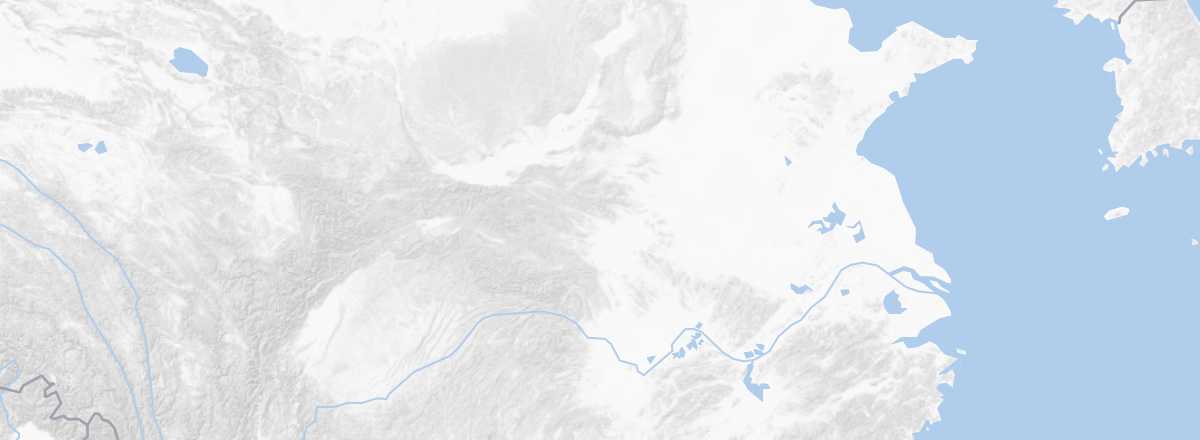 Central China
Open the interactive map
UNESCO World Heritage Sites
Central China has 21 sites inscribed on the UNESCO World Heritage list:
In Beijing:

Forbidden City in Beijing (1987)
A symbol of the city, this is the imperial palace built within the Imperial City of Beijing in the 15th century. It is also a renowned museum, bearing witness to Chinese history. The entire complex is a UNESCO World Heritage site.
A symbol of the city, this is the imperial palace built within the Imperial City of Beijing in the 15th century. It is also a renowned museum, bearing witness to Chinese history. The entire complex is a UNESCO World Heritage site.

Summer Palace, Beijing (1998)
Built in the late 19th century, it is a UNESCO site as a testament to the creative art of Chinese landscape gardening, blending human achievements with nature.
Built in the late 19th century, it is a UNESCO site as a testament to the creative art of Chinese landscape gardening, blending human achievements with nature.

Temple of Heaven (1998)
This monument, quite imposing (and photogenic), is considered the pinnacle of traditional Chinese architecture. It is listed as a UNESCO World Heritage Site.
This monument, quite imposing (and photogenic), is considered the pinnacle of traditional Chinese architecture. It is listed as a UNESCO World Heritage Site.
Elsewhere:

Chengde (1994)
This imperial city northeast of Beijing is a UNESCO World Heritage site for its temples and Summer Palace, home to the largest imperial garden in the world.
This imperial city northeast of Beijing is a UNESCO World Heritage site for its temples and Summer Palace, home to the largest imperial garden in the world.


Grand Canal (2014)
This very old canal, begun in the 5th century, runs from Beijing to the vicinity of Shanghai over 1,800 km and is part of China’s UNESCO World Heritage.
This very old canal, begun in the 5th century, runs from Beijing to the vicinity of Shanghai over 1,800 km and is part of China’s UNESCO World Heritage.

Great Wall (1987)
Le monument le plus connu de la Chine, classé au Patrimoine mondial de l'Unesco, s'étire sur 6 700 km dans le centre et le nord du pays. Même s'il existe plusieurs points de visites, c'est logiquement la zone proche de Pékin qui attire le plus de monde.
Le monument le plus connu de la Chine, classé au Patrimoine mondial de l'Unesco, s'étire sur 6 700 km dans le centre et le nord du pays. Même s'il existe plusieurs points de visites, c'est logiquement la zone proche de Pékin qui attire le plus de monde.

Longmen Grottoes (2000)
Near the city of Luoyang, these grottoes (over 2,000!) on either side of a gorge are dedicated to Buddha, featuring impressive statues. They are a UNESCO World Heritage site.
Near the city of Luoyang, these grottoes (over 2,000!) on either side of a gorge are dedicated to Buddha, featuring impressive statues. They are a UNESCO World Heritage site.

Yungang Grottoes (2001)
Near Datong, 250 grottoes and over 50,000 Buddha statues are listed as a UNESCO World Heritage site.
Near Datong, 250 grottoes and over 50,000 Buddha statues are listed as a UNESCO World Heritage site.

Gardens of Suzhou (1997)
These are masterpieces (around ten) of Chinese garden art created from the 11th to the 19th centuries in the historic city of Suzhou.
These are masterpieces (around ten) of Chinese garden art created from the 11th to the 19th centuries in the historic city of Suzhou.

Mausoleum of Emperor Qin (1987)
Better known as the extraordinary "Terracotta Army of Emperor Qin," this remains one of China's symbols. Located near the city of Xi'an, this collection of thousands of terracotta soldier statues, crafted twenty-two centuries ago, is a UNESCO World Heritage site.
Better known as the extraordinary "Terracotta Army of Emperor Qin," this remains one of China's symbols. Located near the city of Xi'an, this collection of thousands of terracotta soldier statues, crafted twenty-two centuries ago, is a UNESCO World Heritage site.

Mount Tai (1987)
A UNESCO-listed sacred mountain that can be climbed, offering stunning landscapes for hiking. The site is also home to several temples.
A UNESCO-listed sacred mountain that can be climbed, offering stunning landscapes for hiking. The site is also home to several temples.

Mount Wutai (2009)
A beautiful sacred Buddhist mountain in Shanxi Province, rising over 3,000 metres. It is home to numerous temples, monasteries, and statues and is a UNESCO World Heritage site.
A beautiful sacred Buddhist mountain in Shanxi Province, rising over 3,000 metres. It is home to numerous temples, monasteries, and statues and is a UNESCO World Heritage site.

Huangshan Mountains (1990)
This mountain range in Anhui offers stunning landscapes and trekking opportunities. It is a UNESCO World Heritage site and quite touristy.
This mountain range in Anhui offers stunning landscapes and trekking opportunities. It is a UNESCO World Heritage site and quite touristy.

Wudang Mountains (1994)
This beautiful mountain range in Hubei is home to numerous Taoist monasteries, some of which are UNESCO-listed. The area is also renowned for its martial arts and traditional Chinese medicine.
This beautiful mountain range in Hubei is home to numerous Taoist monasteries, some of which are UNESCO-listed. The area is also renowned for its martial arts and traditional Chinese medicine.

Pingyao (1997)
A small walled city listed as a UNESCO World Heritage site for its well-preserved historical architecture.
A small walled city listed as a UNESCO World Heritage site for its well-preserved historical architecture.
Shennongjia Nature Reserve (2016)
These are rugged mountains and forests in Hubei Province, UNESCO-listed for their landscape and ecosystem.
These are rugged mountains and forests in Hubei Province, UNESCO-listed for their landscape and ecosystem.

Qufu (1994)
This is the birthplace of Confucius, which has earned it a place on the UNESCO list for its various buildings associated with the figure.
This is the birthplace of Confucius, which has earned it a place on the UNESCO list for its various buildings associated with the figure.

Xidi and Hongcun (2000)
Two beautiful villages in southern Anhui Province, UNESCO-listed for their centuries-old architecture.
Two beautiful villages in southern Anhui Province, UNESCO-listed for their centuries-old architecture.
Yin Xu (2006)
Located near the city of Anyang, this is the archaeological site of the ancient city of Yin, a UNESCO World Heritage site. Numerous tombs can be seen here.
Located near the city of Anyang, this is the archaeological site of the ancient city of Yin, a UNESCO World Heritage site. Numerous tombs can be seen here.
Zhoukoudian (1987)
Located about fifty kilometres southwest of Beijing, this UNESCO-listed archaeological site consists of several caves. The remains of the region's earliest humans were discovered here.
Located about fifty kilometres southwest of Beijing, this UNESCO-listed archaeological site consists of several caves. The remains of the region's earliest humans were discovered here.
Cities and Cultural Heritage
Anyang
An ancient capital where you can still see some "period" remains, including the UNESCO-listed Yin Xu archaeological site on its outskirts.
An ancient capital where you can still see some "period" remains, including the UNESCO-listed Yin Xu archaeological site on its outskirts.

Beidaihe
A popular seaside resort east of Beijing that attracts a large crowd in season, with Russian and Chinese visitors.
A popular seaside resort east of Beijing that attracts a large crowd in season, with Russian and Chinese visitors.
Chengde
This imperial city northeast of Beijing is a UNESCO World Heritage site for its temples and Summer Palace, home to the largest imperial garden in the world.
This imperial city northeast of Beijing is a UNESCO World Heritage site for its temples and Summer Palace, home to the largest imperial garden in the world.

Datong
A major city in Shanxi, typically used as a base for visiting the nearby Yungang Grottoes and the Hanging Monastery of Xuankongsi.
A major city in Shanxi, typically used as a base for visiting the nearby Yungang Grottoes and the Hanging Monastery of Xuankongsi.
Grand Canal
This very old canal, begun in the 5th century, runs from Beijing to the vicinity of Shanghai over 1,800 km and is part of China’s UNESCO World Heritage.
This very old canal, begun in the 5th century, runs from Beijing to the vicinity of Shanghai over 1,800 km and is part of China’s UNESCO World Heritage.
Great Wall
Le monument le plus connu de la Chine, classé au Patrimoine mondial de l'Unesco, s'étire sur 6 700 km dans le centre et le nord du pays. Même s'il existe plusieurs points de visites, c'est logiquement la zone proche de Pékin qui attire le plus de monde.
Le monument le plus connu de la Chine, classé au Patrimoine mondial de l'Unesco, s'étire sur 6 700 km dans le centre et le nord du pays. Même s'il existe plusieurs points de visites, c'est logiquement la zone proche de Pékin qui attire le plus de monde.
Longmen Grottoes
Near the city of Luoyang, these grottoes (over 2,000!) on either side of a gorge are dedicated to Buddha, featuring impressive statues. They are a UNESCO World Heritage site.
Near the city of Luoyang, these grottoes (over 2,000!) on either side of a gorge are dedicated to Buddha, featuring impressive statues. They are a UNESCO World Heritage site.
Xumishan Caves
A colossal Buddha and 130 caves serving as Buddhist temples carved into Mount Xumi in the heart of Ningxia Province.
A colossal Buddha and 130 caves serving as Buddhist temples carved into Mount Xumi in the heart of Ningxia Province.
Yungang Grottoes
Near Datong, 250 grottoes and over 50,000 Buddha statues are listed as a UNESCO World Heritage site.
Near Datong, 250 grottoes and over 50,000 Buddha statues are listed as a UNESCO World Heritage site.


Luoyang
Located in Henan, the city primarily serves as a base for exploring the UNESCO-listed Longmen Grottoes.
Located in Henan, the city primarily serves as a base for exploring the UNESCO-listed Longmen Grottoes.
Mausoleum of Emperor Qin
Better known as the extraordinary "Terracotta Army of Emperor Qin," this remains one of China's symbols. Located near the city of Xi'an, this collection of thousands of terracotta soldier statues, crafted twenty-two centuries ago, is a UNESCO World Heritage site.
Better known as the extraordinary "Terracotta Army of Emperor Qin," this remains one of China's symbols. Located near the city of Xi'an, this collection of thousands of terracotta soldier statues, crafted twenty-two centuries ago, is a UNESCO World Heritage site.

Hanging Monastery of Xuankongsi
About sixty kilometres from Datong, this complex dating from the 5th century was built into a cliffside in a stunning setting.
About sixty kilometres from Datong, this complex dating from the 5th century was built into a cliffside in a stunning setting.
Mount Wutai
A beautiful sacred Buddhist mountain in Shanxi Province, rising over 3,000 metres. It is home to numerous temples, monasteries, and statues and is a UNESCO World Heritage site.
A beautiful sacred Buddhist mountain in Shanxi Province, rising over 3,000 metres. It is home to numerous temples, monasteries, and statues and is a UNESCO World Heritage site.
Wudang Mountains
This beautiful mountain range in Hubei is home to numerous Taoist monasteries, some of which are UNESCO-listed. The area is also renowned for its martial arts and traditional Chinese medicine.
This beautiful mountain range in Hubei is home to numerous Taoist monasteries, some of which are UNESCO-listed. The area is also renowned for its martial arts and traditional Chinese medicine.

Nanjing
Formerly known as Nanking, the city is one of the most beautiful in China, with many historical landmarks and traces of its imperial past.
Formerly known as Nanking, the city is one of the most beautiful in China, with many historical landmarks and traces of its imperial past.

Beijing
Also known as Beijing. Despite its constant pollution, this essential Chinese capital boasts a rich historical and cultural heritage, including several UNESCO-listed sites such as the Summer Palace and the famous Forbidden City.
Also known as Beijing. Despite its constant pollution, this essential Chinese capital boasts a rich historical and cultural heritage, including several UNESCO-listed sites such as the Summer Palace and the famous Forbidden City.
Pingyao
A small walled city listed as a UNESCO World Heritage site for its well-preserved historical architecture.
A small walled city listed as a UNESCO World Heritage site for its well-preserved historical architecture.

Qingdao
This former German concession on the coast (beaches) still has many buildings from that era, along with various other structures, museums, and parks. It’s also where China’s famous Tsingtao beer is brewed.
This former German concession on the coast (beaches) still has many buildings from that era, along with various other structures, museums, and parks. It’s also where China’s famous Tsingtao beer is brewed.
Qufu
This is the birthplace of Confucius, which has earned it a place on the UNESCO list for its various buildings associated with the figure.
This is the birthplace of Confucius, which has earned it a place on the UNESCO list for its various buildings associated with the figure.

Shanghai
With its unique architecture, China’s largest city blends modernity and tradition, and is also the country’s main commercial hub.
With its unique architecture, China’s largest city blends modernity and tradition, and is also the country’s main commercial hub.

Shanhaiguan
The place has become a popular tourist destination because it is where the Great Wall meets the Pacific Ocean.
The place has become a popular tourist destination because it is where the Great Wall meets the Pacific Ocean.

Suzhou
This tourist city in Jiangsu is known for its canals, reminiscent of Venice, and especially its beautiful gardens, which are UNESCO World Heritage sites.
This tourist city in Jiangsu is known for its canals, reminiscent of Venice, and especially its beautiful gardens, which are UNESCO World Heritage sites.

Taiyuan
The capital of Shanxi has several religious sites, museums, and parks worth visiting if you're in the region.
The capital of Shanxi has several religious sites, museums, and parks worth visiting if you're in the region.

Tianjin
This vast autonomous municipality in China, east of Beijing, features various religious and colonial buildings, along with several parks and museums.
This vast autonomous municipality in China, east of Beijing, features various religious and colonial buildings, along with several parks and museums.

Wuhan
The capital of Hubei Province, with several temples, museums, and the "Yellow Crane Tower," which remains its main tourist attraction.
The capital of Hubei Province, with several temples, museums, and the "Yellow Crane Tower," which remains its main tourist attraction.

Xi'an
On the Silk Road, the capital of Shaanxi is world-famous for its Terracotta Army, part of the UNESCO-listed Mausoleum of the First Qin Emperor. But the city also offers other attractions, including its ancient city walls.
On the Silk Road, the capital of Shaanxi is world-famous for its Terracotta Army, part of the UNESCO-listed Mausoleum of the First Qin Emperor. But the city also offers other attractions, including its ancient city walls.
Xidi and Hongcun
Two beautiful villages in southern Anhui Province, UNESCO-listed for their centuries-old architecture.
Two beautiful villages in southern Anhui Province, UNESCO-listed for their centuries-old architecture.

Yan'an
This town in Shaanxi is a political pilgrimage site for Chinese Communists, featuring several locations linked to Mao Zedong.
This town in Shaanxi is a political pilgrimage site for Chinese Communists, featuring several locations linked to Mao Zedong.


Yantai
On the coast of Shandong, Yantai attracts quite a few Chinese tourists thanks to its beaches.
On the coast of Shandong, Yantai attracts quite a few Chinese tourists thanks to its beaches.
Yin Xu
Located near the city of Anyang, this is the archaeological site of the ancient city of Yin, a UNESCO World Heritage site. Numerous tombs can be seen here.
Located near the city of Anyang, this is the archaeological site of the ancient city of Yin, a UNESCO World Heritage site. Numerous tombs can be seen here.


Zhoukoudian
Located about fifty kilometres southwest of Beijing, this UNESCO-listed archaeological site consists of several caves. The remains of the region's earliest humans were discovered here.
Located about fifty kilometres southwest of Beijing, this UNESCO-listed archaeological site consists of several caves. The remains of the region's earliest humans were discovered here.

Zhouzhuang
A charming small town with numerous canals in Jiangsu Province that you can explore by boat.
A charming small town with numerous canals in Jiangsu Province that you can explore by boat.
Natural Heritage
Mount Jiuhua
In Anhui Province, this mountainous area is renowned for its landscapes and ancient temples.
In Anhui Province, this mountainous area is renowned for its landscapes and ancient temples.
Mount Song
One of China's five sacred mountains. It is home to numerous Taoist and Buddhist temples (including the Shaolin Temple, where kung fu is said to have originated). Hiking is possible here.
One of China's five sacred mountains. It is home to numerous Taoist and Buddhist temples (including the Shaolin Temple, where kung fu is said to have originated). Hiking is possible here.
Mount Tai
A UNESCO-listed sacred mountain that can be climbed, offering stunning landscapes for hiking. The site is also home to several temples.
A UNESCO-listed sacred mountain that can be climbed, offering stunning landscapes for hiking. The site is also home to several temples.
Huangshan Mountains
This mountain range in Anhui offers stunning landscapes and trekking opportunities. It is a UNESCO World Heritage site and quite touristy.
This mountain range in Anhui offers stunning landscapes and trekking opportunities. It is a UNESCO World Heritage site and quite touristy.
Shennongjia Nature Reserve
These are rugged mountains and forests in Hubei Province, UNESCO-listed for their landscape and ecosystem.
These are rugged mountains and forests in Hubei Province, UNESCO-listed for their landscape and ecosystem.
Must-see & highly recommended
Forbidden City in Beijing
★★★★ A symbol of the city, this is the imperial palace built within the Imperial City of Beijing in the 15th century. It is also a renowned…
Great Wall
★★★★ Le monument le plus connu de la Chine, classé au Patrimoine mondial de l'Unesco, s'étire sur 6 700 km dans le centre et le nord du pays…
Mausoleum of Emperor Qin
★★★★ Better known as the extraordinary "Terracotta Army of Emperor Qin," this remains one of China's symbols. Located near the city of Xi'an…
Beijing
★★★★ Also known as Beijing. Despite its constant pollution, this essential Chinese capital boasts a rich historical and cultural heritage…
Recommended
Longmen Grottoes
★★★ Near the city of Luoyang, these grottoes (over 2,000!) on either side of a gorge are dedicated to Buddha, featuring impressive statues…
Yungang Grottoes
★★★ Near Datong, 250 grottoes and over 50,000 Buddha statues are listed as a UNESCO World Heritage site.
Wudang Mountains
★★★ This beautiful mountain range in Hubei is home to numerous Taoist monasteries, some of which are UNESCO-listed. The area is also renowned…
Nanjing
★★★ Formerly known as Nanking, the city is one of the most beautiful in China, with many historical landmarks and traces of its imperial past.
Pingyao
★★★ A small walled city listed as a UNESCO World Heritage site for its well-preserved historical architecture.
Shanghai
★★★ With its unique architecture, China’s largest city blends modernity and tradition, and is also the country’s main commercial…
Xi'an
★★★ On the Silk Road, the capital of Shaanxi is world-famous for its Terracotta Army, part of the UNESCO-listed Mausoleum of the First Qin…
Worth a look / Other
Chengde
★★ This imperial city northeast of Beijing is a UNESCO World Heritage site for its temples and Summer Palace, home to the largest imperial…
Dengfeng
★★ This locality in Henan is a UNESCO World Heritage site for its historic monuments.
Xumishan Caves
★★ A colossal Buddha and 130 caves serving as Buddhist temples carved into Mount Xumi in the heart of Ningxia Province.
Gardens of Suzhou
★★ These are masterpieces (around ten) of Chinese garden art created from the 11th to the 19th centuries in the historic city of Suzhou.
Hanging Monastery of Xuankongsi
★★ About sixty kilometres from Datong, this complex dating from the 5th century was built into a cliffside in a stunning setting.
Mount Jiuhua
★★ In Anhui Province, this mountainous area is renowned for its landscapes and ancient temples.
Mount Song
★★ One of China's five sacred mountains. It is home to numerous Taoist and Buddhist temples (including the Shaolin Temple, where kung fu is…
Mount Tai
★★ A UNESCO-listed sacred mountain that can be climbed, offering stunning landscapes for hiking. The site is also home to several temples.
Mount Wutai
★★ A beautiful sacred Buddhist mountain in Shanxi Province, rising over 3,000 metres. It is home to numerous temples, monasteries, and statues…
Huangshan Mountains
★★ This mountain range in Anhui offers stunning landscapes and trekking opportunities. It is a UNESCO World Heritage site and quite touristy.
Summer Palace, Beijing
★★ Built in the late 19th century, it is a UNESCO site as a testament to the creative art of Chinese landscape gardening, blending human…
Shennongjia Nature Reserve
★★ These are rugged mountains and forests in Hubei Province, UNESCO-listed for their landscape and ecosystem.
Shanhaiguan
★★ The place has become a popular tourist destination because it is where the Great Wall meets the Pacific Ocean.
Suzhou
★★ This tourist city in Jiangsu is known for its canals, reminiscent of Venice, and especially its beautiful gardens, which are UNESCO World…
Temple of Heaven
★★ This monument, quite imposing (and photogenic), is considered the pinnacle of traditional Chinese architecture. It is listed as a UNESCO…
Xidi and Hongcun
★★ Two beautiful villages in southern Anhui Province, UNESCO-listed for their centuries-old architecture.
Zhouzhuang
★★ A charming small town with numerous canals in Jiangsu Province that you can explore by boat.
Anyang
★ An ancient capital where you can still see some "period" remains, including the UNESCO-listed Yin Xu archaeological site on its outskirts.
Beidaihe
★ A popular seaside resort east of Beijing that attracts a large crowd in season, with Russian and Chinese visitors.
Datong
★ A major city in Shanxi, typically used as a base for visiting the nearby Yungang Grottoes and the Hanging Monastery of Xuankongsi.
Grand Canal (China)
★ This very old canal, begun in the 5th century, runs from Beijing to the vicinity of Shanghai over 1,800 km and is part of China’s…
Jingzhou
★ A historic city in Hubei Province, primarily known for its city walls.
Kaifeng
★ An ancient imperial capital with some remnants of its past.
Luoyang
★ Located in Henan, the city primarily serves as a base for exploring the UNESCO-listed Longmen Grottoes.
Qingdao
★ This former German concession on the coast (beaches) still has many buildings from that era, along with various other structures, museums…
Qingtongxia
★ This town on the banks of the Yellow River is home to a complex of 108 Buddhist stupas.
Qufu
★ This is the birthplace of Confucius, which has earned it a place on the UNESCO list for its various buildings associated with the figure.
Taiyuan
★ The capital of Shanxi has several religious sites, museums, and parks worth visiting if you're in the region.
Tianjin
★ This vast autonomous municipality in China, east of Beijing, features various religious and colonial buildings, along with several parks…
Wuhan
★ The capital of Hubei Province, with several temples, museums, and the "Yellow Crane Tower," which remains its main tourist attraction.
Xuzhou
★ It’s a major city on the east coast, primarily serving as a transport hub.
Yan'an
★ This town in Shaanxi is a political pilgrimage site for Chinese Communists, featuring several locations linked to Mao Zedong.
Yangzhou
★ A city in Jiangsu with a pretty lake, gardens, temples, and museums.
Yantai
★ On the coast of Shandong, Yantai attracts quite a few Chinese tourists thanks to its beaches.
Yin Xu
★ Located near the city of Anyang, this is the archaeological site of the ancient city of Yin, a UNESCO World Heritage site. Numerous tombs…
Yinchuan
★ It's the capital, not particularly touristy, of the Ningxia Hui Autonomous Region.
Zhenjiang
★ Parks, temples, and museums in this city on the east coast near Shanghai.
Zhoukoudian
★ Located about fifty kilometres southwest of Beijing, this UNESCO-listed archaeological site consists of several caves. The remains of the…
- Longmen Grottoes
- Yungang Grottoes
- Mount Wutai
- Yin Xu
- Anyang
- Beidaihe
- Chengde
- Datong
- Dengfeng
- Kaifeng
- Luoyang
- Nanjing
- Beijing
- Pingyao
- Qingdao
- Qingtongxia
- Qufu
- Shanghai
- Shanhaiguan
- Suzhou
- Taiyuan
- Tianjin
- Xi'an
- Xuzhou
- Yan'an
- Yangzhou
- Yantai
- Yinchuan
- Zhenjiang
- Zhoukoudian
- Zhouzhuang
- Mount Song
- Mount Tai
- Jingzhou
- Wuhan
- Xidi and Hongcun
- Shennongjia Nature Reserve
- Hanging Monastery of Xuankongsi
- Grand Canal (China)
- Xumishan Caves
- Mausoleum of Emperor Qin
- Wudang Mountains
- Mount Jiuhua
- Huangshan Mountains