
UNESCO World Heritage Sites
Eastern India has 7 sites inscribed on the UNESCO World Heritage list:
Assam:
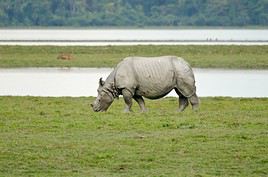
The site is a UNESCO World Heritage Site for its rich wildlife, notably rhinoceroses, tigers, leopards, elephants, buffaloes, etc., which can be discovered on safari.
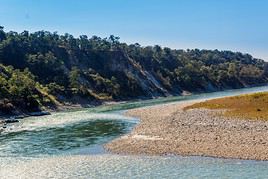
This other UNESCO-listed park in Assam is home to tigers, leopards, rhinos, and pandas. It extends into the Royal Manas National Park in Bhutan.
West Bengal:
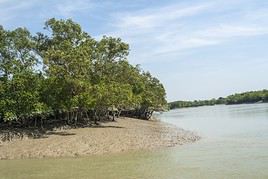
This vast site in the Ganges Delta, shared with Bangladesh, is home to a large population of tigers, as well as crocodiles and numerous bird species. It is a UNESCO World Heritage Site. Visitors explore it by boat through the mangrove forest and the delta’s countless waterways.
Bihar:
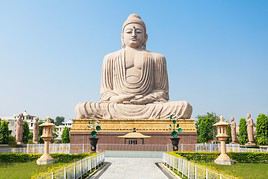
This sacred Buddhist city is home to the towering Mahabodhi Temple, a UNESCO World Heritage site, along with numerous other Buddhist structures in various styles.
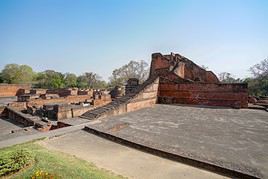
These are the UNESCO-listed ruins of a Buddhist university dating from 450 AD, which once housed up to 10,000 monks.
Odisha:
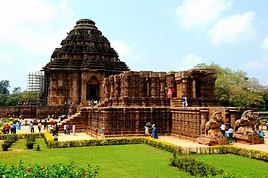
This small town is home to the famous—and stunning—Surya (Sun) Temple, a UNESCO World Heritage Site. It is renowned throughout the country and beyond for its architecture and decoration.
Sikkim:
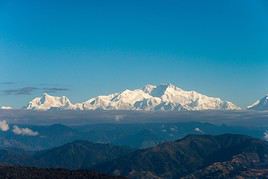
This high-altitude UNESCO-listed park is home to India’s highest peak (Kanchenjunga at 8,598 m). It’s renowned for its mountain and glacier landscapes, as well as its trekking opportunities.
Odisha and Chhattisgarh
Odisha
This state (formerly called Orissa) borders the Bay of Bengal. It is best known for its "Golden Triangle" between the cities of Puri, Konark, and Bhubaneswar, which houses several important temples.
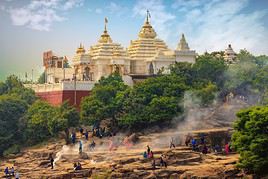
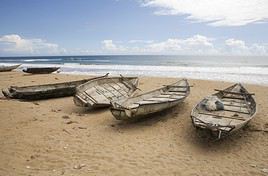
This small town is home to the famous—and stunning—Surya (Sun) Temple, a UNESCO World Heritage Site. It is renowned throughout the country and beyond for its architecture and decoration.
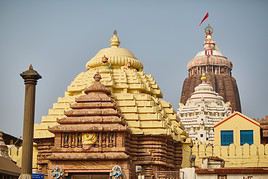
The holy Hindu city on the Bay of Bengal is known for its temples, including the Jagannath, and its beaches.
Natural Heritage
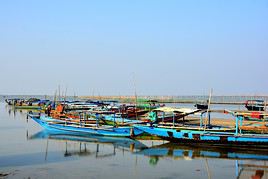
A small coastal park east of Odisha's capital. Home to numerous birds, turtles, pythons, and crocodiles. Explore on foot or by boat.
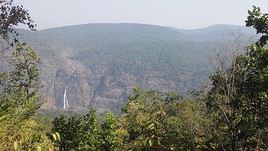
This pretty park with several waterfalls and mountains is home to a significant population of tigers, elephants, buffalo, and birds. You can hike here.
Chhattisgarh
One of the states created in 2000, formerly part of eastern Madhya Pradesh. It is not very touristy, though it contains several parks, waterfalls, caves, and other natural treasures.
Natural Heritage
One of the region's main parks. It is home to tigers, leopards, bears, crocodiles, and birds.
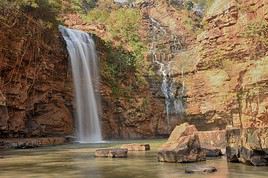
This park is home to several caves and waterfalls, including those of Tirathgarh. It is considered one of the most beautiful in the country, with a particularly rich wildlife (tigers, leopards, bears, etc.).
Bihar and Jharkhand
Bihar
Bordering Nepal, this relatively poor state primarily attracts religious tourism, as it is home to several holy sites and cities for Hindus, Sikhs, Jains, Buddhists, and Muslims.
This sacred Buddhist city is home to the towering Mahabodhi Temple, a UNESCO World Heritage site, along with numerous other Buddhist structures in various styles.
These are the UNESCO-listed ruins of a Buddhist university dating from 450 AD, which once housed up to 10,000 monks.
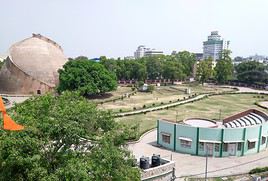
The capital of Bihar is home to several ancient temples and buildings. But it is also, and above all, a pilgrimage site for Buddhists, Muslims, Sikhs, and Jains.
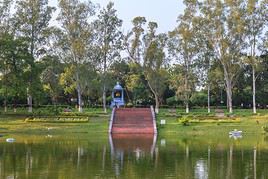
A city in the heart of Bihar, Rajgir is a pilgrimage site for Hindus, Buddhists, and Jains. It boasts numerous historical sites, monuments, and monasteries.
Natural Heritage
This forest park in southern Bihar is home to tigers, leopards, bears, crocodiles, snakes, and numerous bird species.
Jharkhand
Created in 2000 from the southern part of Bihar, this state is not often visited but has a few natural parks and cities with temples or historical ruins.
The ruins of two ancient forts lost in the forest about twenty kilometers from the city of Daltonganj.
Natural Heritage
West Bengal
From the Bay of Bengal (Kolkata) to the Himalayan peaks (Darjeeling), West Bengal offers a great diversity of landscapes.
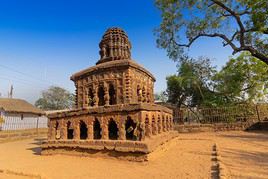
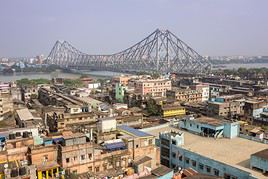
Known as Calcutta until 2001. Bustling and challenging, it's the largest city in eastern India. It boasts numerous colonial-era buildings and traditional Indian architecture.
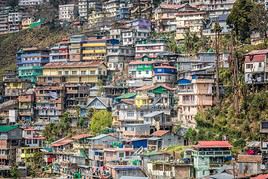
This hill station is famous for its tea plantations and its UNESCO-listed "Darjeeling Himalayan Railway," part of India’s "Mountain Railways." It’s also a great base for planning treks in the region.
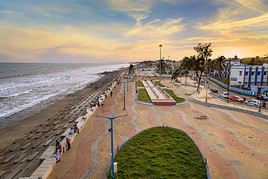
Natural Heritage
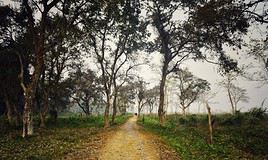
This park is home to a good number of elephants, rhinoceroses, bears, snakes, and birds.
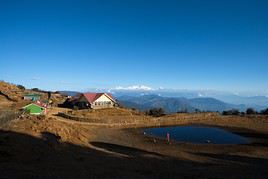
This park in the Darjeeling region, near Nepal, is renowned as a premier trekking destination amid stunning high-altitude landscapes.
This vast site in the Ganges Delta, shared with Bangladesh, is home to a large population of tigers, as well as crocodiles and numerous bird species. It is a UNESCO World Heritage Site. Visitors explore it by boat through the mangrove forest and the delta’s countless waterways.
Sikkim
Wedged between Nepal and Bhutan, this micro-state is a paradise for trekking enthusiasts. You can also discover many Buddhist monasteries, as well as the culture and traditions of a population largely of Nepali origin.
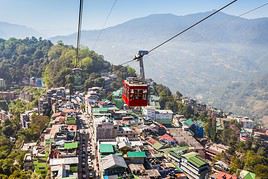
Set in a picturesque landscape, the capital of Sikkim is primarily used by visitors as a base for preparing treks in the surrounding area.
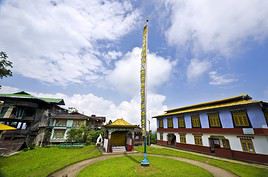
In a stunning setting, this small town near Nepal is the base for beautiful hikes in the surrounding area to discover monasteries, lakes, and waterfalls.
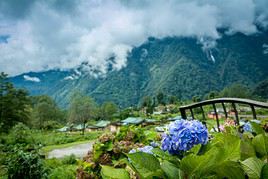
This is a small town in the far north of Sikkim, serving as the starting point for organizing the many treks available in the region.
Natural Heritage
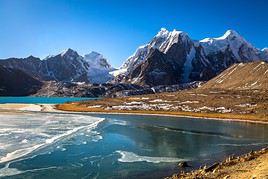
At 5,210 m, it is one of the highest lakes in the world and a prized destination for trekkers.
This high-altitude UNESCO-listed park is home to India’s highest peak (Kanchenjunga at 8,598 m). It’s renowned for its mountain and glacier landscapes, as well as its trekking opportunities.
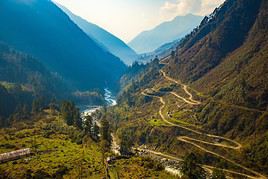
At an average altitude of 4,000 m, bordering the Thangu Valley, this is a trekking valley in northern Sikkim.
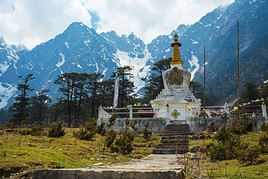
With its landscapes and rhododendrons, it is the main attraction in northern Sikkim. The area is ideal for trekking.
Northeastern States
Arunachal Pradesh
At the far northeastern tip of India, bordering China and Bhutan. You can trek through beautiful landscapes while encountering local cultures.
A small town near Bhutan with several Buddhist temples and trekking opportunities in the surrounding area.
The oldest city in Arunachal. It can serve as a base for treks and other nature activities like rafting on the Brahmaputra.
This is a protected area for birds where you can also find tigers, bears, and elephants.
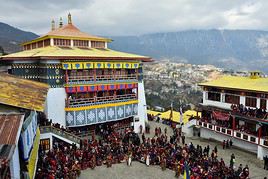
This large town near Bhutan is home to an important Tibetan monastery. You can go trekking in the Tawang area.
Assam
Located between Bhutan and Bangladesh, Assam is a "nature state" par excellence. It has many wildlife-rich parks (tigers, rhinoceroses, elephants, birds, etc.), two of which are even UNESCO World Heritage Sites.
Born in the Himalayas, this river flows through Assam before continuing toward Bangladesh and the sea. You can take boat cruises on it locally.
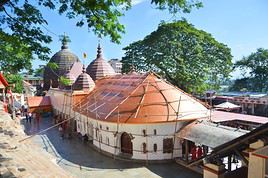
This national park on the banks of the Brahmaputra is home to many bird species.
The site is a UNESCO World Heritage Site for its rich wildlife, notably rhinoceroses, tigers, leopards, elephants, buffaloes, etc., which can be discovered on safari.
This other UNESCO-listed park in Assam is home to tigers, leopards, rhinos, and pandas. It extends into the Royal Manas National Park in Bhutan.
This is a site with rhinoceroses, tigers, elephants, and numerous birds and snakes.
Manipur
In northeastern India, bordering Myanmar, this is a "sensitive" state with regulated access. It has a very strong culture and traditions.
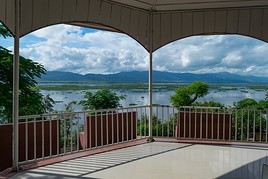
A beautiful lake with several small floating islands. It also encompasses Keibul Lamjao National Park, known for its birds.
Meghalaya
This small northeastern state on the border with Bangladesh has undeniable natural beauty. However, it has been more or less plagued by internal conflicts over the years.
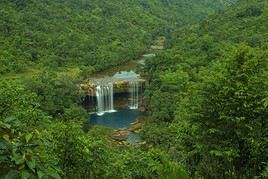
Surrounded by caves, waterfalls, and small lakes, the capital of Meghalaya offers a blend of British and Indian architectural styles.
Mizoram
A stunning northeastern state bordering Myanmar and Bangladesh. The local cultures and traditions of its people remain very much alive.
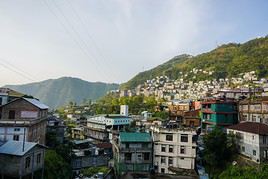
This nature reserve near Bangladesh consists of forests and grasslands. It is home to many tigers.
Nagaland
This small northeastern state, backed by Myanmar, is one of those where the population has some of the strongest cultures and traditions.
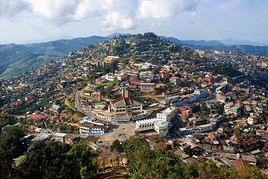
This village north of the capital showcases the culture and traditions of the region’s diverse communities.
A district in Nagaland bordering Myanmar where communities with very strong traditions still live.
Tripura
One of the least visited states in India. While it offers beautiful landscapes and strong local cultures, it also occasionally faces internal security issues.
These small mountains offer beautiful panoramic views of the region's valleys and villages.
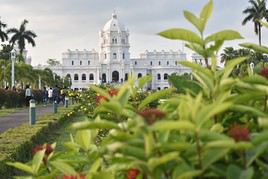
On Lake Rudrasagar, accessible only by boat, this palace is a former princely summer residence built in 1930.
Not to be confused with its namesake in Rajasthan. This former capital is home to several temples, the most famous being the Tripura Sundari Temple.