last edited Dec 11, 2019
What to See in Estonia
Contributionsversion #1created Dec 11, 2019Report this pageLatest contributions in this guideContributors to this guide
Location Map of Estonia
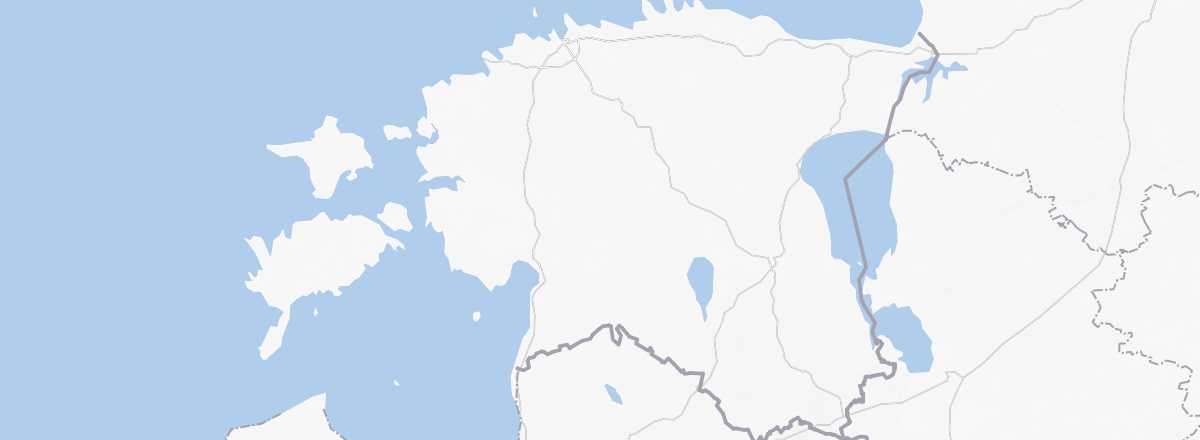 Estonia
Open the interactive map
Estonia
Open the interactive map
UNESCO World Heritage
In addition to the Struve Geodetic Arc, Estonia has another site inscribed on the UNESCO World Heritage list:
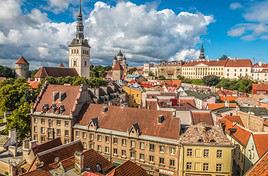
Historic Centre of Tallinn (1997)
Ramparts, remnants of the medieval era, and numerous Baroque, Renaissance, and classical-style buildings have earned the Old Town its UNESCO World Heritage status.
Ramparts, remnants of the medieval era, and numerous Baroque, Renaissance, and classical-style buildings have earned the Old Town its UNESCO World Heritage status.
The Coast
Haapsalu
It's one of the main seaside resorts on the coast and a charming small town with its castle, winding streets, and wooden houses.
It's one of the main seaside resorts on the coast and a charming small town with its castle, winding streets, and wooden houses.
Narva
Estonia’s third-largest city is located on the Russian border. Largely rebuilt after the war, it is characterised by Soviet-era architecture, with a few remnants of the past such as its medieval castle. A few kilometres away, the (long) beach of Narva-Jõesuu is one of the country’s most popular.
Estonia’s third-largest city is located on the Russian border. Largely rebuilt after the war, it is characterised by Soviet-era architecture, with a few remnants of the past such as its medieval castle. A few kilometres away, the (long) beach of Narva-Jõesuu is one of the country’s most popular.
Paldiski
This Baltic seaside town is a former Soviet military base, with some remnants of that era still visible in its buildings.
This Baltic seaside town is a former Soviet military base, with some remnants of that era still visible in its buildings.
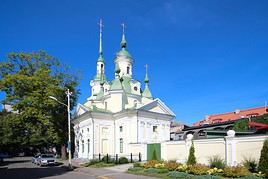
Pärnu
A major seaside resort (and spa town) in southwestern Estonia, popular with visitors. The city also boasts a charming old town. Pärnu is often called Estonia’s "summer capital.".
A major seaside resort (and spa town) in southwestern Estonia, popular with visitors. The city also boasts a charming old town. Pärnu is often called Estonia’s "summer capital.".
Rakvere
This is a town in the northeast with the ruins of a castle, several churches, and various cultural events for which it is known.
This is a town in the northeast with the ruins of a castle, several churches, and various cultural events for which it is known.
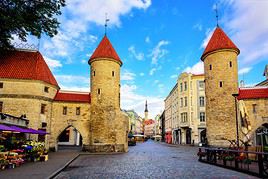
Tallinn
With its museums and beautifully preserved UNESCO-listed historic centre, Tallinn is one of Europe’s most stunning capitals. Nearby beaches like Kaberneeme and Pirita are also worth a visit.
With its museums and beautifully preserved UNESCO-listed historic centre, Tallinn is one of Europe’s most stunning capitals. Nearby beaches like Kaberneeme and Pirita are also worth a visit.
Toila
A popular seaside resort between Tallinn and the Russian border. The Valaste waterfalls are nearby.
A popular seaside resort between Tallinn and the Russian border. The Valaste waterfalls are nearby.
The Islands
Hiiumaa
This is the country's second-largest island, north of Saaremaa. Visitors come to enjoy its nature and beautiful landscapes, as well as to discover its lighthouses and old churches.
This is the country's second-largest island, north of Saaremaa. Visitors come to enjoy its nature and beautiful landscapes, as well as to discover its lighthouses and old churches.
Kihnu
A small island off Pärnu where local culture and traditions remain very much alive and are even recognised by UNESCO.
A small island off Pärnu where local culture and traditions remain very much alive and are even recognised by UNESCO.
Muhu
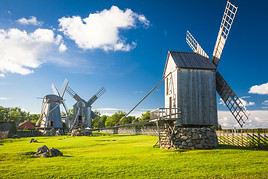
This peaceful spot between Saaremaa and the mainland is home to a few windmills and traditional villages like Koguva.
This peaceful spot between Saaremaa and the mainland is home to a few windmills and traditional villages like Koguva.
Saaremaa
This is the largest island in Estonia. Visitors come for its landscapes, small villages, historical sites (Kuressaare Castle, Soviet memorials, etc.), old windmills, beaches, hiking, and birdwatching in Vilsandi Park.
This is the largest island in Estonia. Visitors come for its landscapes, small villages, historical sites (Kuressaare Castle, Soviet memorials, etc.), old windmills, beaches, hiking, and birdwatching in Vilsandi Park.
Natural Heritage
Valaste Waterfalls
The tallest waterfalls in Estonia (30.50 m) have become a (small) tourist attraction.
The tallest waterfalls in Estonia (30.50 m) have become a (small) tourist attraction.
Lahemaa National Park
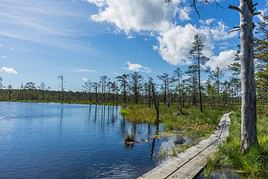
This coastal park, about sixty kilometres from Tallinn, is made up of forests, marshes, and peat bogs. It features several villages with their beaches (Vosu, Kasmu...), four manors (including Sagadi Manor), hiking trails, and interesting wildlife such as lynx, wolves, bears, and birds.
This coastal park, about sixty kilometres from Tallinn, is made up of forests, marshes, and peat bogs. It features several villages with their beaches (Vosu, Kasmu...), four manors (including Sagadi Manor), hiking trails, and interesting wildlife such as lynx, wolves, bears, and birds.
Matsalu National Park
A coastal reserve with countless bird species to observe and small canals to navigate.
A coastal reserve with countless bird species to observe and small canals to navigate.
The Interior
Tartu
It is the second-largest and oldest city in the country, both a university town and a tourist destination. It offers a historic centre, several churches and museums (including the local KGB museum), as well as urban parks and gardens.
It is the second-largest and oldest city in the country, both a university town and a tourist destination. It offers a historic centre, several churches and museums (including the local KGB museum), as well as urban parks and gardens.
Viljandi
One of the many Hanseatic cities in the Baltic States, Viljandi features the ruins of its medieval castle. It is also regarded as the country’s cultural capital, hosting numerous events and festivals.
One of the many Hanseatic cities in the Baltic States, Viljandi features the ruins of its medieval castle. It is also regarded as the country’s cultural capital, hosting numerous events and festivals.
Natural Heritage
Karula National Park
A small, rolling "countryside" park made up of meadows, forests, and small lakes, on the border with Latvia.
A small, rolling "countryside" park made up of meadows, forests, and small lakes, on the border with Latvia.
Soomaa National Park
This park in the southwest is popular with visitors for its canoeing and hiking opportunities.
This park in the southwest is popular with visitors for its canoeing and hiking opportunities.
Must-see & highly recommended
Tallinn
★★★★ With its museums and beautifully preserved UNESCO-listed historic centre, Tallinn is one of Europe’s most stunning capitals. Nearby…
Recommended
Historic Centre of Tallinn
★★★ Ramparts, remnants of the medieval era, and numerous Baroque, Renaissance, and classical-style buildings have earned the Old Town its…
Lahemaa National Park
★★★ This coastal park, about sixty kilometres from Tallinn, is made up of forests, marshes, and peat bogs. It features several villages with…
Saaremaa
★★★ This is the largest island in Estonia. Visitors come for its landscapes, small villages, historical sites (Kuressaare Castle, Soviet…
Worth a look / Other
Valaste Waterfalls
★★ The tallest waterfalls in Estonia (30.50 m) have become a (small) tourist attraction.
Haapsalu
★★ It's one of the main seaside resorts on the coast and a charming small town with its castle, winding streets, and wooden houses.
Hiiumaa
★★ This is the country's second-largest island, north of Saaremaa. Visitors come to enjoy its nature and beautiful landscapes, as well as to…
Muhu
★★ This peaceful spot between Saaremaa and the mainland is home to a few windmills and traditional villages like Koguva.
Pärnu
★★ A major seaside resort (and spa town) in southwestern Estonia, popular with visitors. The city also boasts a charming old town. Pärnu is…
Tartu
★★ It is the second-largest and oldest city in the country, both a university town and a tourist destination. It offers a historic centre…
Kihnu
★ A small island off Pärnu where local culture and traditions remain very much alive and are even recognised by UNESCO.
Laulasmaa
★ An old seaside resort dating back to the early 20th century, west of the capital Tallinn.
Narva
★ Estonia’s third-largest city is located on the Russian border. Largely rebuilt after the war, it is characterised by Soviet-era…
Otepää
★ C'est la station de sport d'hiver de l'Estonie avec également des randonnées à faire en été.
Paide
★ A large locality in central Estonia with the remains of a 13th-century castle.
Paldiski
★ This Baltic seaside town is a former Soviet military base, with some remnants of that era still visible in its buildings.
Karula National Park
★ A small, rolling "countryside" park made up of meadows, forests, and small lakes, on the border with Latvia.
Matsalu National Park
★ A coastal reserve with countless bird species to observe and small canals to navigate.
Soomaa National Park
★ This park in the southwest is popular with visitors for its canoeing and hiking opportunities.
Rakvere
★ This is a town in the northeast with the ruins of a castle, several churches, and various cultural events for which it is known.
Ruhnu
★ A small island in the Gulf of Riga, popular with hikers and swimmers.
Toila
★ A popular seaside resort between Tallinn and the Russian border. The Valaste waterfalls are nearby.
Viljandi
★ One of the many Hanseatic cities in the Baltic States, Viljandi features the ruins of its medieval castle. It is also regarded as the…