last edited Dec 11, 2019
What to See in Lebanon
Contributionsversion #1created Dec 11, 2019Report this pageLatest contributions in this guideContributors to this guide
Location Map of Lebanon
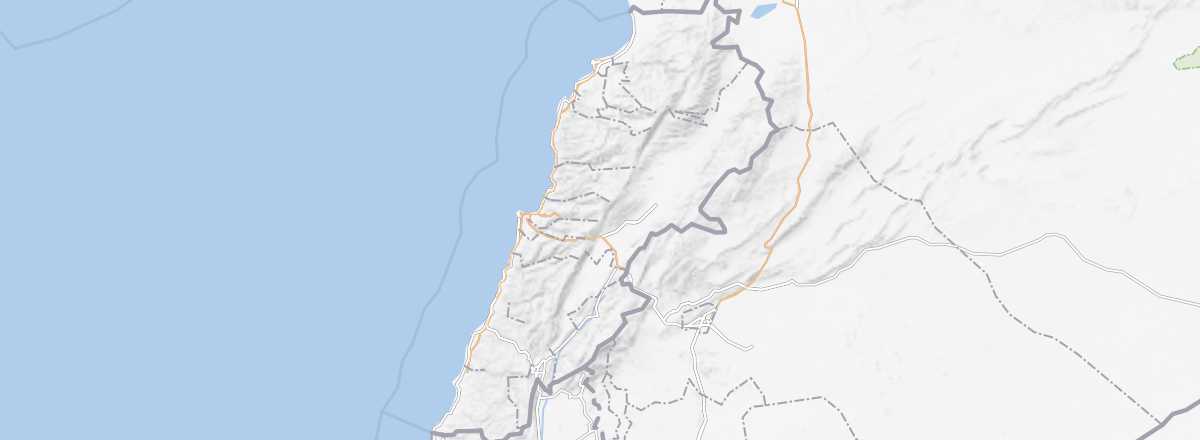 Lebanon
Open the interactive map
UNESCO World Heritage Sites
Lebanon has 5 sites listed as UNESCO World Heritage Sites:

Anjar (1984)
This is a striking UNESCO-listed archaeological site dating from the Umayyad period. It is located in the town of the same name, near the Syrian border.
This is a striking UNESCO-listed archaeological site dating from the Umayyad period. It is located in the town of the same name, near the Syrian border.

Baalbek (1984)
This is one of the most beautiful ancient sites in the region, featuring Assyrian, Byzantine, Greek, and Roman influences. It is a UNESCO World Heritage site.
This is one of the most beautiful ancient sites in the region, featuring Assyrian, Byzantine, Greek, and Roman influences. It is a UNESCO World Heritage site.

Byblos (1984)
North of Beirut, the city (also called Jbeil) has a charming port and several traces of its medieval past, as well as the UNESCO-listed ruins of its ancient city.
North of Beirut, the city (also called Jbeil) has a charming port and several traces of its medieval past, as well as the UNESCO-listed ruins of its ancient city.

Tyre (1984)
The ancient Phoenician city-state is a UNESCO World Heritage site. You can still see the old Phoenician port, the city walls, aqueducts, and the remains of various buildings.
The ancient Phoenician city-state is a UNESCO World Heritage site. You can still see the old Phoenician port, the city walls, aqueducts, and the remains of various buildings.

Qadisha Valley (1998)
This beautiful natural area in the Mount Lebanon range is home to very ancient Christian monasteries and buildings, as well as the Forest of the Cedars of God, composed of these famous trees that are symbols of the country. The site is part of UNESCO’s World Heritage.
This beautiful natural area in the Mount Lebanon range is home to very ancient Christian monasteries and buildings, as well as the Forest of the Cedars of God, composed of these famous trees that are symbols of the country. The site is part of UNESCO’s World Heritage.
Cities and Cultural Heritage
Batroun
Phoenician and Roman ruins, a Crusader fortress, souks, and beaches in this large coastal town.
Phoenician and Roman ruins, a Crusader fortress, souks, and beaches in this large coastal town.
Bsharri
This high-altitude town is near cedar forests and ski resorts. It is known for the museum of the painter-poet Gibran, who was born here.
This high-altitude town is near cedar forests and ski resorts. It is known for the museum of the painter-poet Gibran, who was born here.

Beiteddine
The large Maronite town in Mount Lebanon is home to the Bachir Chehab Palace, one of the country’s key cultural tourist sites.
The large Maronite town in Mount Lebanon is home to the Bachir Chehab Palace, one of the country’s key cultural tourist sites.

Beirut
Between sea and mountains, Lebanon’s capital and largest city remains a dynamic hub with numerous museums, some notable buildings, and beaches. However, as is often the case in the country, some outlying districts should be avoided for safety reasons.
Between sea and mountains, Lebanon’s capital and largest city remains a dynamic hub with numerous museums, some notable buildings, and beaches. However, as is often the case in the country, some outlying districts should be avoided for safety reasons.
Brummana
Thanks to its altitude and pleasant summer climate, the town is a popular retreat for residents of the capital. It also offers a lovely panoramic view of the city.
Thanks to its altitude and pleasant summer climate, the town is a popular retreat for residents of the capital. It also offers a lovely panoramic view of the city.
Byblos
North of Beirut, the city (also called Jbeil) has a charming port and several traces of its medieval past, as well as the UNESCO-listed ruins of its ancient city.
North of Beirut, the city (also called Jbeil) has a charming port and several traces of its medieval past, as well as the UNESCO-listed ruins of its ancient city.

Deir el-Qamar
A small town with traditional architecture nestled in the mountains. Known as the "City of Emirs," it is often considered one of the most beautiful villages in Lebanon.
A small town with traditional architecture nestled in the mountains. Known as the "City of Emirs," it is often considered one of the most beautiful villages in Lebanon.
Jezzine
A resort town in Mount Lebanon. The town is famous for its waterfall, over 40 m high, and its crafts to explore in its souks.
A resort town in Mount Lebanon. The town is famous for its waterfall, over 40 m high, and its crafts to explore in its souks.
Jounieh
Nestled in its bay, the city with its beaches, nightclubs, and vast casino is dominated by the Sanctuary of Our Lady of Lebanon, an important pilgrimage and tourist site.
Nestled in its bay, the city with its beaches, nightclubs, and vast casino is dominated by the Sanctuary of Our Lady of Lebanon, an important pilgrimage and tourist site.

Saïda
The former Phoenician capital still has many historical remains (including the Sea Castle), an old town, and interesting souks.
The former Phoenician capital still has many historical remains (including the Sea Castle), an old town, and interesting souks.
Tyre
The ancient Phoenician city-state is a UNESCO World Heritage site. You can still see the old Phoenician port, the city walls, aqueducts, and the remains of various buildings.
The ancient Phoenician city-state is a UNESCO World Heritage site. You can still see the old Phoenician port, the city walls, aqueducts, and the remains of various buildings.
Qadisha Valley
This beautiful natural area in the Mount Lebanon range is home to very ancient Christian monasteries and buildings, as well as the Forest of the Cedars of God, composed of these famous trees that are symbols of the country. The site is part of UNESCO’s World Heritage.
This beautiful natural area in the Mount Lebanon range is home to very ancient Christian monasteries and buildings, as well as the Forest of the Cedars of God, composed of these famous trees that are symbols of the country. The site is part of UNESCO’s World Heritage.
Border Areas to Avoid
Warning: All border areas with Syria and Israel are formally advised against by the French Ministry of Foreign Affairs for security reasons, including tourist sites in the Bekaa Valley such as Baalbek or Anjar.
Anjar
This is a striking UNESCO-listed archaeological site dating from the Umayyad period. It is located in the town of the same name, near the Syrian border.
This is a striking UNESCO-listed archaeological site dating from the Umayyad period. It is located in the town of the same name, near the Syrian border.
Baalbek
This is one of the most beautiful ancient sites in the region, featuring Assyrian, Byzantine, Greek, and Roman influences. It is a UNESCO World Heritage site.
This is one of the most beautiful ancient sites in the region, featuring Assyrian, Byzantine, Greek, and Roman influences. It is a UNESCO World Heritage site.
Beaufort Fortress
A Crusader fortress perched on an eagle’s nest in southern Lebanon, offering a rather pretty panorama.
A Crusader fortress perched on an eagle’s nest in southern Lebanon, offering a rather pretty panorama.
Toron of the Knights
These are the remains of a 12th-century medieval fortress located in the village of Tibnine, between Tyre and Damascus.
These are the remains of a 12th-century medieval fortress located in the village of Tibnine, between Tyre and Damascus.
Tripoli
This namesake of the Libyan capital is the second-largest city in Lebanon. It features an old town and a medieval fortress.
This namesake of the Libyan capital is the second-largest city in Lebanon. It features an old town and a medieval fortress.
Natural Heritage
Mount Lebanon
This beautiful and towering mountain range running parallel to the sea contains several remarkable tourist sites (Beiteddine, Qadisha...), as well as an environment that, in "normal times," is ideal for outdoor sports like hiking and even skiing.
This beautiful and towering mountain range running parallel to the sea contains several remarkable tourist sites (Beiteddine, Qadisha...), as well as an environment that, in "normal times," is ideal for outdoor sports like hiking and even skiing.
Must-see & highly recommended
Mount Lebanon
★★★★ This beautiful and towering mountain range running parallel to the sea contains several remarkable tourist sites (Beiteddine, Qadisha...)…
Recommended
Baalbek
★★★ This is one of the most beautiful ancient sites in the region, featuring Assyrian, Byzantine, Greek, and Roman influences. It is a UNESCO…
Beiteddine
★★★ The large Maronite town in Mount Lebanon is home to the Bachir Chehab Palace, one of the country’s key cultural tourist sites.
Byblos
★★★ North of Beirut, the city (also called Jbeil) has a charming port and several traces of its medieval past, as well as the UNESCO-listed…
Tyre
★★★ The ancient Phoenician city-state is a UNESCO World Heritage site. You can still see the old Phoenician port, the city walls, aqueducts…
Qadisha Valley
★★★ This beautiful natural area in the Mount Lebanon range is home to very ancient Christian monasteries and buildings, as well as the Forest…
Worth a look / Other
Anjar
★★ This is a striking UNESCO-listed archaeological site dating from the Umayyad period. It is located in the town of the same name, near the…
Beirut
★★ Between sea and mountains, Lebanon’s capital and largest city remains a dynamic hub with numerous museums, some notable buildings…
Deir el-Qamar
★★ A small town with traditional architecture nestled in the mountains. Known as the "City of Emirs," it is often considered one of the most…
Jeita Grotto
★★ These are two large, quite touristy caves near Beirut.
Sidon (Lebanon)
★★ The former Phoenician capital still has many historical remains (including the Sea Castle), an old town, and interesting souks.
Batroun
★ Phoenician and Roman ruins, a Crusader fortress, souks, and beaches in this large coastal town.
Bsharri
★ This high-altitude town is near cedar forests and ski resorts. It is known for the museum of the painter-poet Gibran, who was born here.
Brummana
★ Thanks to its altitude and pleasant summer climate, the town is a popular retreat for residents of the capital. It also offers a lovely…
Beaufort Fortress
★ A Crusader fortress perched on an eagle’s nest in southern Lebanon, offering a rather pretty panorama.
Jezzine
★ A resort town in Mount Lebanon. The town is famous for its waterfall, over 40 m high, and its crafts to explore in its souks.
Jounieh
★ Nestled in its bay, the city with its beaches, nightclubs, and vast casino is dominated by the Sanctuary of Our Lady of Lebanon, an…
Mzaar Kfardebian
★ The largest winter sports resort in the entire Middle East.
Toron of the Knights
★ These are the remains of a 12th-century medieval fortress located in the village of Tibnine, between Tyre and Damascus.
Tripoli (Lebanon)
★ This namesake of the Libyan capital is the second-largest city in Lebanon. It features an old town and a medieval fortress.